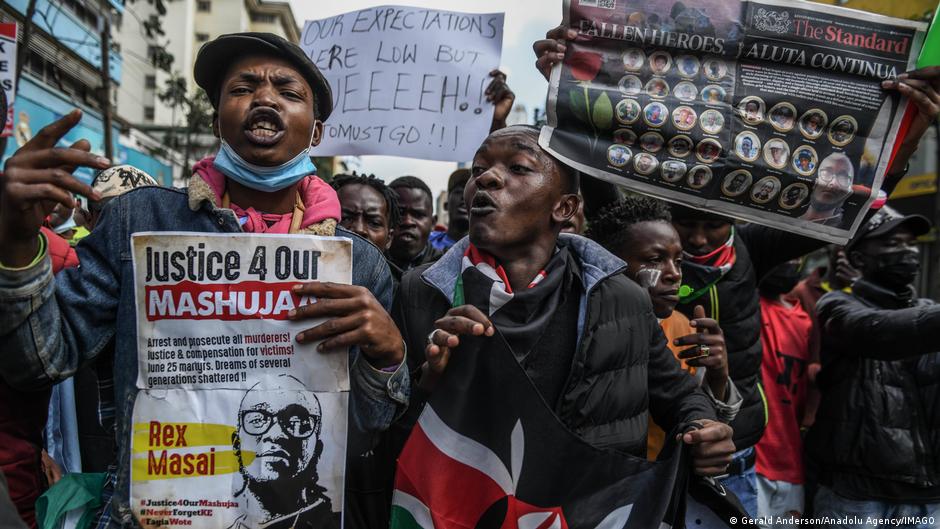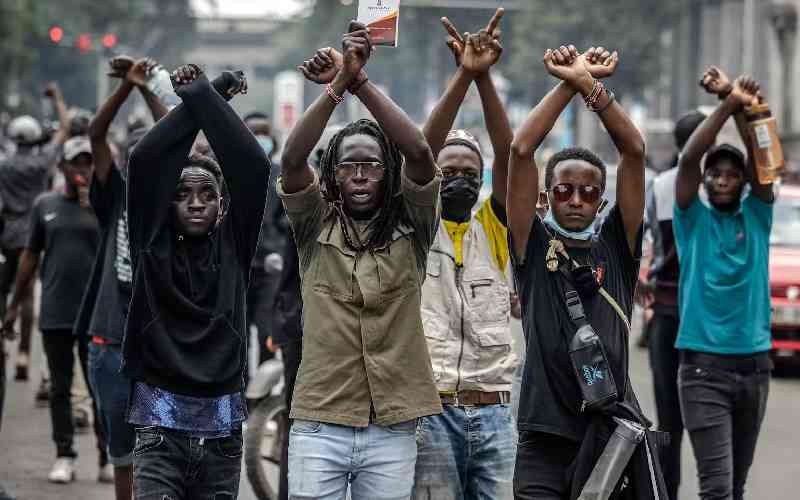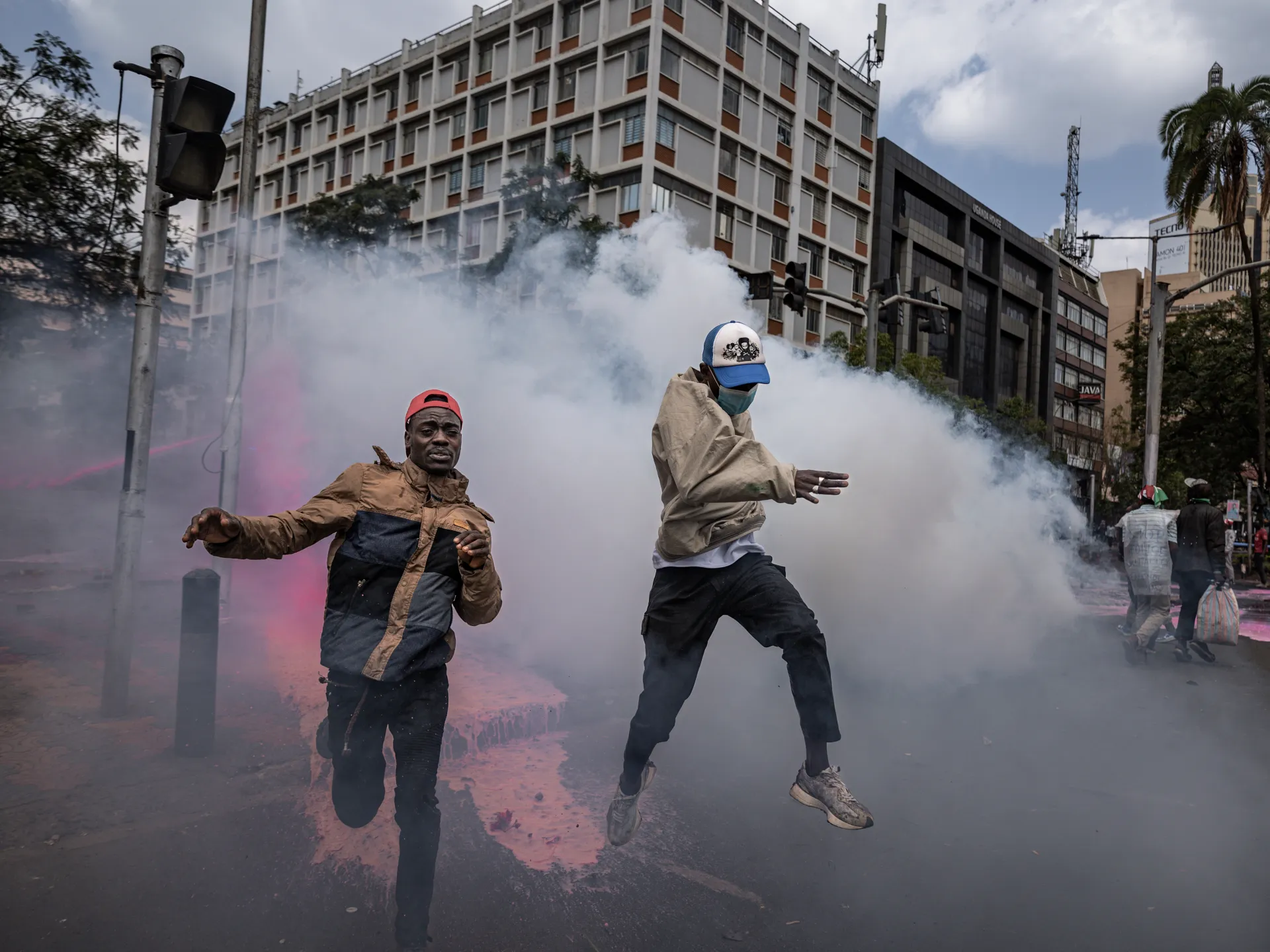
Kenya’s Gen Z-led protests of 2024 drew global headlines. For weeks, young people mobilised against proposed tax increases, the rising cost of living, unemployment, corruption and what they saw as an unresponsive political class. But what began as opposition to the 2024 Finance Bill quickly evolved into a broader challenge to the way the country was being governed.
The protests were remarkable for their scale, decentralised nature and ability to mobilise through social media. They were eventually subdued through political concessions and state repression. At least 63 people were killed.
The issues that drove the protests haven’t disappeared. Questions about taxation, unemployment, public spending and inequality remain central to Kenya’s political debate. XN Iraki, an economist who has researched and taught in Kenya and beyond for more than two decades, explores the challenges.
What has changed in the government’s approach to taxation and spending?
Economic policymaking in Kenya has become more politically constrained. The government can no longer assume that tax measures will be accepted.