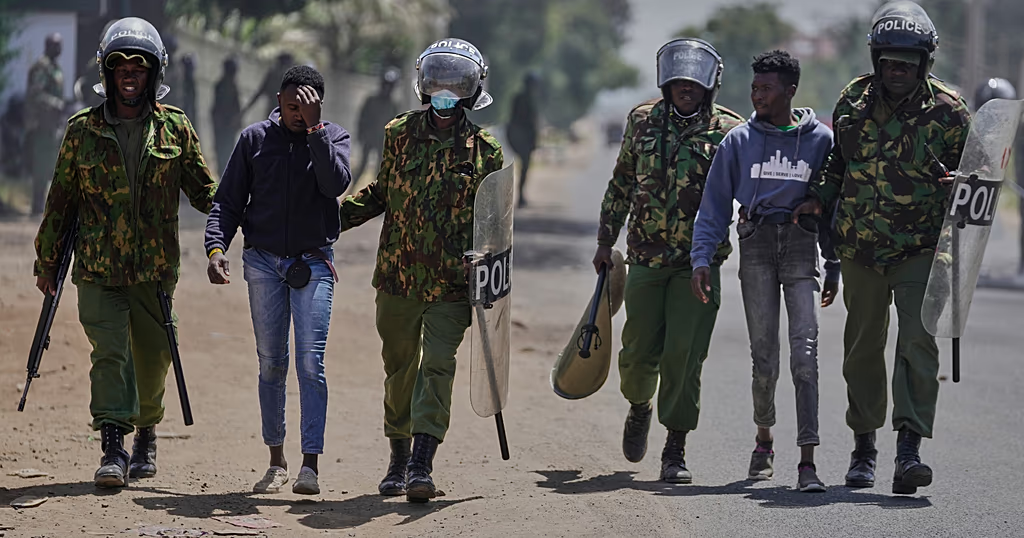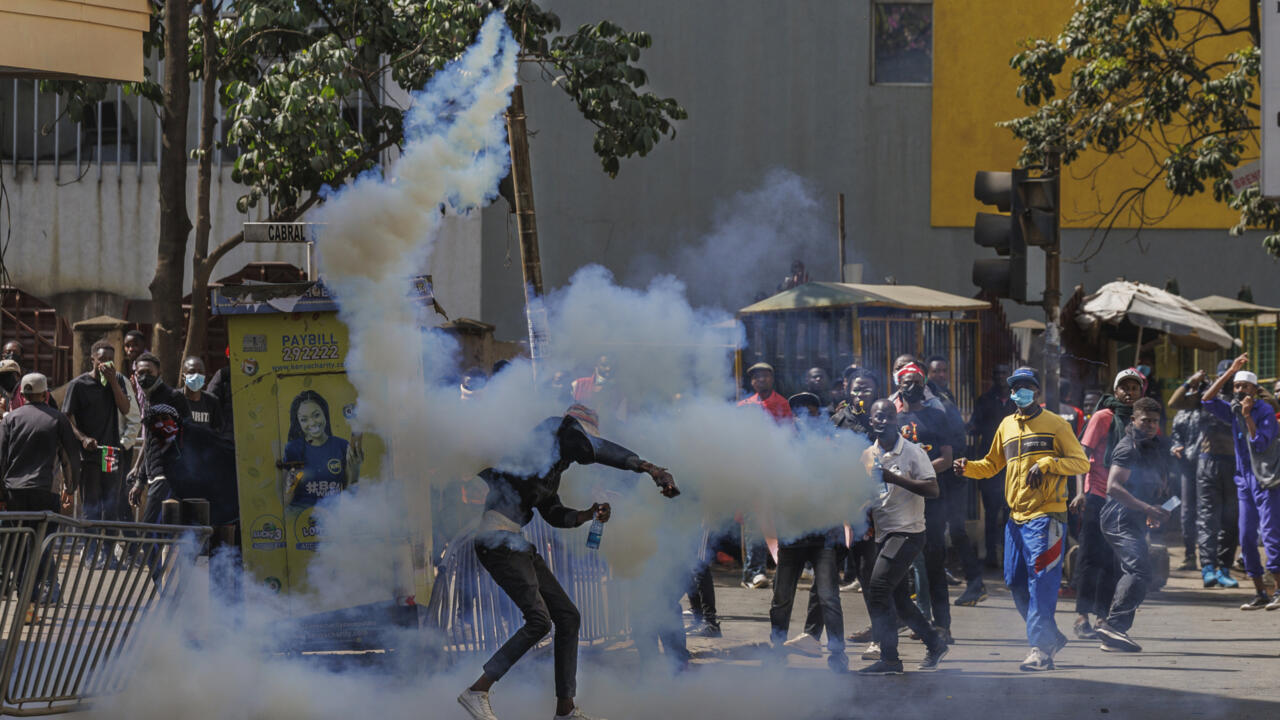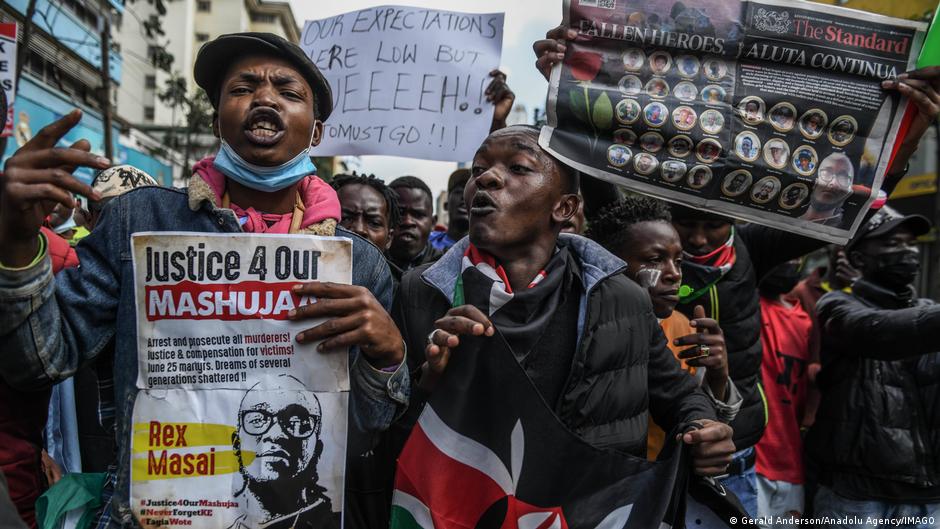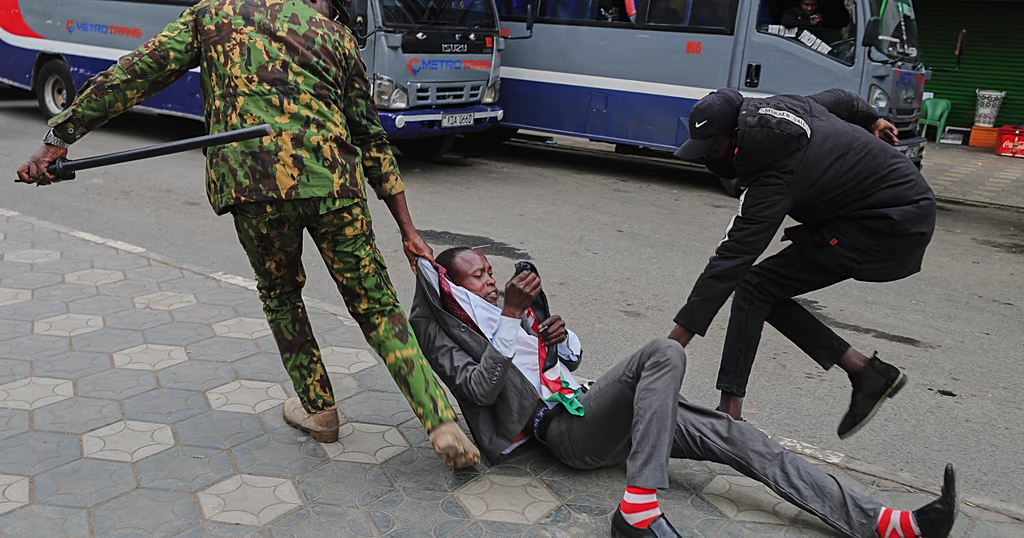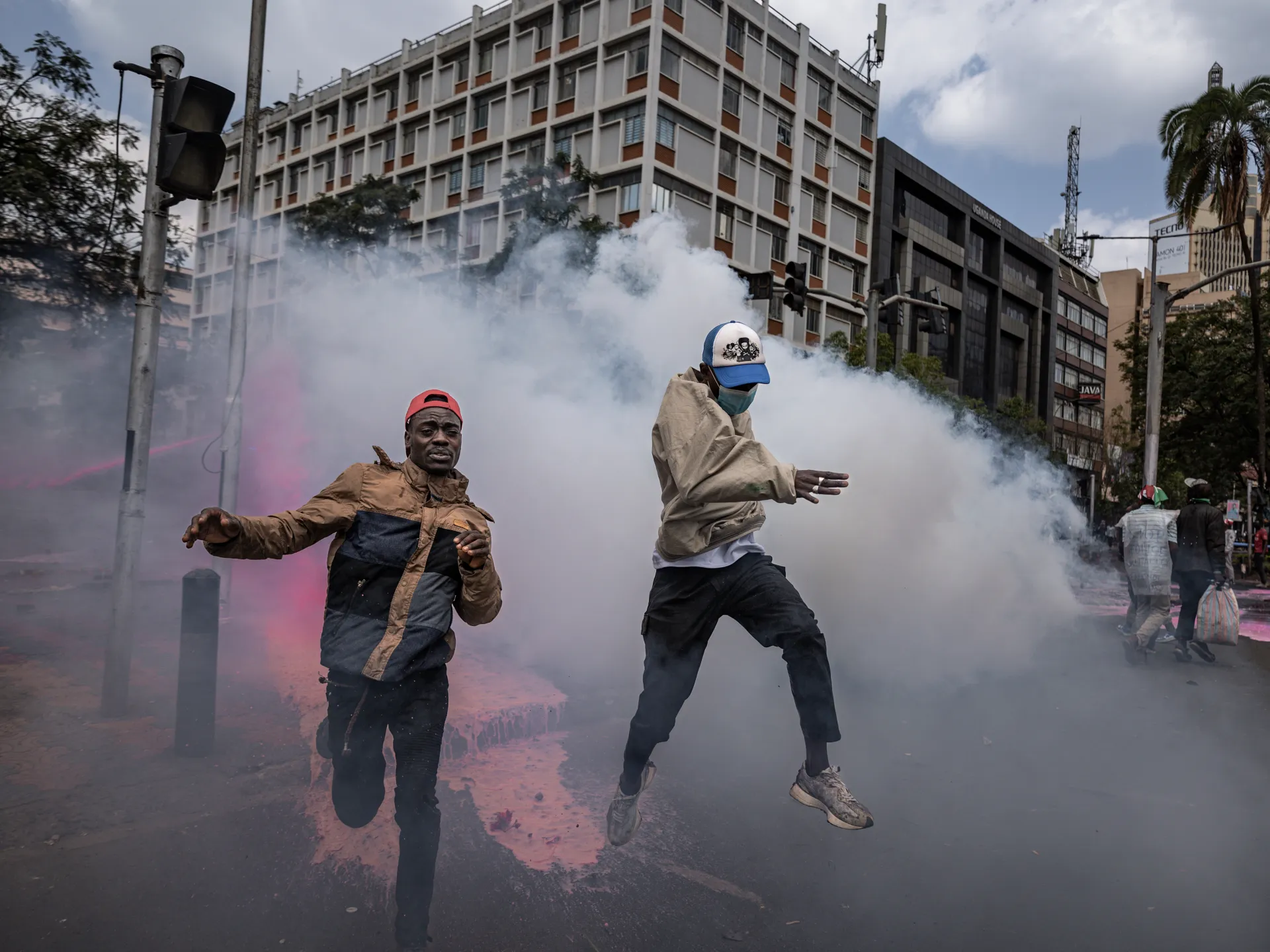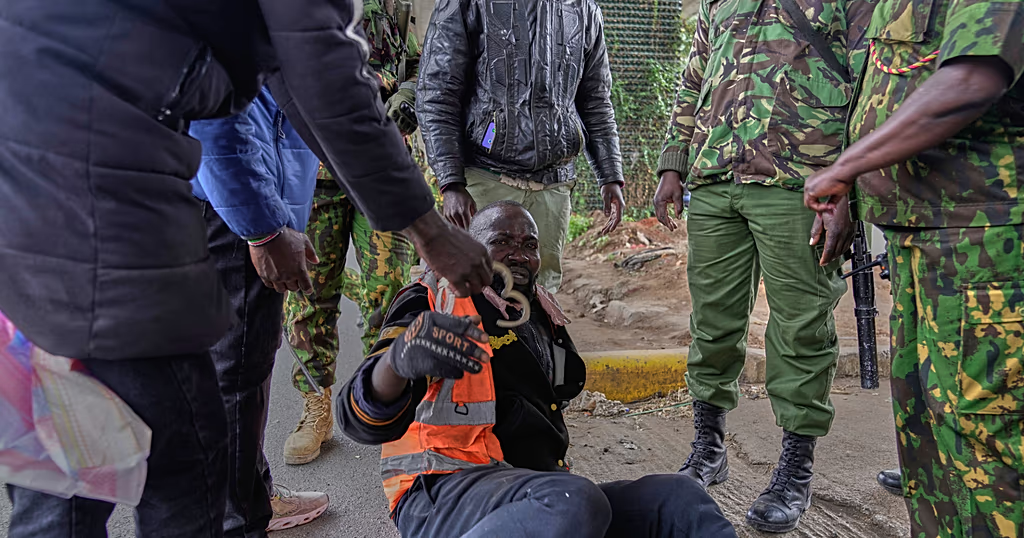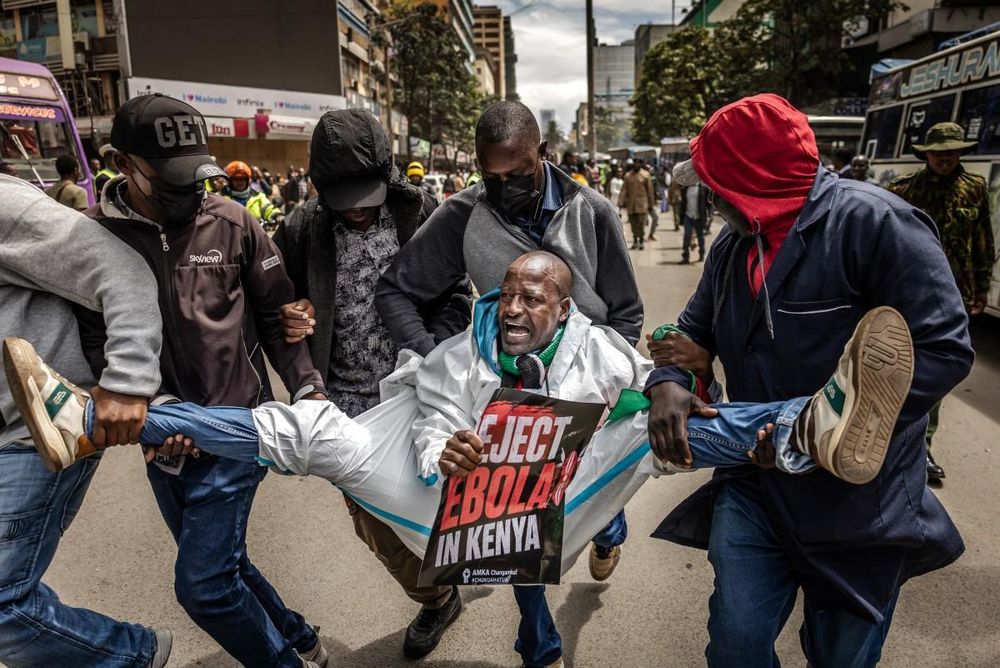
Thousands of Kenyans took to the streets in June 2024 against economic hardship and corruption, eventually storming parliament to force the cancellation of new taxes.It was a watershed moment with young Kenyans ignoring traditional ethnic dividing lines, and June 25 has become an annual day of protest as frustration continues with the government of President William Ruto. But they paid a heavy price, with at least 127 people killed across the two years of protests, according to a police watchdog, as security forces shot people with near-total impunity.Police were taking no chances on Thursday, with a slew of roadblocks shutting off traffic on key roads around Nairobi, and schools and businesses shuttered.
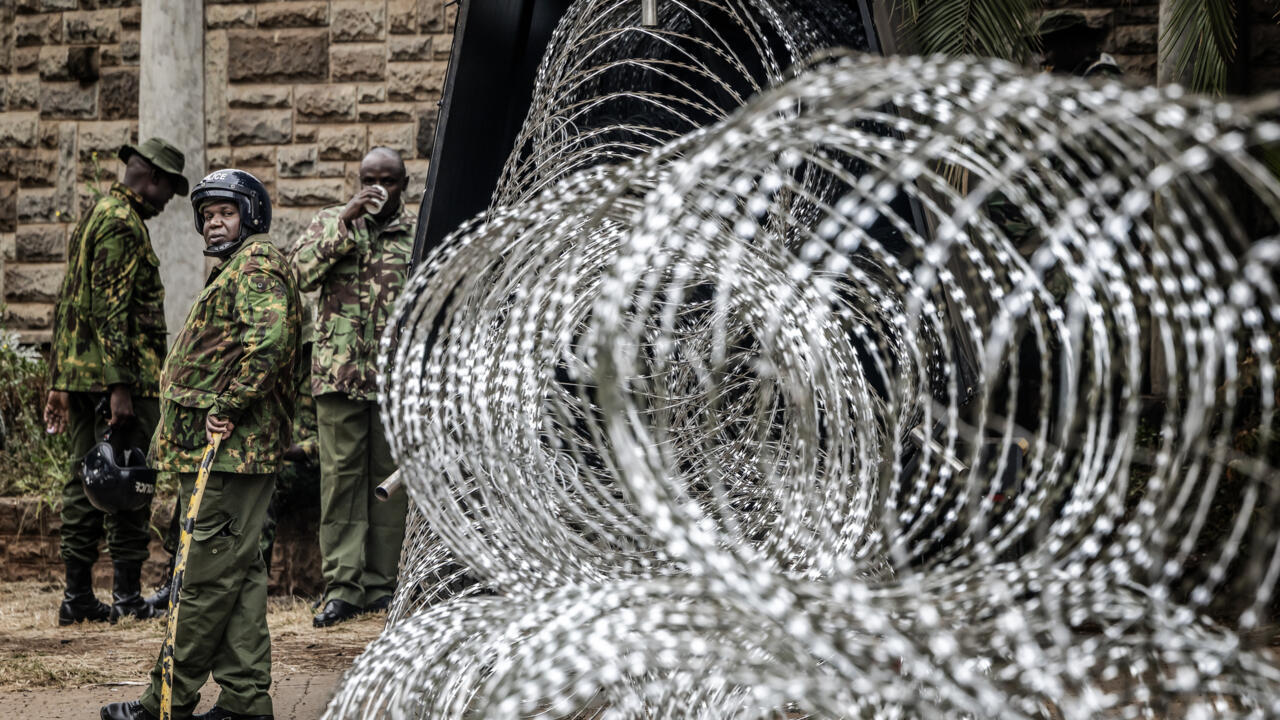
Police shut down key roads into the central business district © Kabir DHANJI / AFP
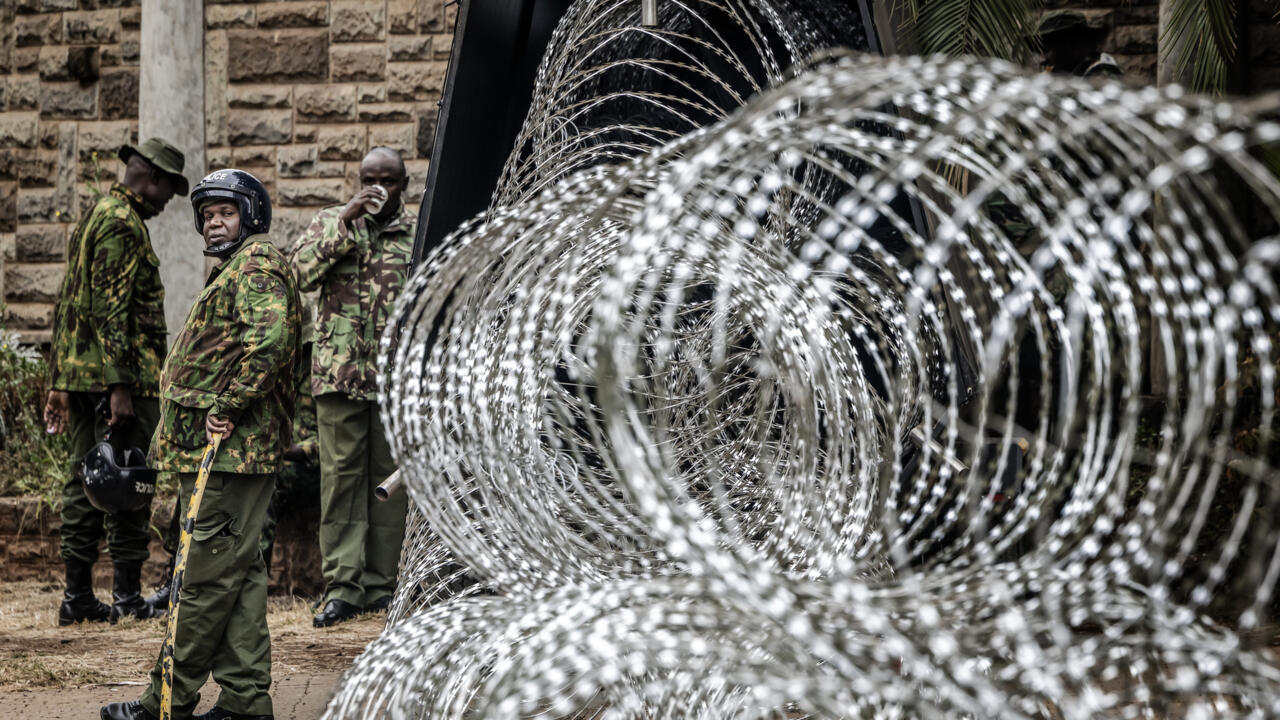
AFP journalists saw long lines of police wagons, horse patrols, barbed wire around government buildings, and large numbers of plainclothes officers. "They know people are not afraid of police in uniform. But they are scared of these plainclothes cops because they can just kill you and go," said Moses, 31, a motorbike-taxi driver. Many were too afraid to protest, with one young woman telling AFP: "I don't want to die, I'm the oldest. I just want to work."'Organised terror'Ruto said this week that Kenyans had a right to demonstrate, but warned against anyone "mobilised to destroy property or cause chaos".Yet politicians have frequently deployed masses of hired "goons" -- armed men sent to attack opponents -- who are blamed for most of the looting and robberies during protests.