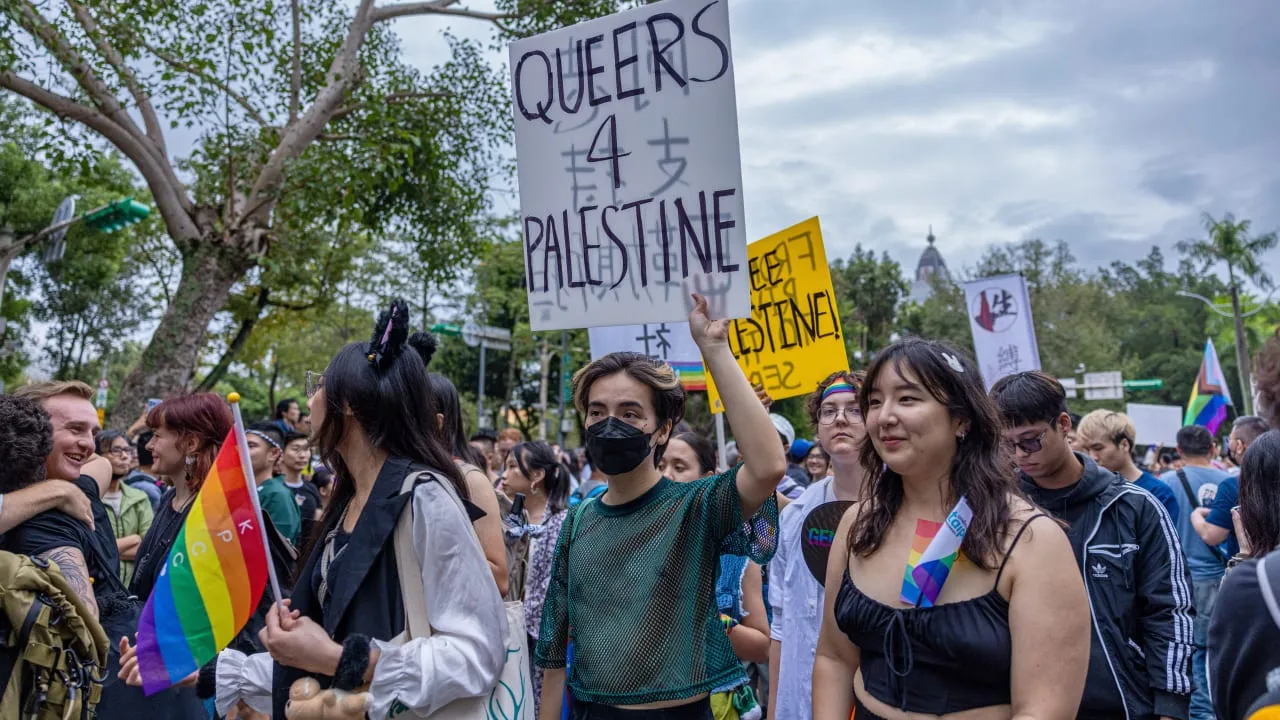
When the genocide in Gaza began in 2023, I remember seeing a repeated commentary on social media: every time a queer-presenting person posted about Israeli war crimes, a troll would pop up to tell them to go to Gaza themselves, and “do you know what they do to people like you there?” (As a Southerner, my favorite response online was something along the lines of, “They don’t like ‘people like me’ in Texas, either, but I don’t want to see Texas bombed off the map.”) Logical fallacies and bad actors aside, though, while there is a relative wealth of literature written in English (and French) by Arabs abroad, there is significantly less queer literature published in Arabic, within the Arab world.
Being anything other than cisgender and heterosexual falls outside the norm in what are often very traditional societies, and while laws across the SWANA region vary—some more lenient, some quite repressive, some enforced, others not—there is a great deal of censorship, much of it self-imposed. A queer writer is less likely to tell queer stories because of a fear of backlash, the difficulty of finding a publisher, or the worries about how it might affect their relationships with others in society. A straight writer is still, sadly, not always likely to treat their gay characters with understanding and empathy.