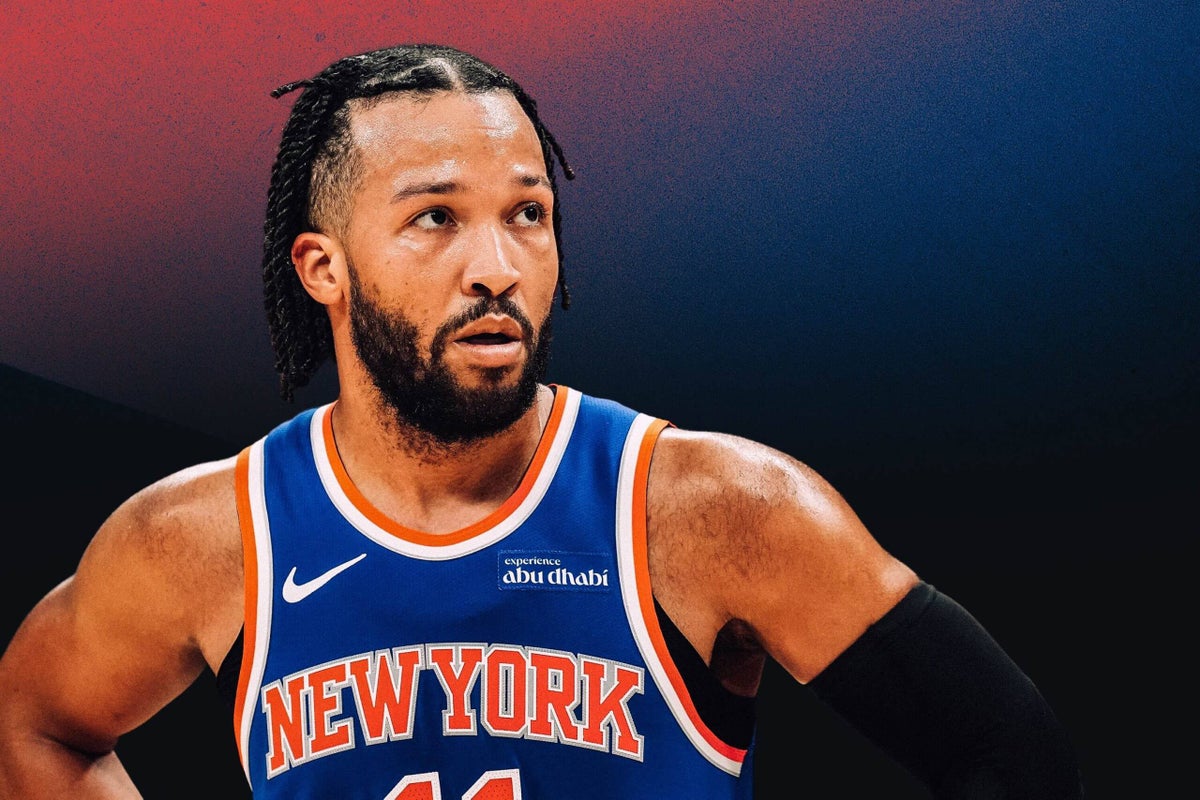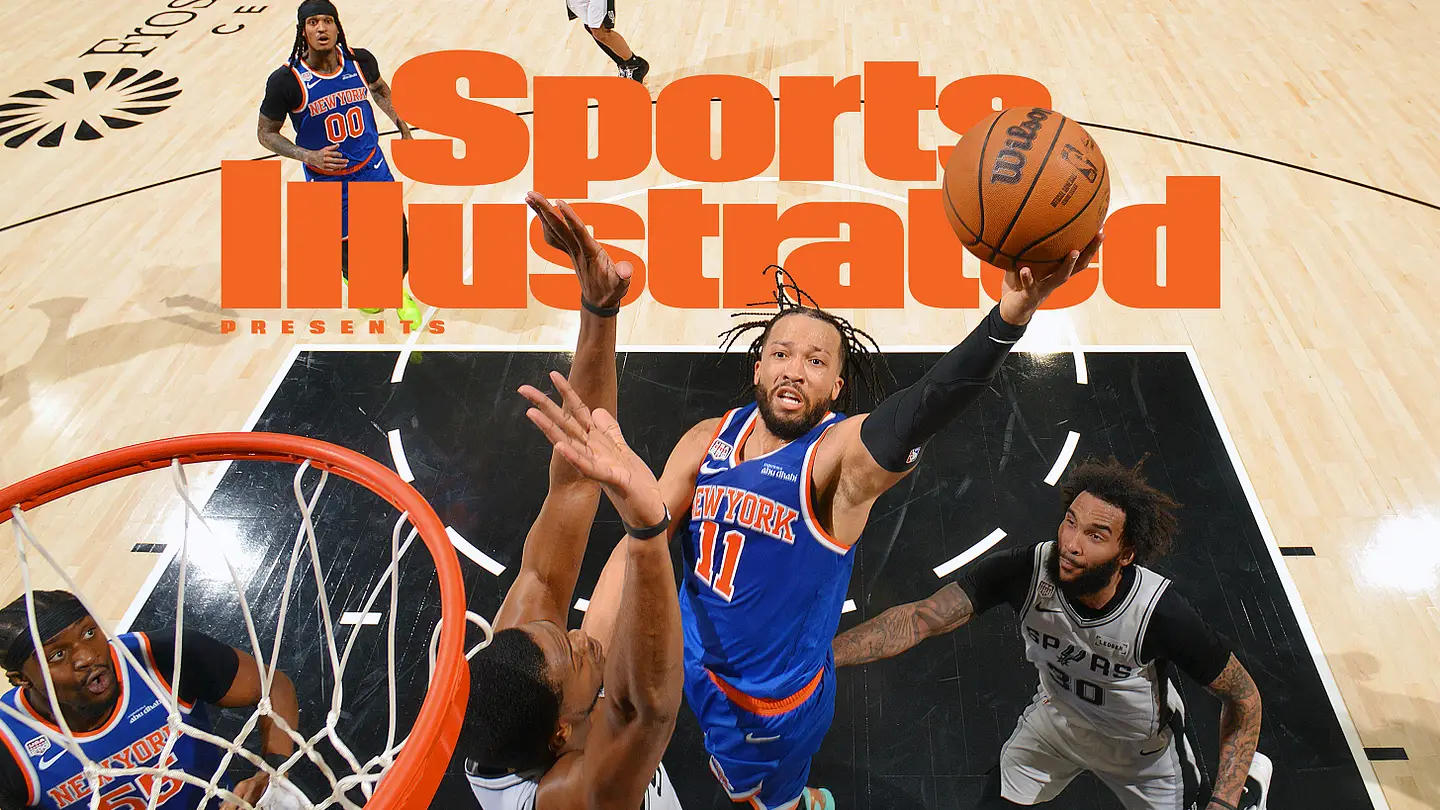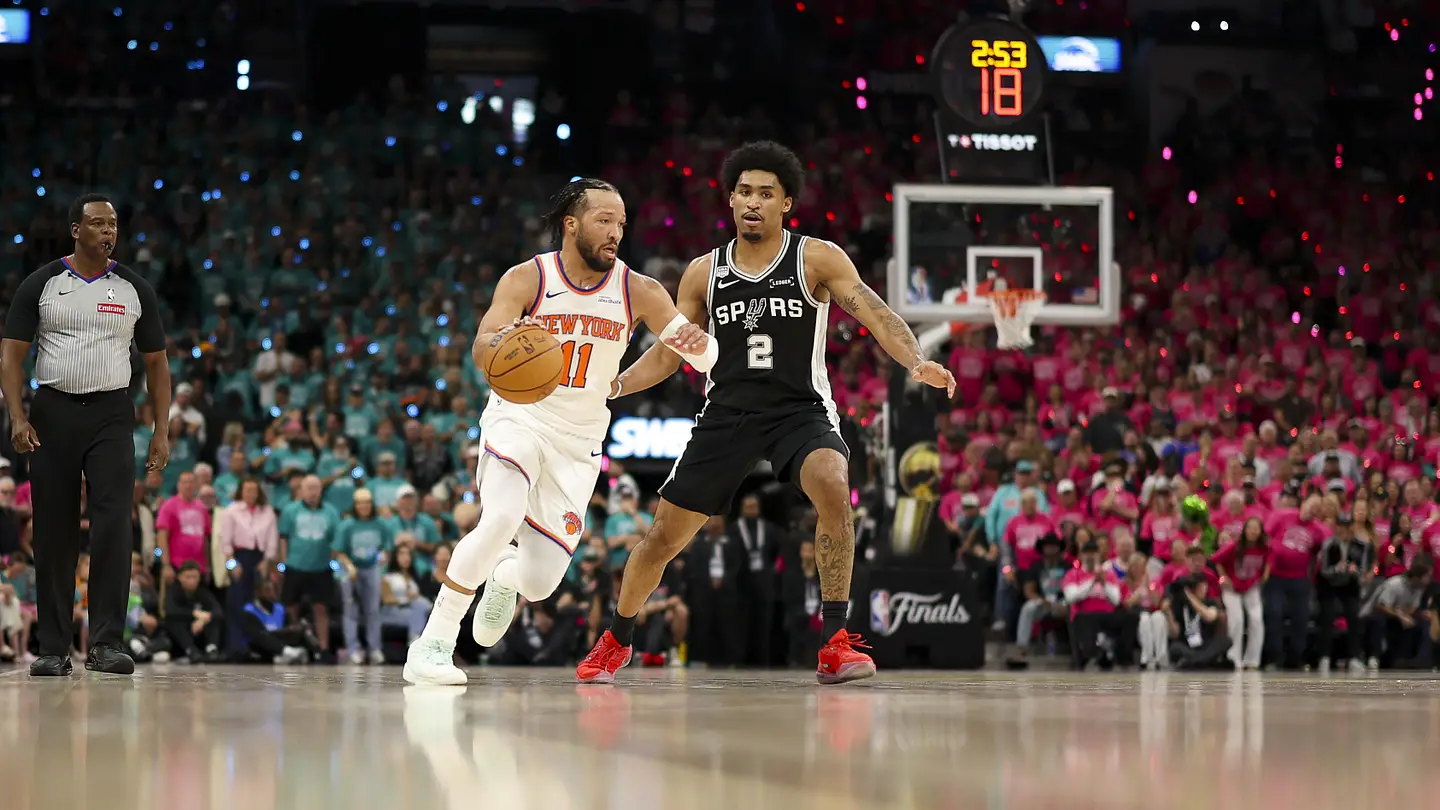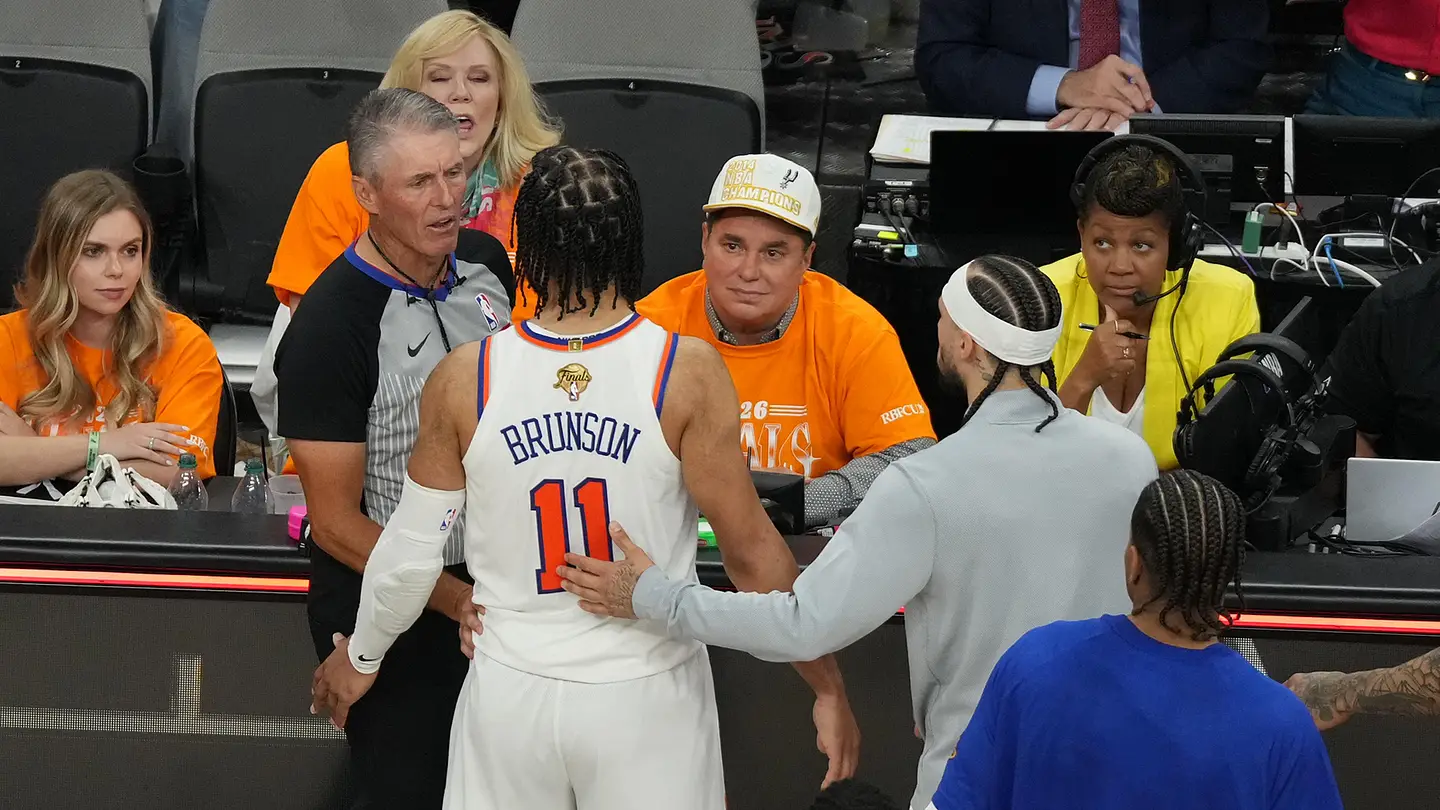
This story is part of Peak, The Athletic’s desk covering the mental side of sports. Sign up for Peak’s newsletter here.With the New York Knicks one win away from a championship, Jalen Brunson was fielding questions from reporters when a voice cut through the crowd.“Hey Jalen, Kon from Charlotte.”As in Kon Knueppel, one of the NBA’s best young players for the Charlotte Hornets.He had just seen a stat that showed Brunson was on the verge of joining a small group of players who have won a high school state championship, an NCAA title, the Naismith College Player of the Year Award, an NBA championship and NBA Finals MVP.For Knueppel, this sparked a genuine question: He wanted to know what Brunson believed were the key attributes of a winning player. And because he was serving as the NBA’s player correspondent that day, he had the chance to ask him.Brunson’s answer?“I think the one thing that stays constant with all that is I’ve always told myself and always been taught by my parents to never be afraid to fail.”By working hard in the offseason, Brunson explained, the big moments feel less intimidating.“If you do fail,” Brunson said, “you’re going to learn anyway.”With his response, Brunson captured an idea that Manu Kapur, author of “Productive Failure: Unlocking Deeper Learning Through the Science of Failing,” has spent years working to understand: Why does embracing failure give people an edge?For years, Kapur has argued that failure deserves a more nuanced reputation. While most people instinctively avoid mistakes, researchers who study learning have found that certain kinds of failure can actually accelerate growth.“The first thing is understanding that not all failures are the same,” Kapur said. “We’re not saying all failure is good. We’re talking about a particular kind of failure that comes from attempting something beyond your current capabilities.”
A young NBA star asked Jalen Brunson about winning. His answer was about failure
“If you do fail,” Brunson said, “you’re going to learn anyway.”
886 words~4 min read