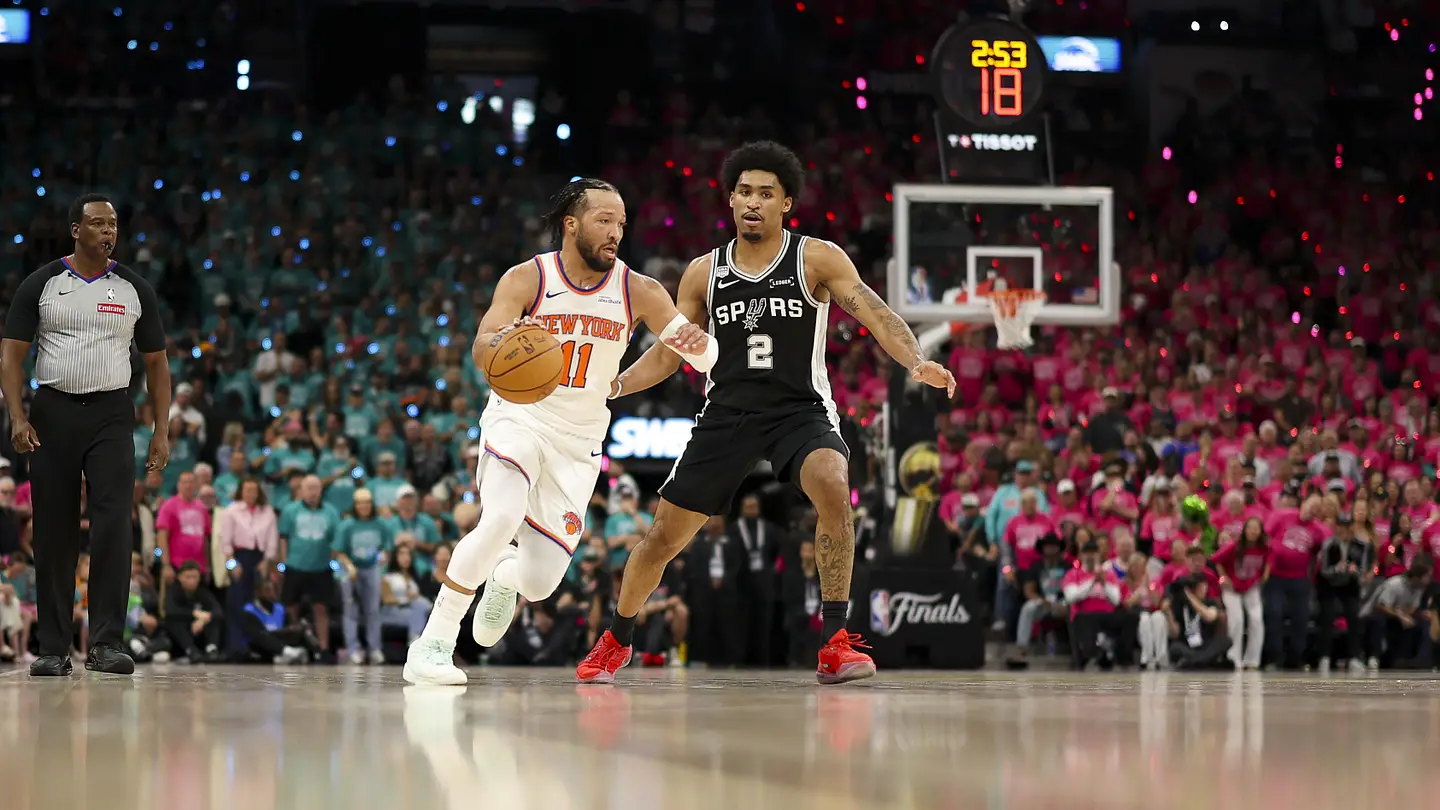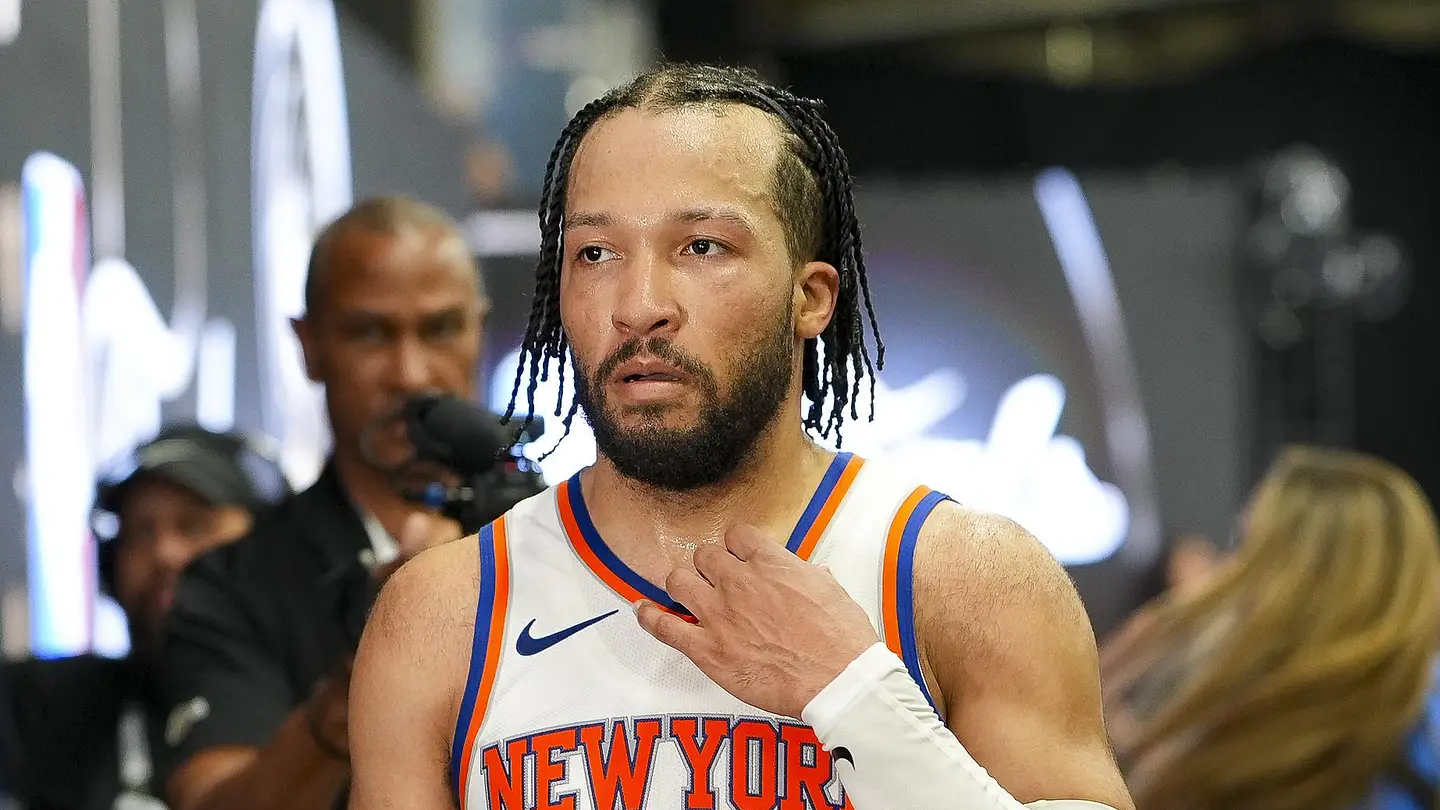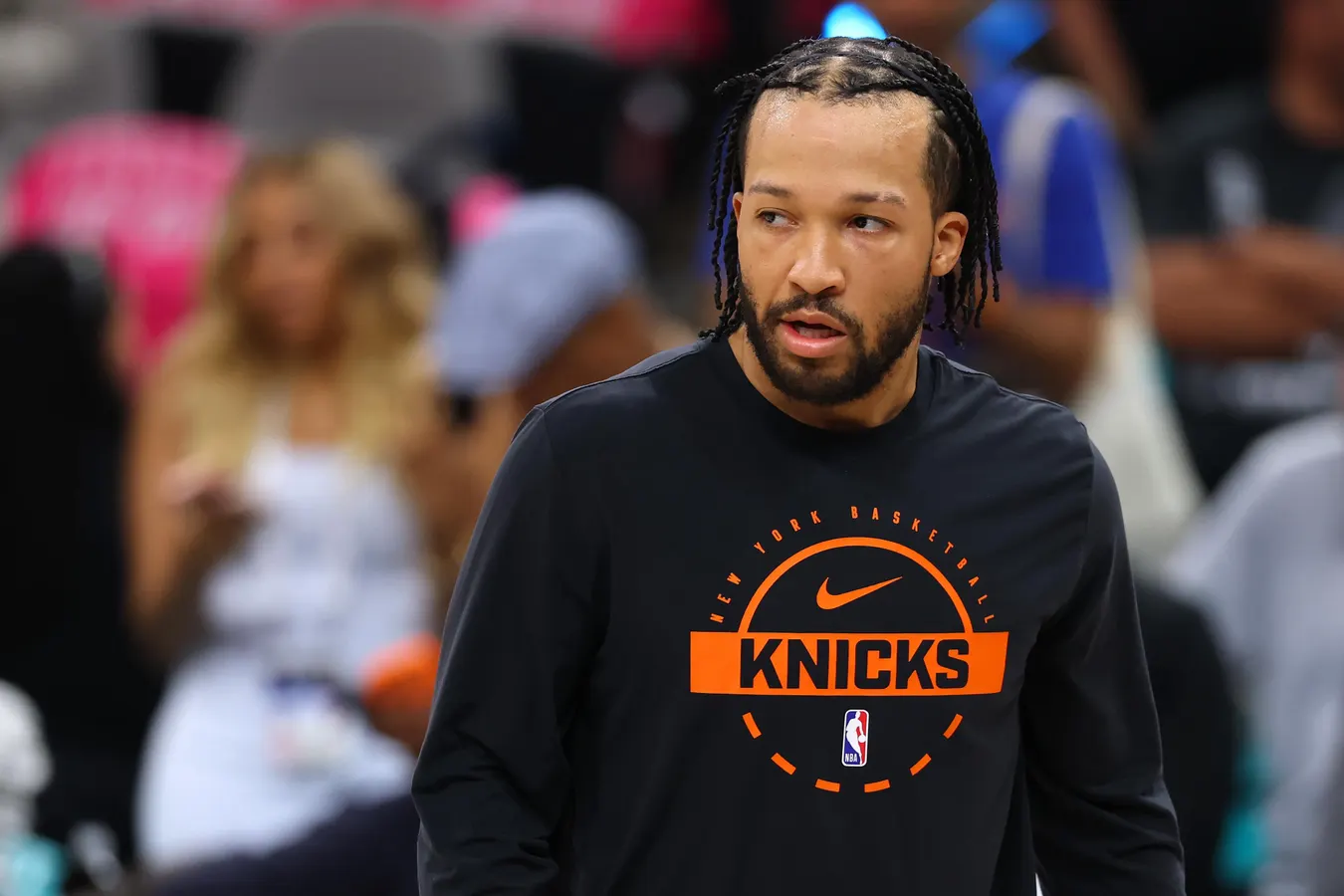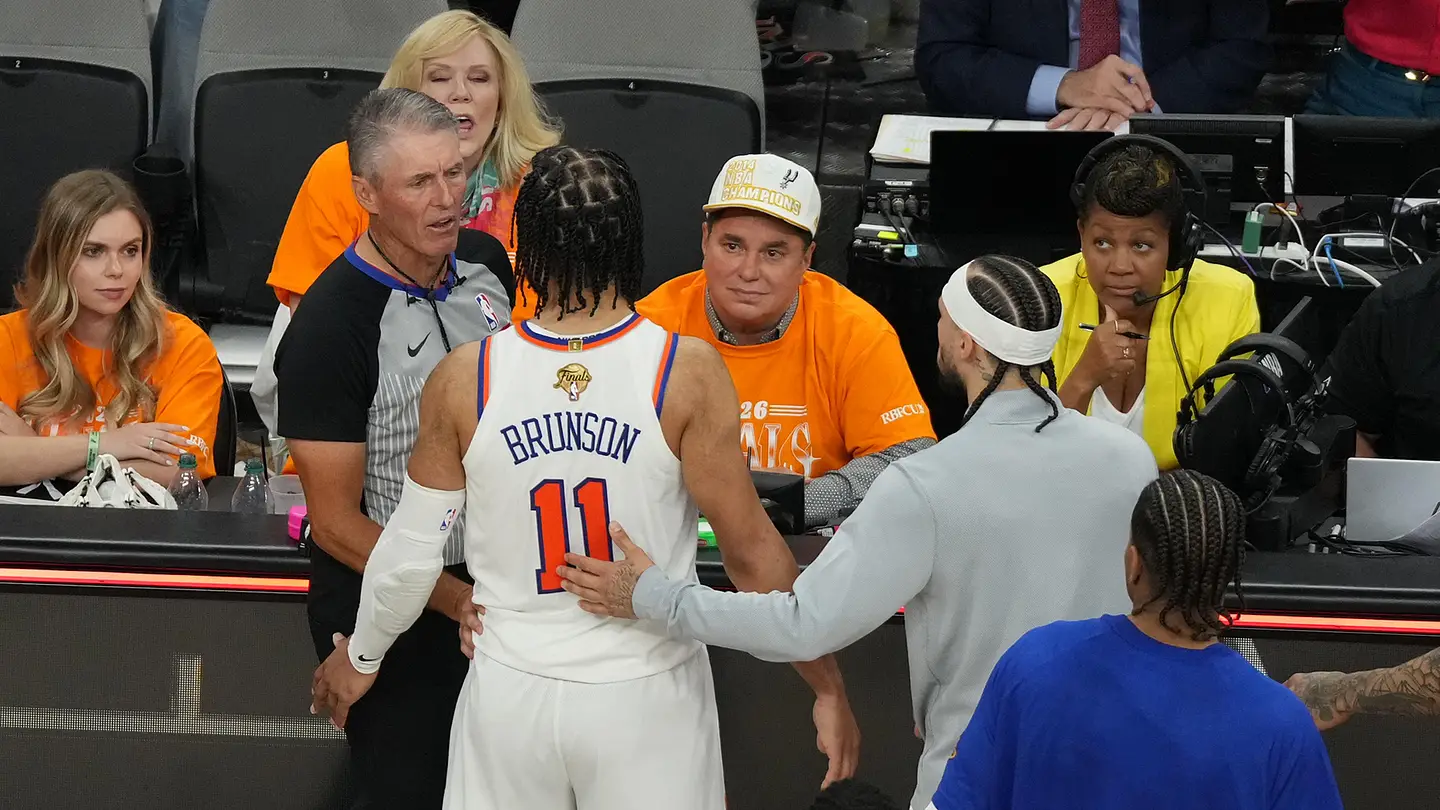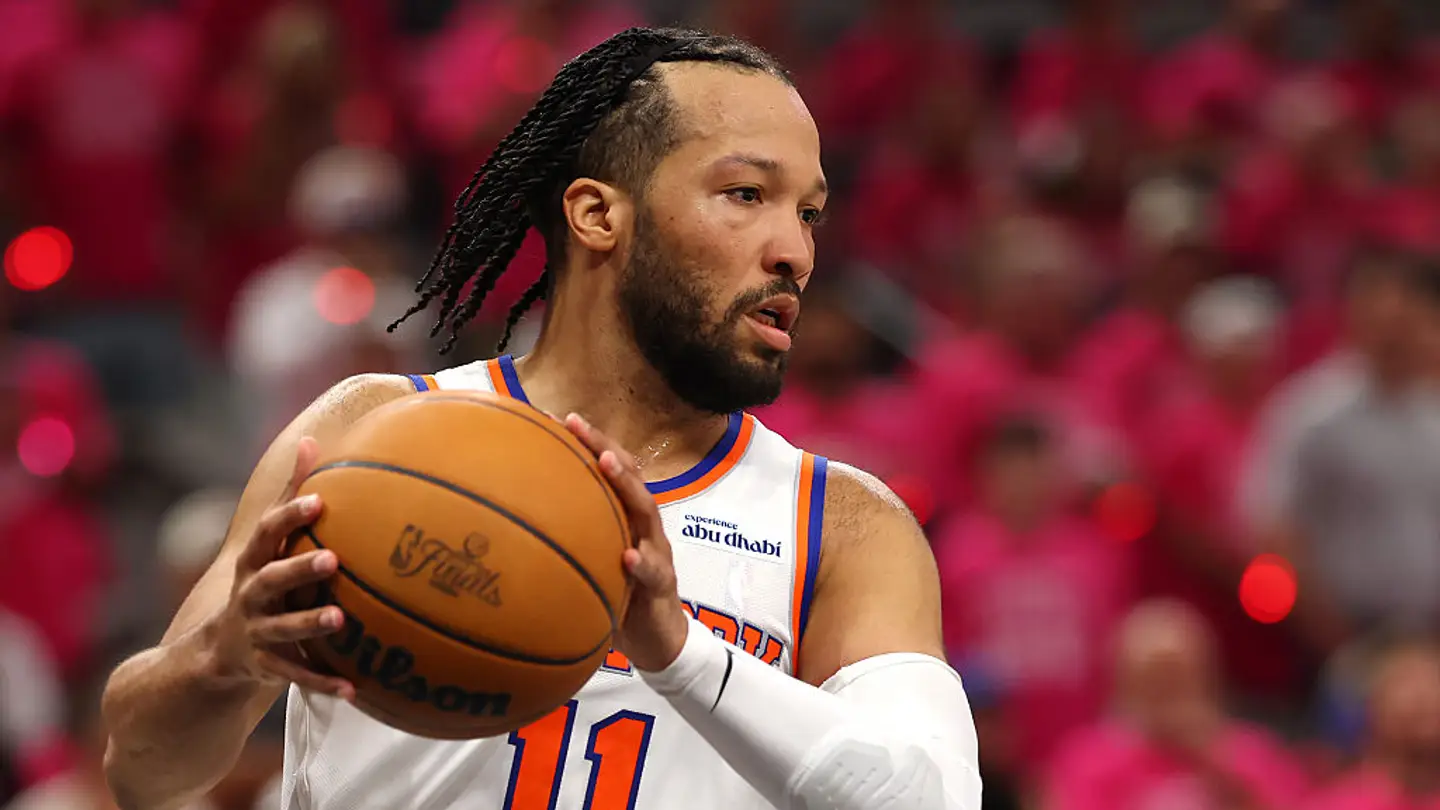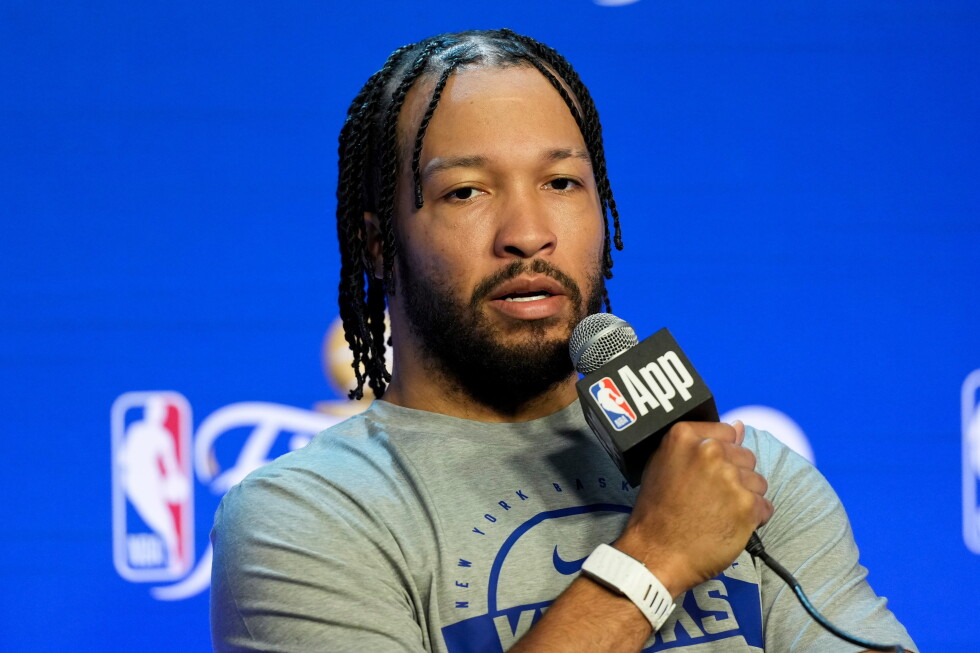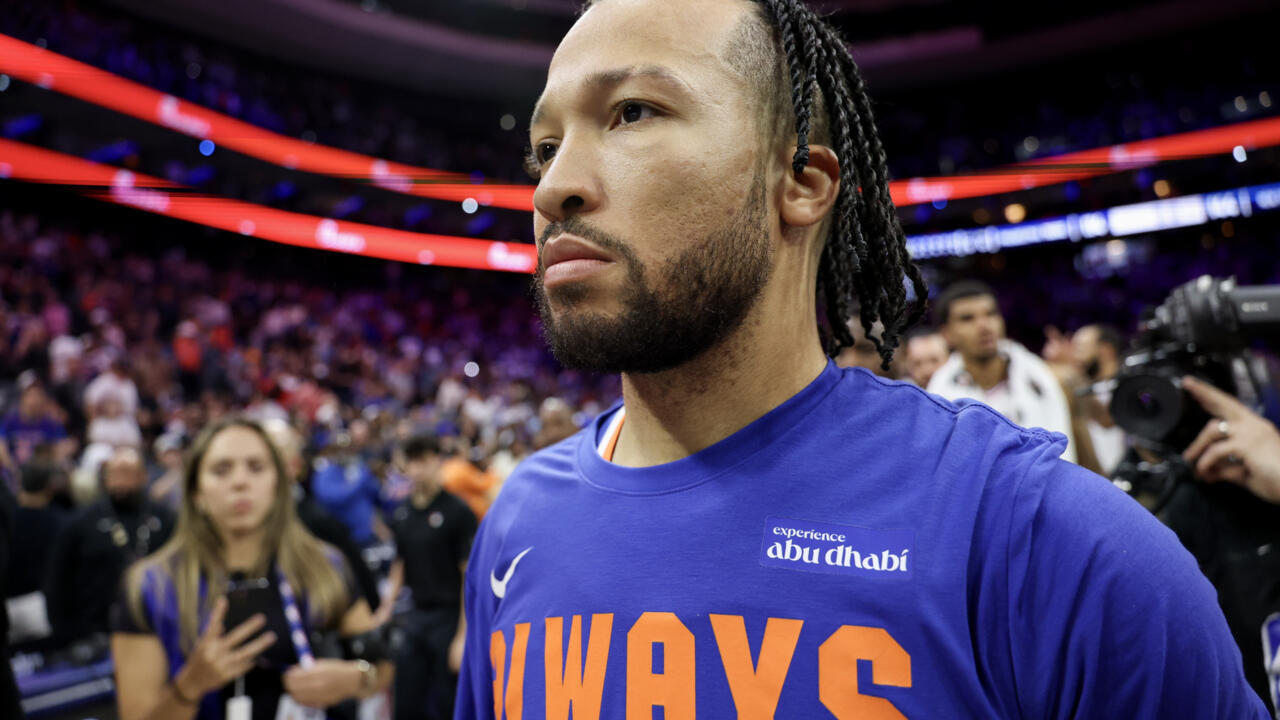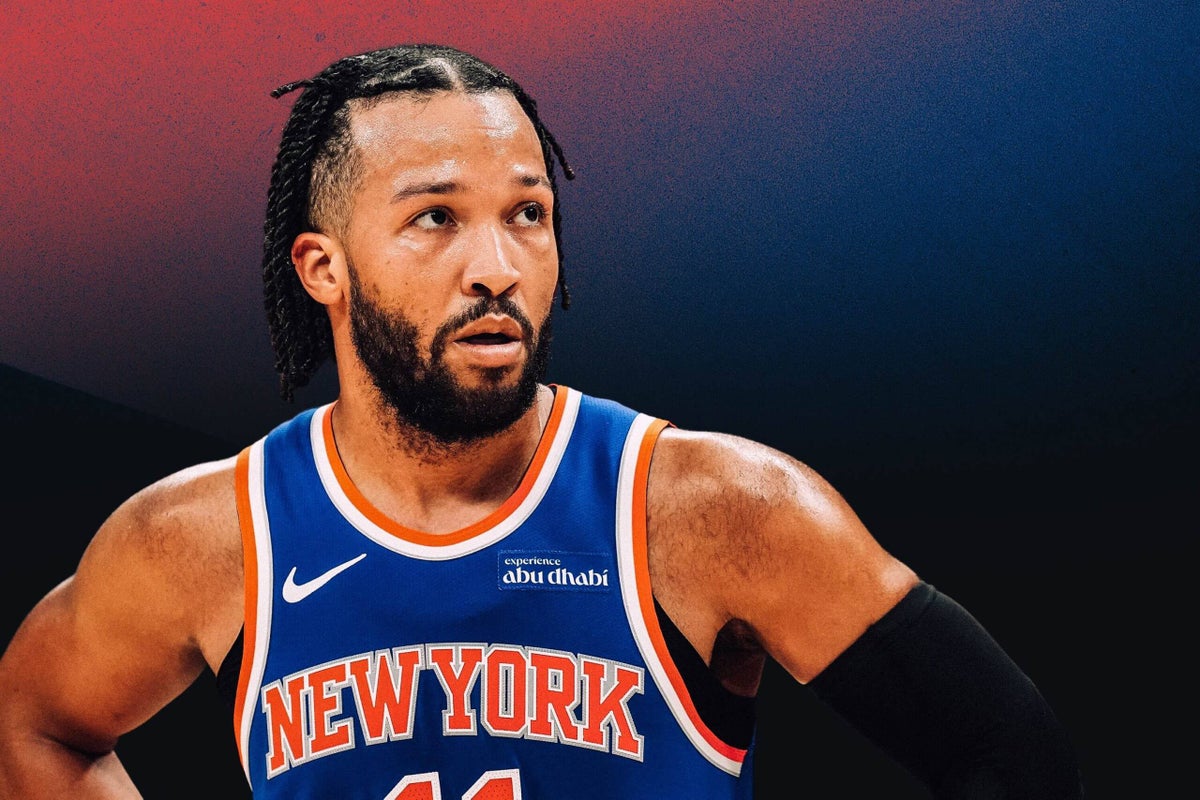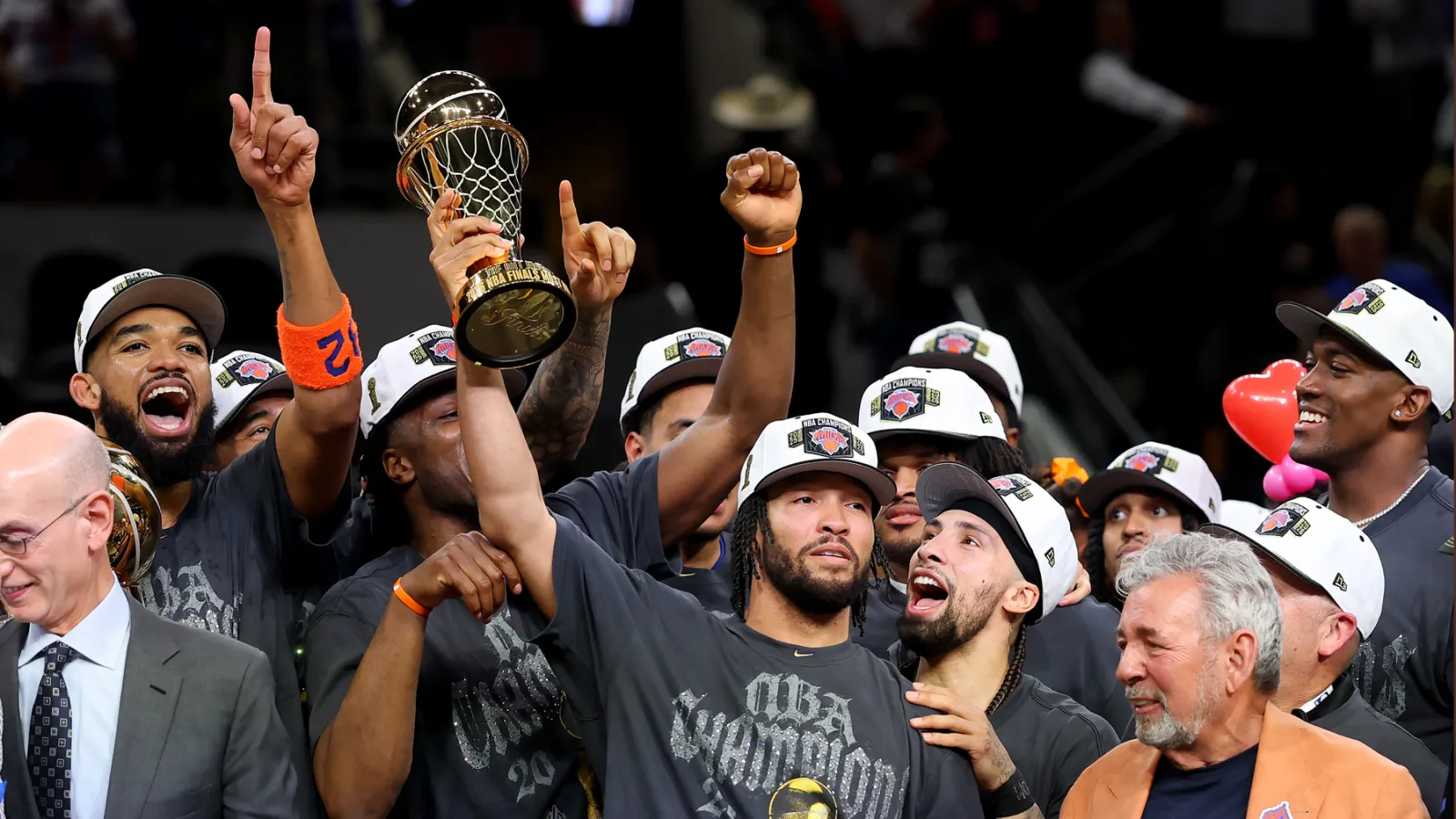
This story is part of Peak, The Athletic’s desk covering the mental side of sports. Sign up for Peak’s newsletter here.In four seasons with the New York Knicks, Jalen Brunson has averaged 26.9 points per game, earned second-team All-NBA honors three times and led the team back to the NBA Finals for the first time in 27 years.It’s the resume of a budding New York legend. Just don’t call Brunson a star.“I’m not a star,” he said last month.The context is worth unpacking: In the days before the Eastern Conference finals, a reporter asked Brunson about relinquishing control of the Knicks’ offense during a four-game sweep of the Philadelphia 76ers. Brunson was spending additional time off the ball.“Some stars might push back,” the reporter posited.“One, I’m not a star,” Brunson answered. “Two, I want to win.”Forgive us for fixating on labels for a moment, but the assertion was clearly absurd. Brunson is one of the best guards in the NBA. Yet the fact that he delivered the answer so plainly and directly seemed to reveal something deeper, a window in the Brunson mindset, a powerful tool for maximizing performance.“The best athletes, executives and coaches I’ve ever worked with are master storytellers,” said Justin S’ua, an executive performance coach who has worked with players and coaches across professional sports. “They have learned how to purposely engineer their self-talk in order to get them to the feeling — the ideal state — that they need to be the best versions of themselves.”But the relationship between narrative and success is not just anecdotal. There’s research that suggests we can all benefit from acting like Brunson.For Brunson, the story involves an identity forged on the night of the NBA Draft in 2018. After winning two NCAA Championships and being selected the Associated Press national player of the year at Villanova, his size and athletic profile kept him on the board until the second round, where he was drafted by the Dallas Mavericks.
What it means to have a Jalen Brunson mindset
Knicks guard Jalen Brunson insists he is not a star. There’s research that suggests we can all benefit from acting like Brunson.
895 words~4 min read