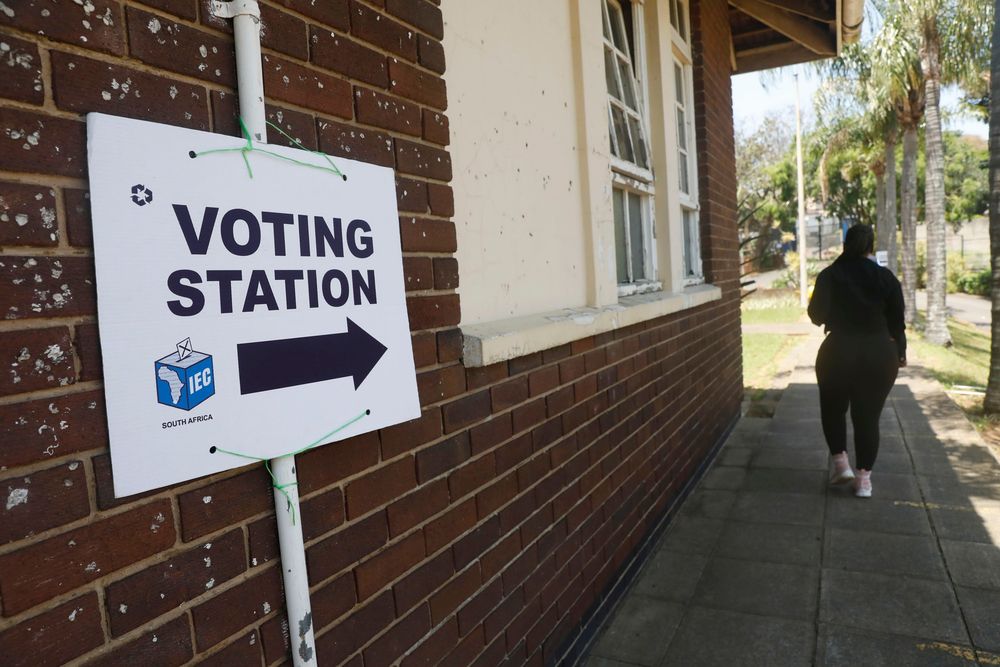
Research into the influence of South Africa's electoral system and electoral laws on voter turnout call for introspection and innovation as South Africa approaches its next electoral cycle.
A new study by Dr Naledi Modise, a Political Science and International Relations lecturer at North-West University, reveals that the nation's declining voter turnout is not merely a by-product of voter disillusionment, but is deeply intertwined with the functioning of the country's electoral institutions.
For over two decades, South Africa has witnessed a troubling trend: voter turnout has continuously waned despite an electoral system ostensibly designed to broaden political participation. This research, conducted over a ten-year span from 1999 to 2019, examines the intersection of electoral laws, voter attitudes, and institutional frameworks — the combination of which has contributed to this alarming trend.
“Our understanding of voter turnout cannot be limited to socio-economic factors alone,” Dr Modise says. She argues that electoral institutions are pivotal in shaping citizens' experiences of democracy. “They influence whether individuals believe that their participation can effect change within the political landscape.”