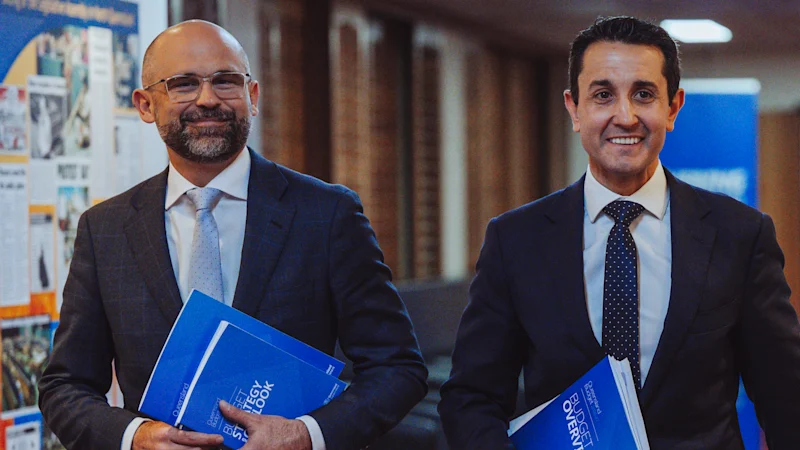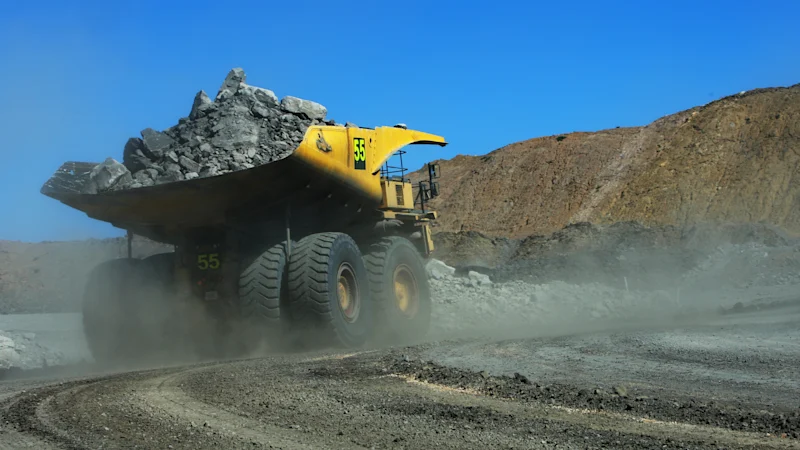
Queensland’s treasurer says he’s “not giving up” on halting a ratings downgrade of the state’s finances after handing down a budget full of red ink, amid predictions state borrowing will top $200bn in three years.David Janetzki promised a budget surplus in 2029-30, the year after the state’s next election – but only after years of billion-dollar deficits, including a $6.17bn shortfall this year.Handing down his second budget on Tuesday, Janetzki forecast relatively positive economic growth and a strong labour market despite volatility caused by the conflict in Iran – and billions more in coal royalties to the state, driven by a 6% rise in exports in 2026-27.The state will earn $6.9bn in coal royalties that year alone, up from $4.79bn in 2025-26, according to the budget.But despite a forecast recovery in coal prices, the state continues to teeter on the edge of a credit rating downgrade.“Labor’s legacy left us highly likely, or even an air of an inevitability, to getting a rating down grade, but I’m not giving up,” the treasurer said. “We’re not giving up because we’re making the budget improvements while delivering what we promised.”Sign up for the Breaking News Australia emailIn February the rating agency S&P affirmed a negative outlook for Queensland government debt. On Tuesday, it said the state’s fiscal recovery would likely be harder than expected, due to rising wage costs and public health services, though would be aided by slower increases in capital spending.“Queensland …still has a very weak fiscal position,” the S&P said.S&P said the state’s operating deficit was likely the largest of all Australian states in fiscal 2026, reaching about 6% of operating revenue.Janetzki’s budget forecasts a $1.9bn deficit in 2028-29, with state borrowings topping $202bn that year. There would be a $619m surplus the year after, he said, with debt hitting $216.5bn.The budget includes:
Queensland’s economy teeters on edge of ratings downgrade despite coal royalty windfall
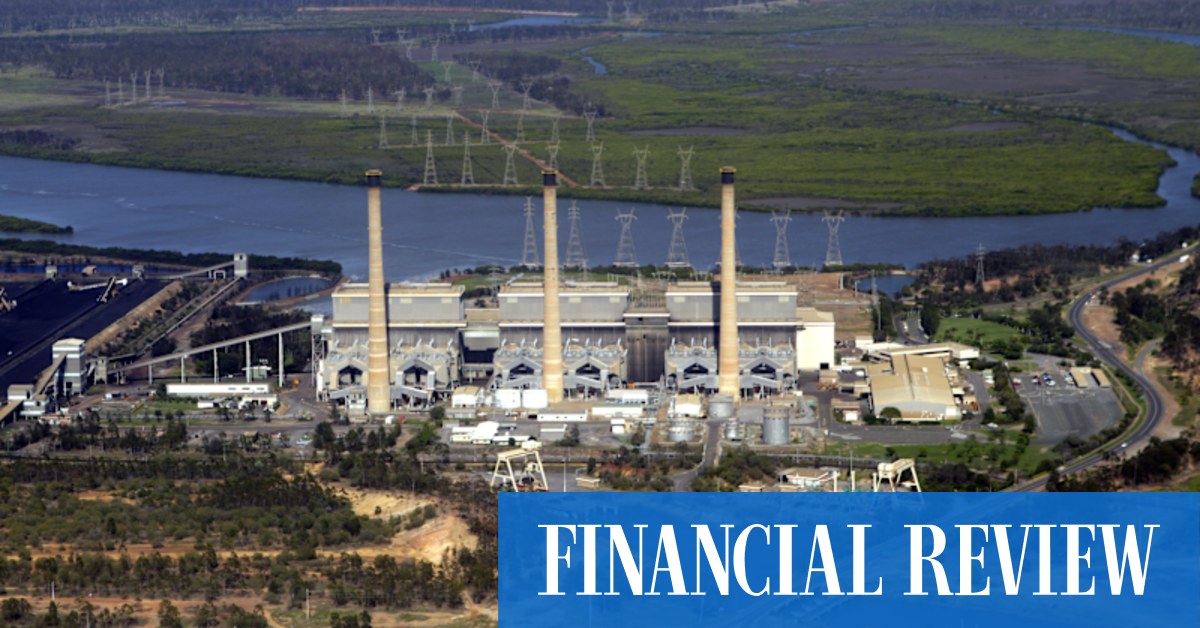
Earnings from mining the fossil fuel set to increase to $6.9bn over financial year, up from $4.8bn, with budget deficit to reach $6.2bn
782 words~4 min read