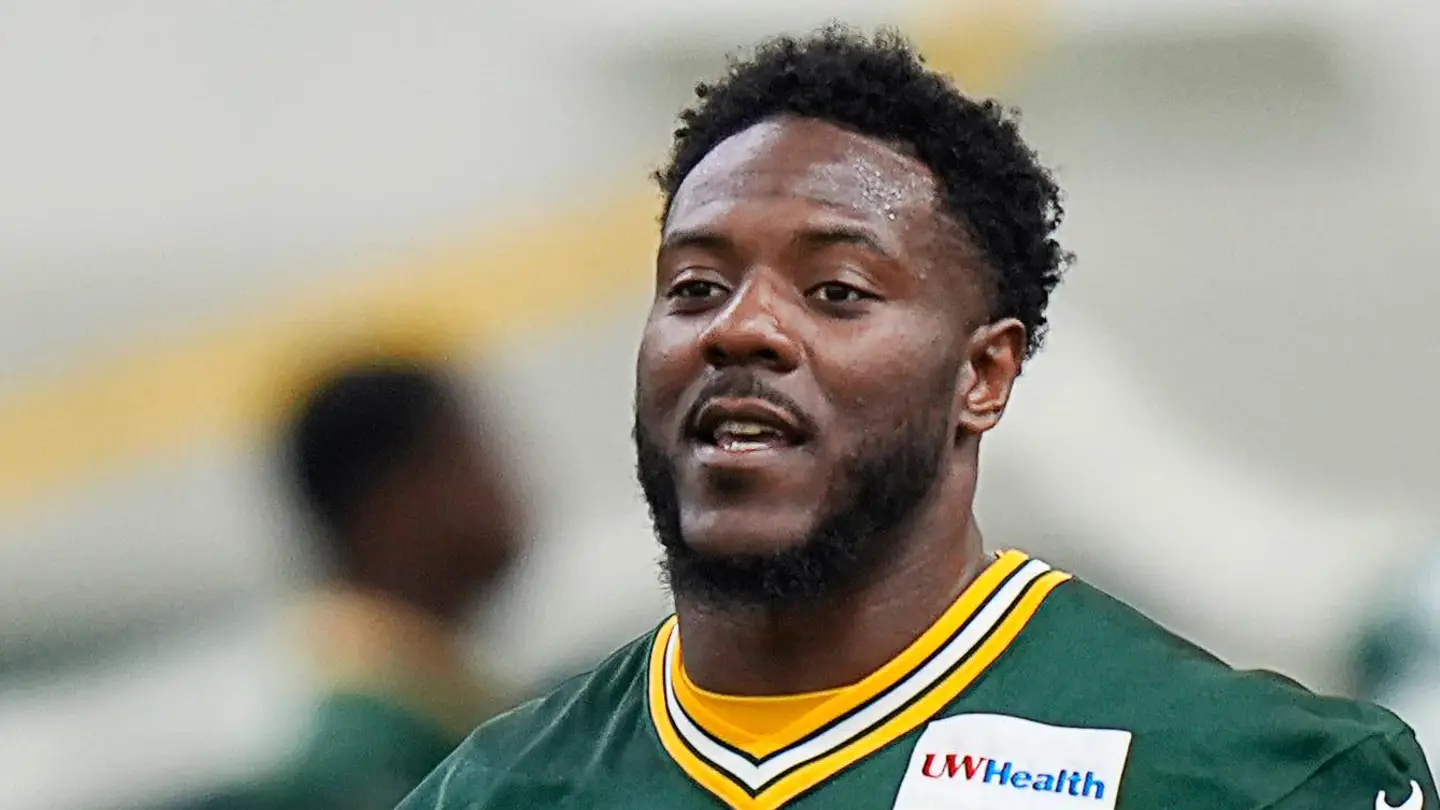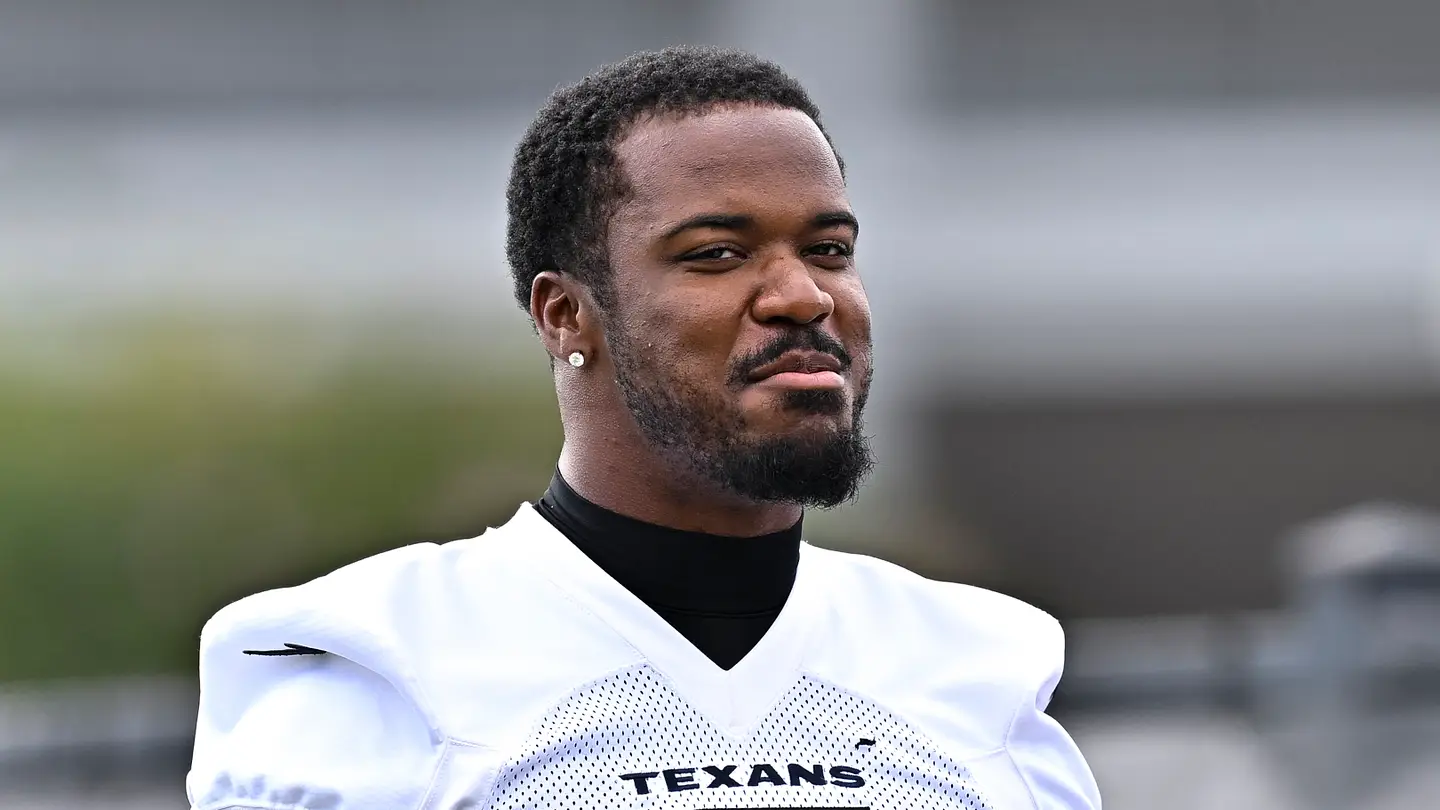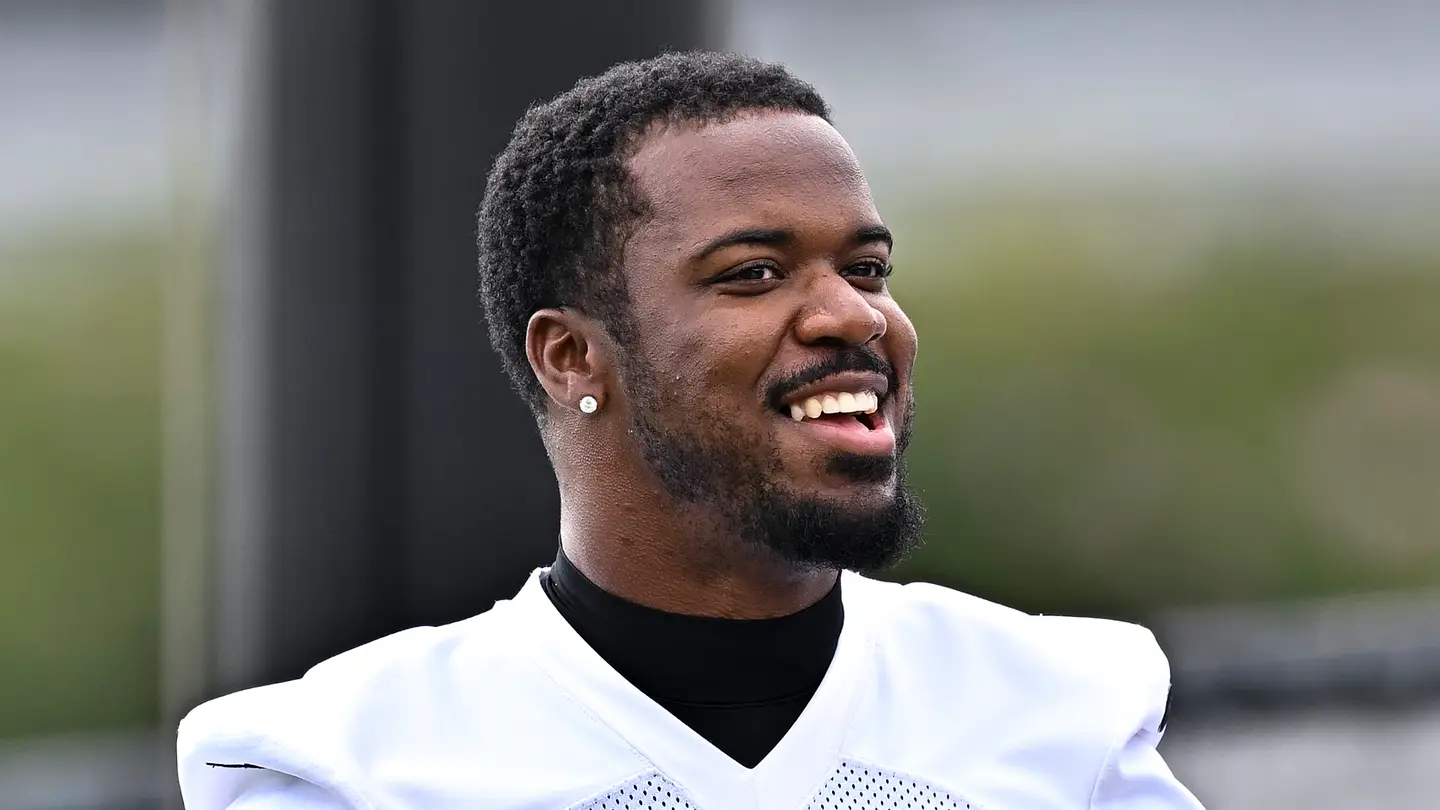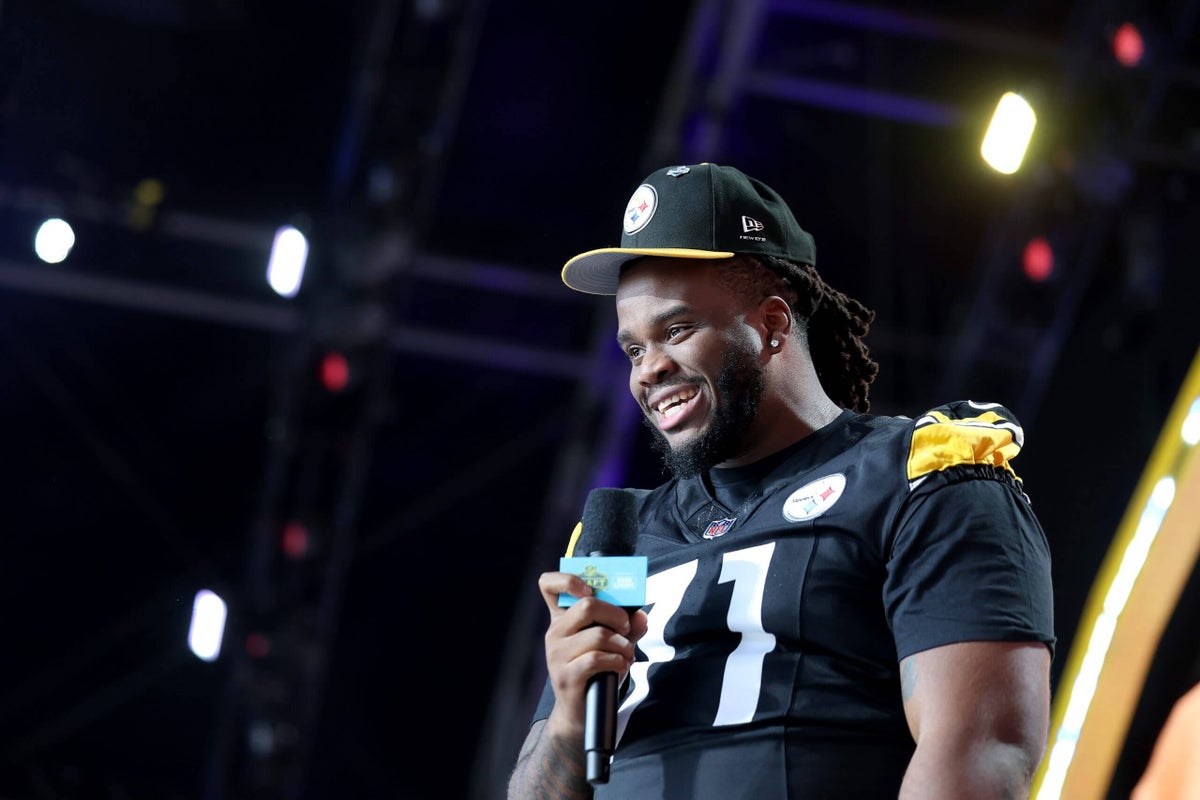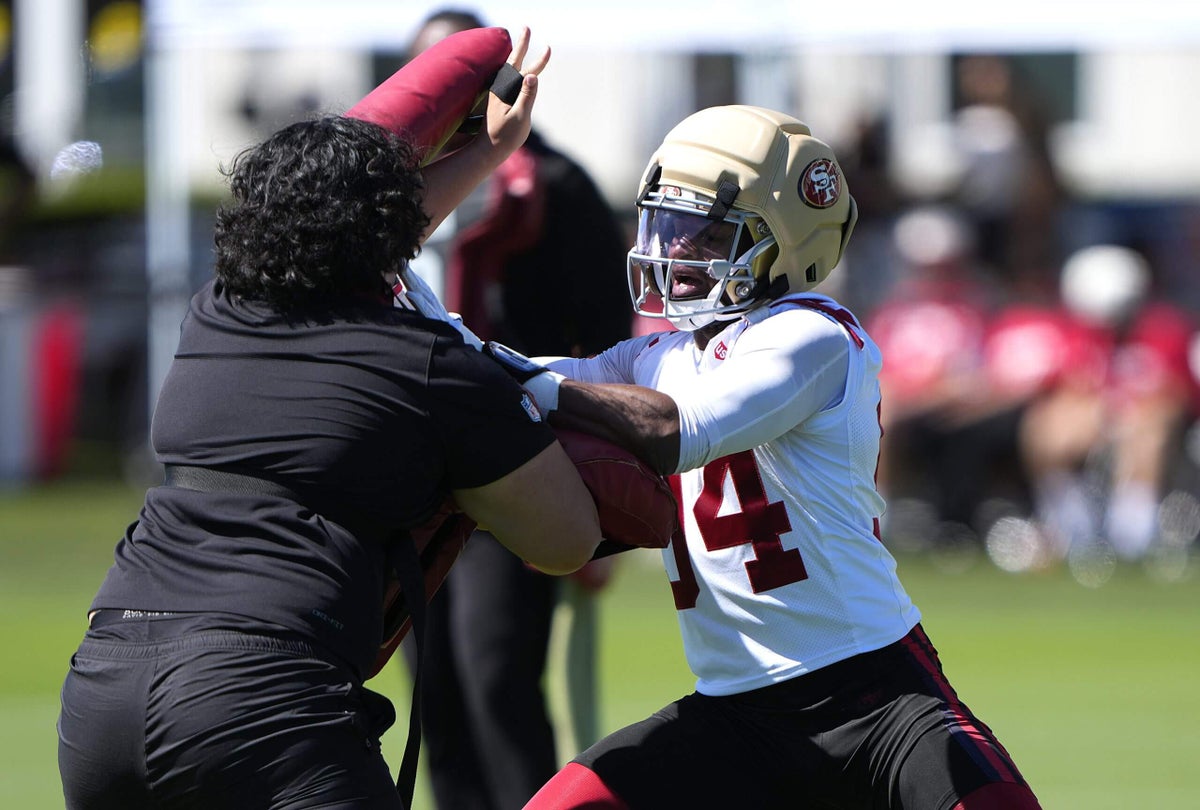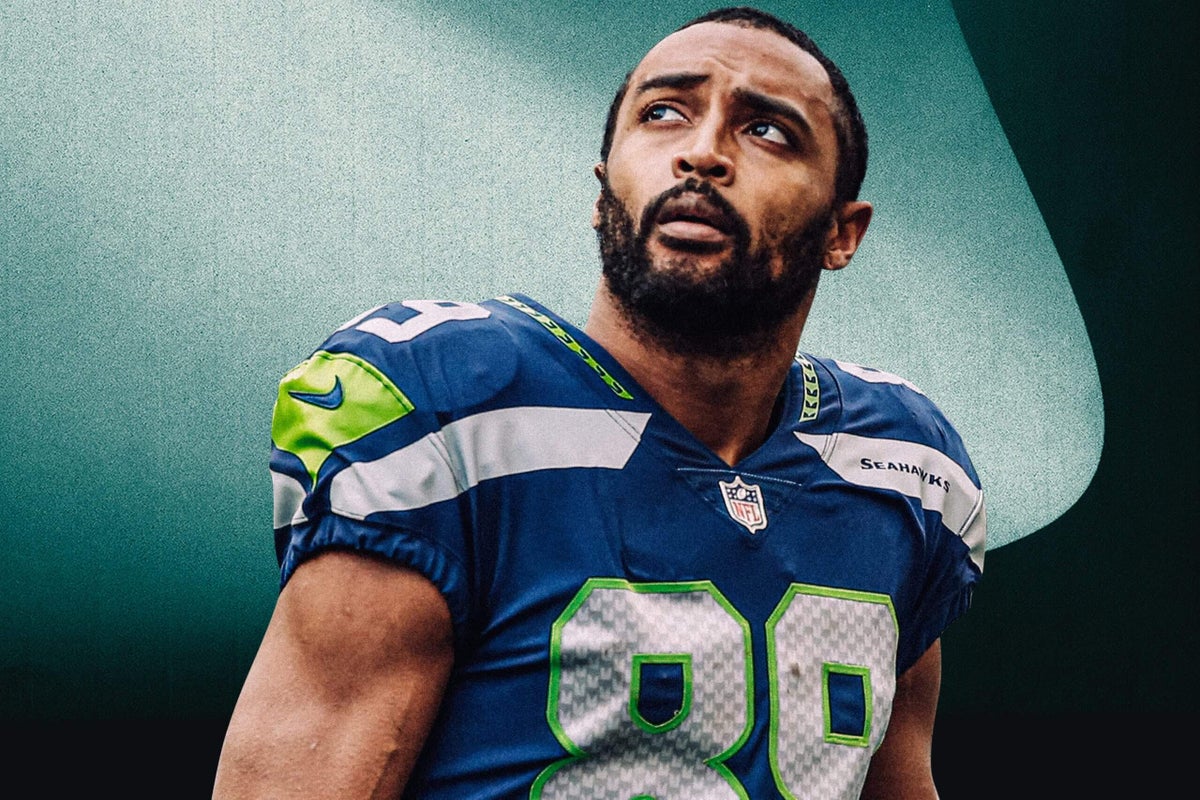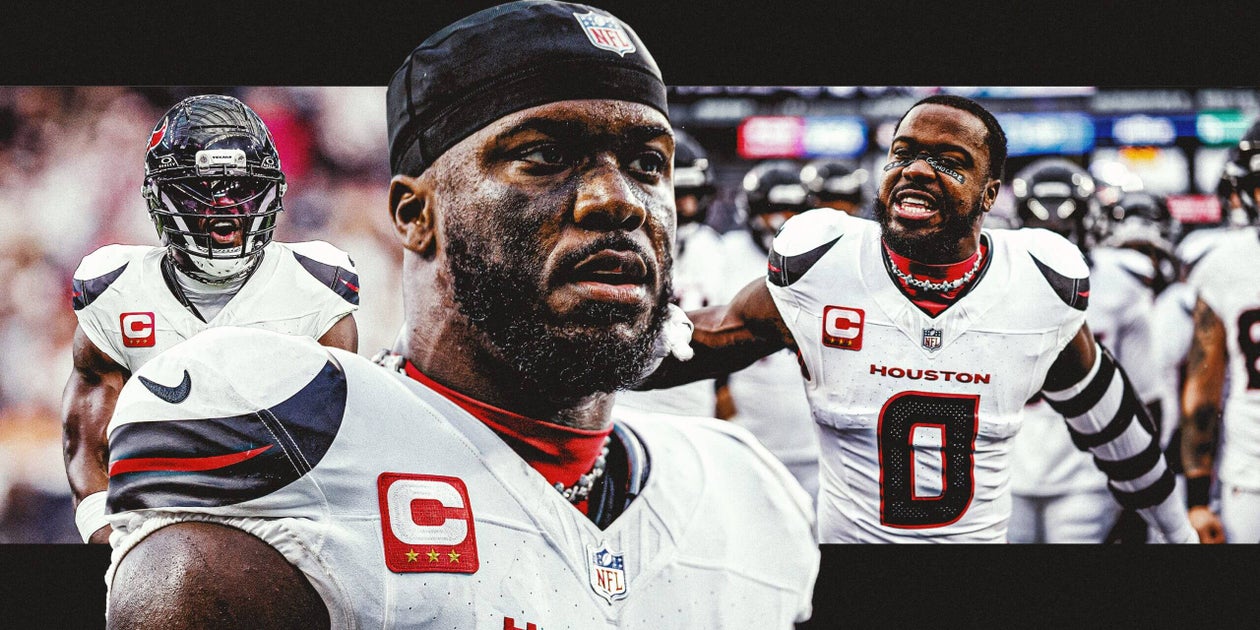
A shuttle bus took San Francisco 49ers rookies from the Santa Clara Marriott to practices in the summer of 2019.But the bus didn’t leave early enough for Azeez Al-Shaair.He had extra work to put in and lofty goals to work toward. He told anyone who would listen that he intended to be one of the best middle linebackers in the NFL, even though a more realistic goal might have been maintaining his spot on the roster for another day. Coming off a torn ACL, he had not been drafted and the 49ers were the only team that offered him a contract.What he needed was a car to get him to and from the facility. But seeing that he had cleared only $8,000 from his signing bonus check, was 10th on the depth chart and was getting eight reps a week, he didn’t think buying a car was a great idea. He asked his position coach, Johnny Holland, to take him to Walmart to buy a bike.He found one with no gears for about $150 and rode it to work and back, the long-shot outsider.Belonging? Validation? For most of his 28 years, Al-Shaair never knew them.But this spring, nearly seven years after he bought that bike, he stood before the media — his mother, Naadhirah Lennon — teammates and co-workers at NRG Stadium, thanking this person and that for their support that led to a three-year, $54 million contract with the Houston Texans, reflecting on being a Pro Bowler for the first time, and describing what it means to be the Texans’ nominee for the Walter Payton NFL Man of the Year Award.And finally, no apologies were necessary.He talked about those early days in San Francisco, when he wasn’t expected to do much other than bring tater tots to a veteran linebacker every day. But Al-Shaair did much more, leaving such an imprint that the chair he occupied in the linebackers meeting room in Santa Clara — back row on the left — still is referred to as “Azeez’s seat,” and Tatum Bethune, who sits in it now, often is reminded he needs to represent the seat with honor.Long after Al-Shaair left the 49ers, the bike remained parked on a rack outside the entrance to the team’s offices — a reminder to every player walking by that it’s not about how you start.Survivor of years of making his bed on the floor, a stomach growl that wouldn’t go away, bullying, racial discrimination, religious bigotry, suspension and depression, Al-Shaair went through fire to get where he is.Literally.Al-Shaair’s father went his own way when Azeez was 10, leaving his mother to support him and his seven siblings. Along with two of his nieces, they were living with his grandmother when a fire alarm went off early one morning. Suspecting burnt eggs, Al-Shaair, who was 12 at the time and the oldest person home, ignored the whoops for a bit. The smell of smoke finally made him take a look. In the kitchen, beyond the thick black haze, he saw orange and red. His older sister had been cooking breakfast and forgot to turn off the stove before leaving for work. He poured water on the flames, but that made them angrier — it was a grease fire.He woke his two younger brothers and shepherded them outside, then went back for his 2-year-old niece. From the sidewalk, they watched their security turn to ash.Azeez Al-Shaair (center back) with his mother, Naadhirah (center, seated), and six of his seven siblings. (Courtesy of Azeez Al-Shaair)The smell stayed on his clothes for months, as there was nothing any washing machine could do about it. But Al-Shaair had worse problems. His mother worked multiple jobs but didn’t make nearly enough to cover rent and sustain 11 people.Over the next six years, Al-Shaair lived in nine or 10 places by his recollection. His mom signed an apartment lease knowing she couldn’t write the check, but it was a way to get a place to lay their heads until their delinquency caught up with them and an eviction notice was served. There were Section 8 apartments, one-room motels and homes of relatives, friends, acquaintances — anyone with a little space and a big heart.If Al-Shaair found an unlocked bicycle, he rode it to a pawn shop and used the proceeds to feed his family. Wearing his football uniform, he walked the streets with his helmet upside down, asking for donations for his team. Then he used the collections for dinner, which at other times consisted of the Cheetos and Kit Kats he slipped into his pockets or under his shirt when no one was watching at Dollar Tree.At school, he was hectored because of his shabby wardrobe. The sport he was drawn to, though, gave him an escape.“Football wasn’t about what you looked like,” he says. “It wasn’t about what cleats you wore or your clothes. Not about, ‘He’s Black.’ ‘He’s poor.’ ‘He’s Muslim.’ Nobody cares. Did you make the play? Did you not? And that’s where my love for football came because I didn’t have to worry about being judged by what was superficial.”He didn’t realize it then, but something was forged in his emptiness and desperation.Nick Caley was the secondary coach at Florida Atlantic and assigned to recruit the Tampa area in 2014. At the first practice he watched at Hillsborough Hill, he couldn’t keep his eyes off a 180-pound linebacker/safety. Even in individual drills, he was going at it with unusual intensity and intention. Then, Caley noticed how he interacted with teammates and coaches. Everything about him was different.Caley called FAU defensive coordinator Roc Bellantoni.“Roc, you’ve got to see this guy,” Caley told him. “This dude reminds me of Ray Lewis in terms of the fire and passion.”Caley didn’t know it, but Al-Shaair had been watching Lewis play, and in him he saw what he thought he could be.Azeez Al-Shaair’s hard-hitting style earned him a scholarship at Florida Atlantic and eventually a chance in the NFL. (Jasen Vinlove / USA Today Sports)At Florida Atlantic, Al-Shaair kept playing like Lewis. As a freshman, he led his team in tackles, and as a junior, he had the third-most tackles in the country and became his school’s leader in career tackles. If his senior year was like the first three, Al-Shaair might have been a fourth-round draft pick, but he played in just six games before shredding a knee.Four and a half months after ACL surgery, with NFL scouts telling him it was too soon, Al-Shaair performed position drills at FAU’s pro day.The injury didn’t hold him back in training camp the following summer, when his over-the-top exuberance — he kept bringing teammates to the ground in drills that were not supposed to leave bruises — led 49ers coach Kyle Shanahan to threaten to cut him.Al-Shaair learned how to restrain himself in practice. In games, he is still learning to walk the line between unleashing hell on opponents while not committing rulebook sins. Over the last three years, the NFL has fined Al-Shaair eight times for $126,452. Some of those fines, he says, were rescinded or reduced. In addition, he lost $338,223 in salary from a three-game suspension for a 2024 hit on Jacksonville Jaguars quarterback Trevor Lawrence.At 6-foot-2 and 230 pounds, Al-Shaair is not a physically imposing linebacker. But he strikes like a cobra, which is fitting because his neck comes out of his shoulders like a cobra’s hood.“He has a real ability to uncoil in a short space,” Texans defensive coordinator Matt Burke says. “He does it at a high speed of approach, and that’s where you see a lot of those big collisions. That’s part of his superpower.”Al-Shaair treats ball carriers like an abstract expressionist does paint, making art of splattering.He believes the euphoria he experiences with forceful collisions is rooted in traumatic experiences. After the kind of hit that makes fans go “ooooooo,” Al-Shaair slaps his helmet.“I don’t know why I started doing it,” he says. “But I know it didn’t come from love.”His objective is never to injure, he says. But the speed of a football play sometimes seems a tick slower than the speed of light, and defensive players often must act without deliberation.Al-Shaair says he never saw Lawrence slide in all his 2024 games and wasn’t anticipating a slide when he braced to tackle him in the open field. But Lawrence slid, which led to the hit, a concussion, a brawl, an ejection and the fireworks. The league questioned Al-Shaair’s integrity when NFL vice president of policy and rules Jon Runyan wrote him a letter and distributed it to the media that said, in part, “Your lack of sportsmanship and respect for the game and those who play, coach and enjoy watching it is troubling and does not reflect the core values of the NFL.”The messaging bothered Al-Shaair deeply and still does.“If I were to know that hitting Trevor Lawrence was going to knock him out, I would have never done that,” Al-Shaair says. “I would have just been like, ‘Take the first down.’ You think it was worth the suspension, the persecution and the judgment, let alone seeing somebody else be knocked out cold on a football field? I want to win, but I don’t want to see nobody get hurt at the cost of me winning.”The United Way is a charity of personal significance to Al-Shaair because it helps families facing the kinds of struggles his family did. He learned of his suspension shortly before he was scheduled to speak at a United Way event at NRG Stadium. He was distraught but carried on. Then, during his speech in front of more than a hundred people and television cameras, his armor fell.A tear trickled, which led to “boo-hoo crying,” he says. Respectfully, they stopped the cameras from rolling.For the next five days, he didn’t leave his home and ate less than he had when he had no money for food. Keyboard warriors fired racist and Islamophobic arrows. Al-Shaair wondered if he could build himself back up to play again.He began the 2025 season in fear that he would meet a quarterback in the open field who would create indecision. “Every play, I was like, ‘God, please don’t let this guy run, and if he runs, please don’t let me be anywhere near him,’” he says.This 2024 hit on Jaguars quarterback Trevor Lawrence cost Azeez Al-Shaair $338,223 in salary and a three-game suspension. (Nathan Ray Seebeck / Imagn Images)The Texans’ eighth game of the season was a turning point. Texans quarterback C.J. Stroud tried to run for a first down, and Denver Broncos cornerback Kris Abrams-Draine found himself in a situation like the one that got Al-Shaair in trouble. He nailed a sliding Stroud and a flag was thrown.Al-Shaair sought out Abrams-Draine, who he says was near tears. As Al-Shaair tried to comfort him, officials picked up the flag. Abrams-Draine was not ejected or suspended. He says an official told him they had been instructed to give defenders more leeway after the fallout from Al-Shaair’s episode.Al-Shaair began playing like himself again.“I got to the point where I said: I know what my intentions are and God knows what my intentions are, and I don’t have to prove them to anybody,” he says.The week after the hit, Texans general manager Nick Caserio began a pre-scheduled news conference with an unprompted defense of his middle linebacker, saying, among other things, that the wording of Runyan’s letter was “b——-,” and that Al-Shaair “represents everything we want this program to be about.”Caserio was one of many in the organization, including owner Cal McNair, who defended Al-Shaair.“When he’s on the field, he plays the way (head coach) DeMeco (Ryans) wants the team to play,” Caserio says. “And when he’s off the field, he represents the organization the way the McNair family wants to be represented. I would say that’s kind of rare.”Whether he is giving a wide receiver a reason to go down or giving a child a reason to smile, Al-Shaair holds nothing back.“As intense as he is on the field, he’s also as intense about the community and making sure that he’s there for everyone,” says Hannah McNair, Cal’s wife.Since he’s been with the Texans, Al-Shaair has probably made more than 100 community appearances. The next time he turns down an invitation to help a charity might be the first.His involvement with HEAL Palestine introduced him to a young girl who witnessed her brother killed in an explosion and another with shrapnel lodged in her face who was missing a leg because of a bomb. That’s why, during the Texans’ playoff game against the Pittsburgh Steelers in January, he wore under-eye stickers that read “STOP THE GENOCIDE.”He was OK with the NFL’s $11,593 fine and the controversy that followed.“It’s not Muslim versus Jewish versus Christian,” he says. “Like, bro, we’re talking about human beings. Talking about children. The least I could do was shed a light on the forgotten people that we overlook every day.”Hannah says Al-Shaair sees value in everyone he encounters. His default mode is non-judgment. Burke says there isn’t a person in the organization who doesn’t feel they can ask Al-Shaair for a favor.“He’ll sit and talk to the janitors or the chefs or the accountants,” Cal says. “He has a personal touch as opposed to just being at work.”During Al-Shaair’s first training camp in Houston, he teased one of the water boys, as he often does. They connected — both were considerate, soft-spoken mama’s boys, and the water boy, who was 11 at the time, also played linebacker on his youth team. Al-Shaair gave him football tips, exchanged phone numbers and sent him instructional videos.Al-Shaair later learned the boy was Calhoun McNair — the team owner’s son. Last semester, Calhoun wrote an essay on Al-Shaair for a school project, reflecting on valuable lessons he learned from the football player.Calhoun can see what leadership looks like from Al-Shaair, whom Ryans calls the “glue of our team.” His 49ers teammates called him the “team therapist.” In his only season with the Tennessee Titans, he was elected a captain.After his first offseason practice as a member of the Texans, he walked the track alone while wearing a weighted vest. The next day, two players joined him. By the end of the offseason, 20 teammates were with him.During OTAs this year, the team captain has voluntarily attended meetings intended only for rookie linebackers.He also spoke to the entire rookie class because he remembers what it was like to be young, nervous and full of passion but not understanding. And he remains grateful that veterans such as Arik Armstead and Kyle Juszczyk taught him about playing the long game and the politics of football.Al-Shaair’s address to the class of 2026 included cautioning them that a career passes quickly. Tap into the resources in the organization, try to learn from everyone — not just teammates whose jerseys are bestsellers — and don’t be in a rush to leave the facility, he told the fresh faces. Many of them would be competing against players with long histories and short futures who are trying to provide for families while feeling more heat than ever, he wanted them to know. Their commitment, he said, affects many people beyond themselves and even their teammates — everyone in the organization and their fans are depending on them.Caley, who was reunited with Al-Shaair last year when he became the Texans’ offensive coordinator, says he raises the floor for everyone on the team by being himself.A financially secure Pro Bowler and respected leader on the Texans, Azeez Al-Shaair has reason to smile this summer. (Maria Lysaker / Imagn Images)Al-Shaair’s grandfather James Tokley Sr. is the poet laureate of Tampa.Al-Shaair sees poetry in his life’s story. It’s easy to see why.As a rookie, he had started four of the team’s last six games and then prepared for Super Bowl LIV against the Kansas City Chiefs in Miami, a short drive from his college and his hometown. A swarm of family and friends came to see him play. Then, the morning of the game, Ryans, the inside linebackers coach of the 49ers at the time, called to tell him he wouldn’t be active for the game because another linebacker was playing better on special teams. Al-Shaair’s lasting memory of his only Super Bowl is hearing the news in his hotel room and weeping.The next time he had a chance against the Chiefs was five years later in the playoffs. The previous week, Al-Shaair sprained his right knee. About 300 cc of fluid was drained in the lead-up to the game. Then, he sprained his left knee. He said he never experienced more pain in a game, and he played like it. When Chiefs tight end Travis Kelce caught a fourth-quarter touchdown pass against him that helped cinch a Kansas City victory, Kelce stared him down as he lay there.So, when Al-Shaair had his third opportunity against the Chiefs last December, the game meant more than most. With less than four minutes to go and the Texans protecting a seven-point lead, Patrick Mahomes threw a deep ball to Kelce, who bobbled it. Al-Shaair grabbed it for a redemptive, game-clinching interception.His experiences against the Chiefs are further affirmation that he has graduated to another dimension.“I feel I’m in a completely different place now,” he says.But he doesn’t want to stay where he is. The objective is to see how much better he can be. Since signing his contract, Al-Shaair has worked as hard as any player on the team, according to Caserio.With his new bank, he didn’t make a splashy purchase. He wrote some checks with a lot of zeros, but they were made out to his favorite charities.He took a humanitarian trip to Jamaica over Memorial Day weekend and wore some of his old jewelry but then felt guilty about it when he learned the average monthly salary in the area he was visiting is $400.The jewelry has been in a drawer since.To him, a size-11 pair of Jordan slides is more meaningful.They were given to him by his sister’s boyfriend when he was a kid. When Al-Shaair ran from the fire, he was wearing those slides, even though they were three or four sizes too big.These days, those slides are displayed in a trophy case in his home office, a reminder that it’s not about how you start.
Hard-hitting Texans star Azeez Al-Shaair went through fire to get where he is
Al-Shaair overcame poverty, bullying, racial discrimination, religious bigotry, suspension and depression on his way to NFL stardom.
3,072 words~14 min read