Everybody knows that strength training is good for you. But even with the best of intentions, life can get in the way.
I know this first hand. In 2024, I spoke to a seemingly endless parade of experts emphasising how good it is for you, and was successfully corralled into training three times a week for nearly a year. But various surgeries, injuries, and general life has got in the way since – until May 2026, when I became determined to get my strength back.
Previously, I used apps like Hevy or Nobs to get to grips with the basics of lifting: squat, bench press, deadlift and so on, in the gym on my own. I could tell I was getting stronger, but I wasn’t making any huge gains. My improvements, even as a beginner, were incremental. I’d had a vague goal of being able to lift my bodyweight (a key benchmark for novice lifters, mine being 73kg) in my first year of lifting but I’d never managed to lift more than 45kg in a deadlift.
Shorts
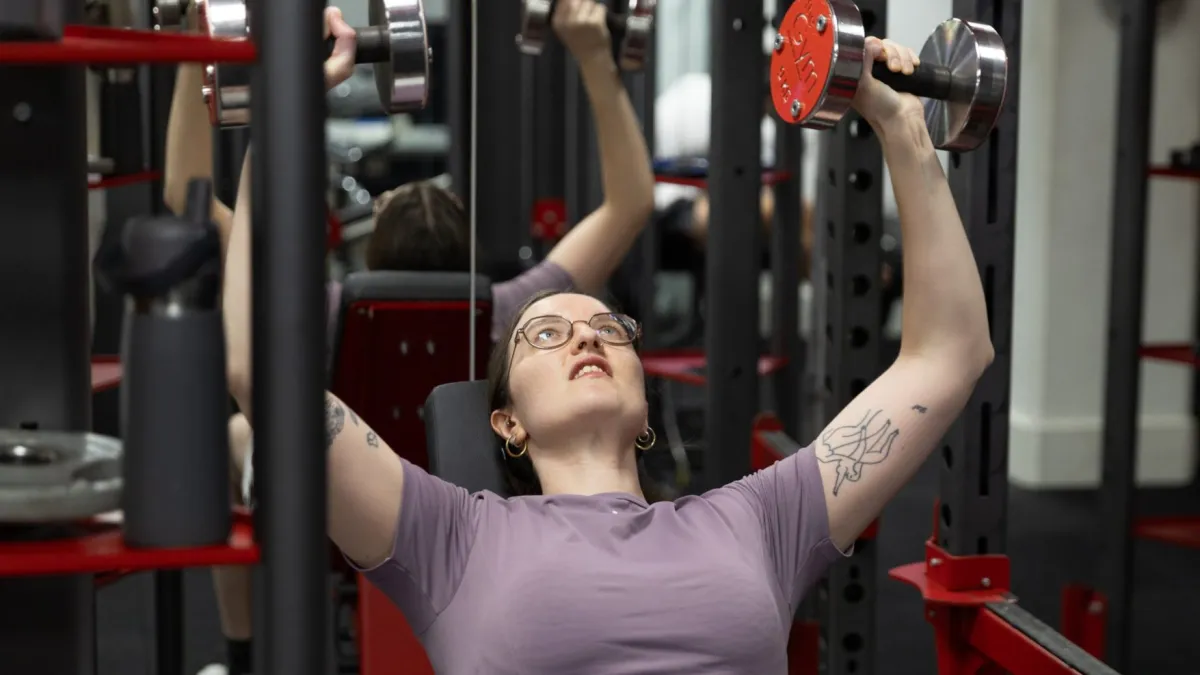
This time, I chose to follow the advice of a recent interviewee, Elizabeth Davies, who advocates for “training for your old lady body” and recommends progressive overloading. This established lifting approach involves doing the same movement each day, every week (squats on Mondays, bent over row on Thursdays, and so on) while each week adding on to the load – either doing more reps, adding on more weight, or slowing down the movement. This process not only helps cement good form, it can also, in theory, lead to dramatic gains in strength.