After nearly six years of steady improvement, Indonesia’s food insecurity has started to rise again.
Applying the Food and Agriculture Organization (FAO)’s Food Insecurity Experience Scale, we estimate that the share of food-insecure Indonesians rose from 8.7 percent in 2024 to 10.4 percent in 2025, or roughly 29 million people. However, the entire rise came from the mildest form of insecurity, while moderate and severe insecurity continued to fall to their lowest levels in six years. This is a story of rising worry, not rising hunger.
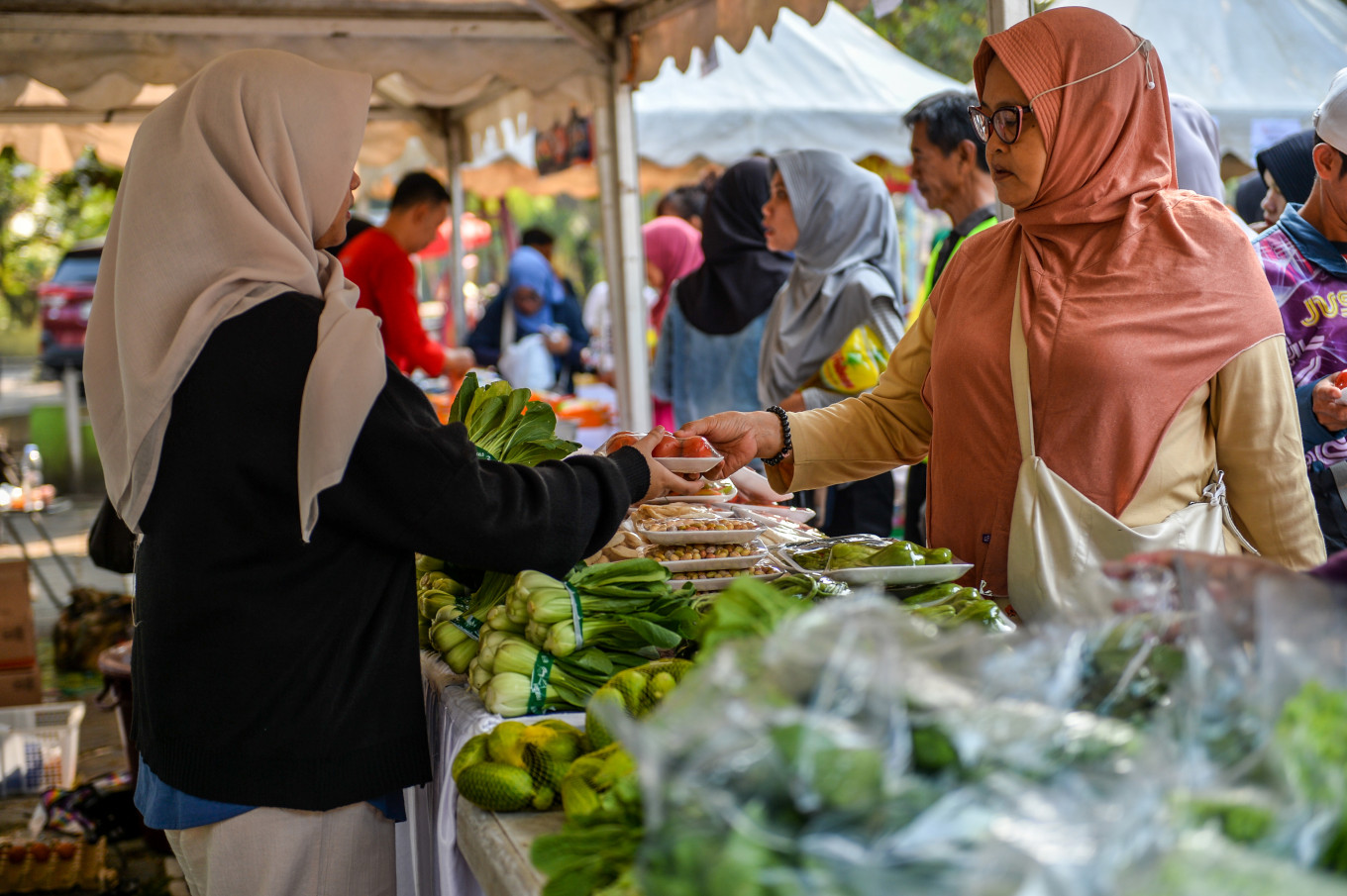
The pattern reflects pressure on household purchasing power rather than a real shortage of food. Volatile food prices jumped 6.2 percent year-on-year in 2025, up from just 0.1 percent a year earlier. When food prices rise faster than household income, families often cut back on the quality and variety of their food before they cut how often they eat.
This is exactly what the data suggest: more families grew anxious about affording enough food, while the most severe hardship, skipping meals or going a whole day without eating, kept easing. The burden, however, is not shared evenly. Food insecurity rises sharply as incomes fall. Against a national rate of 10.4 percent, it climbs to 15.4 percent among vulnerable households and 25.3 percent among the poorest, who suffer the most.