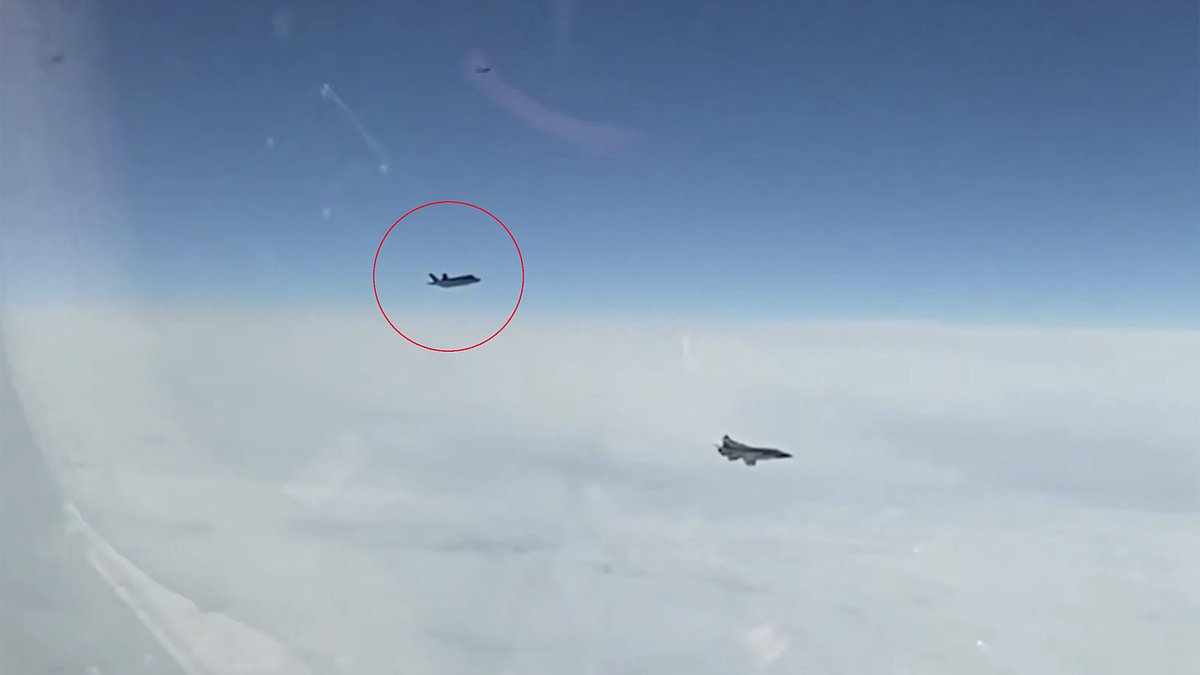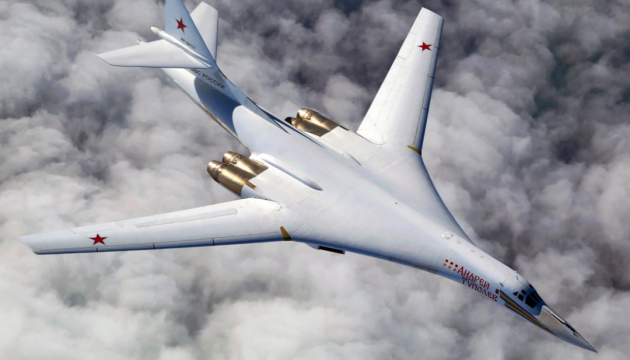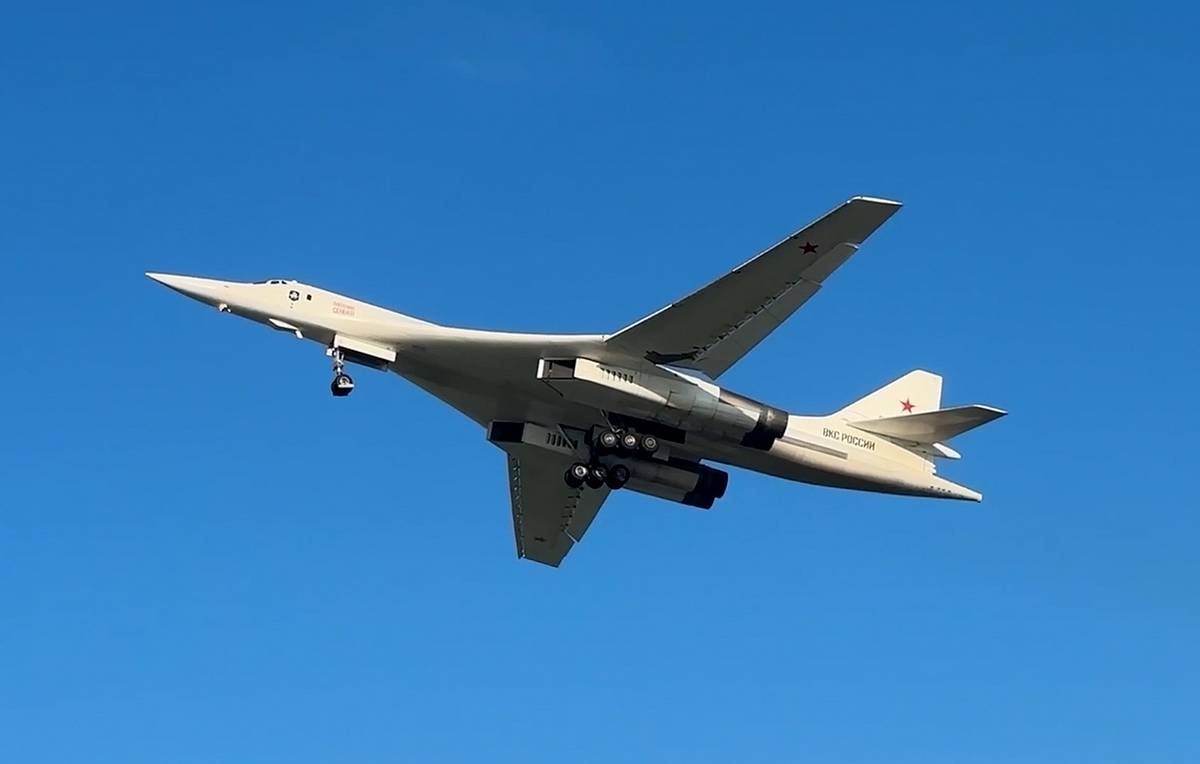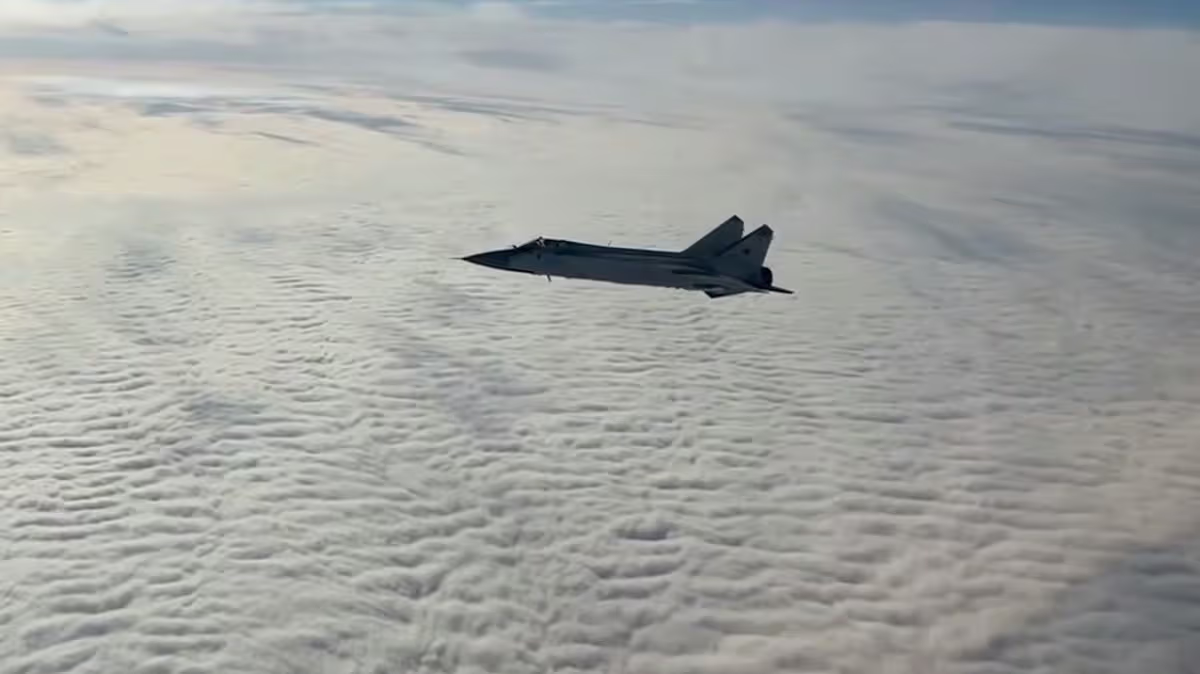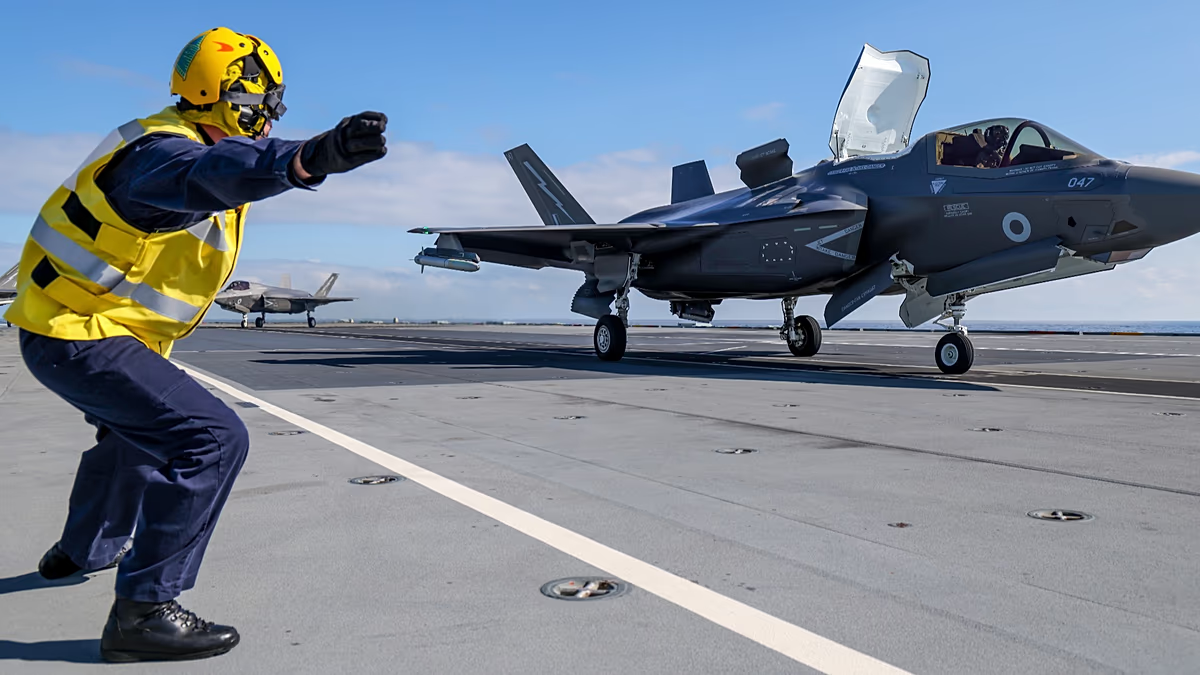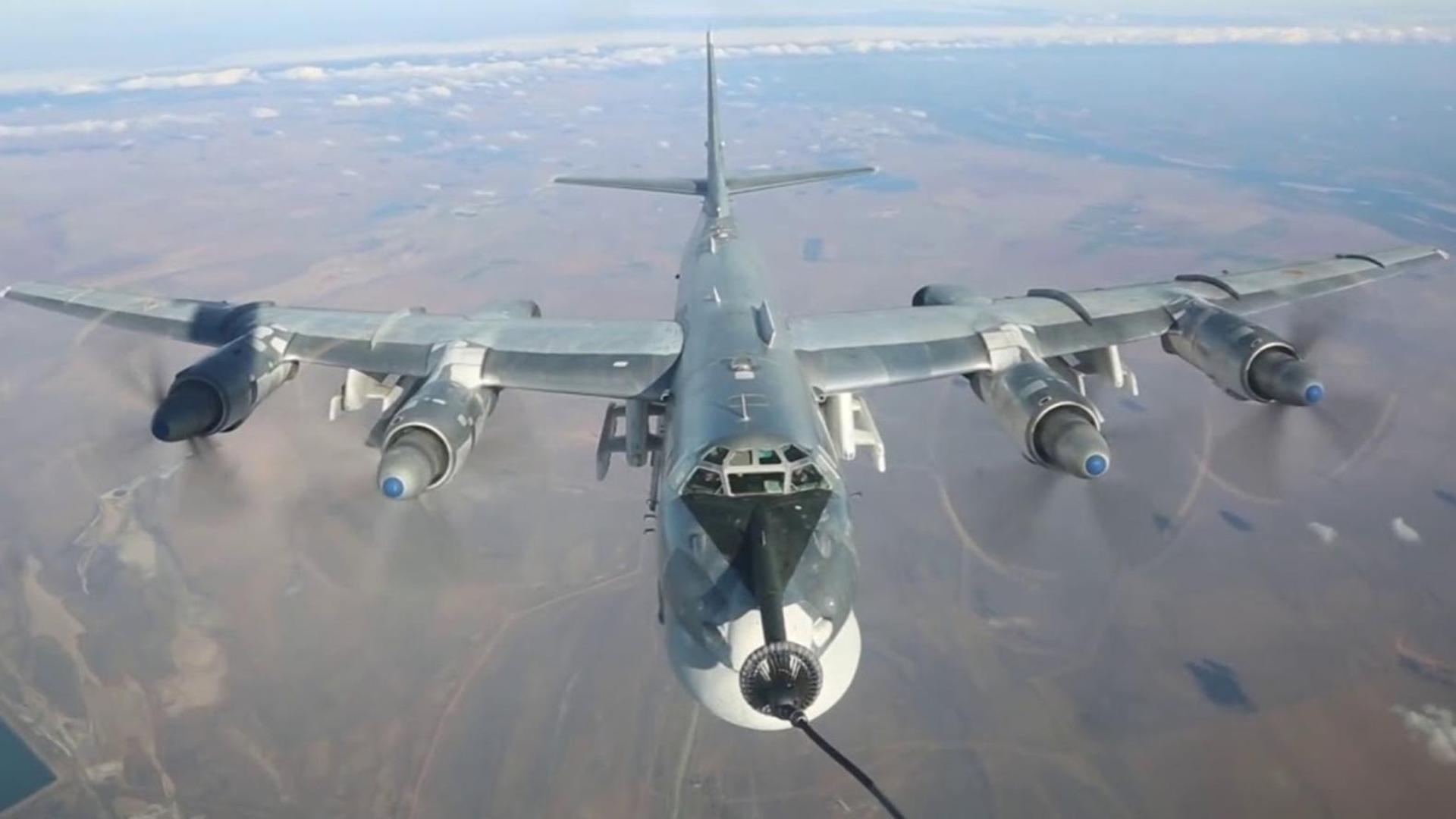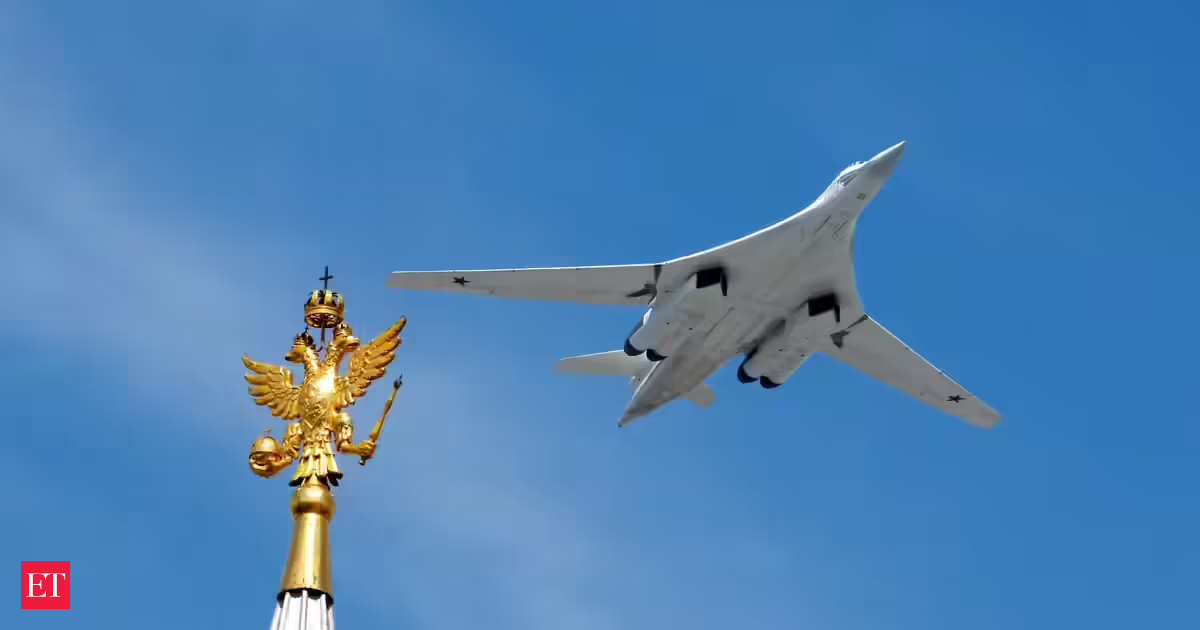
Norway sends F-35 jets to intercept Russian nuclear-capable bombers and MiG-31s over Barents and Norwegian Seas during 16-hour Arctic patrol; watch the aerial confrontationSynopsisRussian nuclear-capable bombers, the Tu-160, completed a 16-hour patrol over the Barents and Norwegian Seas, prompting a response from Norwegian F-35 fighters. The mission, featuring aerial refuelling and MiG-31 escorts, highlights ongoing military activity and heightened tensions in the strategically vital Arctic region. Both sides reported no unsafe encounters, but the event underscores constant monitoring of military movements.ReutersA Tu-160 heavy strategic bomber Russian strategic aviation has once again drawn NATO's attention in the High North after a pair of Tu-160 nuclear-capable bombers conducted a lengthy patrol over the Barents and Norwegian Seas, prompting a response from Norwegian F-35 fighter jets.Footage released by Russia's Ministry of Defence shows key moments from the 16-hour mission, including Tu-160 bombers flying over the Barents and Norwegian Seas, cockpit operations, and an aerial refuelling exercise that extended the aircrafts' endurance. The video also features MiG-31 interceptor escorts accompanying the bombers during the patrol.One of the most notable scenes shows a Norwegian F-35 fighter jet flying alongside the Russian aircraft after being scrambled to identify and monitor the formation. The footage concludes with the bombers landing after completing the lengthy Arctic mission.— RT_com (@RT_com) Norway's fleet of fifth-generation F-35A Lightning II fighters routinely conducts Quick Reaction Alert (QRA) missions from Evenes Air Station in northern Norway. The aircraft are tasked with rapidly responding whenever Russian military aircraft approach NATO-monitored airspace in the Arctic and North Atlantic regions.While neither side reported any unsafe encounters, the interception underscores how closely military movements are monitored in one of Europe's most strategically sensitive areas.Long-range mission included aerial refuelling Russian officials stated that the flight lasted around 16 hours and included in-flight refuelling operations, a capability that significantly extends the reach and endurance of the country's strategic bomber force.The ministry emphasized that the patrol was conducted in accordance with international aviation regulations and remained over neutral waters throughout the mission.Although Russia did not disclose the exact airfield used for the operation, The Barents Observer noted that video released by the military showed the bombers landing in darkness, leading to speculation that they may have operated from a location other than the Arctic's Olenya Air Base, where continuous daylight currently prevails due to the midnight sun.Why the Tu-160 mattersKnown by NATO as the "Blackjack," the Tupolev Tu-160 remains Russia's most capable strategic bomber and the largest supersonic combat aircraft ever placed into operational service.Designed during the Soviet era but continuously modernized, the aircraft combines long range, high speed, and a substantial weapons payload. Modernized Tu-160M variants can reportedly exceed Mach 2 and carry up to 45 tonnes of weapons internally, including both conventional and nuclear-capable cruise missiles.One of the bomber's most significant advantages is its ability to launch long-range cruise missiles from thousands of kilometers away, allowing it to strike targets without entering heavily defended airspace. Recent modernization programs have also introduced upgraded avionics, navigation systems, communications equipment, and improved NK-32-02 engines aimed at increasing efficiency and operational range.Russia has additionally resumed production of upgraded Tu-160M aircraft, making it the only intercontinental-range strategic bomber currently in active production anywhere in the world.Arctic tensions continue to growThe latest bomber patrol comes amid sustained military activity across the Arctic and Nordic regions.Earlier this month, the Russian Navy's nuclear-powered Yasen-class submarine Arkhangelsk conducted a missile launch in the Barents Sea, while Russian strategic aviation has carried out several long-range patrols near NATO territory throughout 2026.The mission also occurred shortly after NATO concluded Ramstein Flag 2026, one of the alliance's largest air-power exercises of the year. The drills involved roughly 150 aircraft operating across Norway, Sweden, and Finland, demonstrating NATO's growing emphasis on Arctic and northern European defense.As Finland and Sweden have deepened their integration into NATO structures, the Arctic has become increasingly important for both Moscow and the alliance, turning the region into one of the world's most closely watched military theaters.Read More News onRead More News on
Norway sends F-35 jets to intercept Russian nuclear-capable bombers and MiG-31s over Barents and Norwegian Seas during 16-hour Arctic patrol; watch the aerial confrontation
Russian nuclear-capable bombers, the Tu-160, completed a 16-hour patrol over the Barents and Norwegian Seas, prompting a response from Norwegian F-35 fighters. The mission, featuring aerial refuelling and MiG-31 escorts, highlights ongoing military activity and heightened tensions in the strategically vital Arctic region. Both sides reported no unsafe encounters, but the event underscores constant monitoring of military movements.
666 words~3 min read