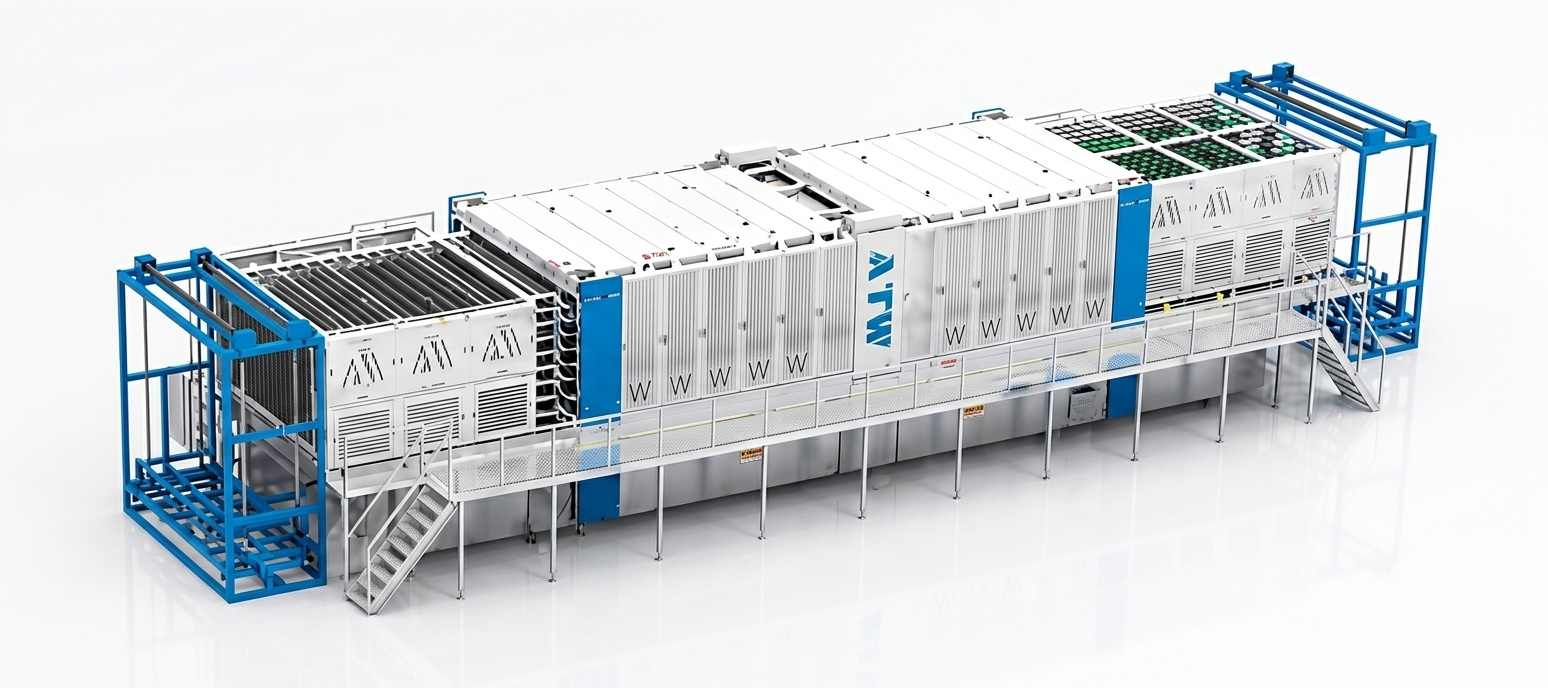
Wuxi Autowell (ATW) has launched a 1.3 GW fully integrated intelligent heterojunction (HJT) module encapsulation line built around 0BB stringing, automated layup, and energy-efficient lamination. The system targets lower-cost, low-stress HJT production by reducing silver use, enabling low-temperature interconnection, and integrating AGV-driven automation with data-based process and lifecycle support.
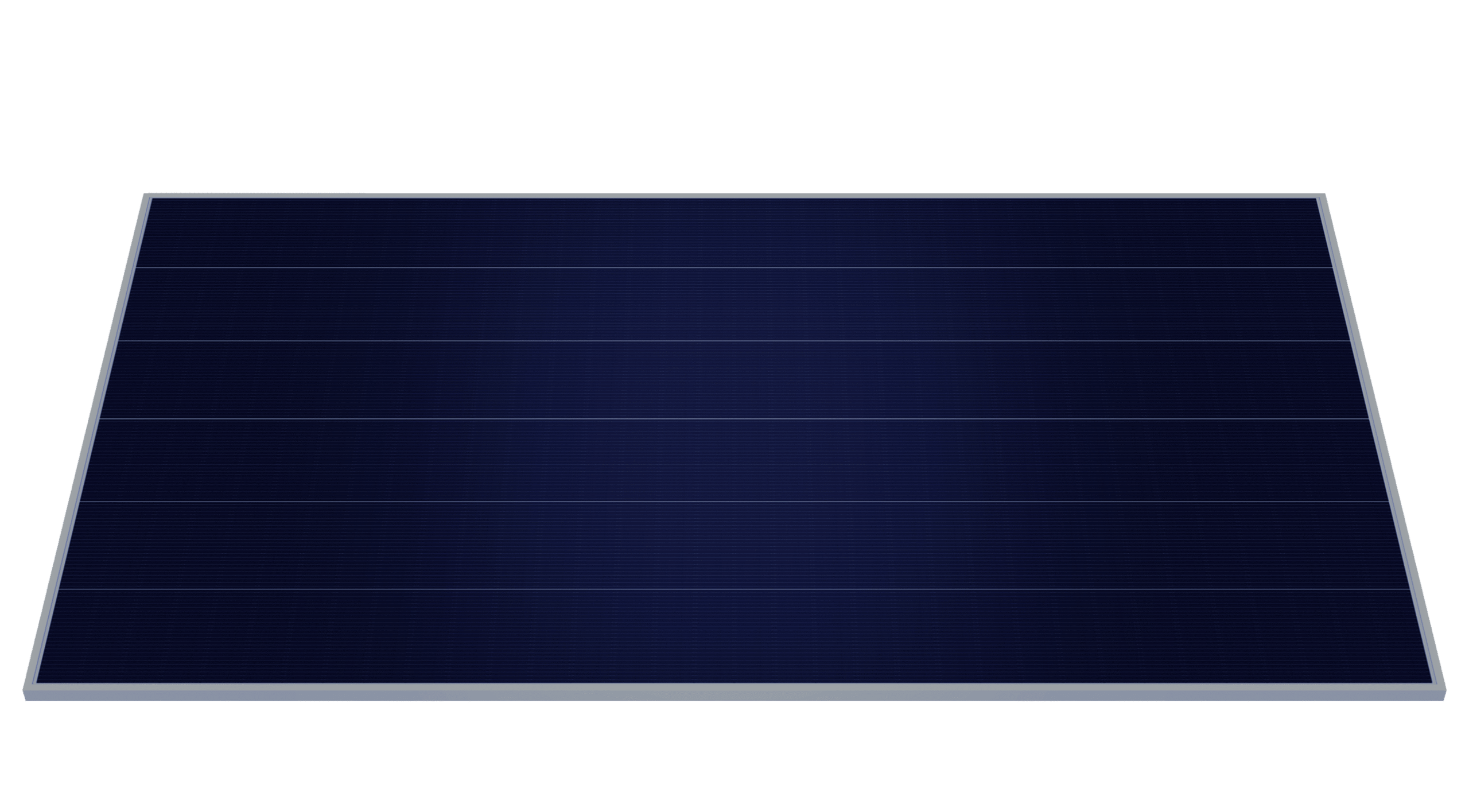
Chinese PV production equipment provider Wuxi Autowell (ATW) has introduced a 1.3 GW fully integrated intelligent heterojunction (HJT) module encapsulation solution.
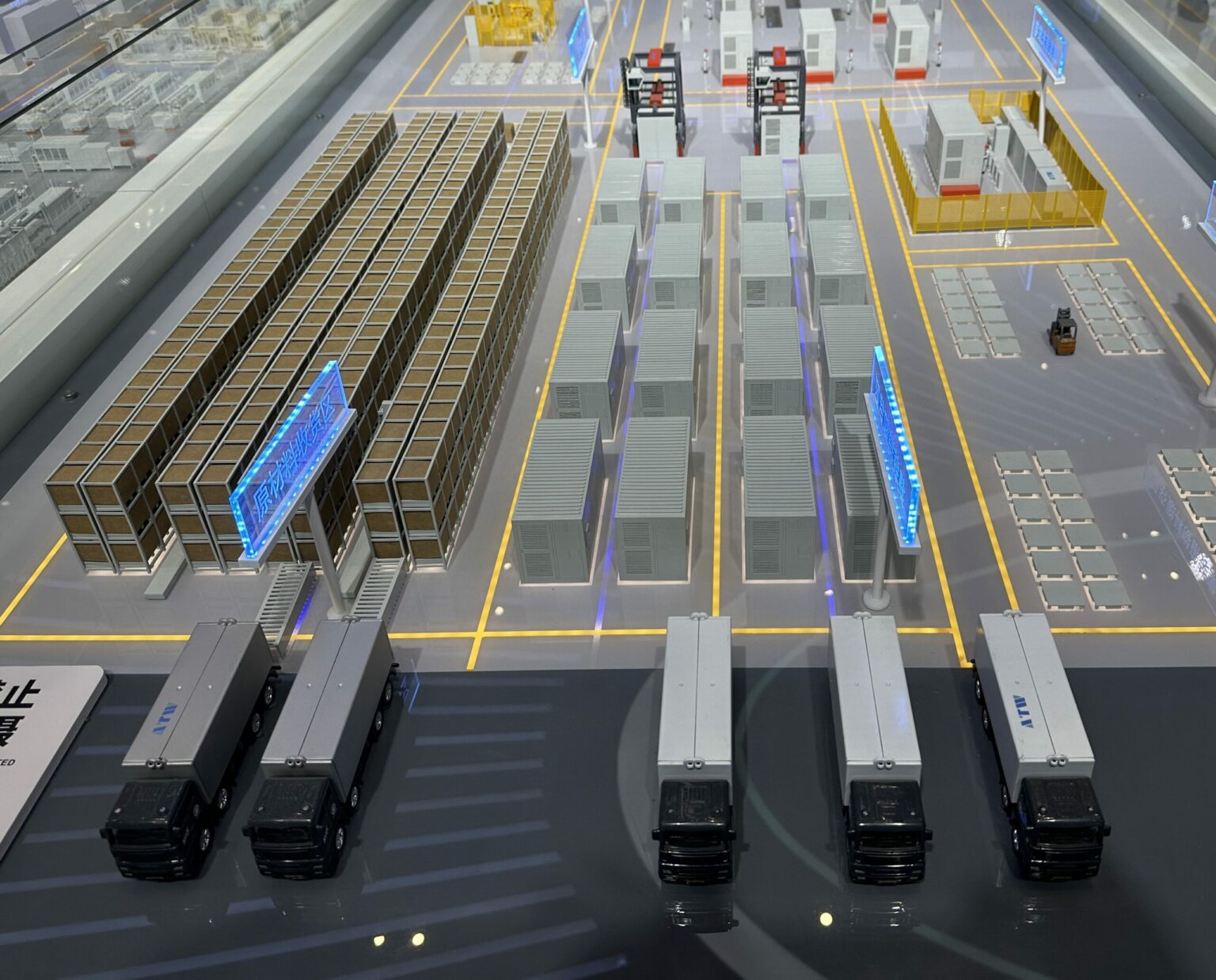
The system consists of a turnkey production line built around a proprietary set of zero busbar (0BB) stringers, automated layup equipment, and energy-efficient lamination technology. Rather than relying on fragmented, stand-alone machines, ATW proposes a fully integrated, data-driven manufacturing ecosystem designed to reduce both mechanical complexity and financial risk in HJT module production.
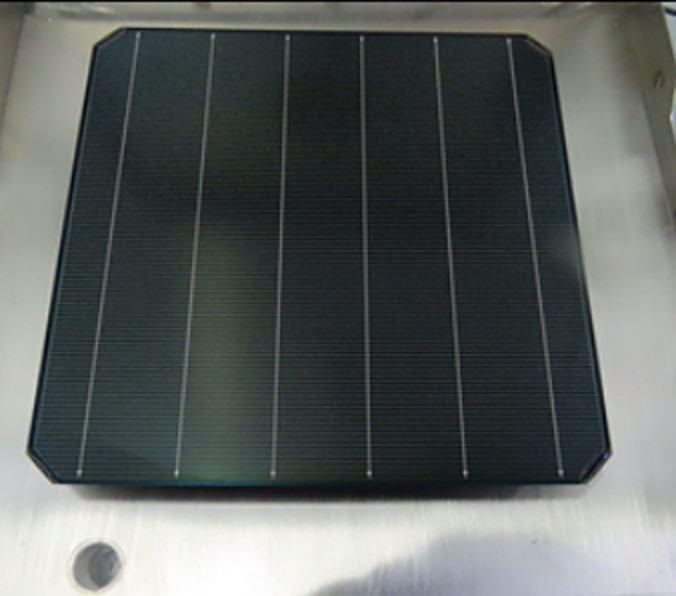
A key focus of the solution is addressing the inherent constraints of HJT cell manufacturing. Unlike TOPCon or PERC technologies, HJT cells are sensitive to elevated temperatures during interconnection processes and therefore require carefully controlled low-temperature soldering technologies. At the same time, industry trends toward thinner wafers—driven by silicon cost reduction—introduce higher risks of micro-cracks and breakage during handling. These combined challenges demand a production environment that minimizes stress on materials while maintaining high throughput.