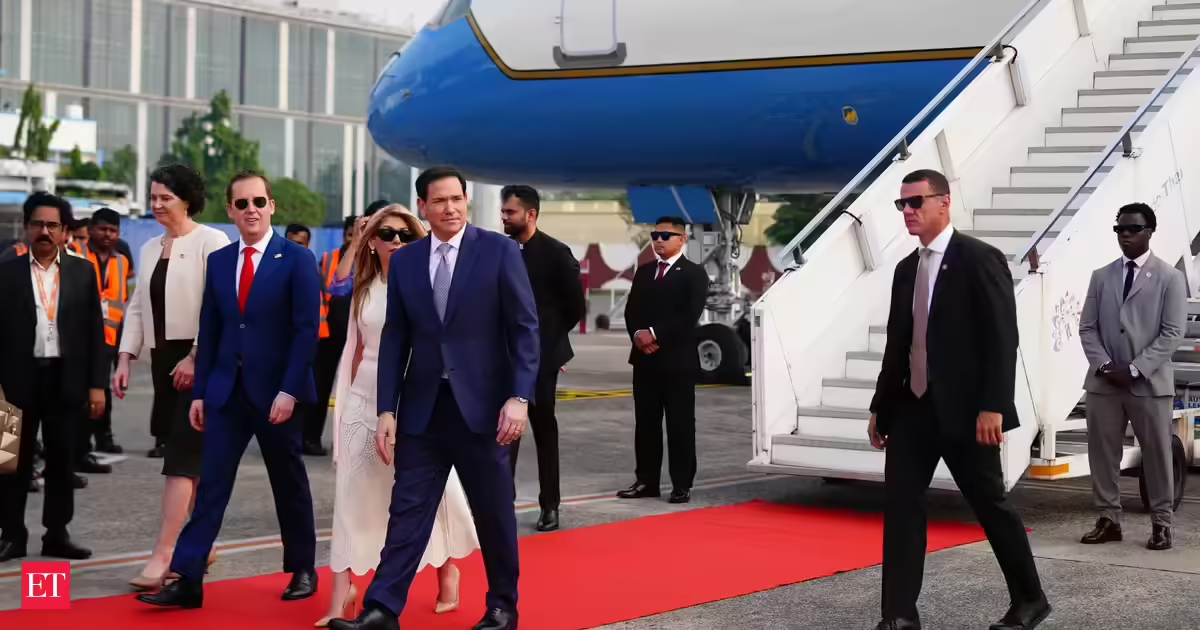
Diplomacy has many forms. From economic, cultural, and e-diplomacy to others, such as data, export, and even gastronomic diplomacy. Many of these were on display during the recent G7 meet. Last week, several world leaders gathered in France to discuss one of the most debilitating stalemates of our time, one that is making the world spin out of control.
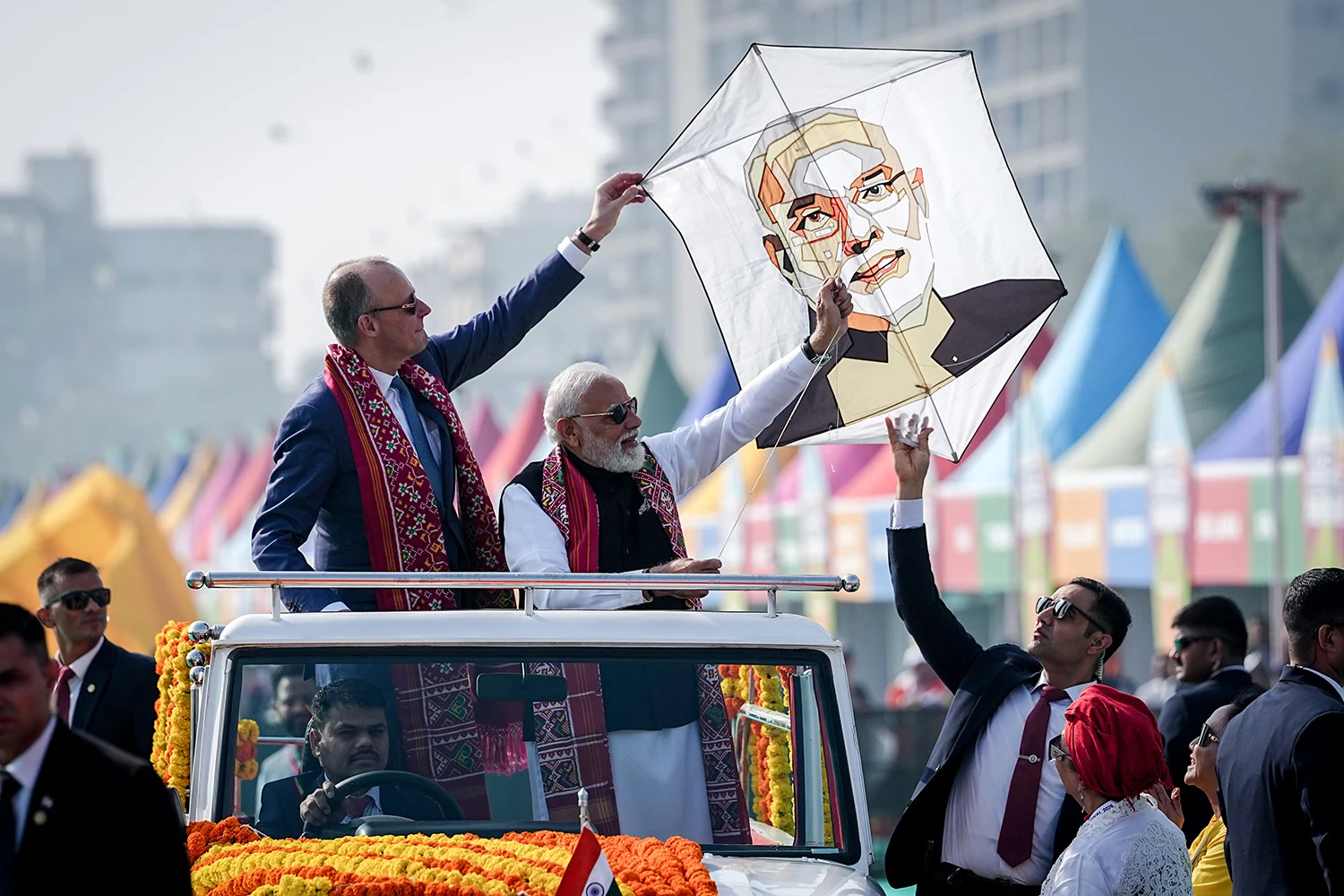
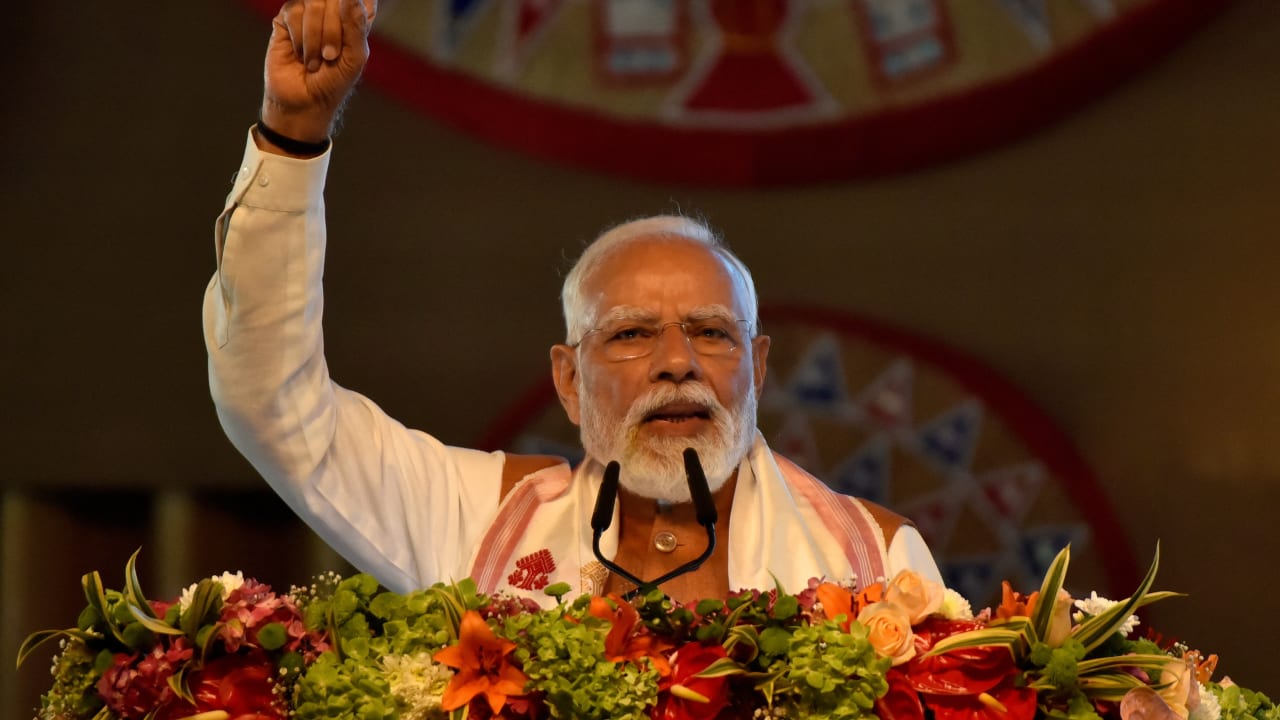
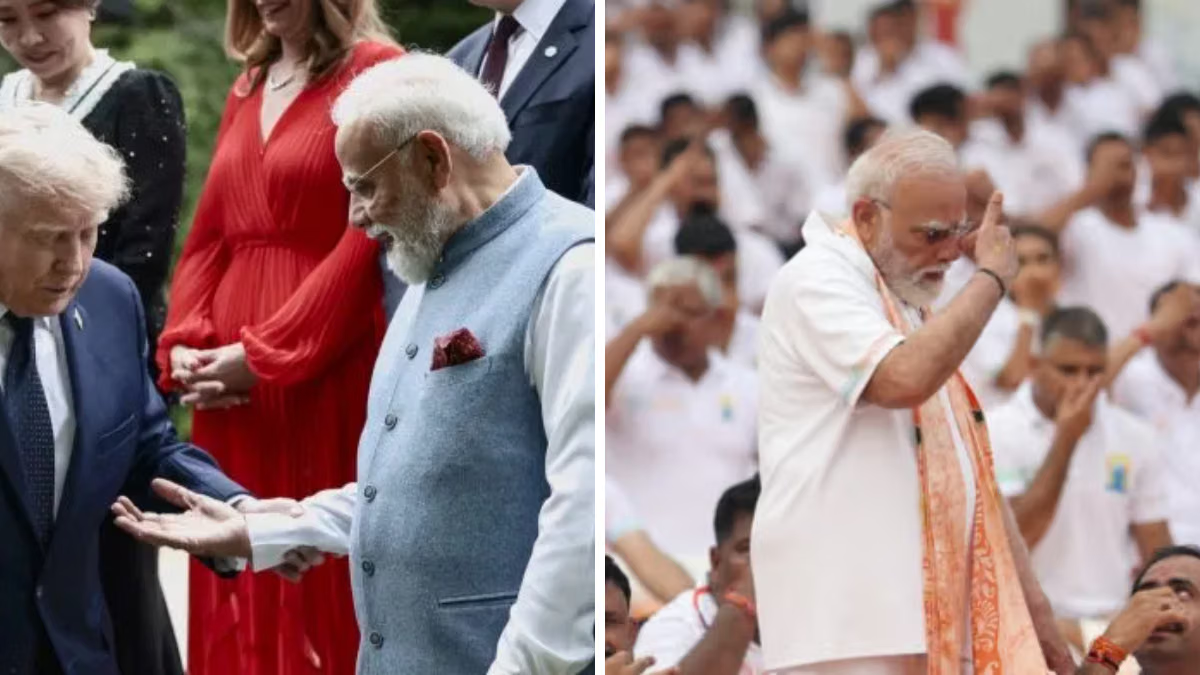
Simultaneously, the world bore witness to one of the biggest and most visible festivals of cultural diplomacy. Prime Minister Narendra Modi, throughout his 12 years in office, has ensured that India receives its much overdue global recognition for indigenous, holistic and healthcare practices and that the summer solstice is observed as the International Yoga Day. The juxtaposition of the two diplomatic events is striking. One reflected the quiet power of culture, whilst the other reflected the enduring relevance of dialogue. Together they underscored a fundamental truth—whether through soft power or statecraft, lasting influence is built by engagement, not confrontation.
As I write this, US Vice-President JD Vance would have arrived in Switzerland to further ratify the tenuous ceasefire pact signed by US President Trump in Versailles on 17 June. India at G7