New Delhi is proud of its carefully balanced ties with rival nations in the Middle East. But this diplomatic strategy might be reaching its breaking point.
India has long taken pride in doing what few major powers could manage. It bought oil from Iran, built defense ties with Israel, strengthened relations with the US and expanded economic links with the Gulf monarchies, while insisting it would not be drawn into regional camps or formal alliances.
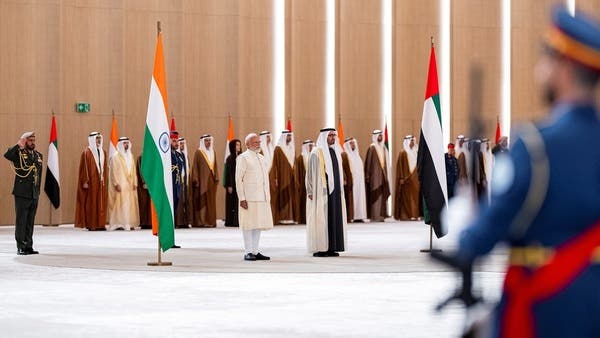
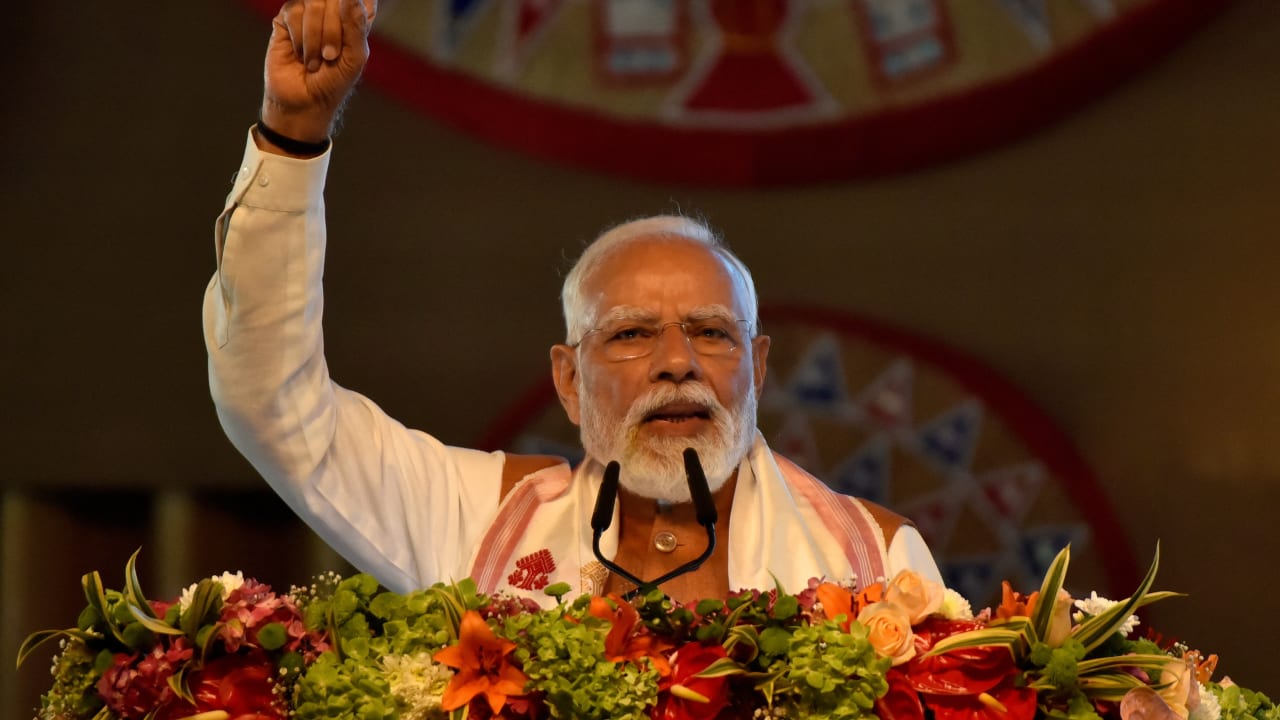
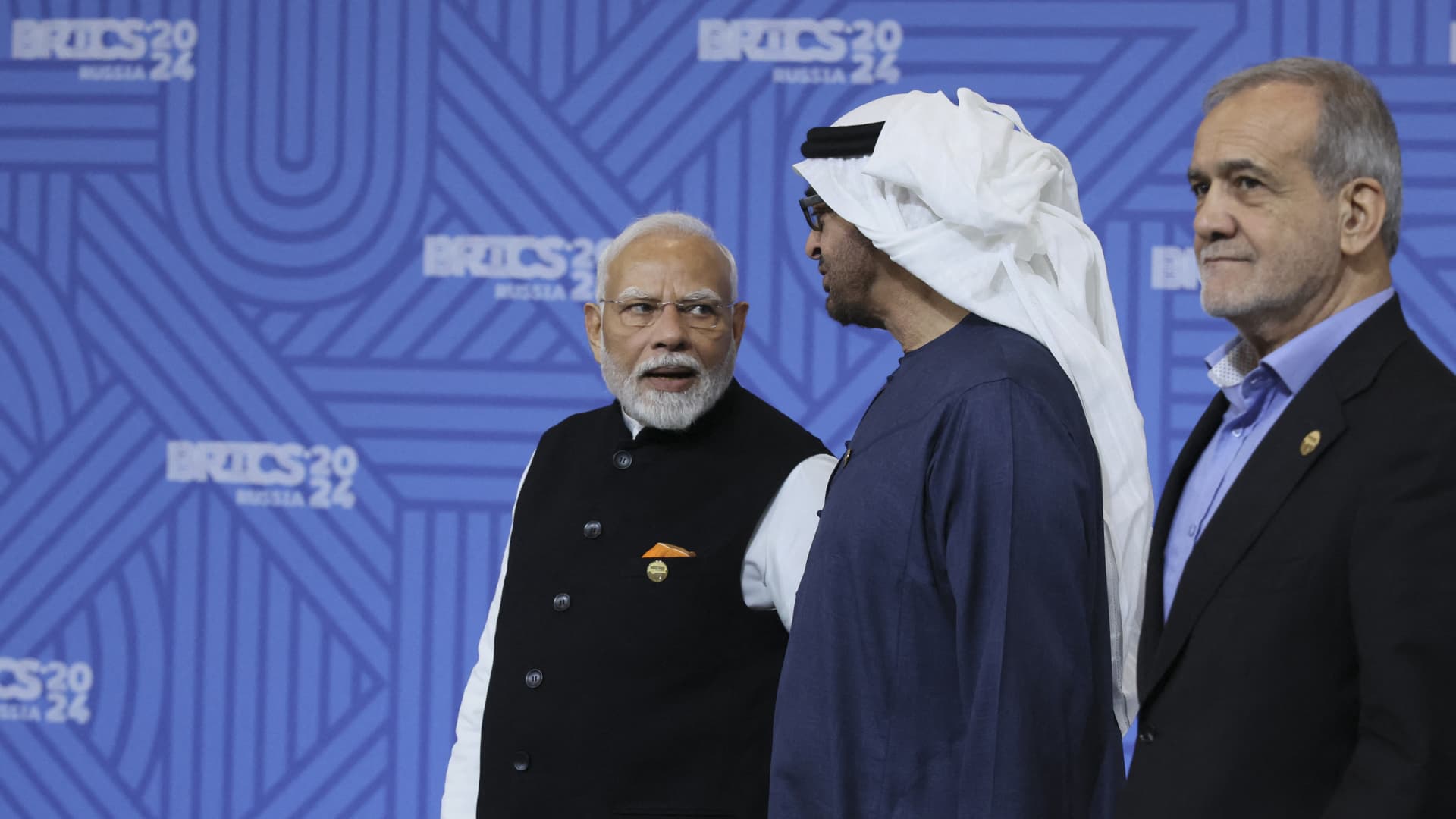
The Iran war, however, is pushing that formula to its limits. India's Prime Minister Narendra Modi seems to be feeling the pressure — he is set to embark on a diplomatic tour on Friday that will see him visit the United Arab Emirates and four European countries in seven days.
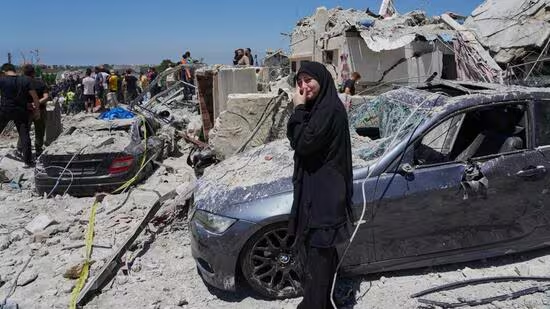
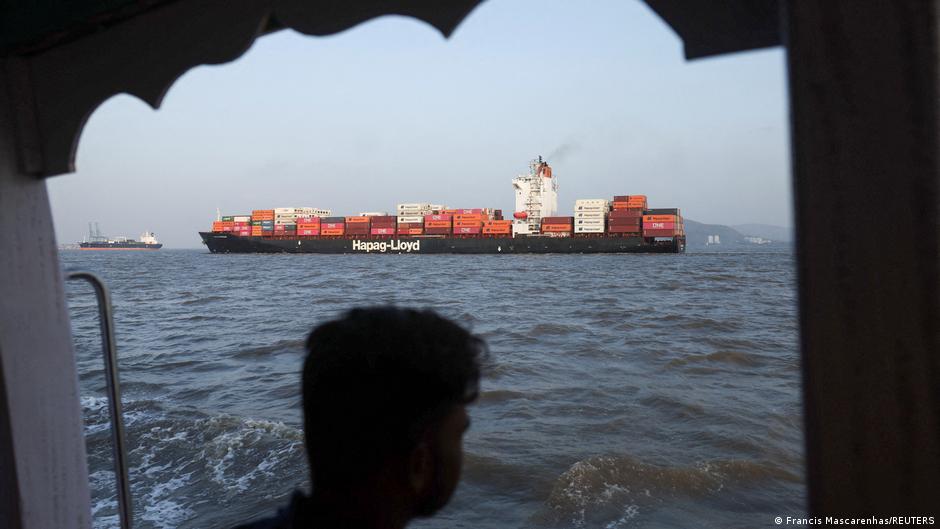
For New Delhi, the Iran conflict is more than an energy crisis unfolding in a distant region. It is a direct challenge to the core assumption behind India's foreign policy in the Middle East, namely that it can maintain its own strategic autonomy while cultivating ties with every major power in the region, irrespective of their rivalries.
Amitabh Mattoo, dean of the School of International Studies at Delhi's Jawaharlal Nehru University, says India spent decades perfecting a balancing act that was rooted in "hard-headed realism."