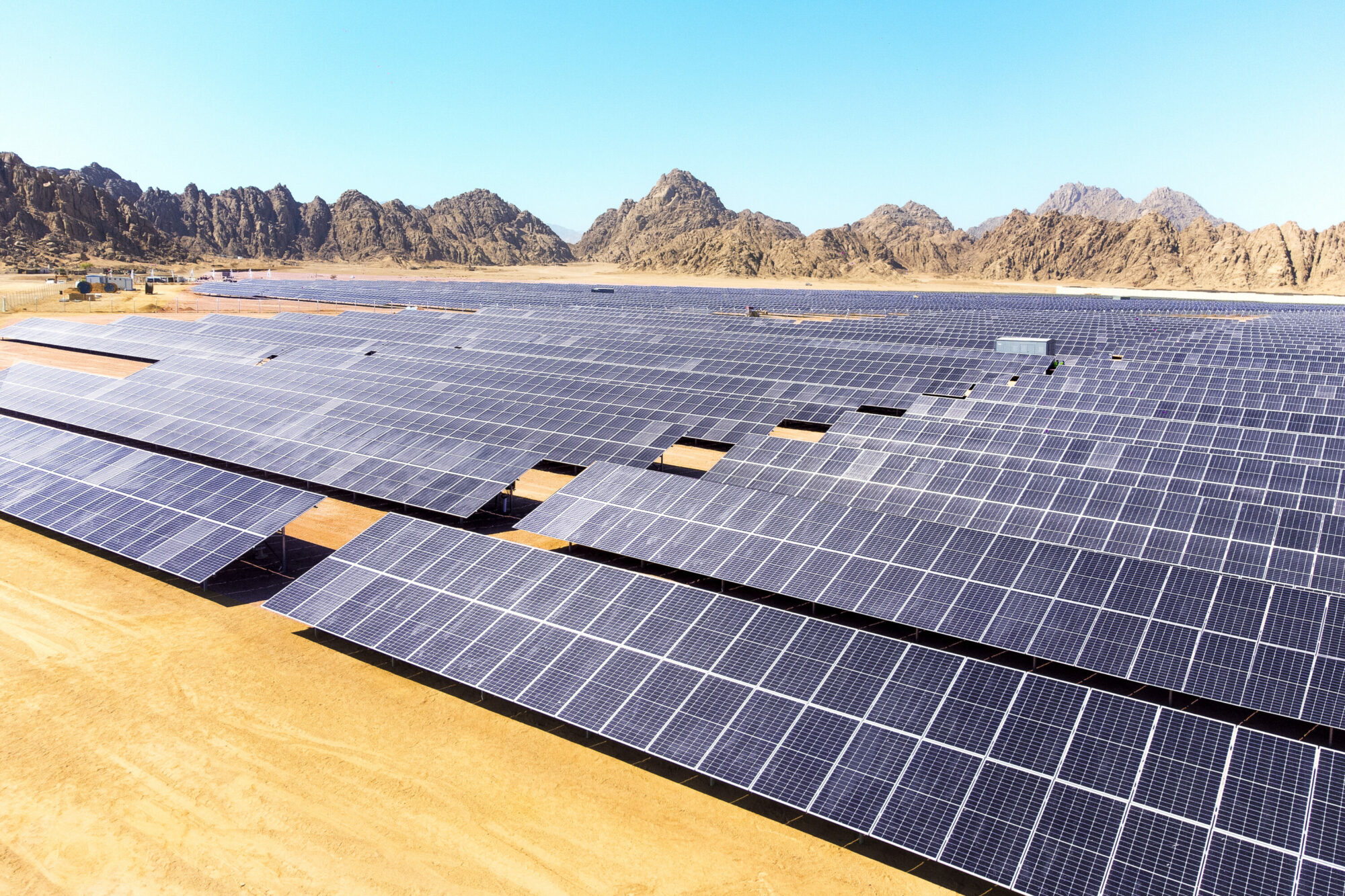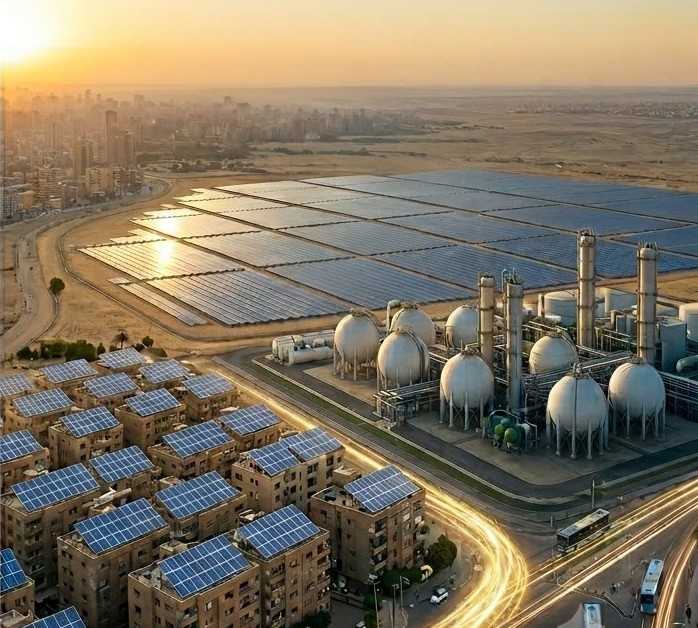
Greater Cairo is Africa’s largest megacity and one of the oldest continuously inhabited urban regions in the world. One of the earliest names of the city, Heliopolis, means the “City of the Sun”. Today, as the city faces rapid population growth and rising energy demand, that ancient connection with the sun takes on a new meaning. Could solar PV revive this connection, but this time as a cornerstone of Greater Cairo’s energy transition?
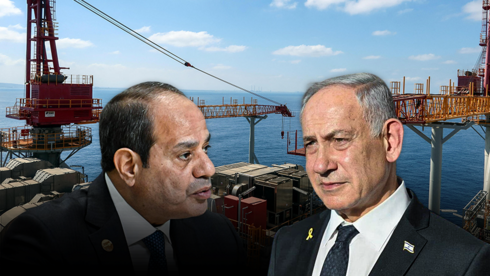
Greater Cairo is home to over 20 million people, known for its bustling nature to its residents and visitors alike. Currently, the megacity is reliant on fossil fuels to power a population that never sleeps, a continuous stream of traffic, and rising cooling demand. Natural gas dominates electricity generation, while oil continues to fuel transport and industry. This dependence leaves the energy system exposed to external shocks in an increasingly volatile geopolitical landscape. Recent regional tensions, including disruptions affecting key oil and gas trade routes, have pushed the Egyptian government to introduce emergency measures such as earlier closing hours for commercial activities, reduced street lighting, and partial remote working. Beyond energy security, continued reliance on fossil fuels carries significant public health costs. Air pollution from the power, heat, and transport sectors is already a major concern. It is also intensifying as Greater Cairo’s urban footprint sprawls outwards, its traffic congestion worsens, and its population grows at a sped up pace because of rural-to-urban migration. Despite these critical challenges, could solar energy offer a sustainable transformation pathway for the megacity without compromising its socioeconomic growth?