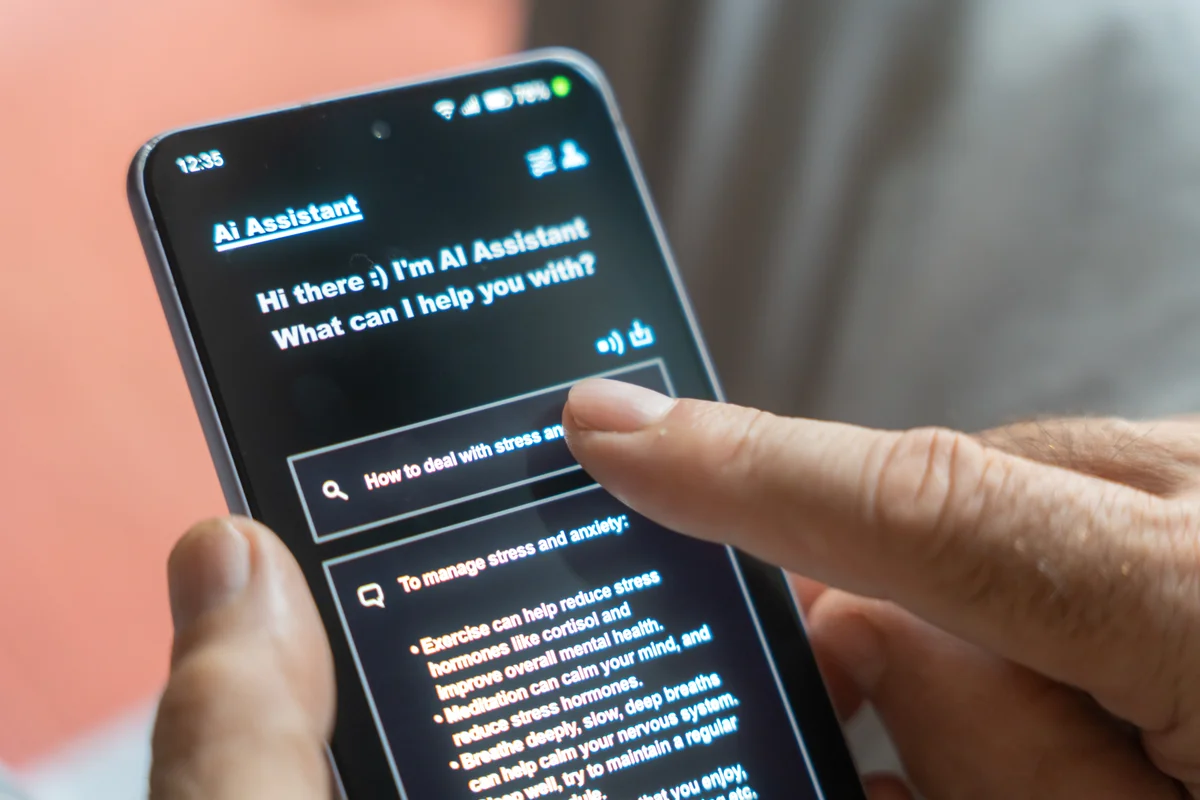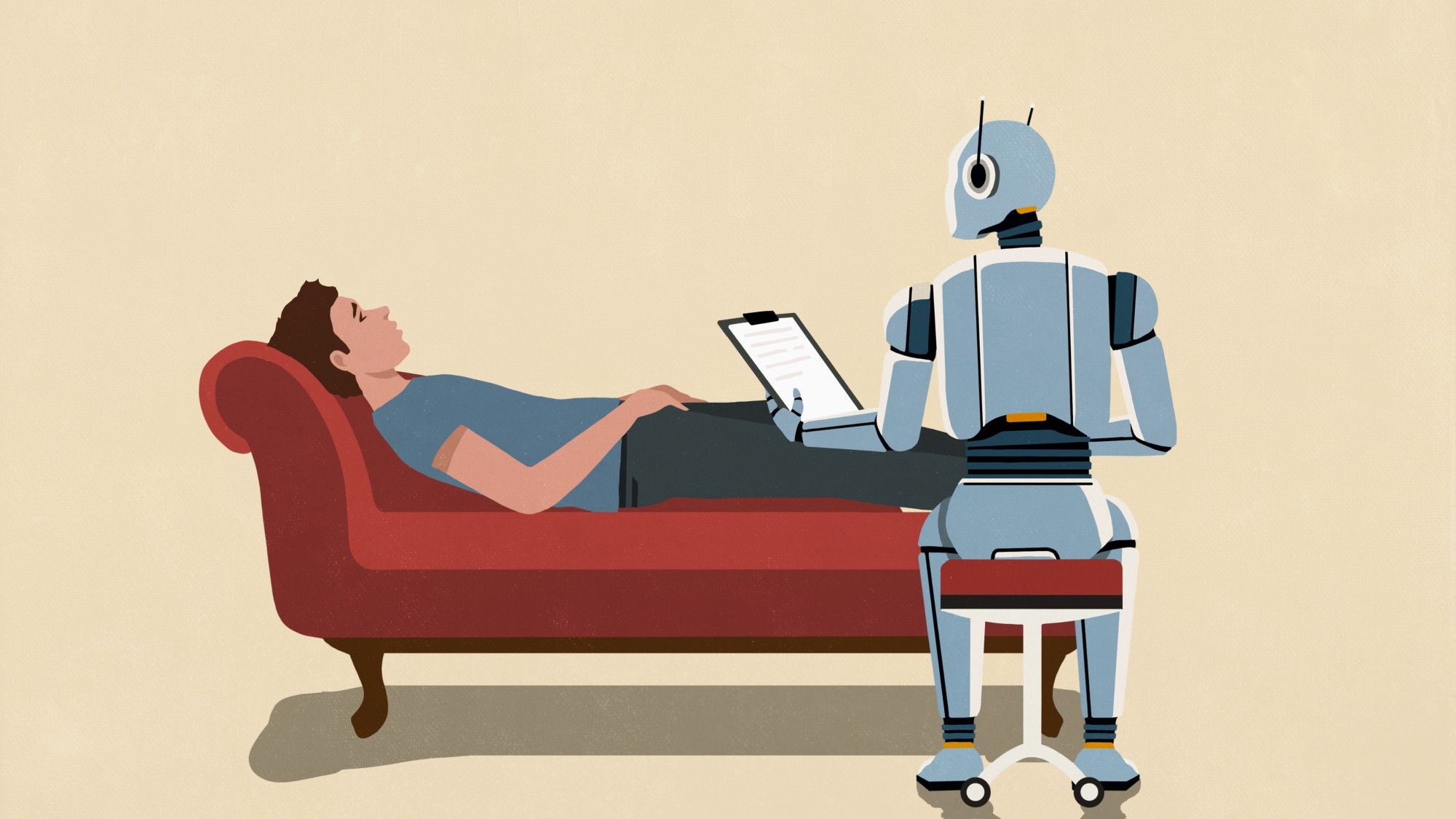
If you're having trouble sleeping, there's no better resource than the experts. Board-certified sleep specialists can offer personalized and effective science-backed sleep guidance based on your unique health and lifestyle factors — if you can access a professional, that is.However, many people are turning their backs on medical professionals for the convenience of AI. Research shows that 15% of the UK consult AI chatbots instead of a doctor, while a survey found that 49% of insured Americans have asked AI tools for medical advice. But can can a chatbot ever truly fix your insomnia?To find out, I asked three of the most popular AI-generative assistants — Gemini, ChatGPT, and Copilot — the same request for sleep health advice. I then called on Mattress Firm's Dr Jade Wu, a board-certified sleep specialist, to evaluate and rate each response. Here's what she had to say and why AI's response might seem good at first but can't delve beneath the covers to provide long-lasting help.My experience with Gemini, Copilot, and ChatGPT
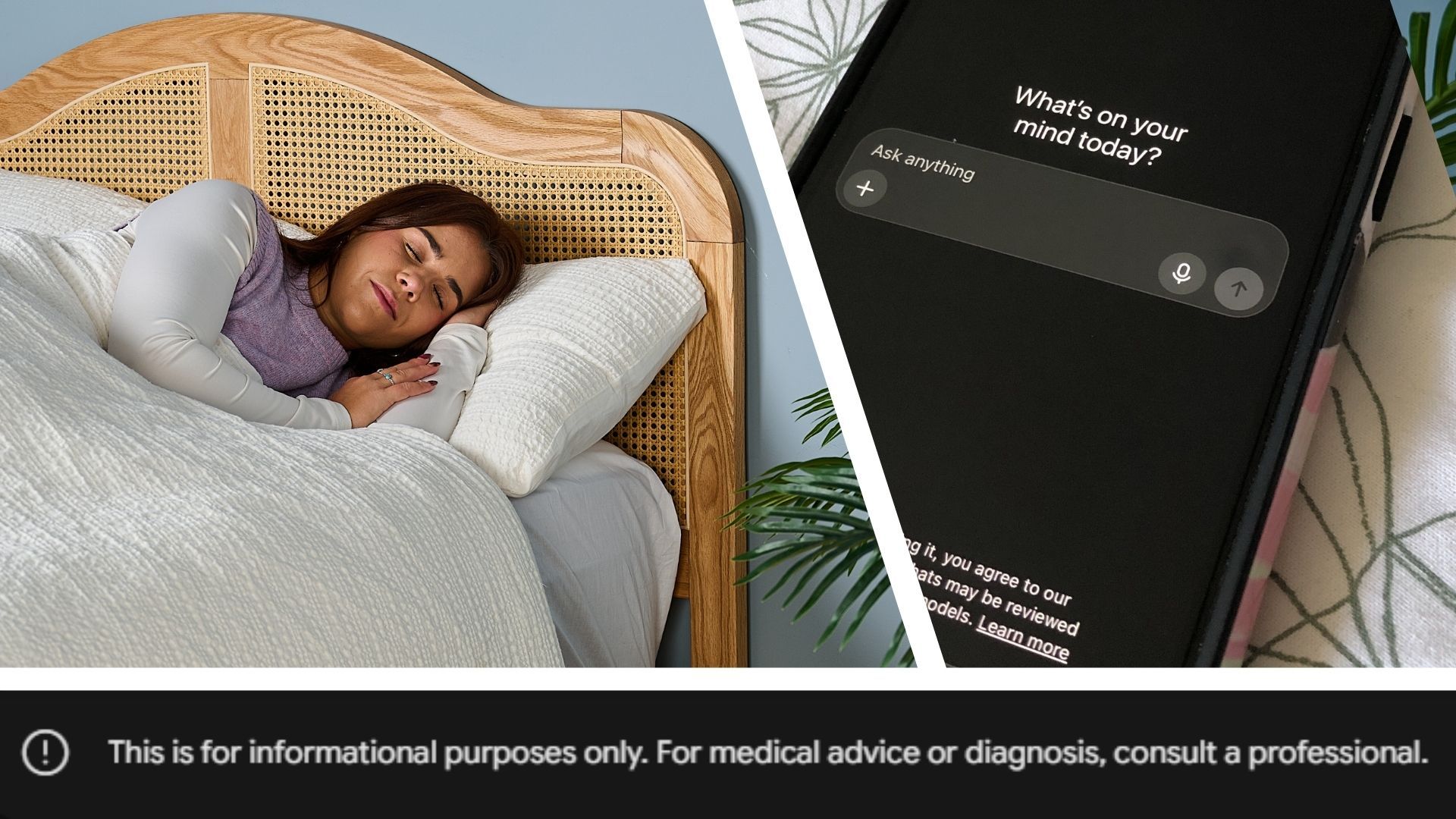
(Image credit: Future)To see whether AI chatbots can actually give sound sleep advice, I asked Gemini, Copilot, and ChatGPT the exact same question, prefaced with the prompt; "Act as a board-certified sleep doctor," to ensure each assistant knew I wanted it to replicate expert-level advice. Here's the full prompt:"Act as a board-certified sleep doctor. I average 6 hours of sleep a night and have an erratic bedtime and wake-up schedule. In 3 actionable steps, advise me on how I can fall asleep fast, sleep through the night and increase my average sleep duration to 7 hours a night."Each one delivered guidance in an instant and that split-second response set off alarm bells. But then I read the responses...I frustratingly couldn't find any flaws. To me, each answer offered sound recommendations, with tips that seemed to come straight out of a Cognitive Behavioral Therapy for Insomnia (CBT-I) textbook (and, on reflection, quite probably did.)Get instant access to breaking news, the hottest reviews, great deals and helpful tips."If you're awake in bed for roughly 20–30 minutes, get up and do something quiet in dim light until you feel sleepy again," said ChatGPT, bringing up the gold-standard sleep rule."Get 10–15 minutes of outdoor light within the first hour of waking — this accelerates melatonin shutoff and makes it easier to fall asleep at night," advised Copilot, displaying knowledge about our circadian rhythm and the morning sunlight rule (...that I already follow.)"Waking up at the same time every day builds 'sleep drive' (the biological hunger for sleep) throughout the day," Gemini told me, promoting the sleep consistency that experts have always championed.