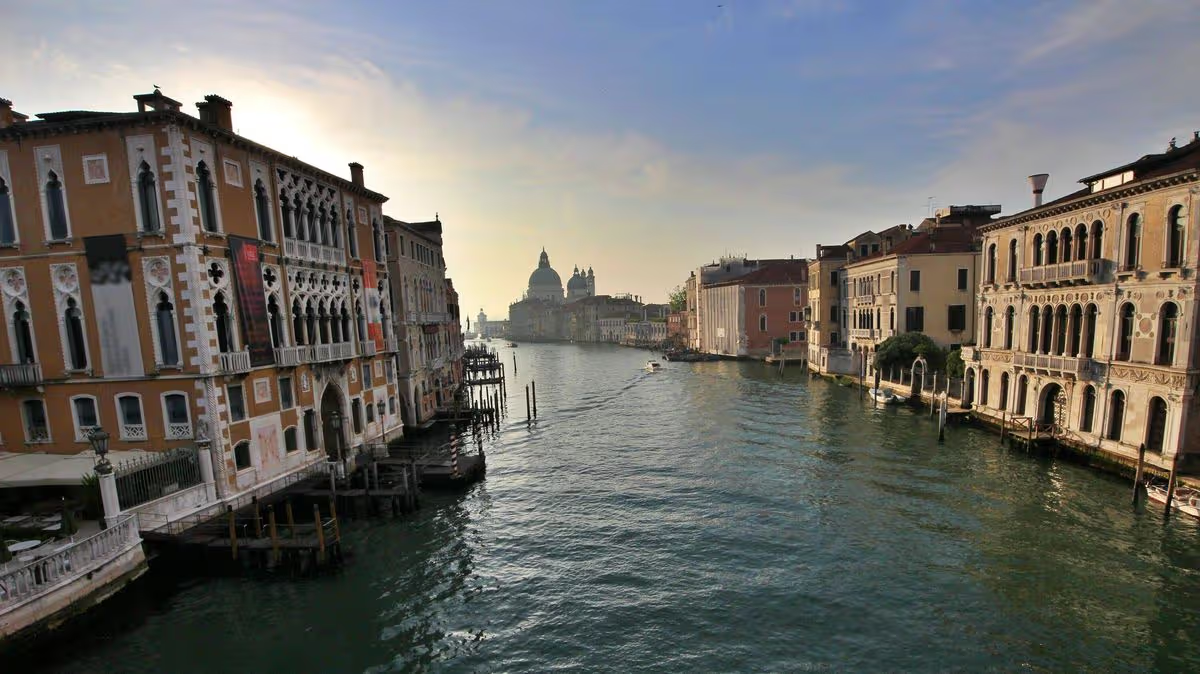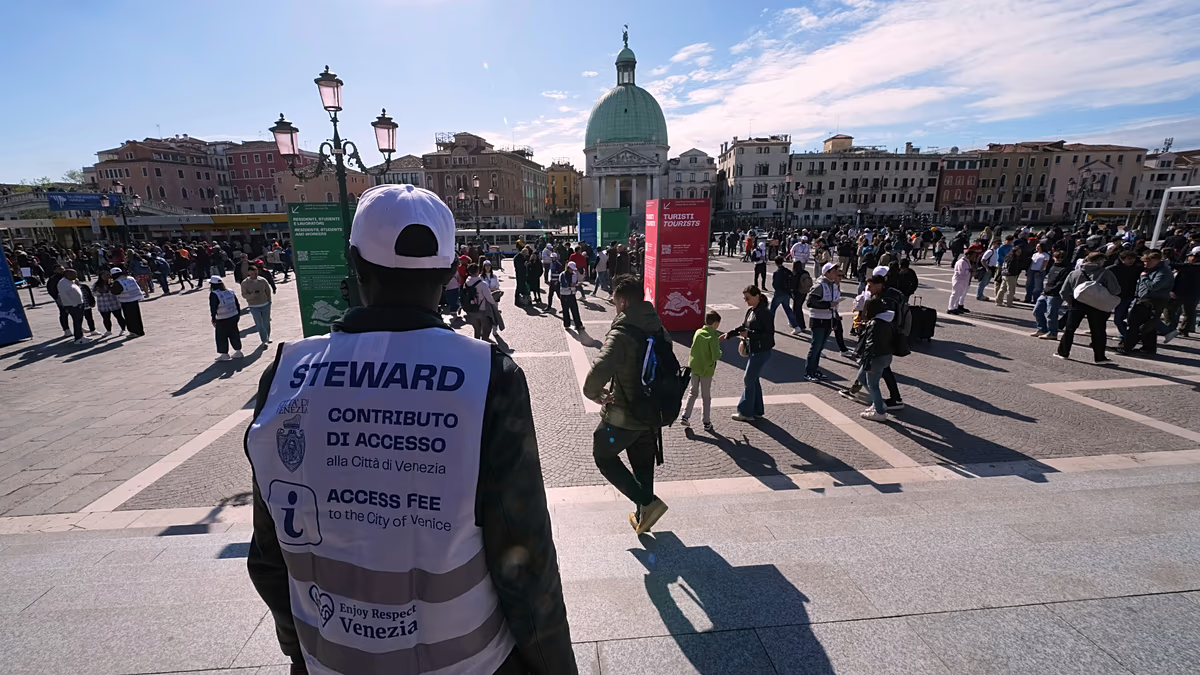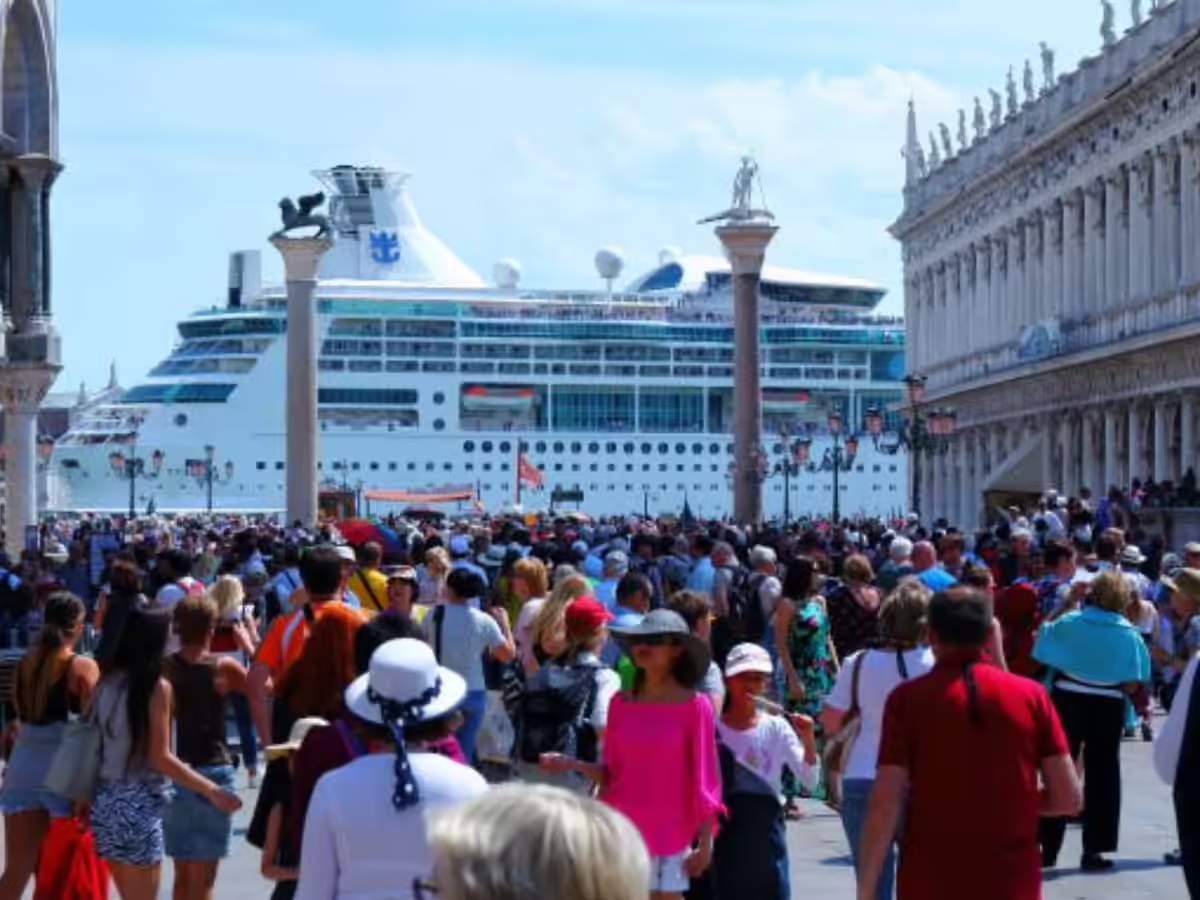
If implemented, the tax percentage would range between a minimum of 2 percent and a maximum of 5 percent, depending on the decision of the local municipality.File photo. Image: Antti Haanpää / YleYle News7:49The Finnish government's plans to introduce a tourist tax have been circulated for comments and consultation.The proposal, announced by Finance Minister Riikka Purra (Finns) earlier this year, "would give municipalities that are popular tourist destinations a way to collect more income from tourism".The tax would be optional for municipalities, and the revenue from the tax would remain with that municipality. It would also apply to both domestic and foreign visitors staying in paid temporary accommodation."The tax would be collected on all short-term paid accommodation regardless of the form of accommodation or the scope or form of operations," a press release from the finance ministry explained, adding that the local council could set the tax percentage between a minimum of 2 percent and a maximum of 5 percent.According to the ministry, the tax could potentially generate "millions of euros in tax revenue" for areas popular with tourists, with the imposing of a levy likely to have a limited impact on tourist numbers.Several European destinations have introduced a tourist tax, including Venice, Paris and Seville.Comments can be given on the government proposal here.Tourism numbers growingFinland has seen a steady increase in tourism in recent years, with the number of overnight hotel stays last year rising to an all-time high of 7.2 million.This rise is driven in particular by an increasing number of visitors from Sweden, Germany and the USA.The Uusimaa region, which includes Helsinki, as well as Finnish Lapland tend to be the most popular destinations for people visiting Finland from abroad — and therefore would contain municipalities most likely to introduce a tourist tax.The government wants the law to enter into force in 2027, meaning that municipalities could decide in their 2028 budgets whether to adopt the tax and begin collecting it that year.
Does Finland need a tourist tax? Government proposal sent out for comments
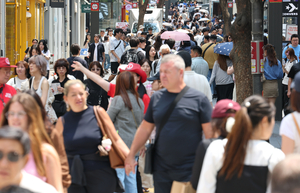
If implemented, the tax percentage would range between a minimum of 2 percent and a maximum of 5 percent, depending on the decision of the local municipality.
326 words~1 min read