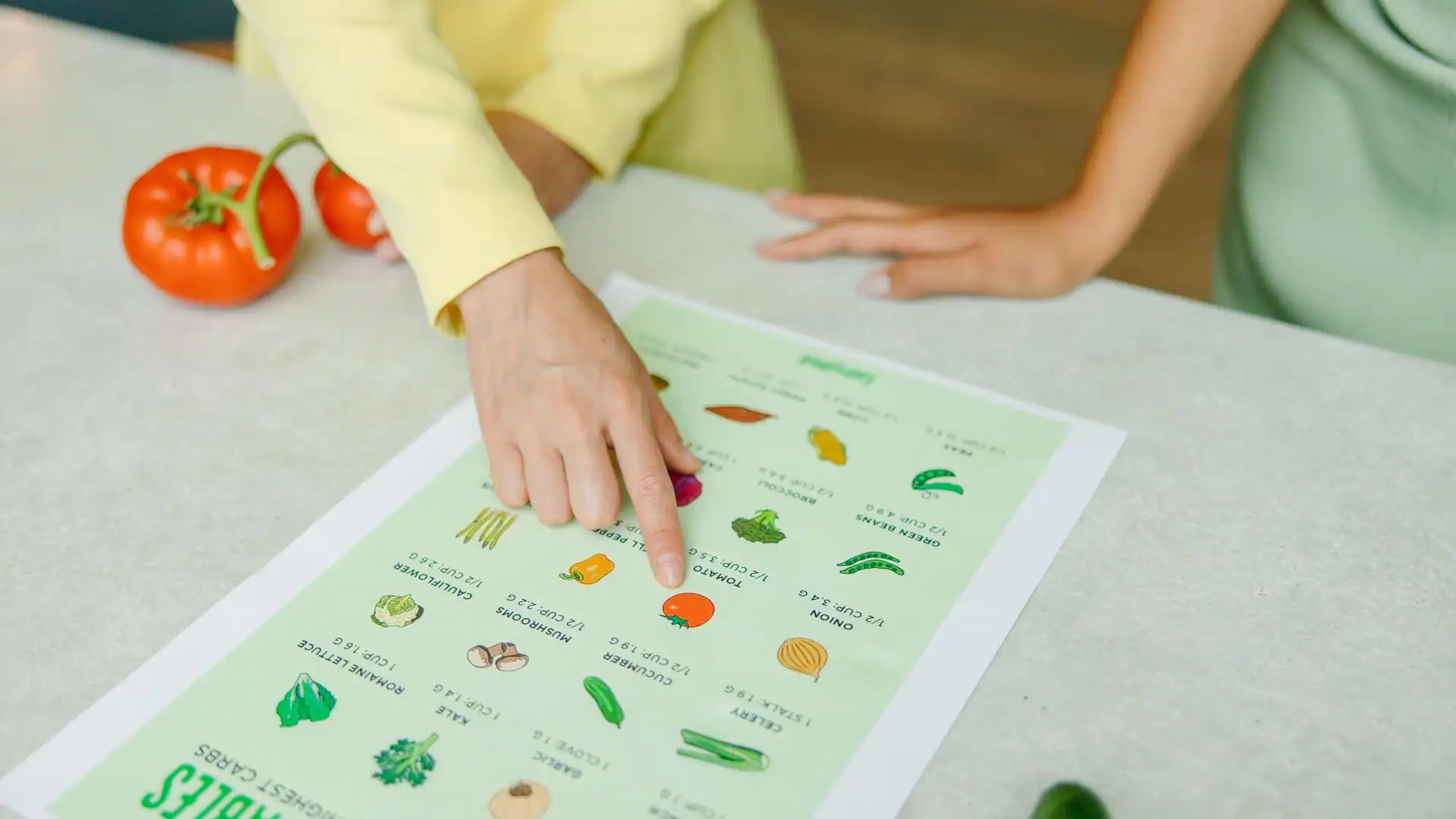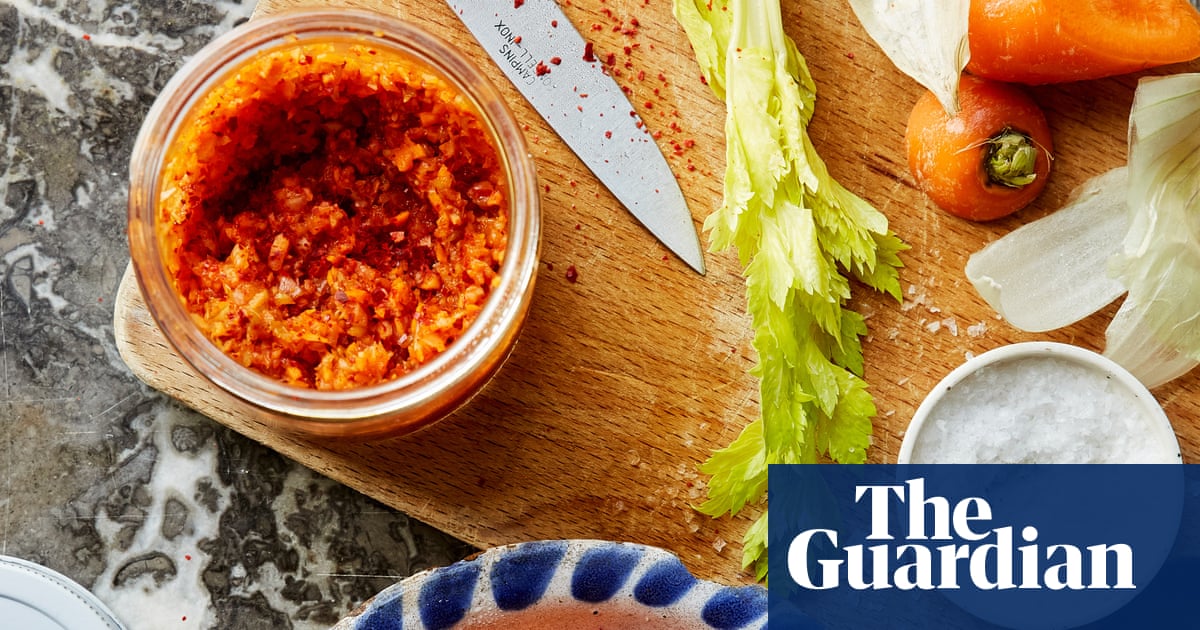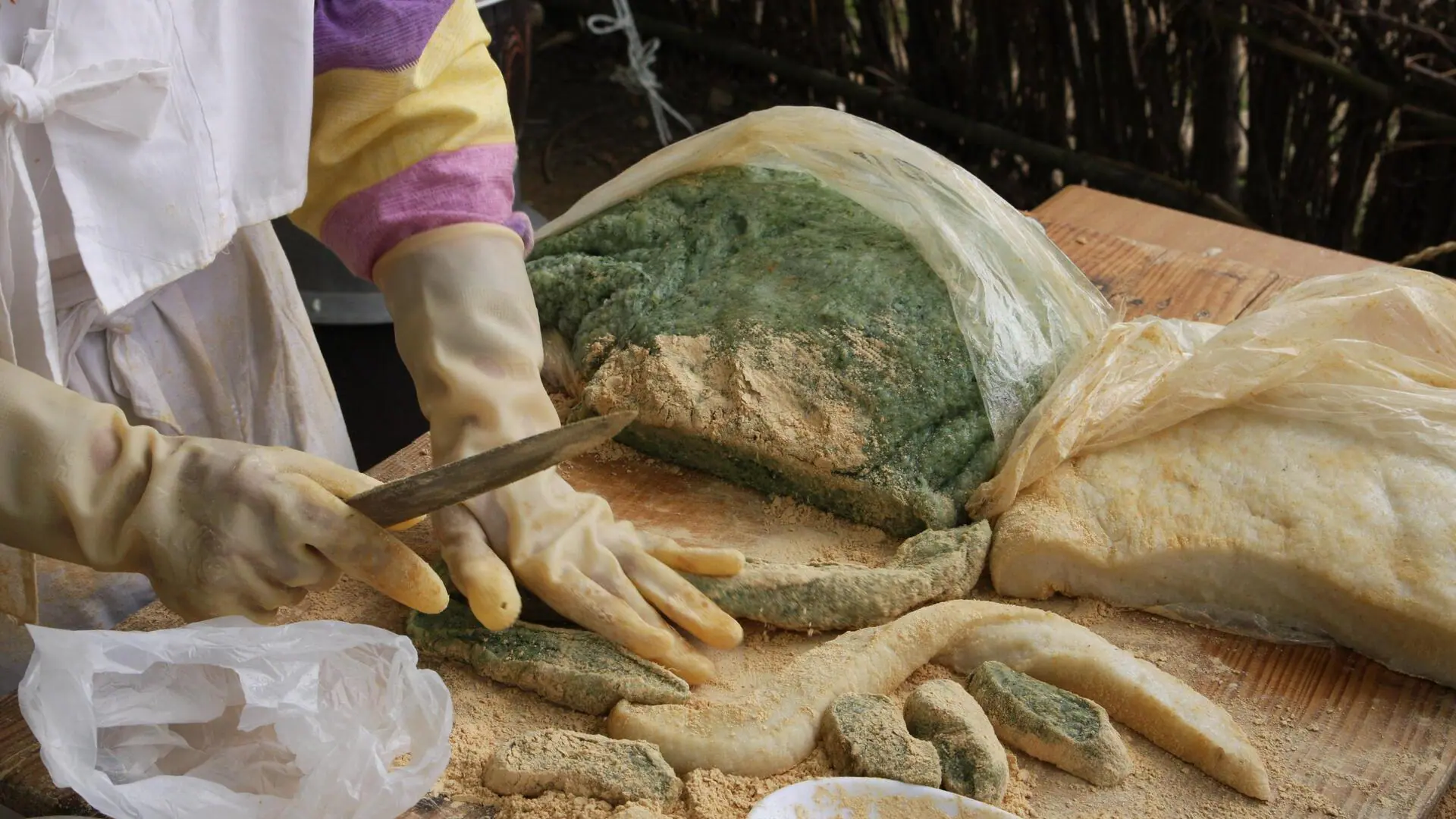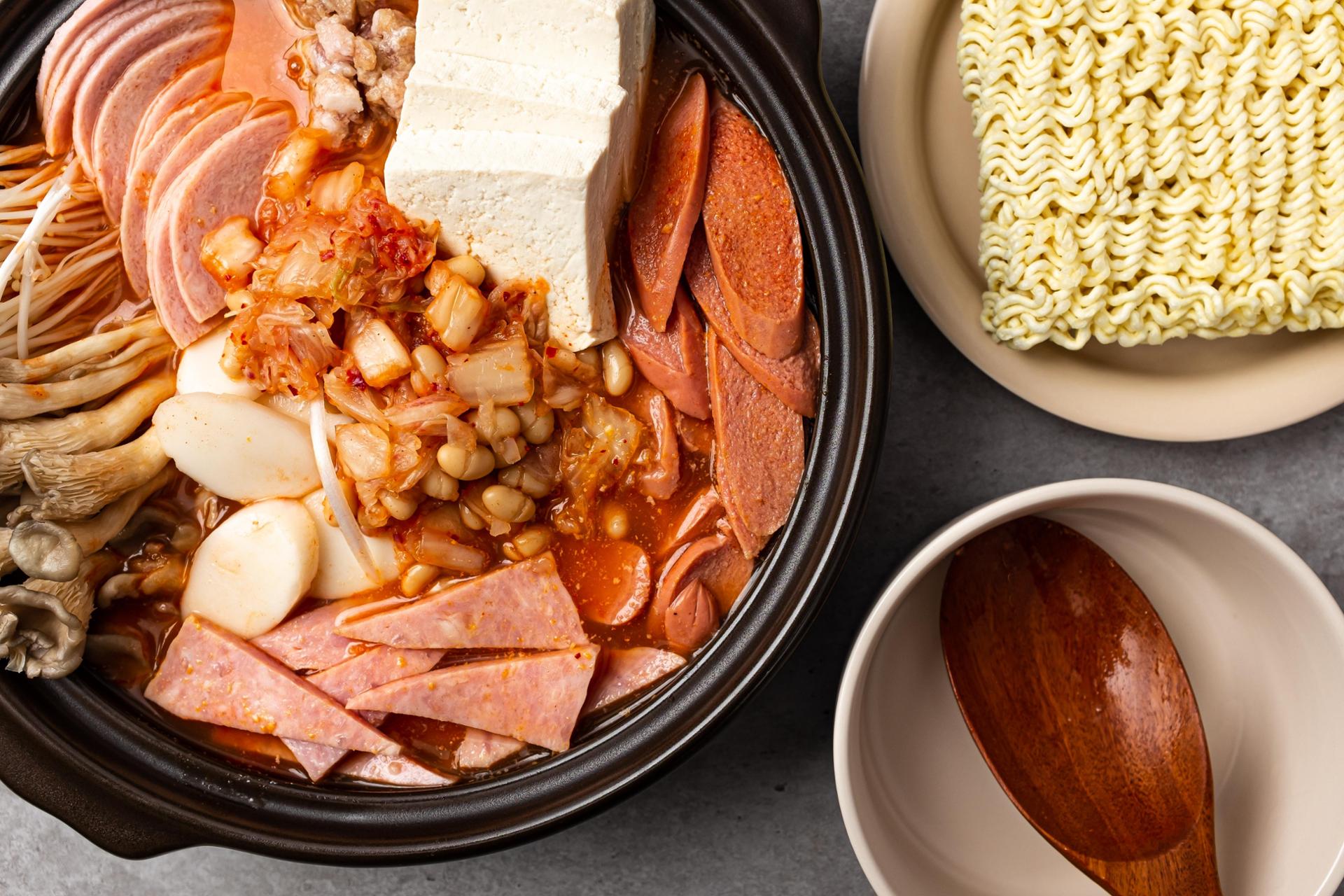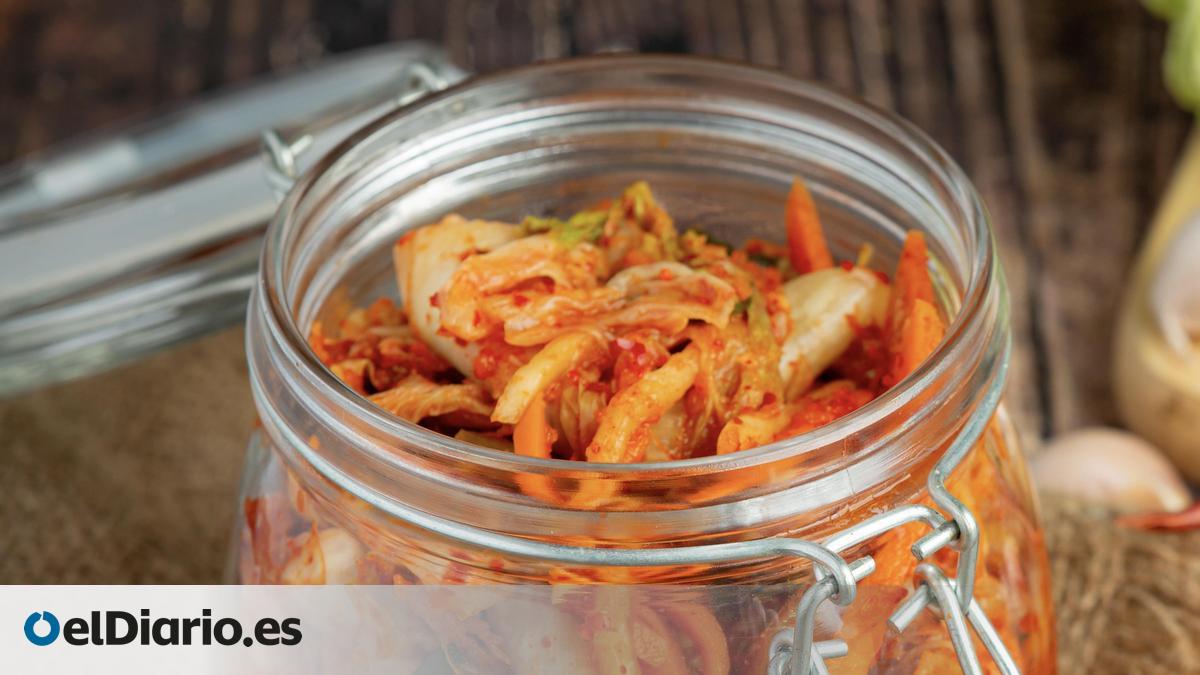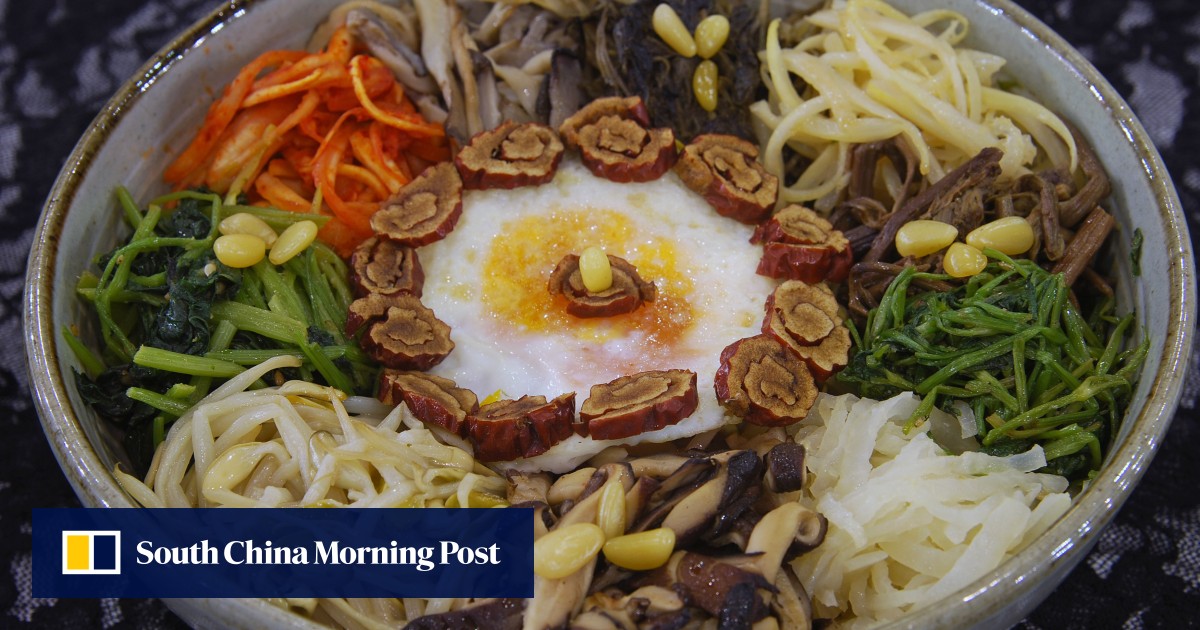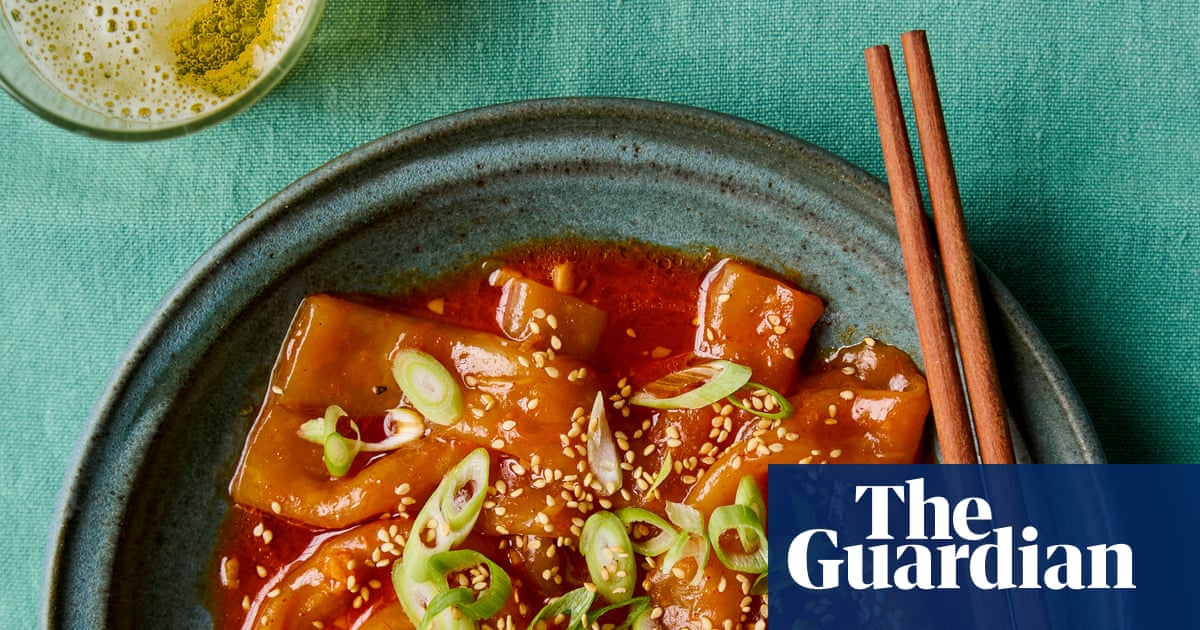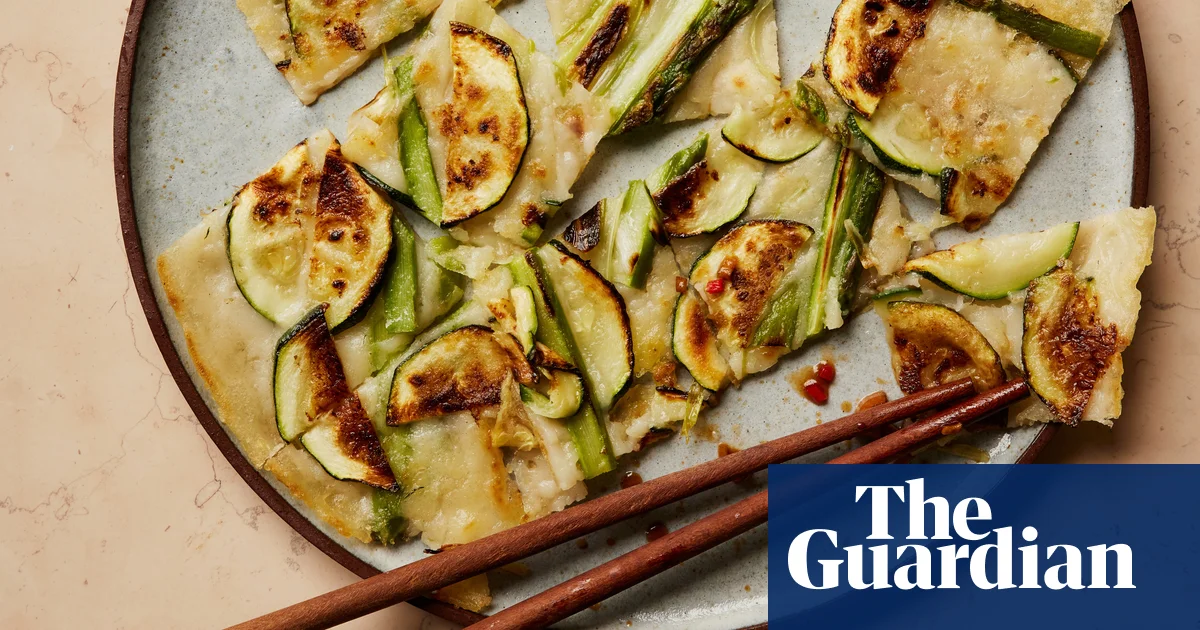
Vegetables play a central role in Korean cuisine, and they form the backbone of everyday meals, rather than simply acting as side dishes. They provide balance, nutrition, colour and variety, often through preparations such as kimchi, namul and seasonal banchan. Our vegetable cooking focuses on simplicity and preserving natural flavour, often using techniques such as blanching, light sauteeing, fermenting and pickling, and typically seasoning with garlic, sesame oil, soy sauce and fermented pastes such as doenjang and gochujang. This approach reflects Korea’s long tradition of plant-focused cooking shaped by seasonality, resourcefulness and the need for preserved foods. Together, vegetables create harmony and contrast within a meal.Asparagus and courgette pajeon with soy-vinegar dipPrep 5 minCook 20 minMakes 1 pajeon for two to share2 large asparagus spears (70g)1 large spring onion (15g), trimmed¼ medium courgette (35g)¼ onion (40g), peeled1 red chilli (optional)80g standard tempura flour (or Korean savoury pancake mix powder)Vegetable oil, for fryingFor the soy-vinegar dip40ml Korean jin ganjang soy sauce, or Kikkoman or any light soy sauce20ml Korean apple vinegar, or rice vinegar10g caster sugar1 tbsp finely diced onion
Pajeon and japchae: Joo Won’s recipes for Korean-style vegetarian starters
Rather than being relegated to side orders, vegetables take centre stage in everyday Korean cooking, as these pancake and noodle dishes show
825 words~4 min read