Climate change drives spread of disease-carrying insects
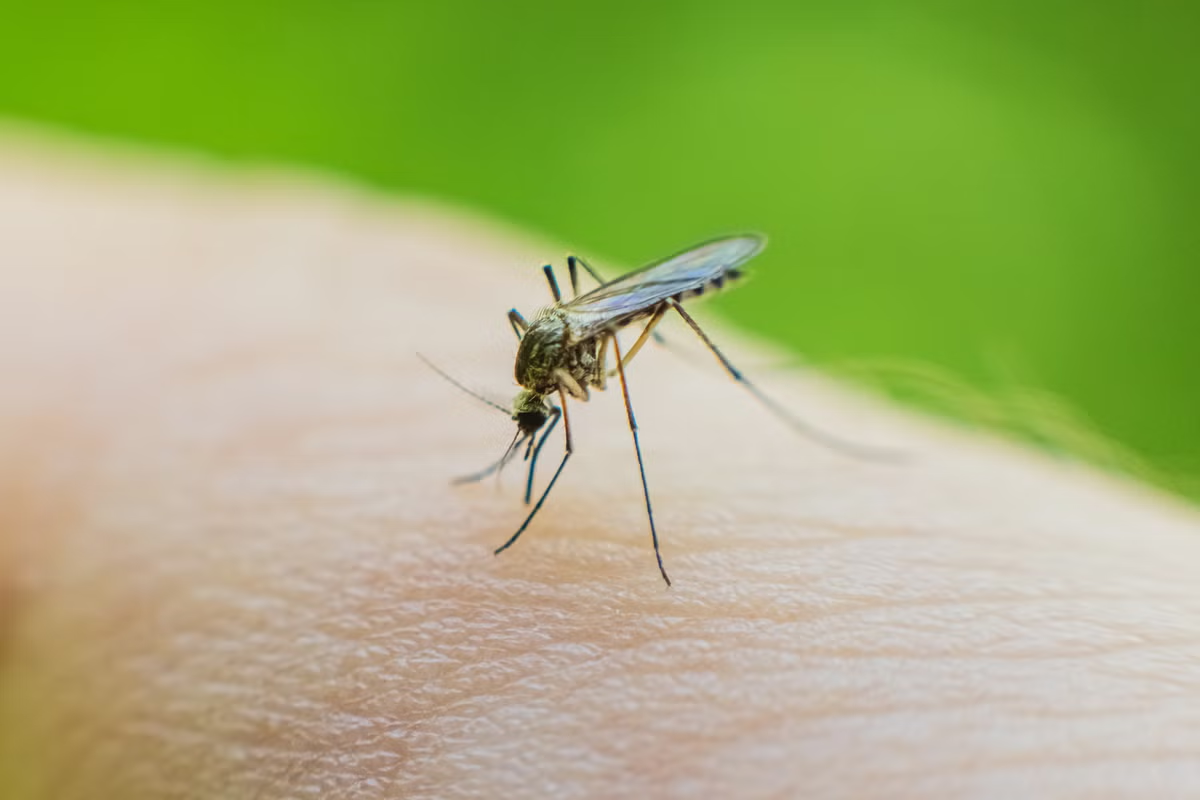
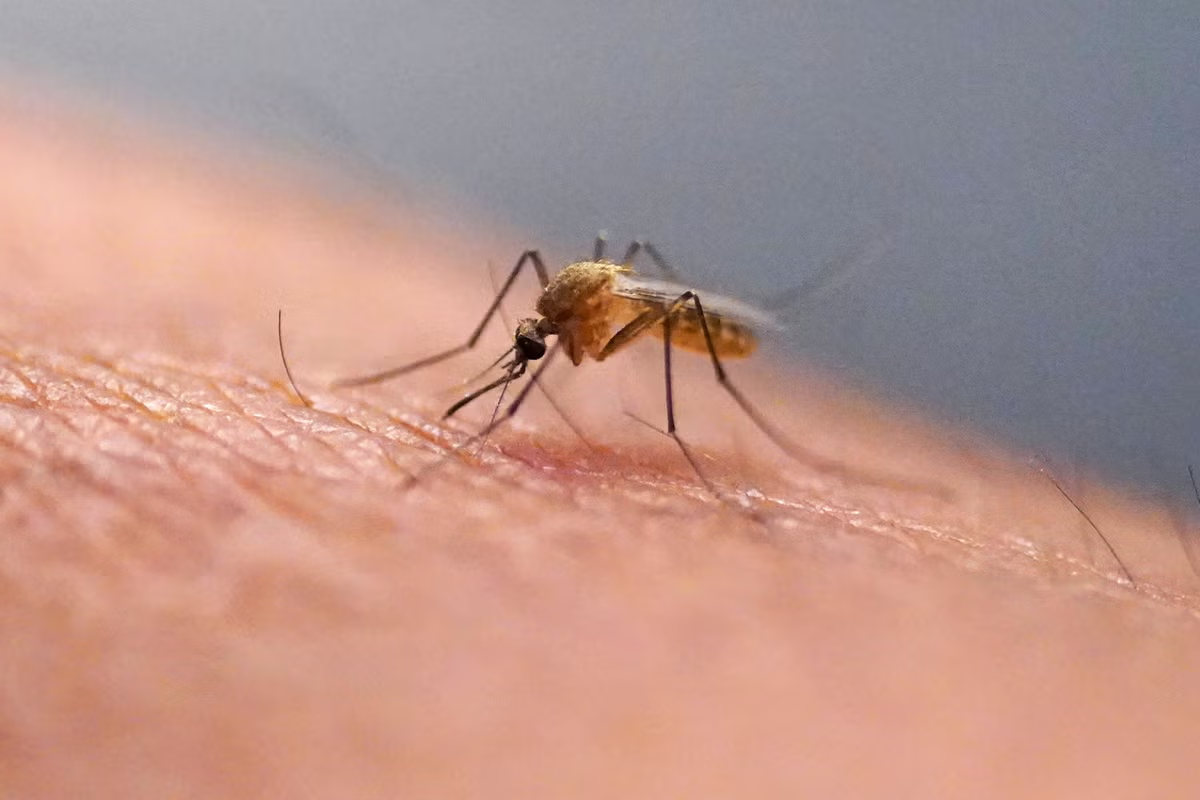
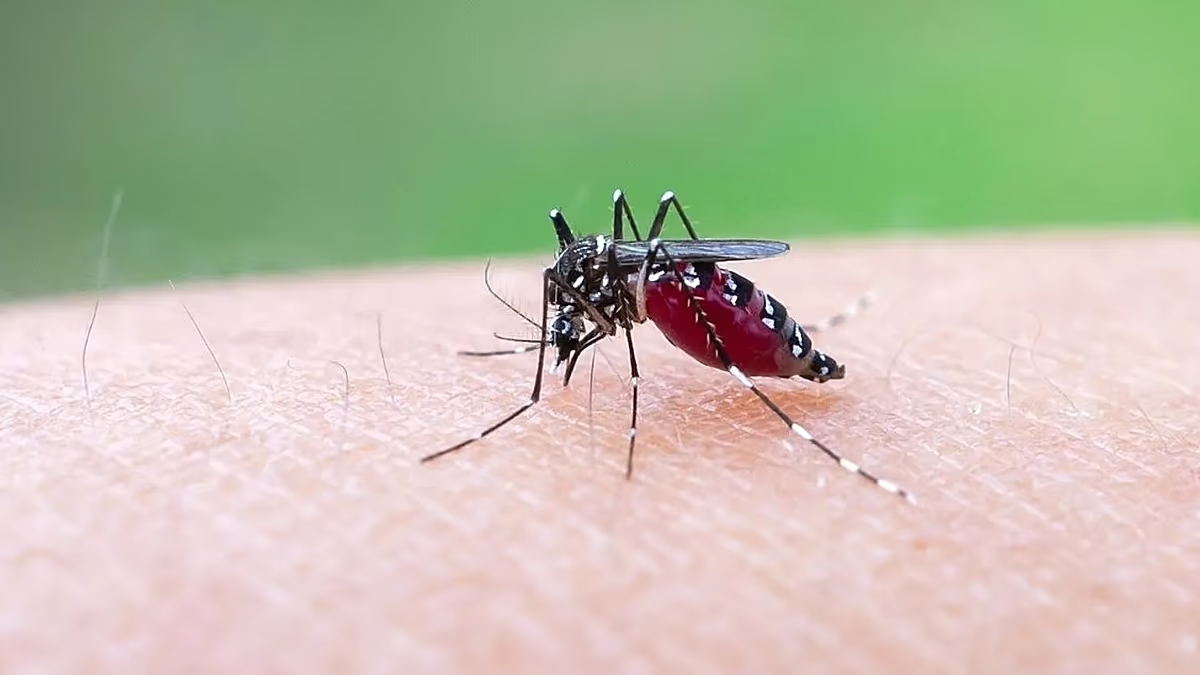
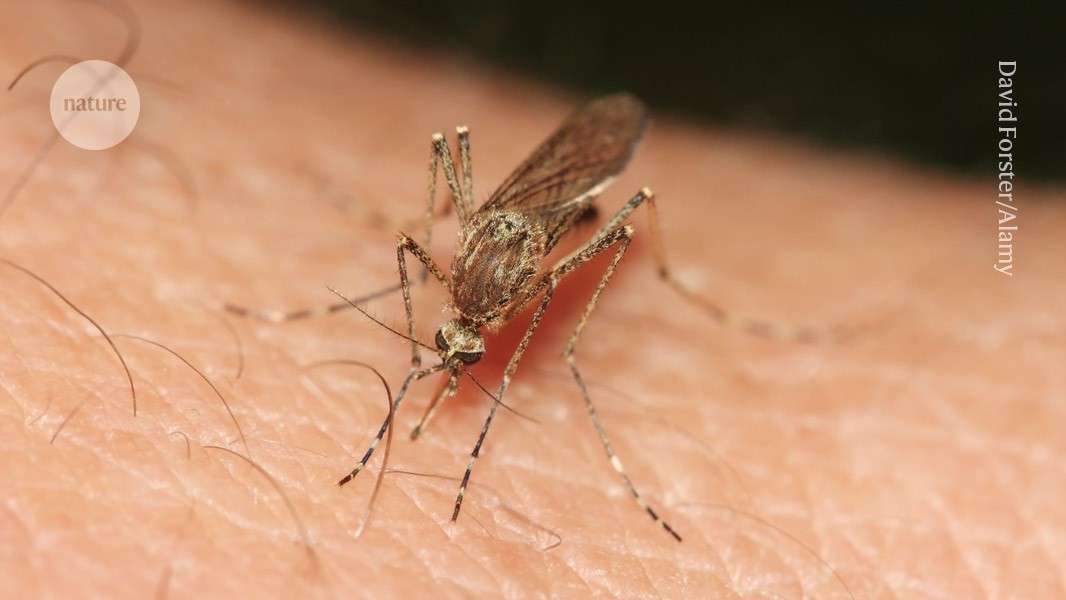
Scientific forecasts suggest Türkiye could become one of Europe’s key transition zones for mosquito- and tick-borne diseases, particularly across the Black Sea, Marmara and Mediterranean regions, as climate change increases the risks associated with disease-carrying insects.
Rising temperatures, longer summers and shifting rainfall patterns are altering the distribution and life cycles of insects across the country, experts warn. These changes are allowing mosquitoes and ticks to emerge earlier, remain active for longer periods and produce more each year.
Entomologist İzzet Akça said insects are among the groups most affected by climate change because their development is closely linked to temperature. While harsh winters traditionally eliminated up to 80 percent of insect populations, milder winters now allow more to survive.
Mosquitoes and ticks reproduce most rapidly in temperatures between 20 and 25 degrees Celsius, Akça noted.