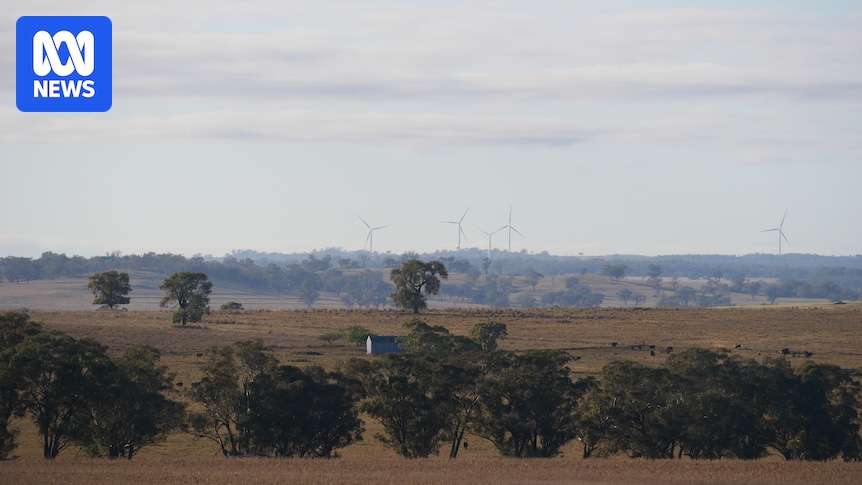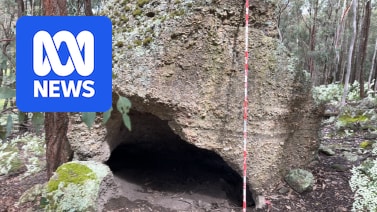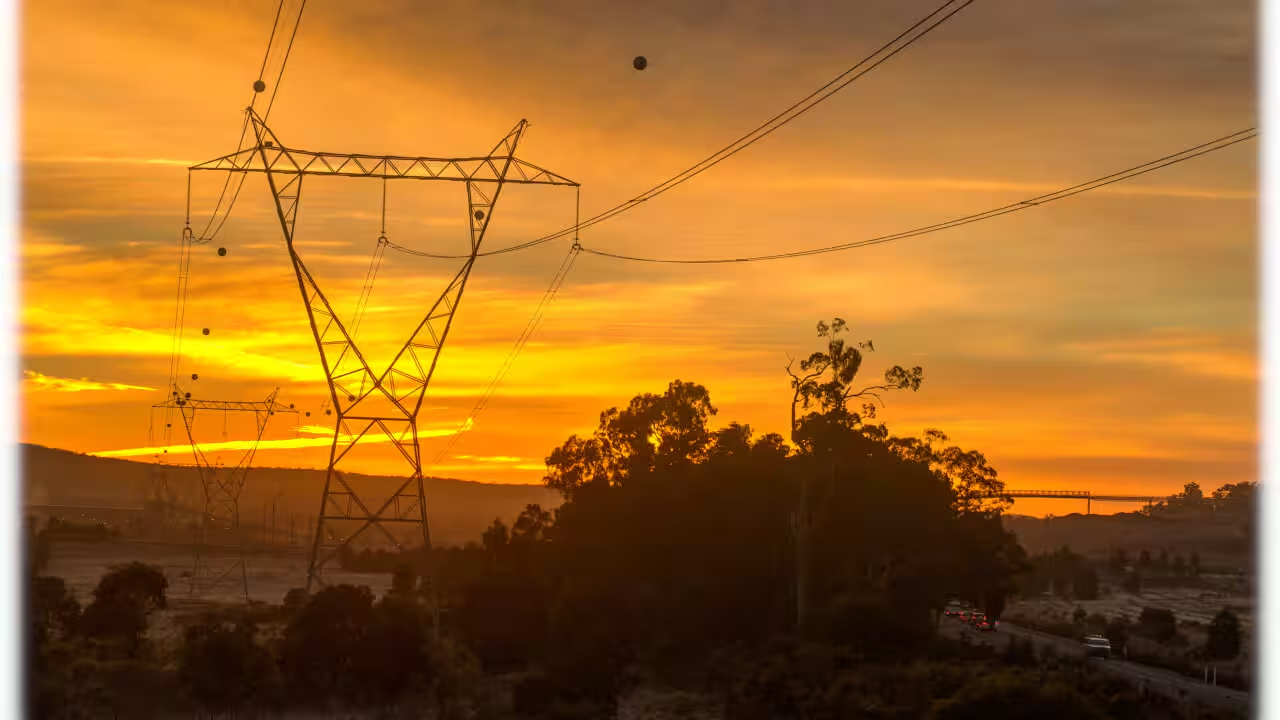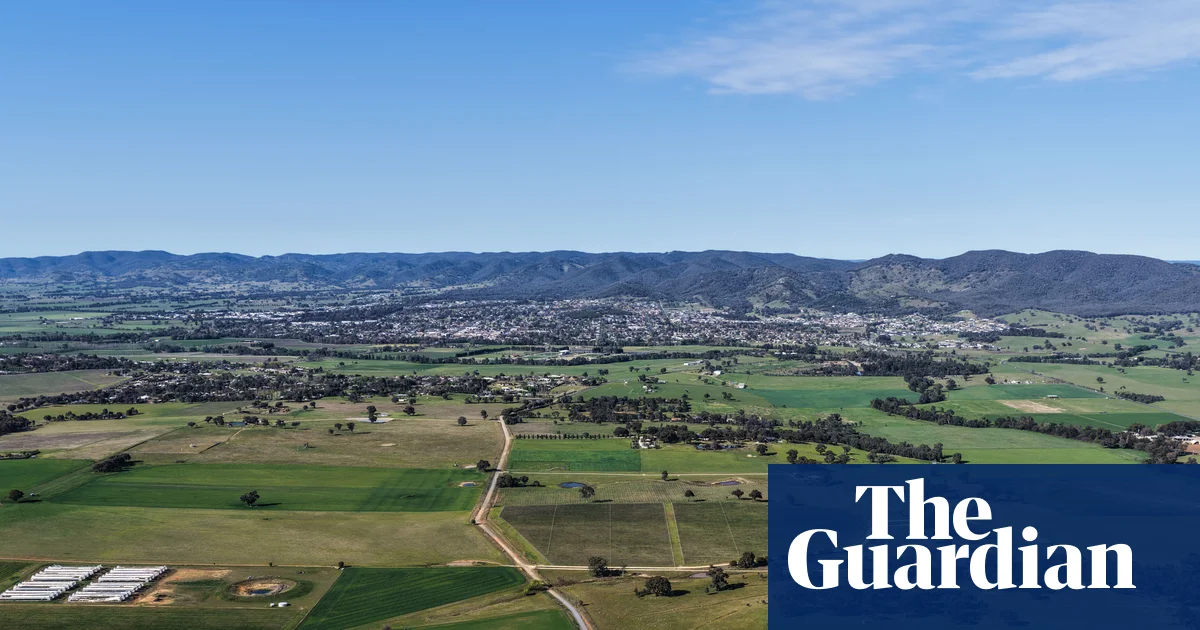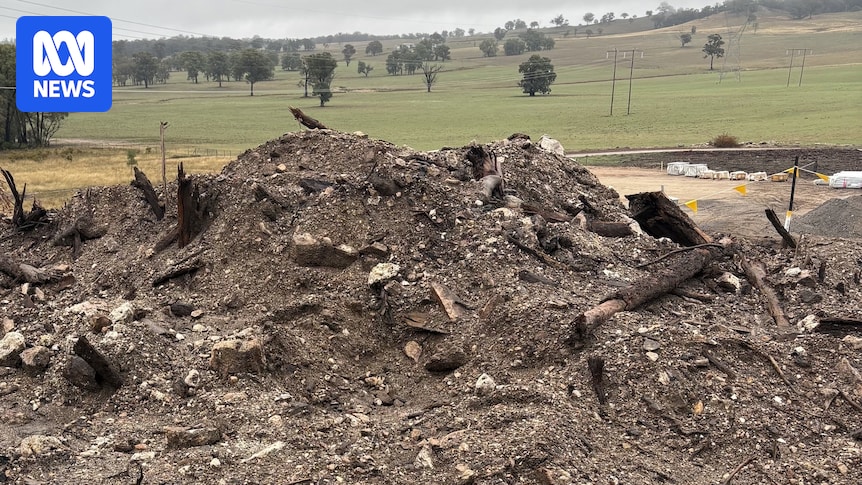
A renewable energy consortium has admitted internal "failures" led to the destruction of an Aboriginal heritage rock shelter during the construction of transmission infrastructure in western New South Wales. An investigation conducted by ACEREZ into how the site on Wiradjuri country, near Mudgee, was irreparably damaged found "failures in site design and on-site construction protocols".The site had been identified in the project's planning approval. In March, the contractor appointed by the NSW government to build power lines for the Central West Orana Renewable Energy Zone (REZ) demolished the rock shelter during land clearing. The rock shelter near the Cope State Forest in the Mudgee district that was destroyed by ACEREZ workers. (Supplied: NSW EnergyCo)That is despite them having knowledge of the structure and its cultural significance. Wiradjuri, Tubba-Gah and Gamilaraay man Thomas Dahlstrom told the ABC that he had discussed the cultural sites with the company several times and they were reassured "they wouldn't be harmed". The incident occurred while workers were cutting an access track on a private property.In a statement, ACEREZ offered an "unreserved apology to Traditional Owners and the broader community" and said they were "working closely on a path forward"."We recognise we have a lot of work to do to rebuild trust," a spokesperson said.Thomas Dahlstrom conducting fieldwork for the Central West Orana Renewable Energy Zone. (Supplied: Thomas Dahlstrom)Stronger protections for indigenous sites ACEREZ said it had implemented stronger controls to better protect Aboriginal heritage items in the footprint of the REZ. "This regrettable incident should never have happened and we are implementing appropriate measures to ensure this is never repeated," a spokesperson said. The chief executive, Steve Masters, and other senior executives have met with representatives from Registered Aboriginal Parties and the company said they had "committed to regular collaboration to strengthen oversight and ensure Aboriginal heritage is respected at every stage of delivery".New measures were introduced, such as site checks to confirm design suitability and the adequacy of protection buffers, assessed before any work is carried out near Aboriginal heritage sites.A Registered Aboriginal Party will also be invited to undertake an inspection with the construction team, while no-go zones have been integrated into machinery and marked out on site. It has submitted the findings of its investigation to the state government's Department of Planning, Housing and Infrastructure. The Central West Orana Renewable Energy Zone (REZ) spans 20,000 square kilometres across regional NSW. (ABC News)When the destruction was discovered in May, work on the access track stopped, but it has since recommenced in a "careful and staged approach", according to the consortium. At the time, the NSW Environment Minister Penny Sharpe said she was "furious" about the incident and said it was "completely unacceptable". It is the same company that was responsible for the displacement of about 60 native bird hatchlings, left homeless after the felling of trees for another section of the REZ infrastructure.The federal environment department investigated the matter and said it found "no evidence of non-compliance" with conditions under it's environment protection and biodiversity conservation act.
Renewable energy company admits 'failures' caused destruction of Aboriginal site
ACEREZ introduces strict cultural heritage protocols after a rock shelter was irreparably damaged.
504 words~2 min read