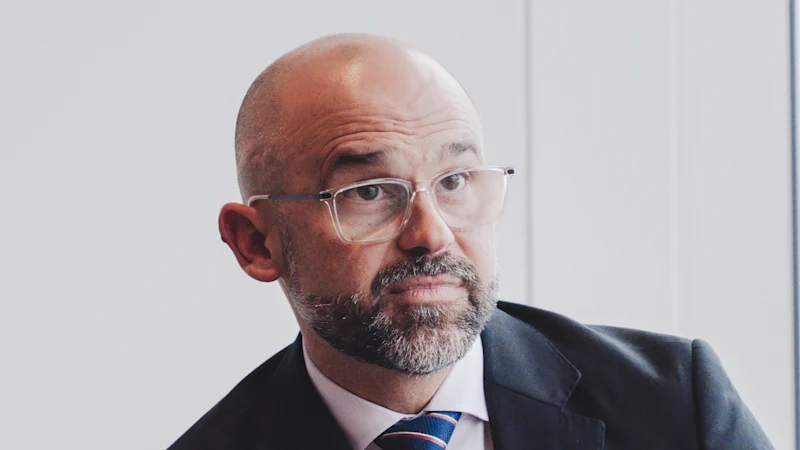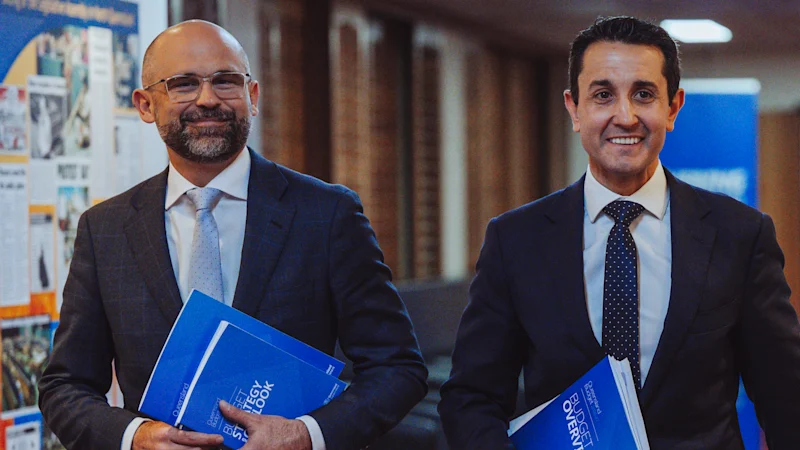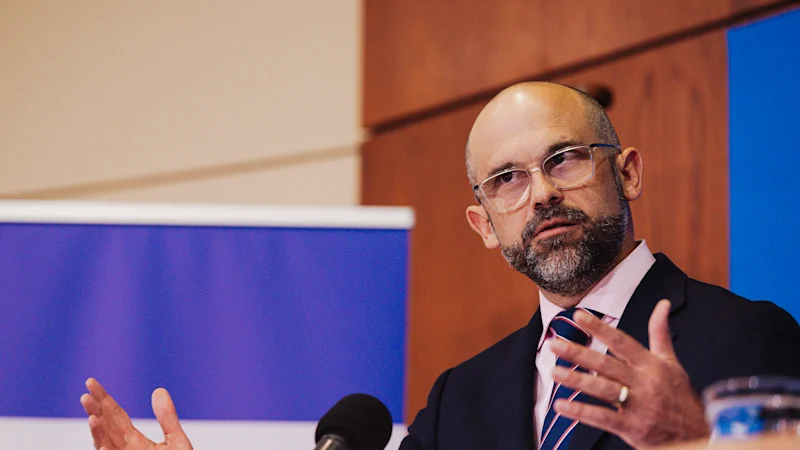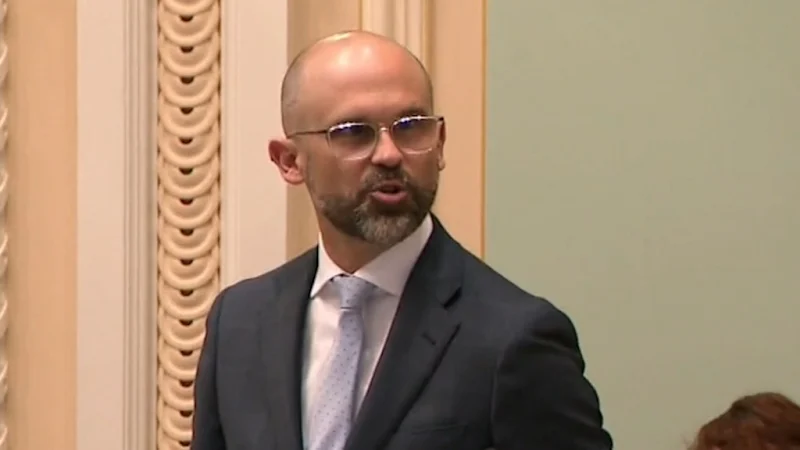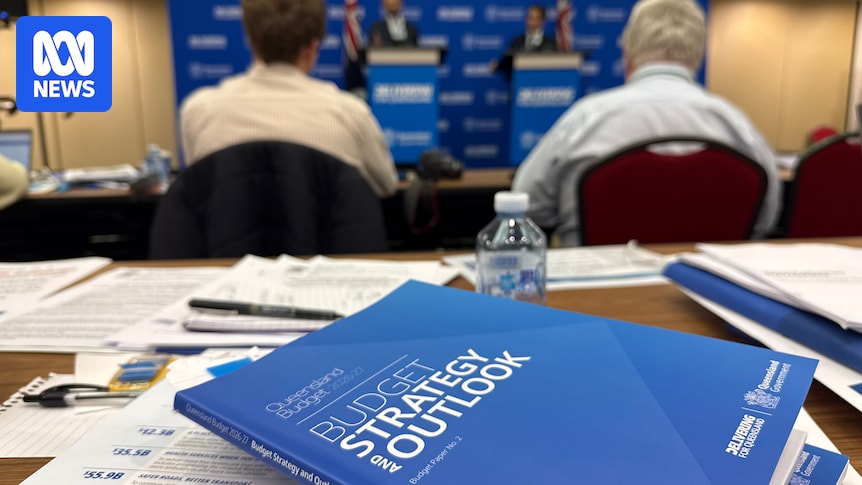
Queensland families will get an extra $50 in back-to-school payments for primary-aged students, as the LNP government charts a return to surplus in its second budget.Debt is still tipped to climb, though, to well beyond $200 billion over the next four years, as annual interest payments march towards almost $11 billion.The government will also put a new cap on senior executive roles within the public service in a bid to save tens of millions of dollars.In his speech to state parliament, David Janetzki claimed his budget delivered the "largest ongoing cost of living relief package" in the state's history.It includes a $50 increase to the back-to-school boost for parents of primary school aged students, bringing the total payment to $150.The money is not a cash payment and is instead used as credit on a student's school account — and can go towards expenses such as uniforms and excursions.The state government has delivered its 2026/27 budget, its second since winning government. (ABC News: Jessica van Vonderen)The government has also promised to legislate 50 cent public transport fares to make them permanent, but there are no short-term universal relief measures.The electricity rebate scheme for about 700,000 vulnerable households will increase by 3.4 per cent, raising the subsidy to almost $400.As announced on the weekend, the government is also freezing bulk water prices for South East Queensland households, providing an average saving of $130 over two years.Premier David Crisafulli said the government was providing relief Queenslanders could "rely" on."It's not sugar hits. It's locked in for the long term and it's our way of playing a small part in easing pressure in what are national cost of living pressures that people are feeling," he said.David Crisafulli says the budget measures amount to more than "sugar hits". (ABC News: Lucas Hill)Queensland Council of Social Service chief executive Aimee McVeigh accused the government of failing to address cost of living pressures."There isn't a cost of living and housing package that will make a difference to families now," she said.Back in the blackThe budget books are expected to stay in the red until 2029-30, when a surplus of $619 million is projected.The last time Queensland's budget was in the black was in 2023-24.The government is tipped to post a deficit of about $8.85 billion this financial year, while another deficit of $6.18 billion is projected for 2026-27.Total debt meanwhile is set to reach $216.47 billion dollars by 2029-30 — an increase of 52 per cent over the next four years.In 2025-26, total debt is now expected to be $142.38 billion, which is a more than $4 billion improvement from the budget update in January.Total debt for the coming financial year is also expected to come in at $162.62 billion, which is also about $7.9 billion less than what was forecast in last year's budget.Mr Janetzki told parliament the government was delivering "lower debt" with a pathway to surplus, as well as no new or increased taxes."I can advise the House that total state debt will be lower each year across the forward estimates than previously forecast," he said.David Janetzki has claimed the budget delivers the "largest ongoing cost of living relief package" in the state's history. (ABC News: Jessica van Vonderen)But he also warned a credit downgrade was not just highly likely, but "inevitable" — blaming his Labor predecessors.Interest expenses for the 2026-27 financial year are set to come in at $6.83 billion, but this is forecast to climb to almost $10.9 billion by 2029-30.That is more than the entire $7.1 billion funding envelope slated for infrastructure for the 2032 Olympic and Paralympic Games.Public serviceThe treasurer announced in his speech the government would lower the cap on non-frontline senior executive roles within the public service.The cap was previously set at 842 roles, but it will now drop to 793 following a review of unfilled positions, saving the budget about $54 million over the next four years.Overall, there were 279,577 full time equivalent (FTE) positions within the public service in March this year, which was an increase of about 8,700 from the year before.The government says the number of non-frontline senior executive roles in the public service will be slashed from 842 to 793. (ABC News: Chris Gillette)"Queensland taxpayers will be happy to know, only 34 of those 8,693 jobs were corporate roles," Mr Janetzki told parliament."That's just 0.4 per cent of the FTE increase in the past year related to corporate roles, down from an average of 17.5 per cent and 6.5 per cent in Labor's last two years."The wages bill for public servants is set to come in at $40.51 billion next financial year — making it the government's biggest expense — and will climb to $44.21 billion by 2030.Where is the money coming from?The government is expected to make $6.9 billion from coal royalties in 2026-27, but this is projected to taper off in the following years, down to $5.4 billion by 2029-30.About $8.35 billion in transfer duty revenue is also set to come into treasury coffers in 2026-27, which is a slight $325 million drop from the year before.Mr Janetzki has blamed the reduction on what he described as "Canberra uncertainty", pointing to the proposed changes to negative gearing and the capital gains tax discount in the federal budget.Land tax revenue is meanwhile tipped to jump by almost half a billion dollars next financial year to about $3.16 billion – and climb to $4.82 billion by 2029-30.David Janetzki pinned a $325 million reduction in transfer duty revenue on federal government policies. (ABC News)Another $2.72 billion is also expected to be made through motor vehicle registration fees next financial year, as well as $546 million from the waste levy.Revenue from the waste levy is forecast to climb 48.6 per cent over the next four years, reaching $709 million by 2029-30.The budget papers also note the levy is projected to generate an extra $569.7 million over four years.About $119.2 billion will be spent over the forward estimates on capital works, while the government is promising a record health spend of more than $33 billion in 2026-27.The budget papers do not display any specific allocations for stages two and three of the Wave public transport project on the Sunshine Coast.It says the amounts are not shown because "contracts have not been awarded".Homes under construction in Ipswich (ABC News: Victoria Pengilley)An estimated $823 million in fines and forfeitures was paid in 2025-26, which was about $27 million less than initially forecast.The budget papers attribute this to improved driver behaviour and a revised timing of the rollout of the camera detection program.By 2027-28, the government is anticipating it will make more than $1 billion from fines.The budget papers point out new laws have boosted enforcement activities for illicit tobacco, drug offending, and e-mobility devices.The Queensland Revenue Office will also get more resources for tax compliance and to collect penalty debts."This is expected to raise $220 million in revenue and $612 million in additional debt recovery over the forward estimates," the papers state.
Executive public service roles capped and back-to-school payments in Qld budget
The Queensland government has handed down its 2026/27 state budget, its second since assuming government in 2024.
1,164 words~5 min read