You're six months into your SaaS product. The app works. Users are signing up, data is flowing, and someone on the team says, "Can we get a dashboard showing churn by plan tier?" So you write a query. It touches five tables, scans 2 million rows, and takes 14 seconds to run. You slap it on a dashboard. Now every page load is slow and your database CPU spikes to 90% every five minutes.
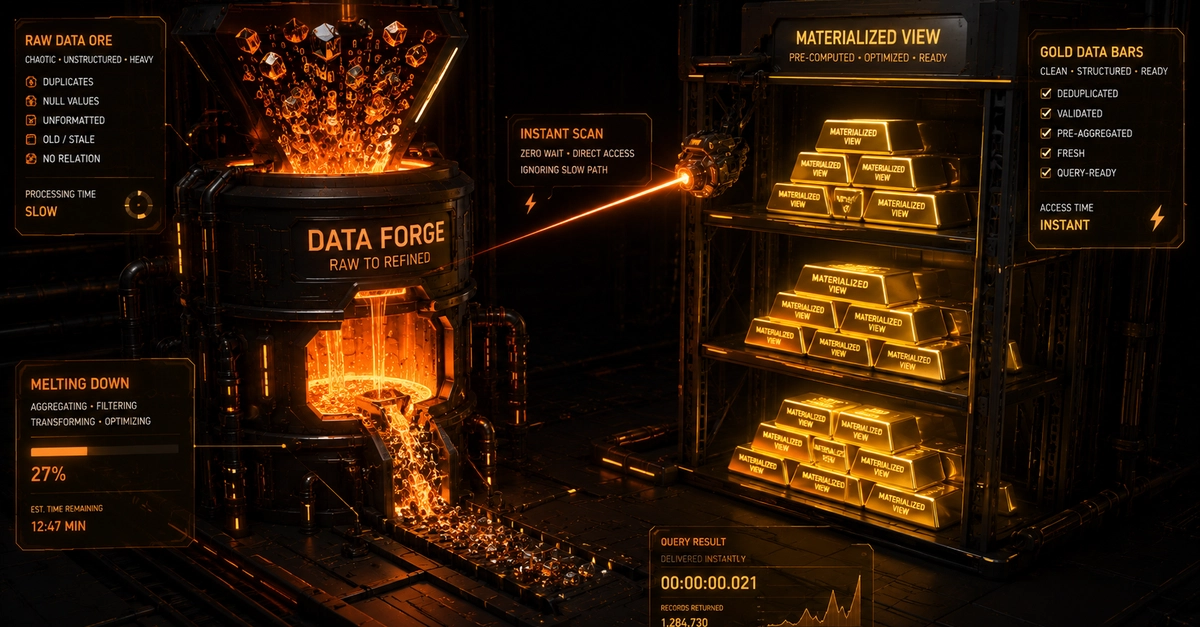
This is the moment most teams realize their production database and their analytics needs are fundamentally at odds. Transactional databases are optimized for fast writes and point lookups. Analytics workloads are the opposite — broad scans, heavy aggregations, multiple joins. Running them on the same database, without any abstraction, will hurt both.
The fix isn't a full data warehouse migration (not yet). It's building a lightweight analytics layer on top of what you already have — and once that layer is in place, a tool like Draxlr can sit on top of it to turn your SQL into shareable dashboards without extra infrastructure.
What Is an "Analytics Layer"?
It's not a separate product. It's a set of architectural patterns and SQL structures that sit between your raw application data and your reporting queries. The goal is to: