Nvidia, the company famed for supplying the picks and shovels that are powering the current AI boom, has its sights set on healthcare. The big tech firm provides the infrastructure — chips and software — underpinning the technology used in the sector.
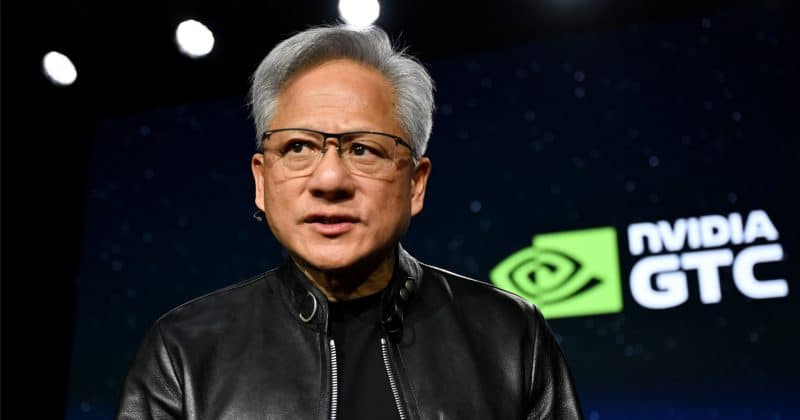
Its chief executive Jensen Huang has previously predicted that half of the big pharmaceutical companies’ research and development budgets will shift from traditional labs to AI-driven projects.
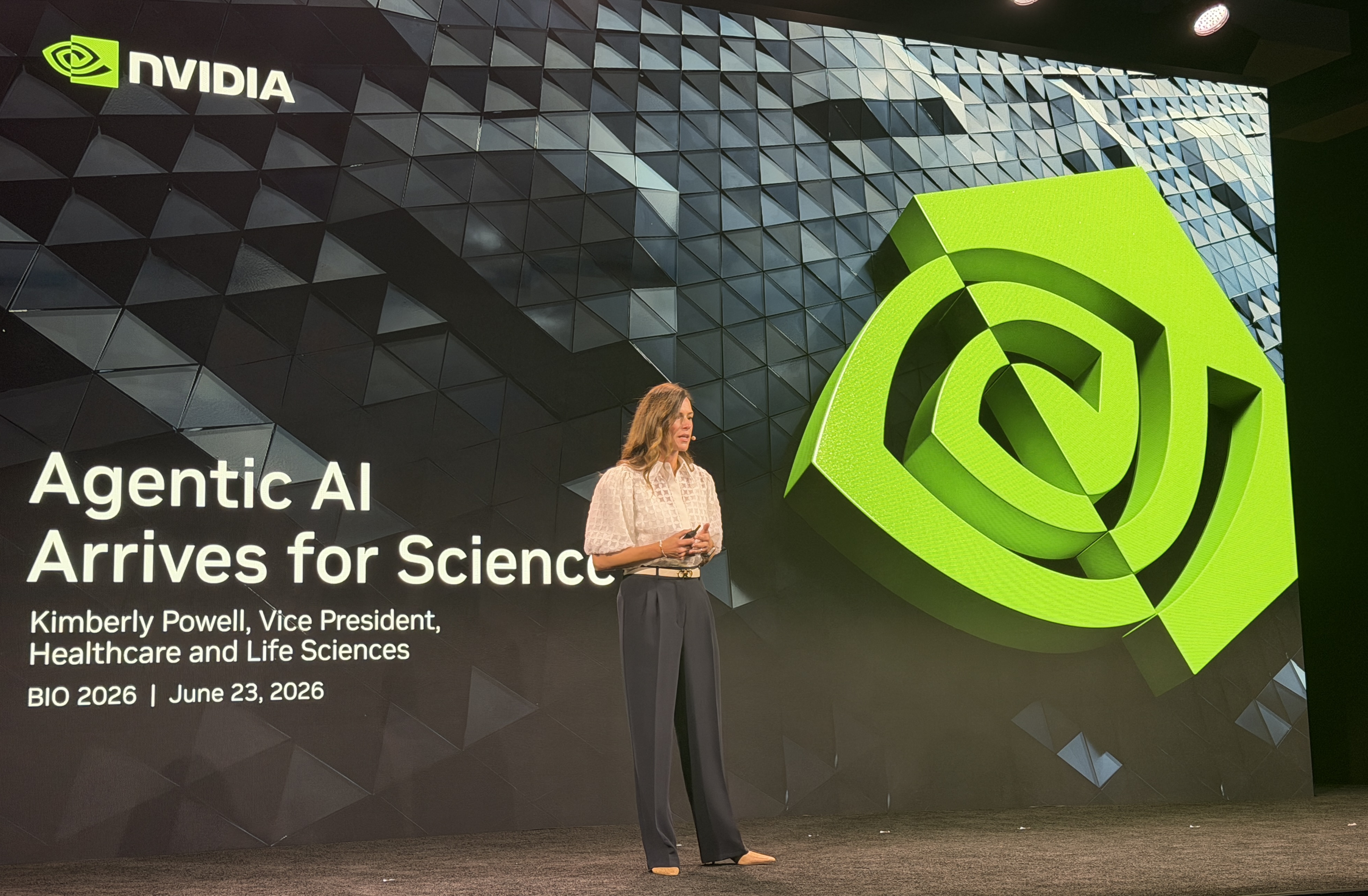
As vice-president of healthcare, Kimberly Powell is responsible for selling Nvidia’s hardware and software platforms that support medical imaging, life sciences, drug discovery and healthcare analytics. Powell joined the company in 2008 and helped to establish its GPU computing chips as a platform for medical imaging instruments.
In this conversation with the FT’s technology correspondent, Cristina Criddle, she argues that AI can help ease the workload on doctors, address the global shortage of trained medical staff, improve patient care and accelerate research into diseases and drug development.
Cristina Criddle: What do you think the hospital of the future is going to look like?