AI chip maker Nvidia’s fresh partnerships with Eli Lilly and Johnson & Johnson point to a broader trend in the pharmaceutical industry, where tie-ups with AI giants are intended to speed up drug discovery and make work easier for health care workers.
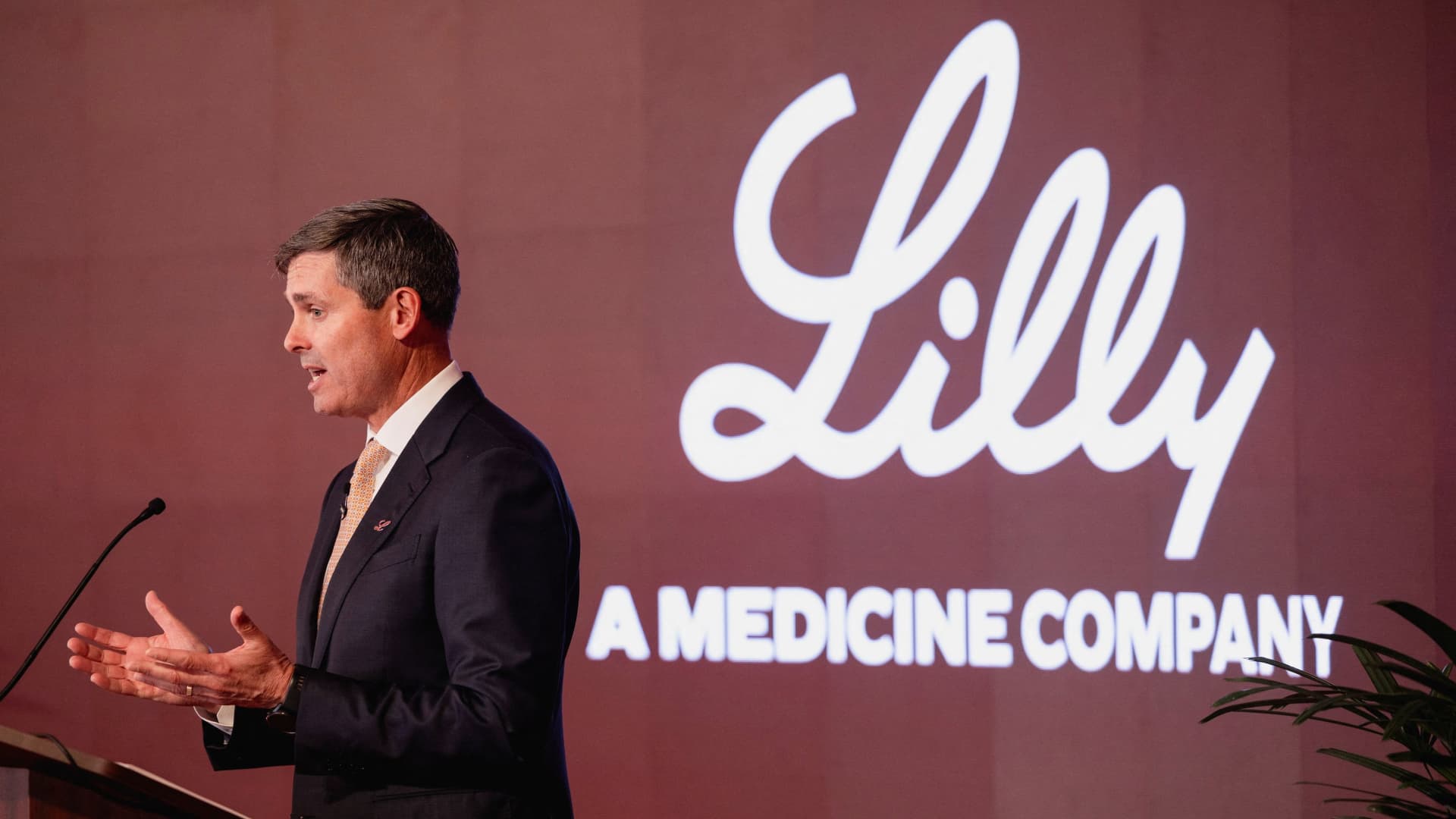
“We want everything to move really, really fast and we want to get a new molecule that’s going to change the world in another six months,” says Diogo Rau, Eli Lilly’s chief information and digital officer. But despite that urgency, Rau acknowledges that science still takes time. New drug discovery can take well over a decade and well north of $2 billion, on average, before they can obtain regulatory approval.
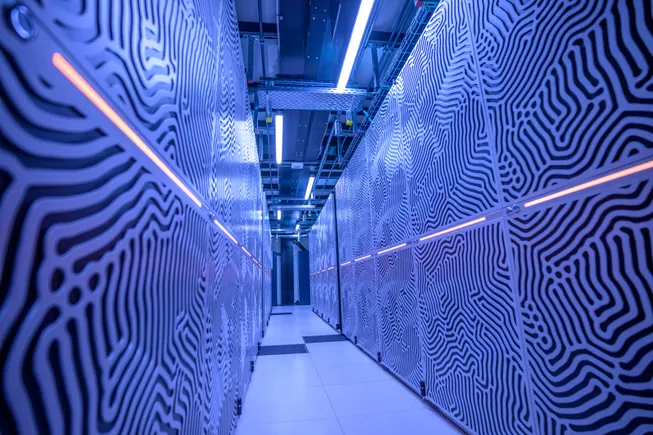
Rau and Eli Lilly are betting that AI can speed things up. In late October, the company announced plans to create a new Nvidia-chip powered “supercomputer” and “AI factory” that will go online by early 2026, allowing scientists to utilize models trained on millions of experiments to test new therapies. Some of the proprietary AI models will be made available on Lilly TuneLab, a platform that Lilly launched in September that gives smaller biotech firms access to AI models that have been trained on the larger firm’s research.
Separately, J&J on the same day, announced its own partnership with Nvidia, relying on the AI company’s foundation models to create simulated environments for surgical teams to plan their kidney stone procedures. J&J says this application of so-called “physical AI” will optimize the process to map out procedures, make it easier to train doctors, and will result in more consistent and better clinical outcomes for patients.