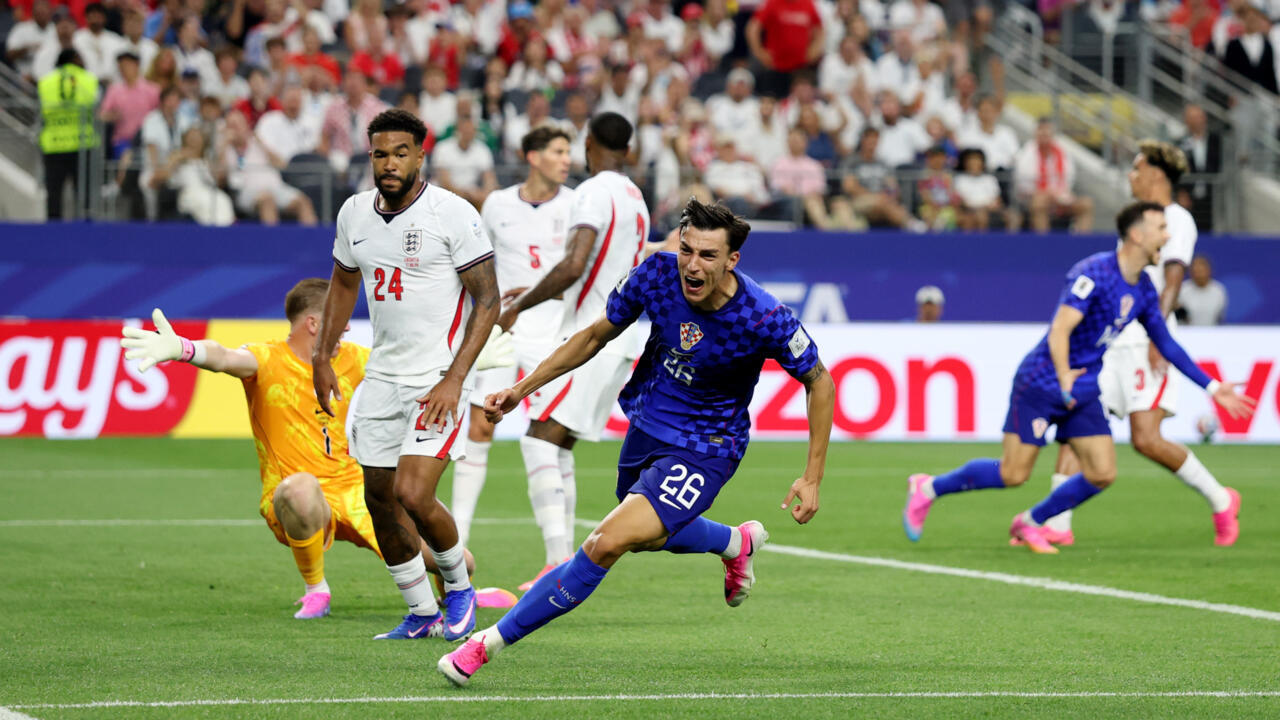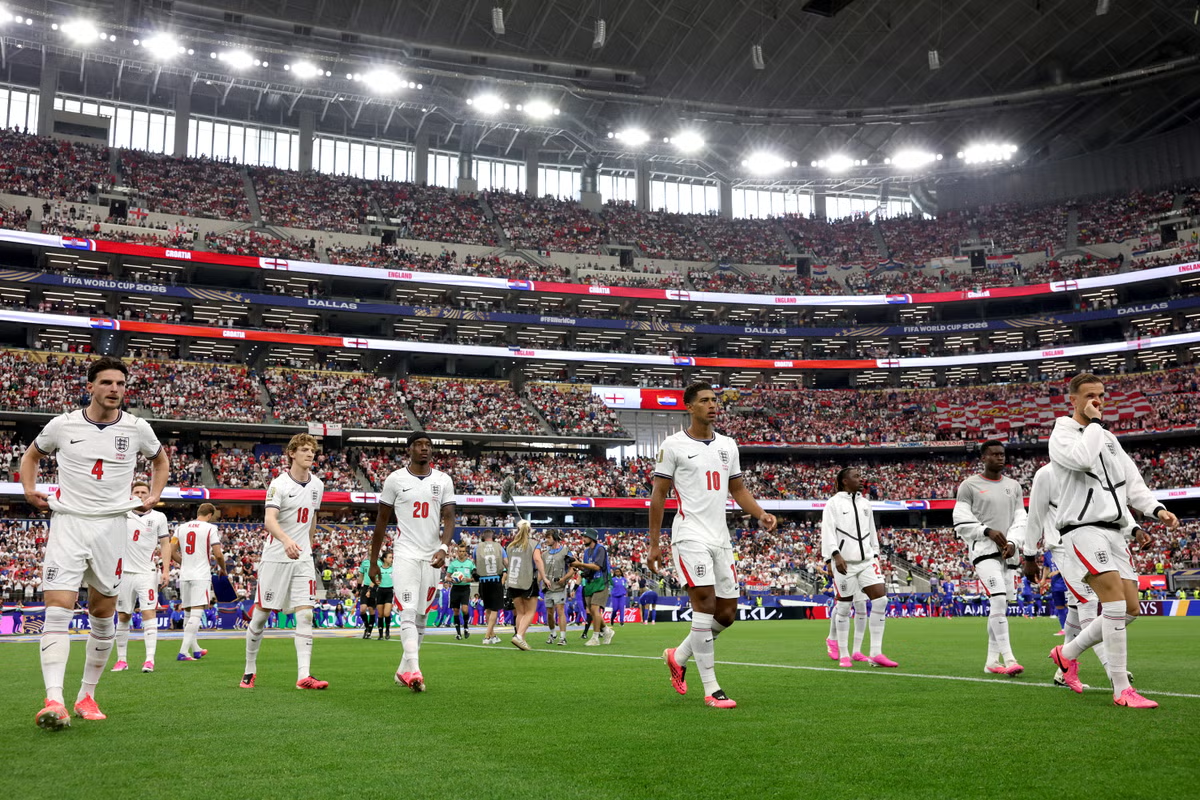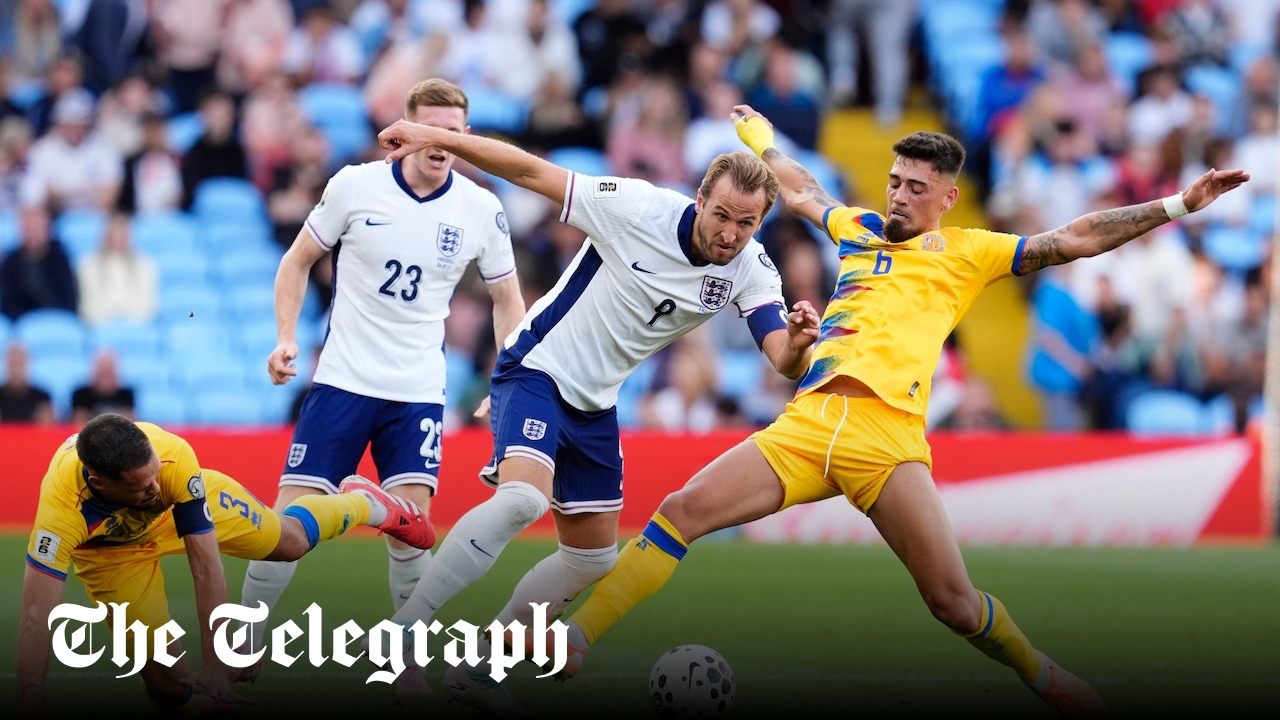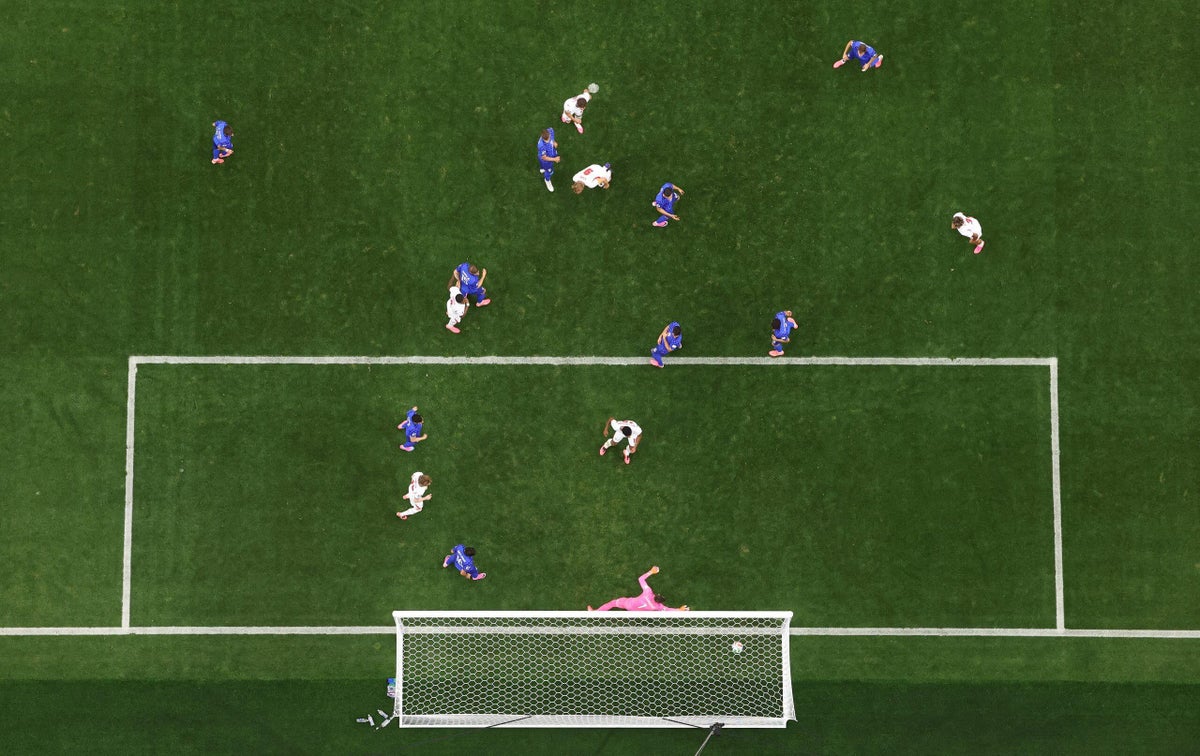
Get free access to the most comprehensive World Cup coverage in The Athletic app.It is fair to say that the topic of corners and set-pieces has been hotly contested on English shores over the past couple of years.Ever since specialist coaches and long throws returned to top-flight touchlines, the ethics and aesthetics of inswinging corner kicks and crowded six-yard boxes have dominated discussion. It all culminated as Arsenal became Premier League Champions in May, having scored more goals from dead-ball deliveries than any other side.Whatever your opinion, it is tough to ignore the positive impact of maximising set plays. The Premier League saw 57 more set-piece goals last term than in the season before, while expected goals (xG) from such situations rose by almost 22 per cent. With expert takers and towering targets throughout his squad, it makes sense that England head coach Thomas Tuchel should look towards them too.At a competition like the World Cup, where England are potentially now seven games from silverware, every advantage counts. Christian Moya, an assistant coach and set-piece analyst at La Liga club Sevilla, was impressed by the detail with which Tuchel’s side had prepared their set-piece approach for their opening match against Croatia last Wednesday.“It is one of the most important aspects of the modern game because teams at this level are often evenly matched,” he tells The Athletic. “Games can be decided by set pieces, much like that one, so teams should be looking at how they can create danger from corners and wide free kicks, as well as how to keep them out at the other end.”England generated nine shots from set pieces against Croatia, while their corner-kick routines, which led to Harry Kane’s two goals and two big chances for Nico O’Reilly, were particularly incisive. But exactly what is behind their efficiency? And how might that carry forward through the rest of the competition?Moya is keen to emphasise three key strengths in England’s set-piece armoury: delivery, clinical finishers and timing.“It is so simple but at the same time, so difficult,” he says. “To have players at such a level to consistently deliver and attack corners is not always possible, but England can rely on a number of specialists.“Once you have those players, it is about movement in the box, the ability to read the game and react to the opposition’s zonal or man-marking system. But above all, what really matters is having experts at both taking the corner and finishing it off: (Declan) Rice and Kane, to name just two.”Though Tuchel was able to lean on Rice’s expertise against Croatia, it has not been a case of simply lifting what has worked for him at Arsenal onto the World Cup stage. Just over 84 per cent of his corners were inswingers in the Premier League last season, while his five outswingers on Wednesday almost matches his tally of seven from the entire 2025-26 club season.That was partly due to Bukayo Saka’s absence but it also follows a tournament trend — there has been notable variation when it comes to corner kicks, particularly from the right side, with more teams looking to experiment with curling crosses away from goal.Moya suggests that the tendency of most teams to defend corners zonally could be behind that shift. While some teams, like Arsenal, have found success in doubling down and crowding the six-yard box, others have sought to avoid creating a cluster of players close to the goalkeeper.“When facing a defence who place four, five, or even six players in zonal positions, an outswinger helps to send the ball further out, towards the penalty spot or past the far post, where there are fewer players. It makes it easier for attacking players to move and improvise, rather than jostling in compact space.”How far can England actually go at the World Cup?Jack Pitt-Brooke and Rachael TindeThe images below illustrate how England set up for their first corner of the game, leading to Luka Modric’s foul on Noni Madueke and a penalty for Tuchel’s side. As we can see, Croatia defend with six zonal players — three at the front post, three towards the back — while another three players are the assigned blockers, who will look to prevent runners attacking the cross.With so many defenders stuck to their positions, it allows Ezri Konsa to peel from his starting position at the back post and adapt to the flight of the ball with a curved run.“The accuracy of Rice’s crosses are excellent but the power he puts into the ball is, in my view, the most decisive factor,” Moya says. “The fact the ball is struck so hard, and that he is able to make the ball rise and dip with such speed, makes it really difficult for defenders to deal with a good cross. “It also makes it easy to make contact with the ball and direct it when the attacker doesn’t have to generate that power themselves.”Everything comes together for the next corner, with Kane taking up the free role away from the crowd this time.As Rice whips the ball in with bend and power, keep an eye on England’s blockers in the clip below. Konsa pushes Mario Pasalic towards the front post, while O’Reilly barges Josip Stanisic in the opposite direction. Meanwhile, John Stones keeps tabs on two zonal players in the centre, making it more difficult for them to jump and challenge Kane.“The timing is so important here, ensuring that Kane gets into the shooting position with space,” Moya says. “It is crucial that everything is co-ordinated and that is perfected on the training ground; the blockers know that when Rice starts his run, they must contain their markers and leave the space behind them for Kane to attack.”More pleasing from an England perspective was the on-pitch initiative that the players showed to keep on punishing Croatia’s rigid zonal system.“They adapt to the opposition’s marking, they are aware that one of them is free as Croatia only commit three players man-to-man,” says Moya. “The movements are the same in every instance — the marked players drag defenders away while the unmarked player finds the space.”In the clip below, early in the second half, O’Reilly is the spare player and mixes up his movement to create more confusion for Croatia’s zonal players. Rather than hanging back, he starts on the goal line before darting in front of Luka Vuskovic and directing a strong header towards goal.England also showed that they can find the free man at the back post with inswinging deliveries, suggesting that they can still be a threat when Saka is back curling corners towards goal with his left.Here, once again, it is O’Reilly with space to operate away from Croatia’s man-to-man defenders. With a deep, whipped cross to the back corner of the six-yard box, Rice avoids the zonal markers and creates the headed chance.There were clear weaknesses with the Croatian approach, who failed to adapt to the three-vs-four overload that England consistently had in the man-to-man battle. But even if future opponents are more aggressive, Moya is sure that Tuchel’s side will find another solution.“Croatia’s defensive approach is quite common these days,” he says. “That is why England chose to attack in that way, making sure to create that numerical advantage in their favour. But even if Ghana, Panama, or anyone they will face in the knockout stages switches up their strategy, England will adapt.“This is why all top-fight teams have their own set-piece coach because every match involves a different attacking and defensive system. You have to prepare very thoroughly to know what you are going to face. Just as we talk about formations during open play, there are clear systems in place when it comes to corner kicks, such as a 3-3 or a 2-4 — which is two players in the six-yard box and four attackers behind — as we saw with England against Croatia.”Though England have demonstrated that they can blow teams away with pitch-sweeping counter-attacks and quality out wide, their set-piece proficiency will be another crucial asset — one that can dig them out of a hole should they run into a stubborn defence.
Delivery, timing and finishers: England’s new threat from set pieces at the World Cup
Thomas Tuchel's side were a real danger from corners and free kicks in their opening win over Croatia. It might prove a vital new strength
1,364 words~6 min read