Story audio is generated using AI
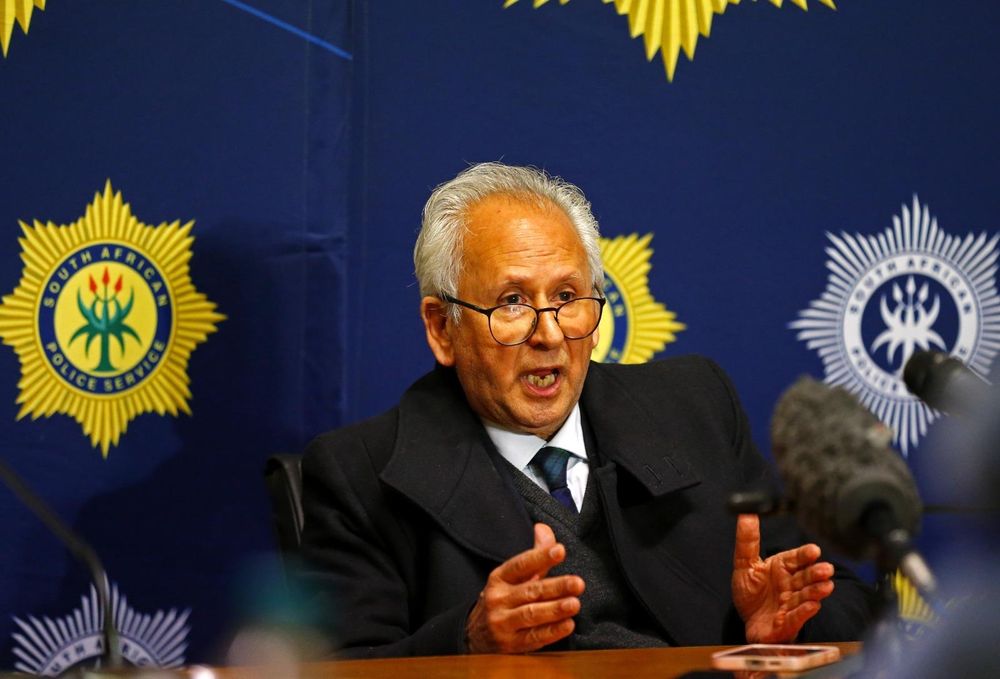
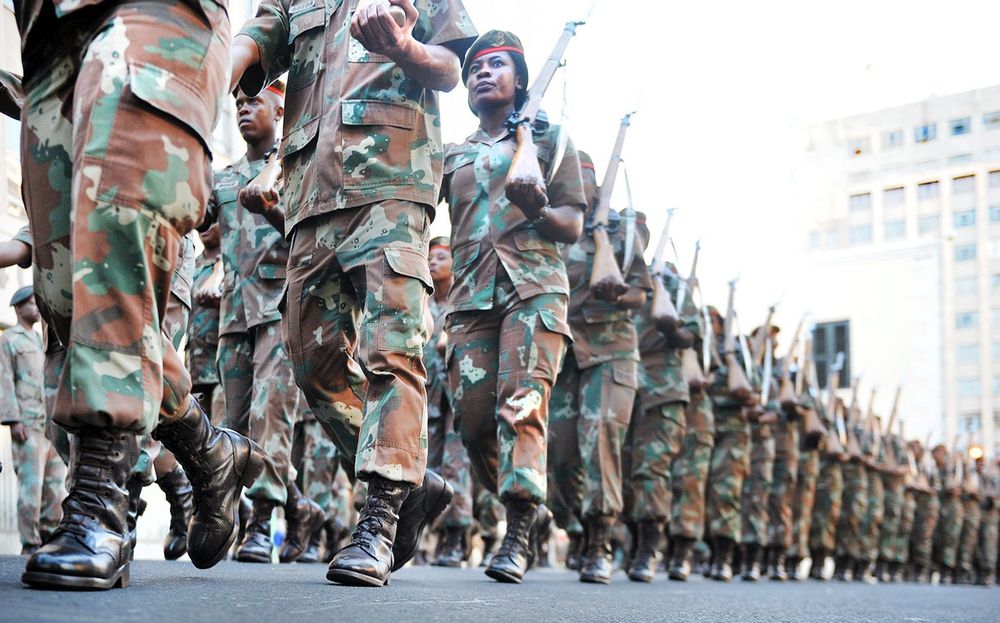
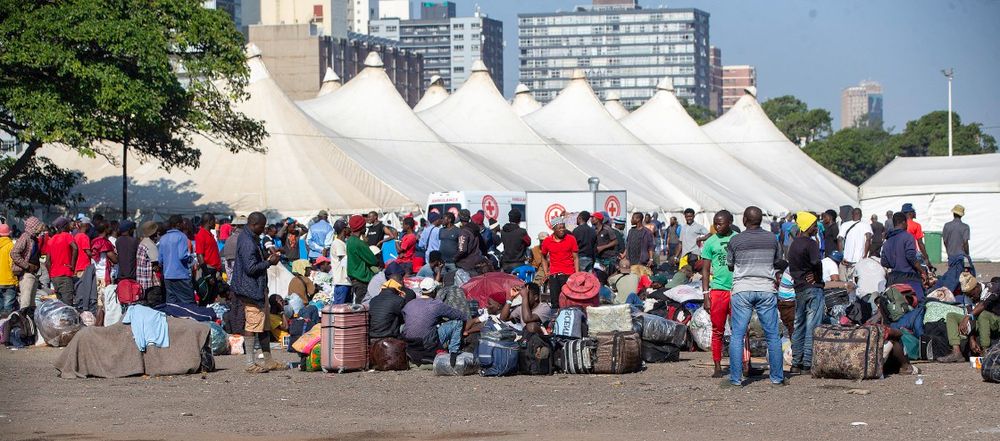
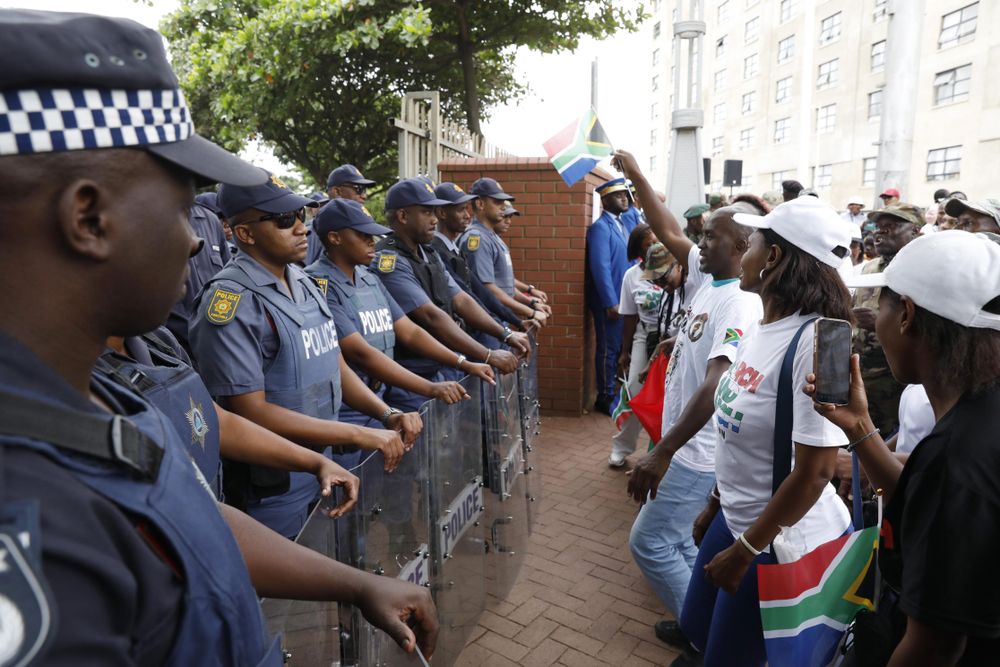
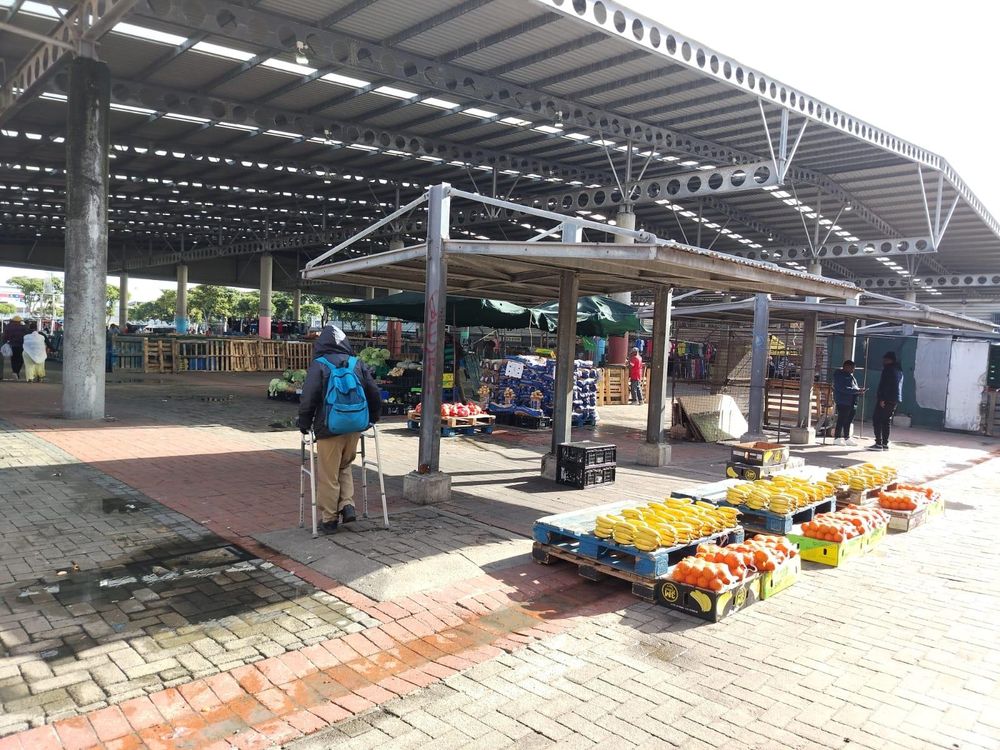
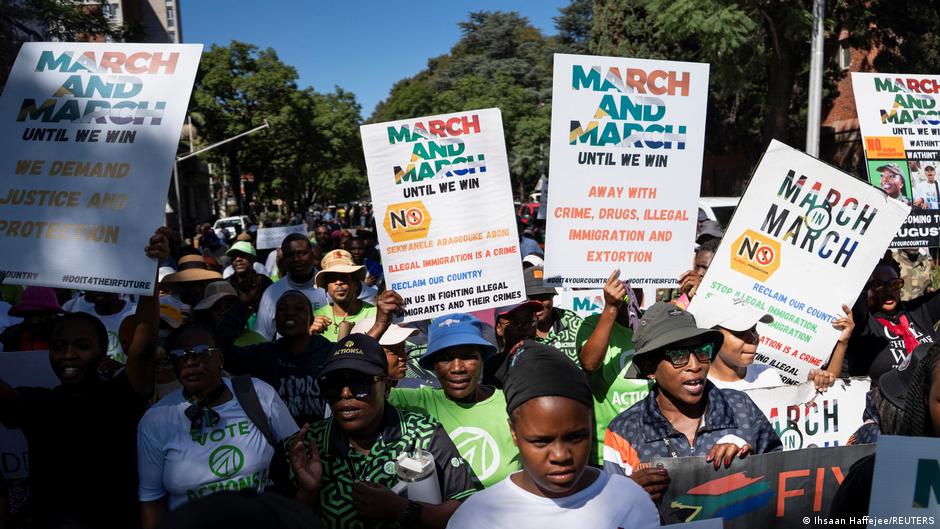
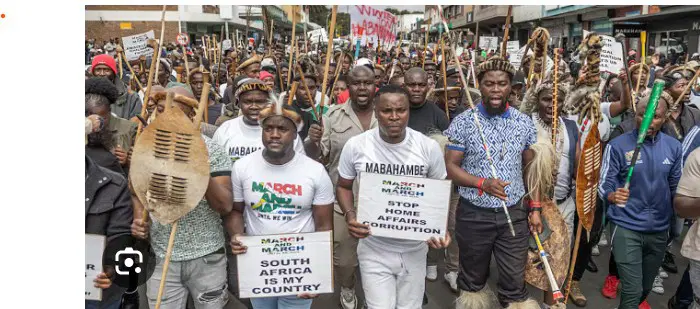
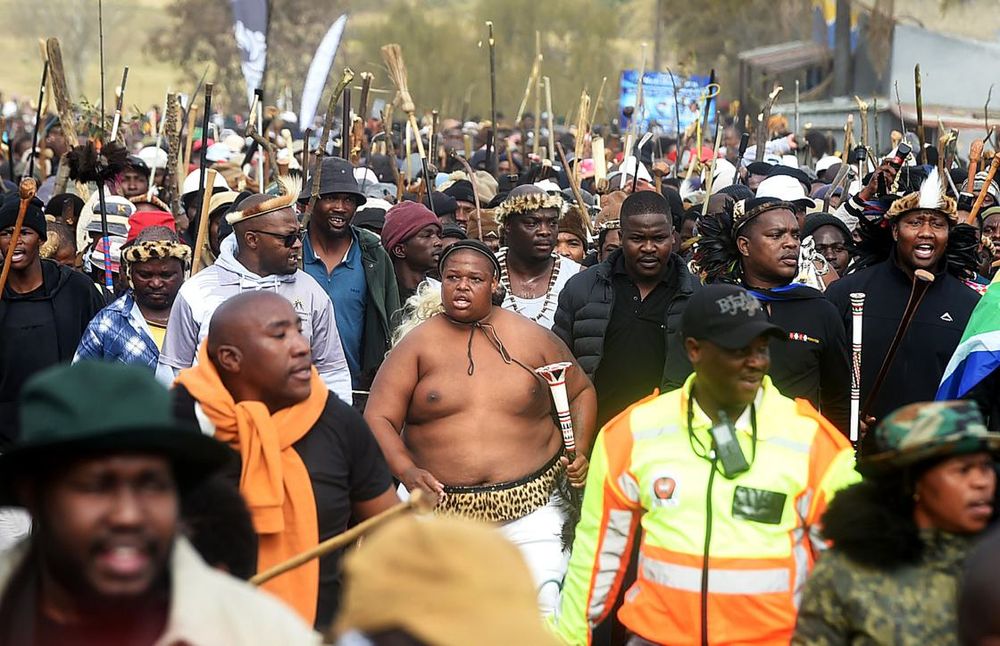
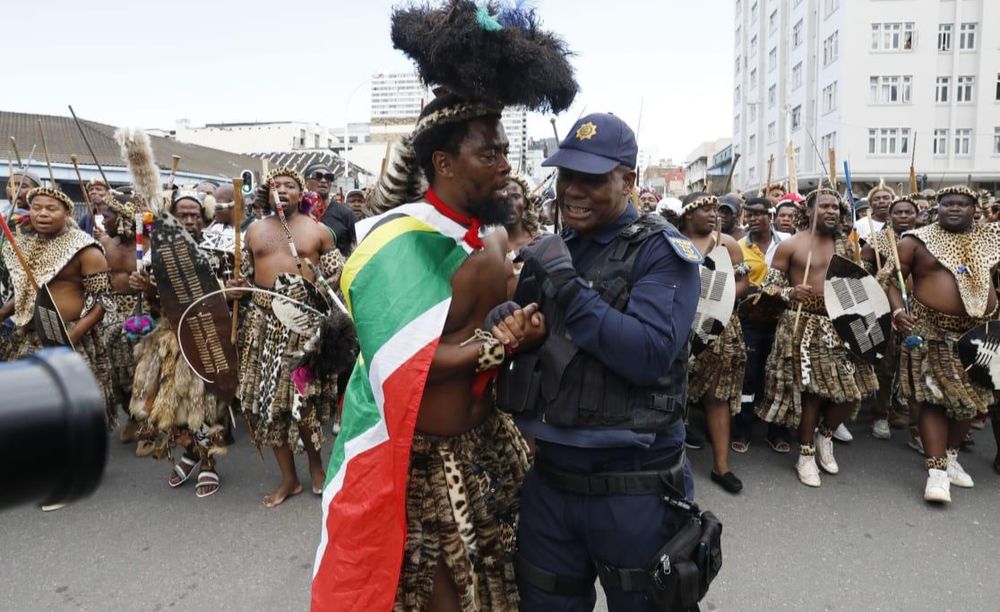
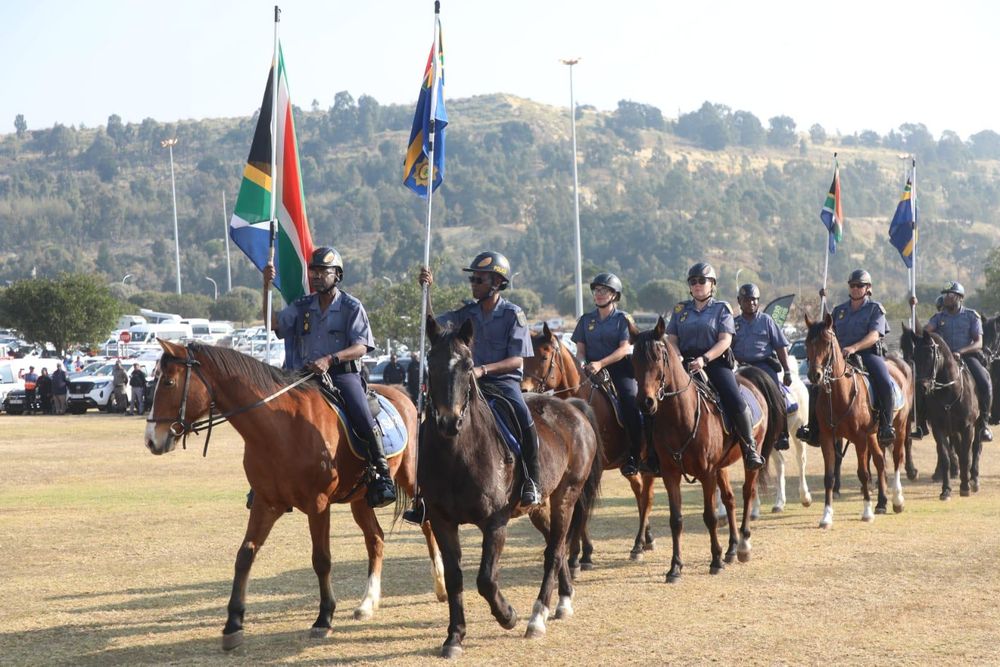
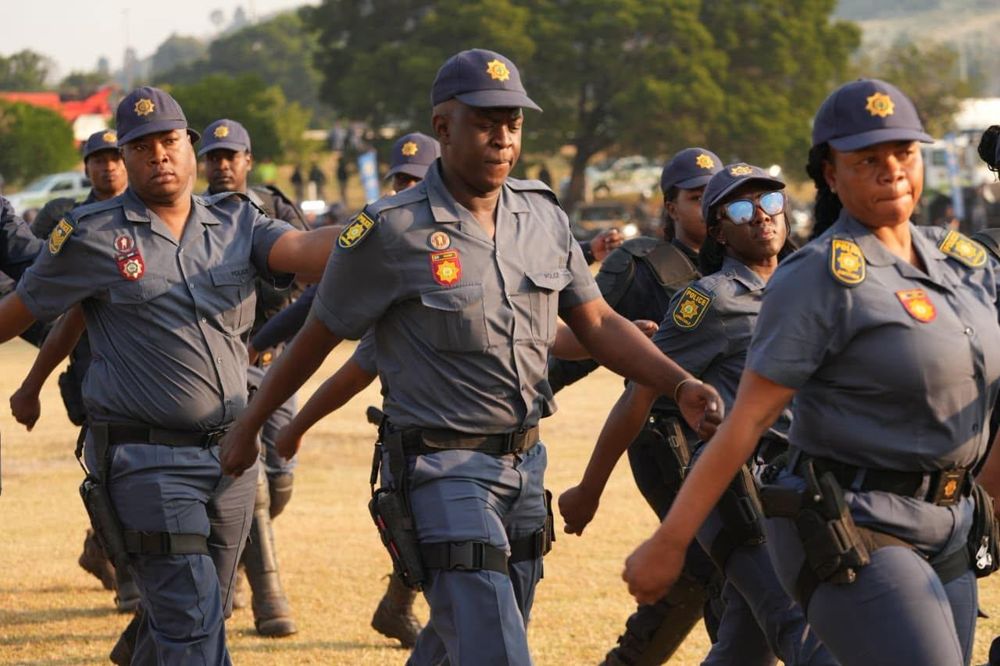
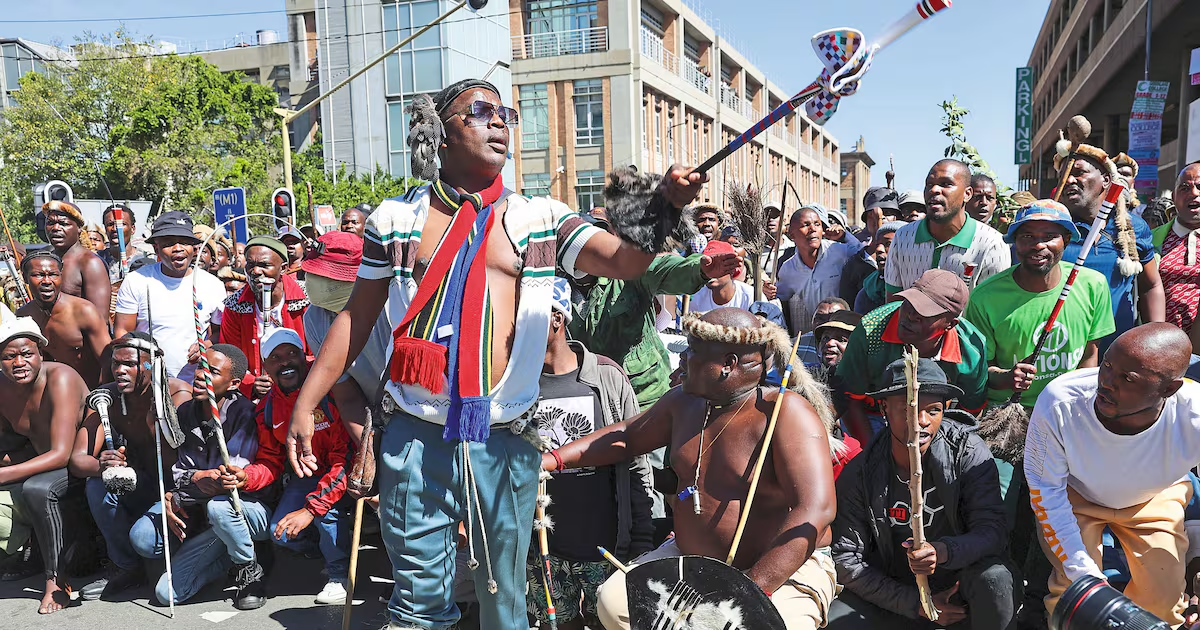
Fidelity Business Intelligence, a unit of the largest private security company in South Africa, has profiled the possible risk of immigration protests after June 30, citing KwaZulu-Natal and Gauteng as the flashpoints. Pressure groups and anti-immigration groups say they will take to the streets nationwide to protest the scourge of illegal immigration, crime and shortage of jobs bedevilling the country.But the government and organised business fear the protests could run out of control and spark riots reminiscent of those in July 2021 that left 354 people dead and R50bn lost in mass lootings in malls and business centres. President Cyril Ramaphosa’s expert panel appointed after the 2021 arrest also pointed at the two provinces as the epicentre of the unrest.The president himself addressed the nation a week ago, calling for restraint and peaceful protests. But fears of confrontations between protest groups, foreign nationals and law enforcement resulting in major road closures, business shutdowns and opportunistic looting remain real. In a report dated June 17, Fidelity recommended concentrated security deployments across the Durban corridor, hourly situation reports from KwaZulu-Natal and contingency planning across Gauteng’s key logistics routes ahead of the possible shutdown date.“KwaZulu-Natal remains the primary concern, driven by unrest in Sherwood, Umgeni and Kokstad,” the unit’s assessment report said. “National disruption remains localised, but anti-immigration mobilisation and upcoming labour action require focused deployment in Durban and readiness for June 30. Retail, logistics, transport and foreign-owned businesses remain most exposed, particularly in KwaZulu-Natal and Gauteng. “Main risks include road blockages, access restrictions, delivery delays, intimidation and temporary business closures.” The most serious incident thus far took place in Sherwood, Durban, where a large gathering of Malawian nationals at a repatriation processing site turned violent after March and March-linked activists arrived. Police deployed stun grenades and crowd control units.Gauteng, the country’s economic hub, is rated moderately high risk-wise, with confirmed mobilisation in Tembisa, Jeppestown and the City Deep market corridor threatening a disruption to fresh produce and logistics operations.Outside KwaZulu-Natal and Gauteng, protest activity across the rest of the country remains at lower risk levels. The Western Cape is rated as moderate, with confirmed anti-illegal immigration activity in Khayelitsha. The Northern Cape, North West, Eastern Cape and Free State are all rated low to moderate, with no confirmed protest activity recorded during the reporting period, according to the analysis. The anti-migration group March and March is continuing with its plans to push foreign nationals living in South Africa out of the country, but the police have moved to assure South Africans the service is prepared to maintain law and order ahead of the June 30 deadline. The deadline is not legally binding, and the government has distanced itself from it. Defence minister Angie Motshekga said SANDF troops will only be deployed if the SAPS calls for assistance. Its priority now is protecting national key points.“In case things get out of hand and public property gets really vandalised, like it happened in places, police will invite us to assist,” Motshekga said on Monday after a meeting with acting police minister Firoz Cachalia. The justice, crime prevention & security cluster, a government body that brings together departments responsible for national security, law enforcement and crime prevention, met the Zulu royal family on Sunday for support in thwarting the planned nationwide demonstrations. “The purpose of the engagement was to discuss the planned June 30 demonstrations and to seek the support of traditional leadership in encouraging communities to address concerns relating to illegal immigration through lawful and peaceful means,” the cluster said in a statement on Monday. “The government also requested the Zulu kingdom lend its voice in condemning violence, intimidation and any attacks directed at foreign nationals. The engagement was constructive and successful.” The illegal immigration problem has solicited varying reactions in government, civil society and organised labour and has divided the nation.Ramaphosa has condemned acts of criminality seen in some anti-migration protests but admitted, however, that undocumented migration placed a strain on healthcare, housing and municipal services in poor areas and distorted the labour market. Organised labour last week rallied behind foreign nationals, saying they are not to blame for the socioeconomic crises blighting South Africa. Regional governments and those from Nigeria and Ghana on Monday continued with efforts to repatriate their citizens ahead of the deadline set by anti-migration activists Ngizwe Mchunu, Nkosikhona “Phakelumthakathi” Ndabandaba, and March and March leader Jacinta Ngobese, fearing xenophobic violence. These leaders, who have held anti-migration marches across the country, accuse foreigners of taking their jobs and say they have to compete with them over access to scant basic services such as healthcare and education.Ngobese did not immediately respond to questions sent to her. Nelson Mandela University political analyst Ntsikelelo Breakfast said: “This initiative emanated outside of the government, which is trying to catch up on all the demands and ultimatums by March and March. They should have intercepted this. Surely this was planned somewhere? It didn’t just start out of the blue. The law enforcement agencies can’t be caught by surprise. “As the government, you need to come across as being in charge; you can’t allow people to give foreigners 30 days to leave South Africa; it doesn’t paint a good picture.”