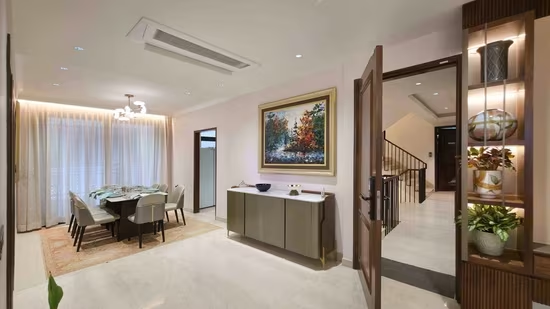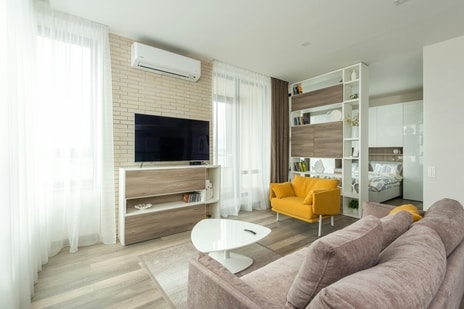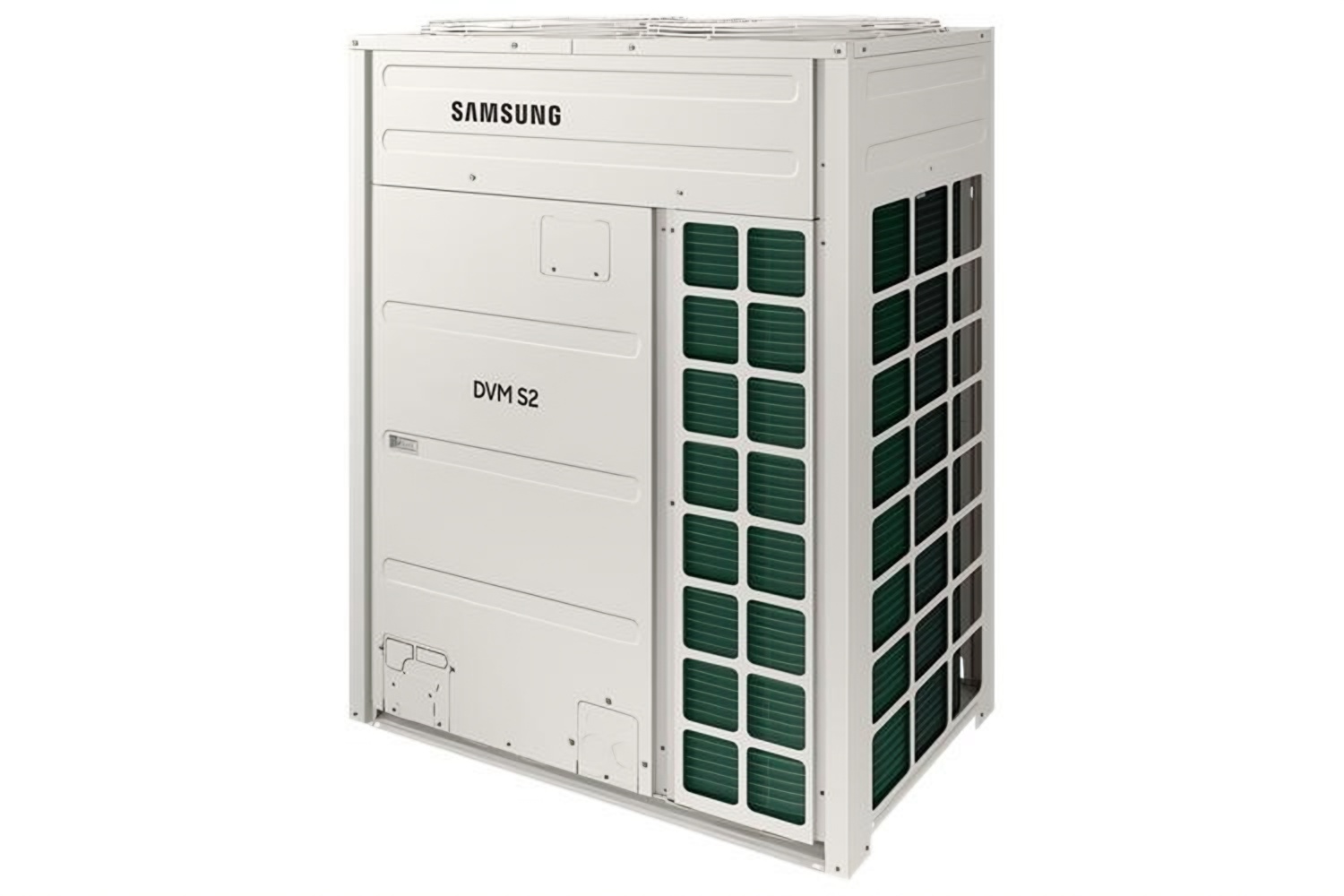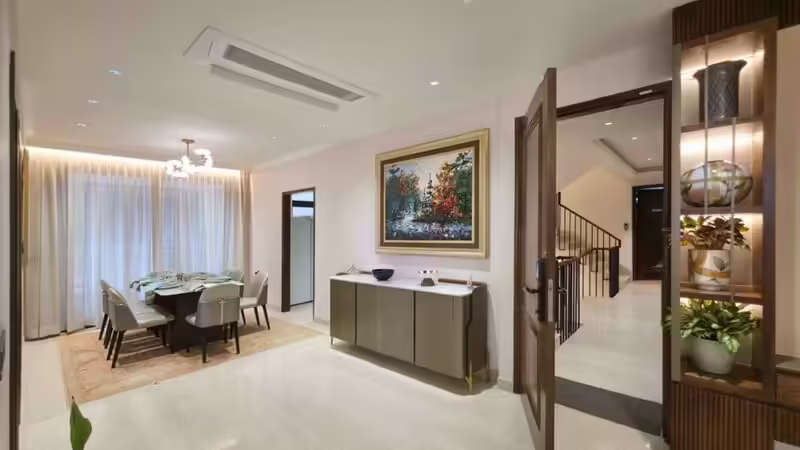
Samsung is rolling out its latest line-up of climate control systems designed for Indian homes, integrating WindFree technology, PM1. 0 purification, connectivity and AI through VRF infrastructure. The systems look set to tackle the growing concerns over health air quality, urban summer temperatures, energy usage and the rise in connectivity, the Samsung announcement explains.The solutions will be put into use across 284 units of luxury homes at The Orchard at Central Park Flower Valley in Gurgaon, using a Samsung’s 4,864 HP AI-equipped VRF infrastructure. Samsung said the development will serve as a flagship pilot demonstration of integrated heating and cooling (and air purification) smart home and energy solutions.Key TakeawaysSamsung has deployed an integrated residential climate ecosystem combining WindFree cooling, PM1. 0 purification, SmartThings connectivity and AI-enabled VRF technology.The solution has been implemented at Central Park Flower Valley's The Orchard project in Gurugram.The project covers 284 luxury residences and is supported by a 4,864 HP AI-enabled VRF infrastructure.Samsung says the system is designed to improve comfort, indoor air quality and energy efficiency.SmartThings integration enables remote monitoring, automation and connected home controls.Samsung bets on integrated climate ecosystems for premium homesSamsung isn't treating cooling as a product category, instead integrating various technologies together in a 'smart home' system with WindFree air-conditioning systems (with an optional PM1. 0 air purifier, if the user wants), DVM S2 VRF air-conditioning systems, (which have Wi-Fi and SmartThings), and S2 AI systems (on the outside unit). Samsung explained the decision as being driven by home-buyers and premium house-owners demanding smarter, energy-efficient, and even healthier environments, as well as climate cooling."Homeowners today are no longer looking for a traditional air conditioning system but are seeking holistic home solutions that incorporate wellness, connected living, extreme convenience, and intelligent energy management. Samsung’s WindFree Climate Solutions have been developed to offer precisely this by integrating several innovative capabilities into a single, eco-system approach specific to the Indian market," said Vipin Agrawal, Head of SAC Business at Samsung India. The new approach, Samsung claims, is "especially suited for metropolitan areas, characterized by a deteriorating quality of air and prolonged summers".WindFree technology targets comfort without direct cold draftsAmong the key tech points mentioned for Samsung in an announcement is the WindFree cooling technology that looks to provide a solution for what is dubbed as the "summer cold." This issue, according to Samsung's explanation, arises from traditional air conditioners that keep blowing air on the people inside when the room has reached the temperature that people desire, making it unpleasant if it's on for an extended period. Samsung has revealed its WindFree technology is achieved through a method of dispersing cool air over more than 10,000 micro air holes to provide "Still Air" with the lowest air speed to reduce the sensation of a cold draft, all while maintaining the room temperature gently.The company hopes this can be a beneficial feature in over-night operation as well as in family common areas, areas where the A/C can be running all day round.This technology is based on how we use our room and Samsung looks to set WindFree as a room cooling experience centred around these patterns.Indoor air quality becomes a central part of residential coolingSamsung is also placing significant emphasis on air purification as part of its climate offering. With air quality levels in regions such as Delhi NCR frequently becoming a concern, the company says indoor air quality has emerged as a major consideration for homebuyers.The WindFree 1 Way Cassette AC units can be equipped with an optional PM1. 0 purification panel featuring a two-stage filtration system. According to Samsung, the pre-filter captures larger dust particles and fibres, while the PM1. 0 filter is designed to capture ultrafine particles as small as 0.3 microns.The company further states that the filtration system uses electrostatic precipitator technology verified by Intertek and can sterilize up to 99% of bacteria trapped within the filter. By integrating purification directly into the cooling infrastructure, Samsung aims to provide cleaner indoor environments without requiring separate air purification devices.SmartThings and AI bring connected controls and efficiencyAnother of the biggest pieces of Samsung's residential climate play is connectivity. SmartThings integration allows control over cooling devices from a smartphone, enabling scheduling of Cooling cycles via geo-fencing capabilities, as well as enabling of voice control over Samsung cooling devices through Bixby and other voice assist integrations. Samsung's interconnected ecosystem also allows visibility into energy usage of HVAC equipment and collaboration with other smart appliances in the household; an element that Samsung says will only become more crucial as smart homes rise in importance in India.For the infrastructure, on the equipment front, Samsung is powering this initiative with DVM S2 VRF Outdoor Units that feature Active AI Pressure Control and Active AI Refrigerant Analysis.Samsung indicates that these technologies continuously analyse the environmental factors, piping lengths and operating cycles to modulate the refrigerant pressure and maximize the unit's operational output. In fact, the Korean manufacturer indicates that the AI-powered pressure control system can modulate the system pressure as high as up to 32 percent while reducing energy consumption by as high as 15 percent. Also designed to learn and predict the operating habits of its consumers, it could also proactively tweak Cooling and cooling system operations when recurring operating trends are noticed. Meanwhile, Active AI Refrigerant Analysis continuously analyses refrigerant level and alerts technicians when operating outside normal ranges, safeguarding sustained high efficiency over many years.Gurugram project showcases large-scale deploymentSamsung’s latest deployment is already at the Orchard, part of Central Park Flower Valley in Gurugram. This development, “is the largest luxury residential project in India, with integrated WindFree technology, PM1. 0 air purification, SmartThings app connectivity, and intelligent AI-based VRF infrastructure scaled,” Samsung added. Spanning 284 residences, the project’s HVAC system has an installed capacity of 4,864 HP.The installation acts as a demonstration of the capabilities to intelligently cool residential communities while providing enhanced air quality, connected home solutions and health benefits.For Samsung, the project is not just a product installation. It demonstrates the future vision for home environments where HVAC solutions will be central to ensuring energy efficiency, indoor air quality and smart home environments.Frequently Asked Questions1. How is WindFree technology different from traditional air conditioning?Samsung says WindFree disperses cool air through 10,000 micro air holes instead of blowing cold air directly, helping maintain comfort without strong drafts.2. Why is Samsung combining air purification with cooling systems?The company says growing concerns around indoor air quality, particularly in cities such as Delhi NCR, are increasing demand for integrated climate and purification solutions.3. What role does artificial intelligence play in Samsung's residential climate ecosystem?AI is used to analyse cooling patterns, ambient conditions and refrigerant performance to optimize comfort and energy efficiency.4. Can homeowners control the system remotely?Yes. Through Samsung's SmartThings platform, users can monitor and manage cooling settings using smartphones and compatible voice assistants.5. What is Active AI Refrigerant Analysis designed to do?The feature continuously monitors refrigerant levels and can alert service teams if abnormal operating conditions are detected.6. Why is Samsung highlighting this Gurugram project?The deployment serves as a large-scale example of how connected cooling, air purification and AI-powered energy management can work together in residential developments.7. What consumer trends is Samsung targeting with these solutions?The company is focusing on rising demand for healthier indoor environments, connected homes, energy efficiency and personalized comfort.end of article
Why Samsung’s AI Powered WindFree AC are a Big Deal
Samsung is rolling out its latest line-up of climate control systems designed for Indian homes, integrating WindFree technology, PM1. 0 purification, connectivity and AI through VRF infrastructure. The systems look set to tackle the growing concerns over health air quality, urban summer temperatures, energy usage and the rise in connectivity, the Samsung announcement explains.The solutions will be put into use across 284 units of luxury homes at The Orchard at Central Park Flower Valley in Gurgaon, using a Samsung’s 4,864 HP AI-equipped VRF infrastructure.
Samsung integrates WindFree AC, PM1.0 purification, SmartThings and AI VRF across 284 luxury units in Gurgaon. Signals premium shift to holistic smart homes: integrated air quality, connectivity, AI efficiency (32% pressure boost, 15% energy cut).