Regulations
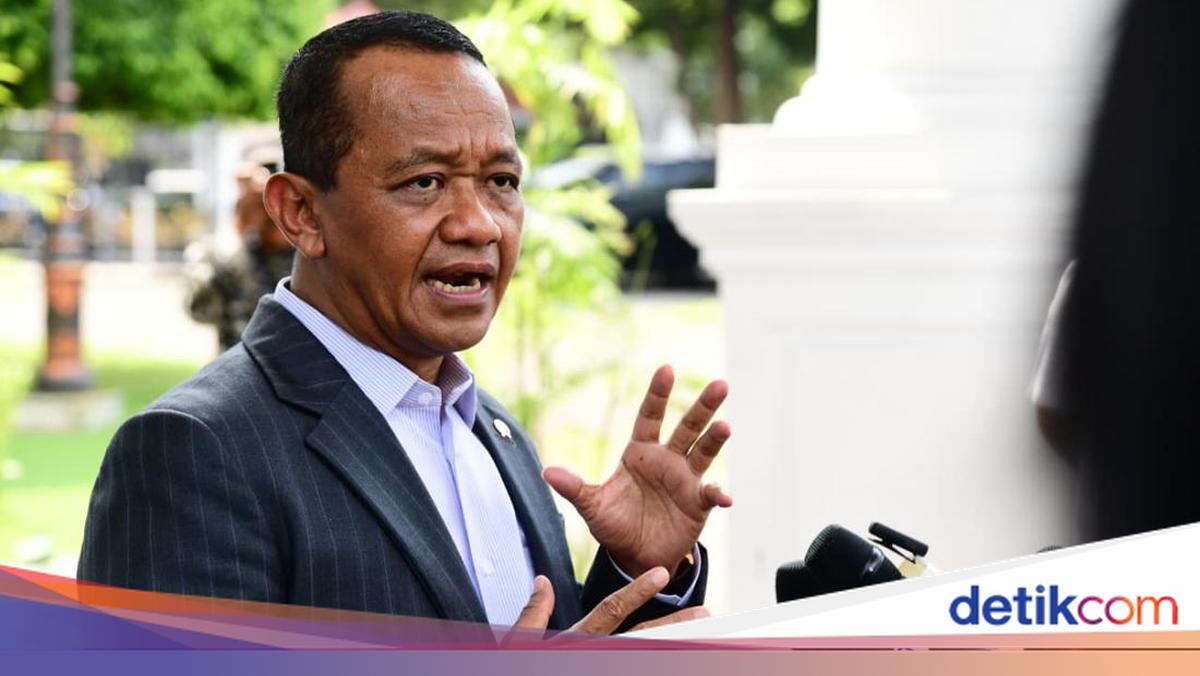
Energy and Mineral Resources Minister Bahlil Lahadalia previously revealed a significant 20-million-tonne coal supply gap for PLN that remains uncontracted this year, raising fresh concerns about national energy security.
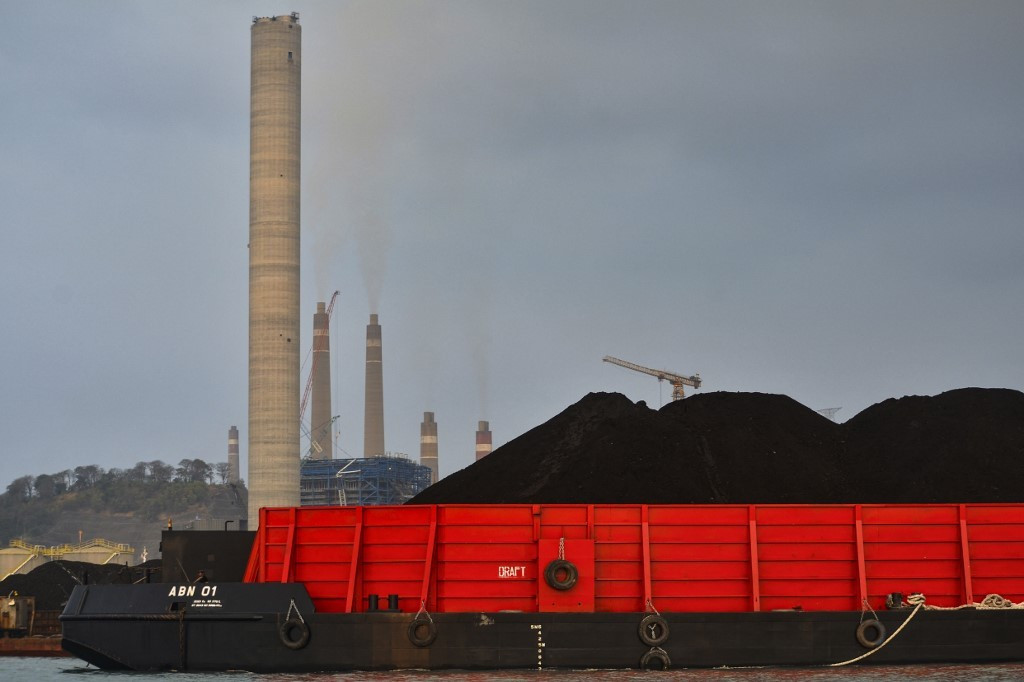
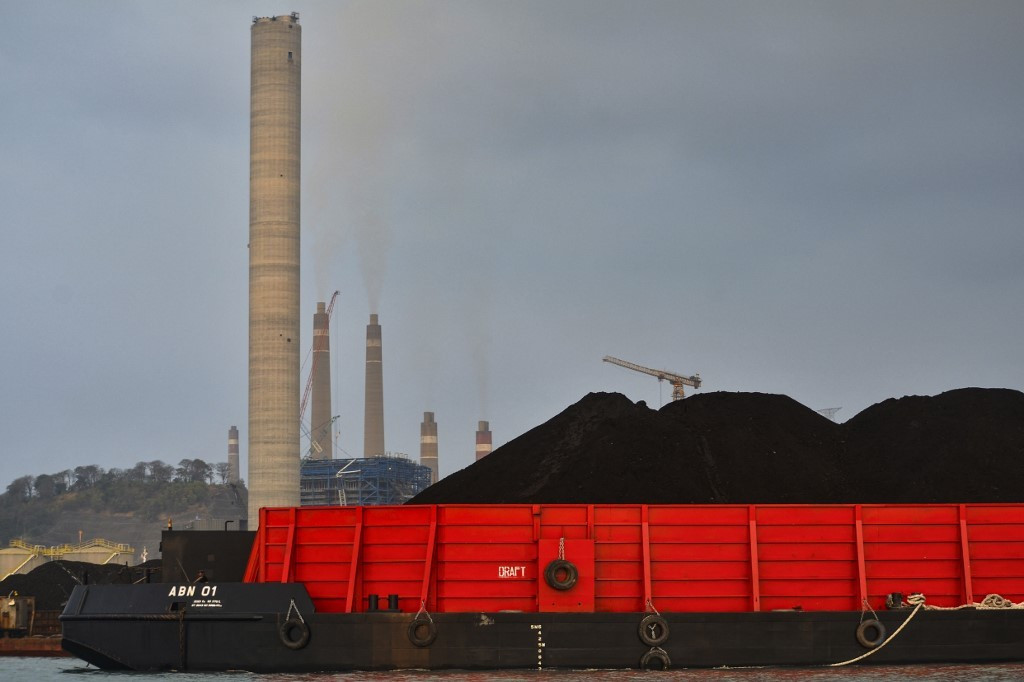
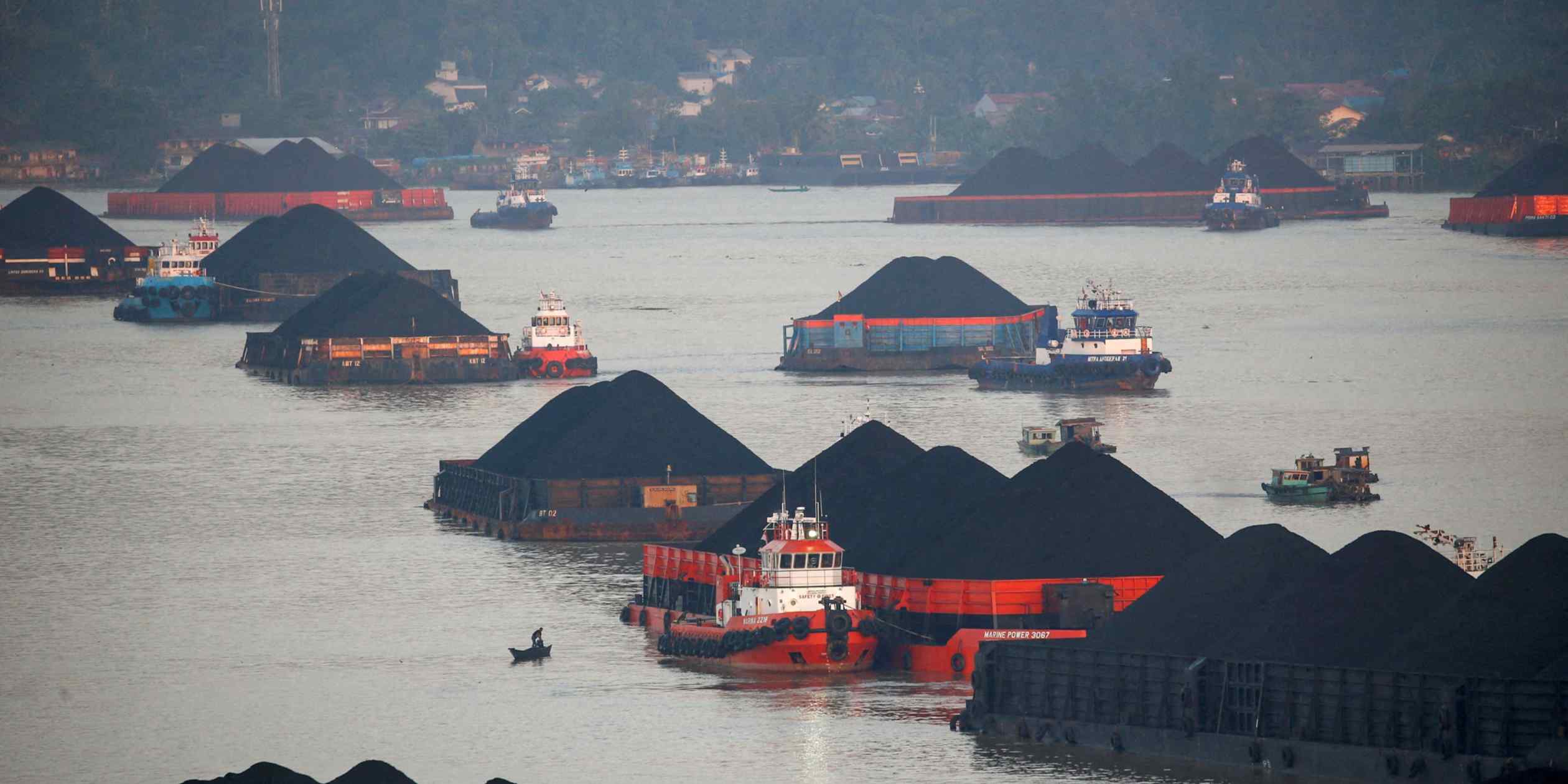
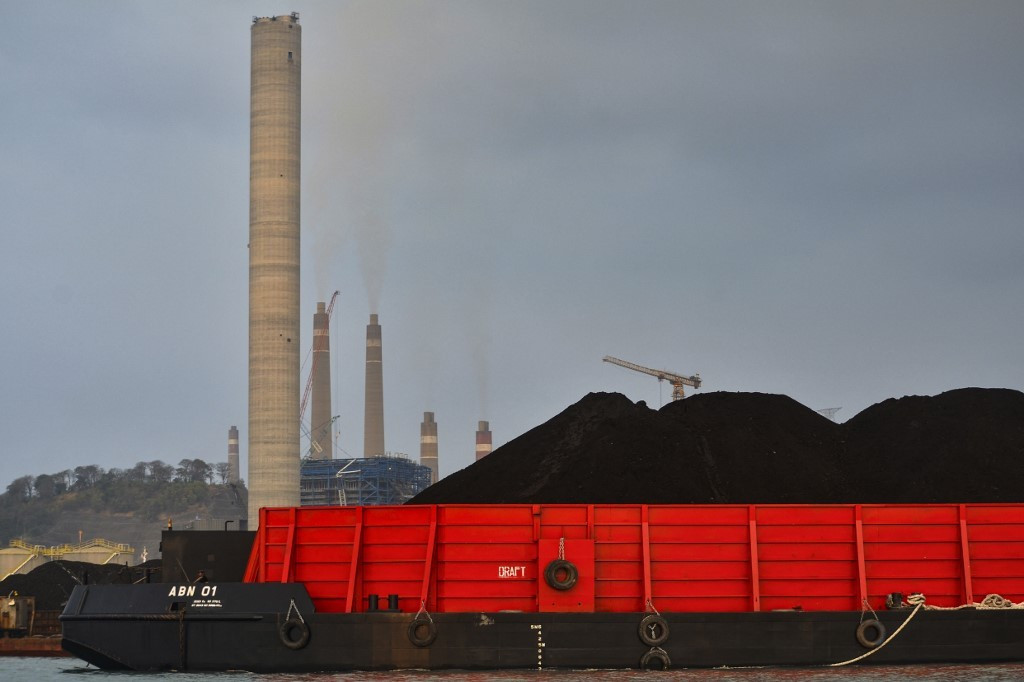
A coal barge sails the western Java Sea on Oct. 31, 2023. (AFP/Ronald Siagian)
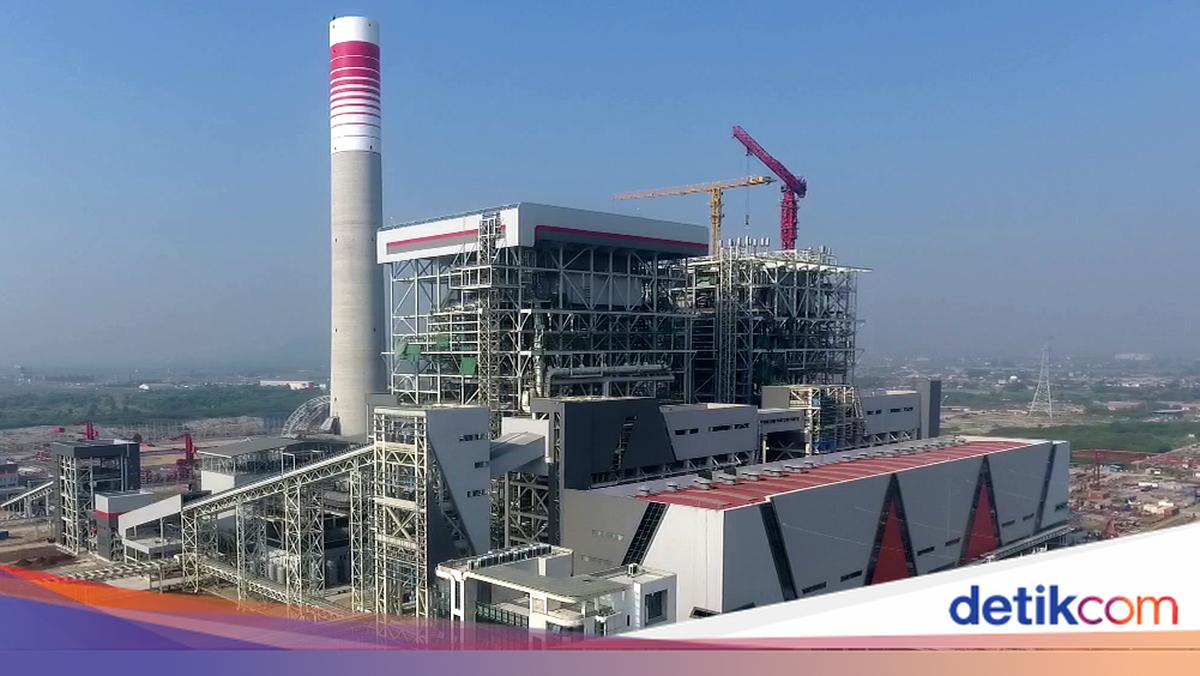
As PLN grapples with coal supply shortages, the government is considering changes to the domestic price obligation (DPO) scheme that governs coal sales from miners to the state utility. Aside from the pricing issue, industry experts have noted that the problem also stems from the government's decision to reduce the validity of work and budget plan (RKAB) approvals from three years to one year, which has complicated miners' long-term planning.Energy and Mineral Resources Minister Bahlil Lahadalia said the coal DPO price of US$70 per tonne, which has remained unchanged since 2019, has put pressure on producers facing rising production costs. The issue is particularly pronounced for medium-grade coal, with a calorific value of 5,200 kilocalories per kilogram, which serves as the main fuel for PLN’s coal-fired power plants.
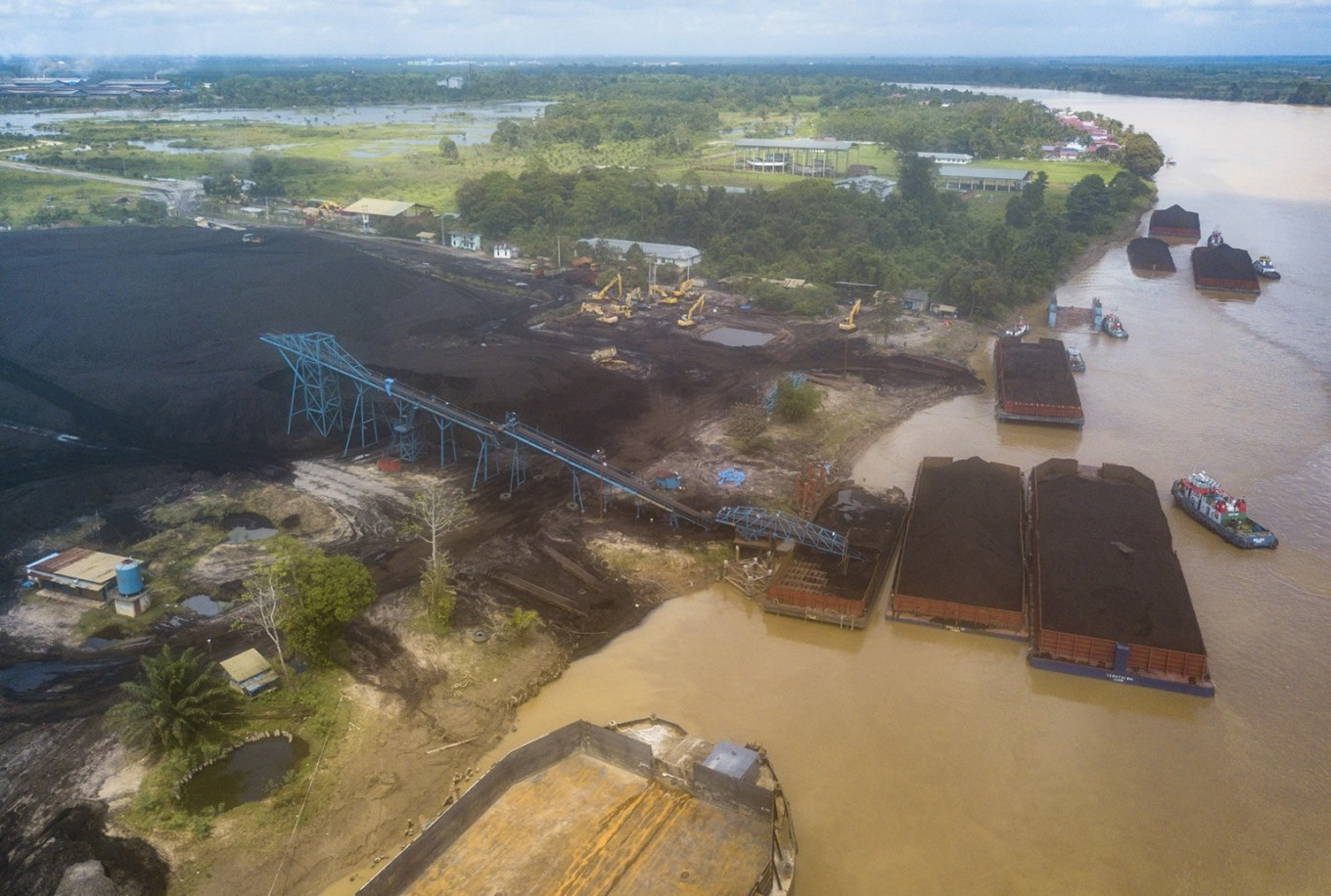
He explained that miners' production costs have continued to rise as stripping ratios (SR) increase. The SR measures the volume of overburden that must be removed to extract 1 tonne of coal.