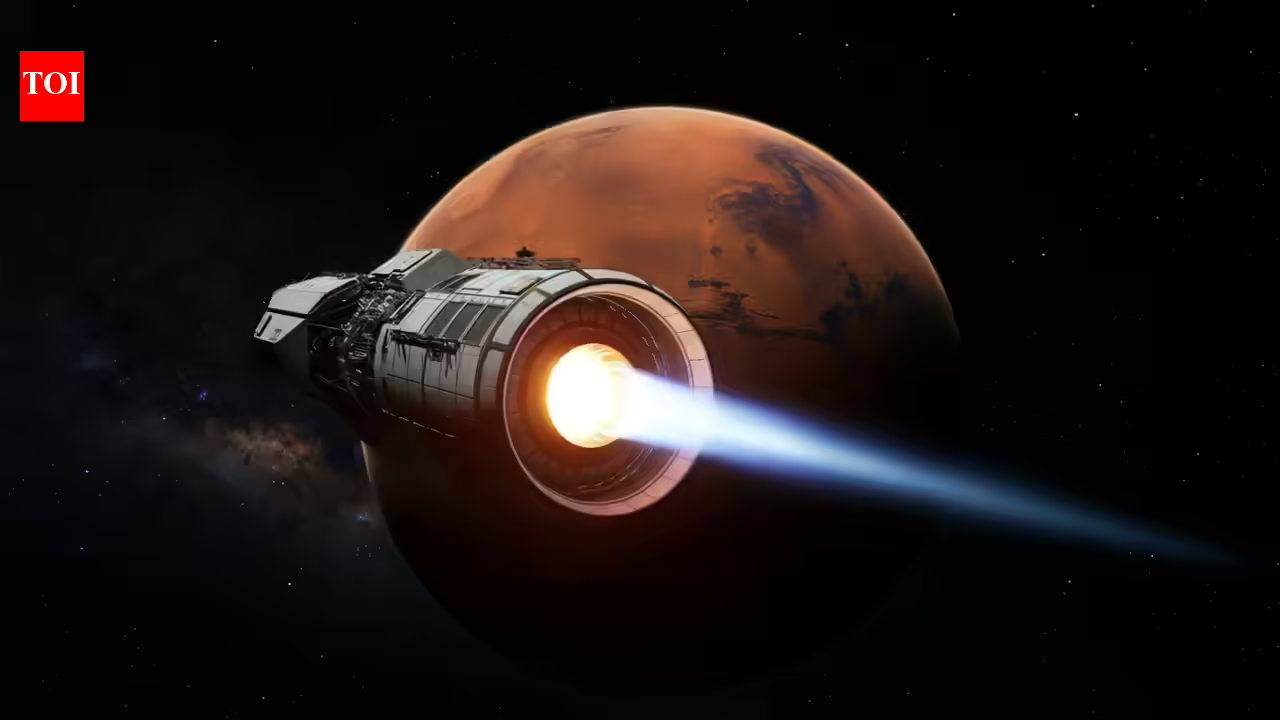
With the dawn of the commercial spaceflight industry, rapid technological advancements have put previously inaccessible destinations within reach. NASA now hopes to land humans on Mars by the 2030s, for example. But as we endeavor to travel beyond the reaches of our solar system, we’ll need to take spacecraft propulsion to the next level.
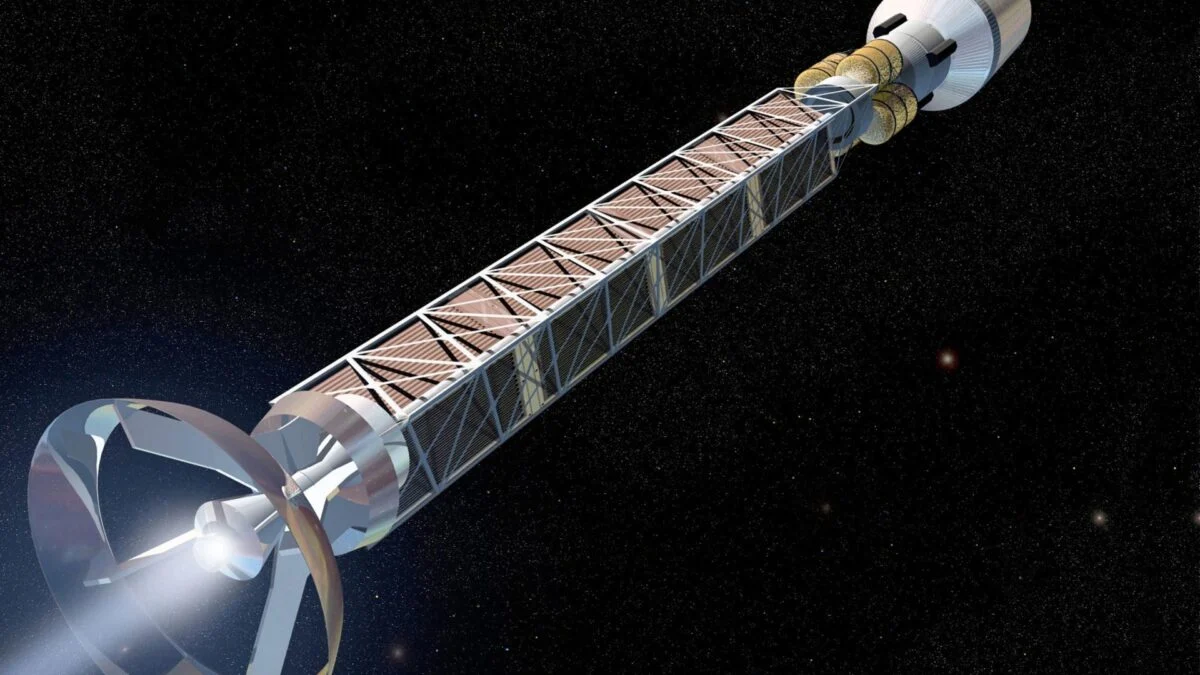
It may sound like science fiction, but some experts have seriously proposed harnessing antimatter—the mirror twin of ordinary matter—to generate vast amounts of energy for propulsion. The concept remains entirely theoretical, but on Friday, SpaceX CEO Elon Musk and NASA Administrator Jared Isaacman both endorsed antimatter propulsion in a brief exchange on X. While we’re nowhere close to overcoming the hurdles that stand in the way of achieving the first antimatter propulsion system, the fact that two of the most influential figures in spaceflight acknowledge its potential is worth paying attention to. Here’s what it would take to make this concept a reality.
I support antimatter propulsion. — NASA Administrator Jared Isaacman (@NASAAdmin) June 19, 2026 Unlocking the cosmos with antimatter Before we dive into the technology, a bit of physics. Every type of matter particle has a corresponding antiparticle with matching properties but opposite electrical charge. The two annihilate upon contact, converting mass directly into energy. The efficiency of this process is practically perfect, converting nearly 100% of the mass of the annihilating particles into energy.