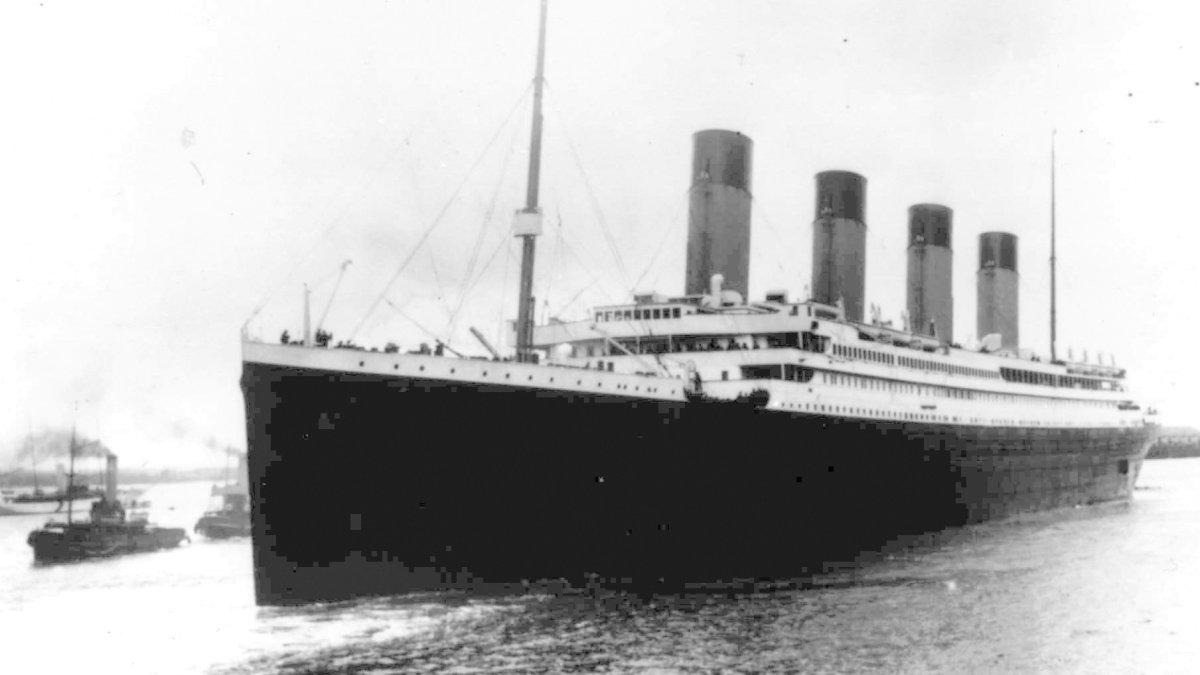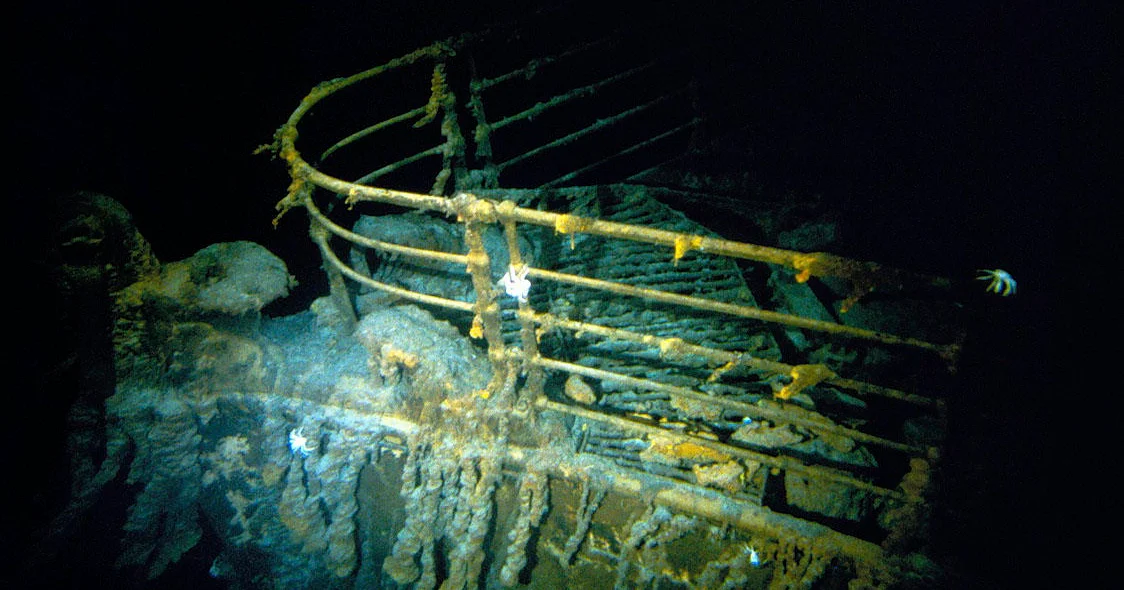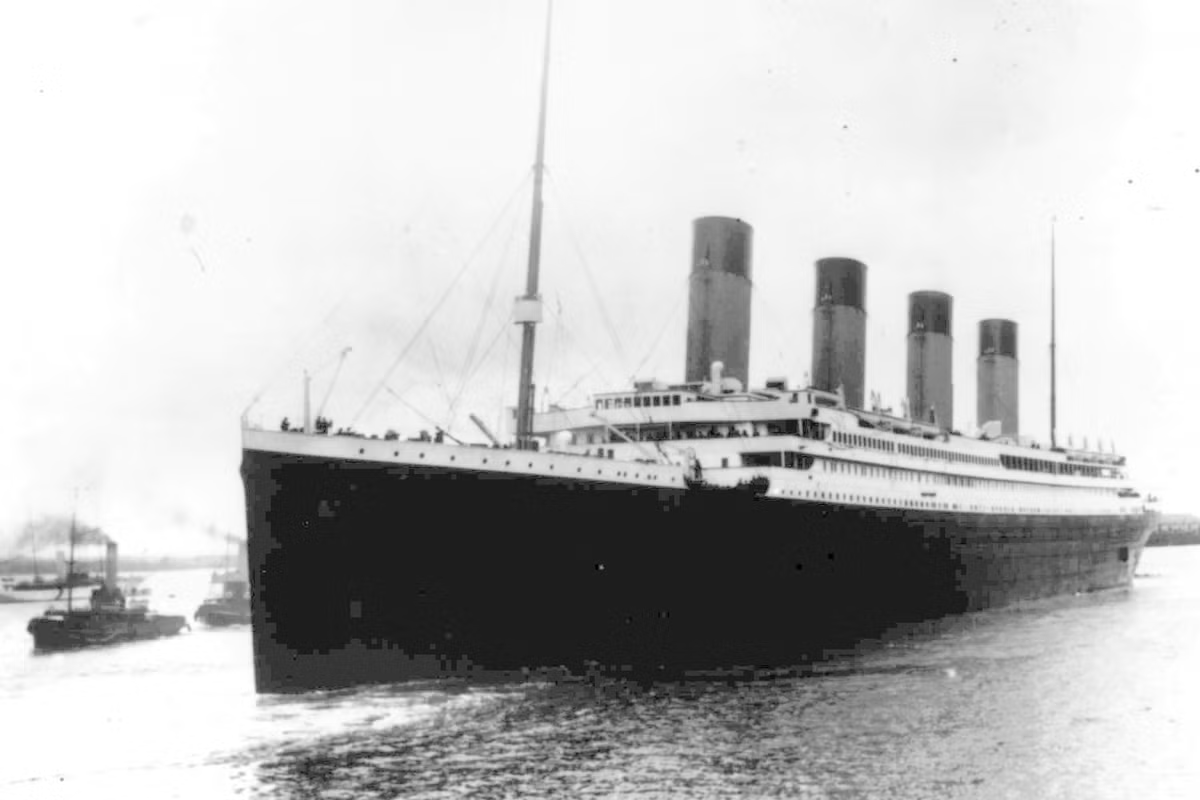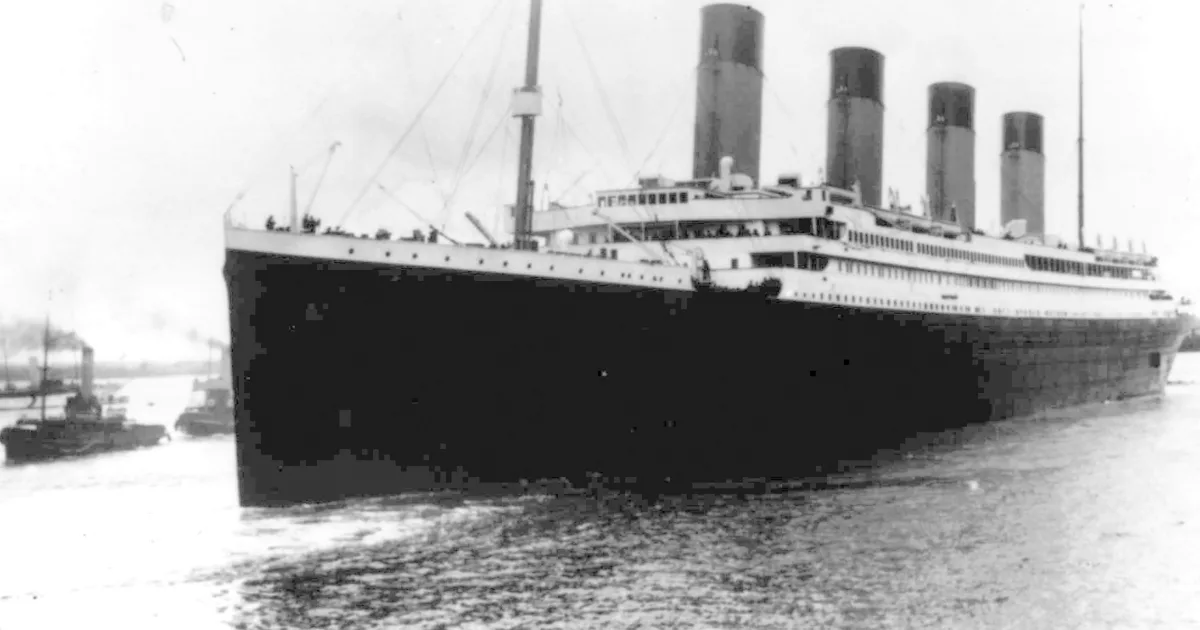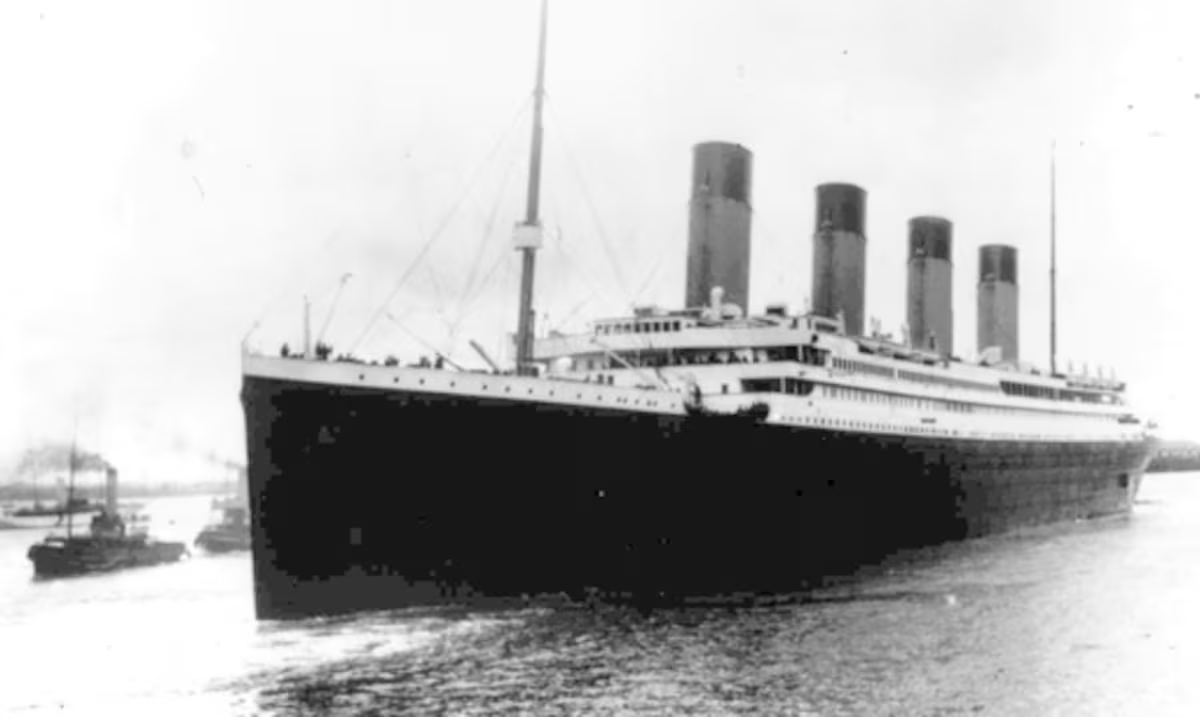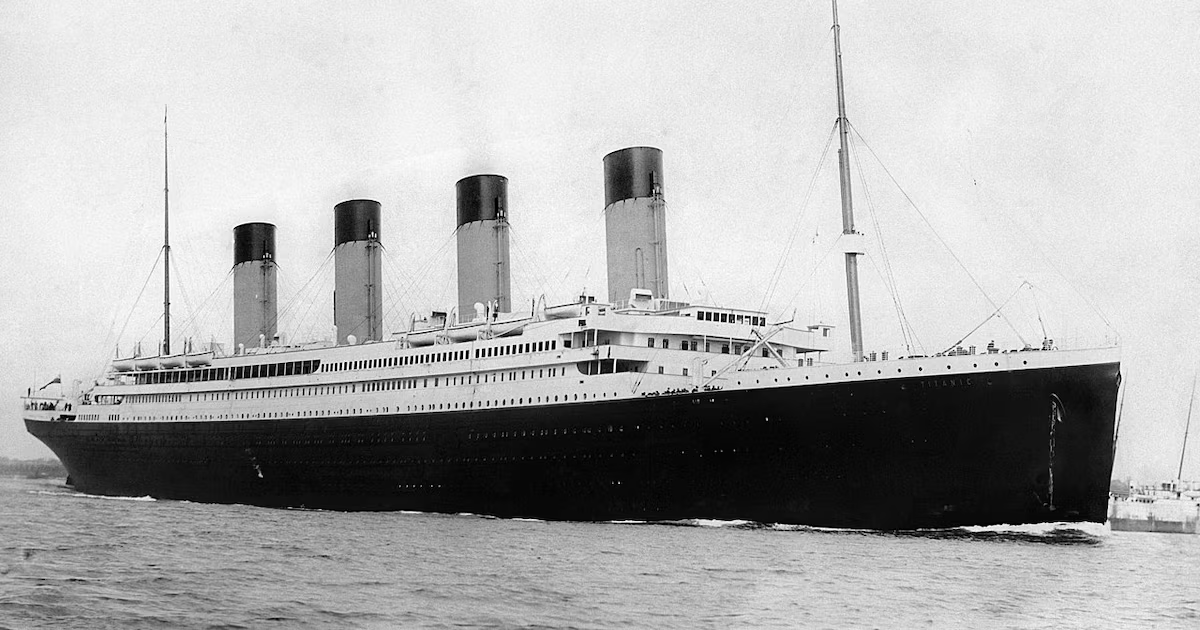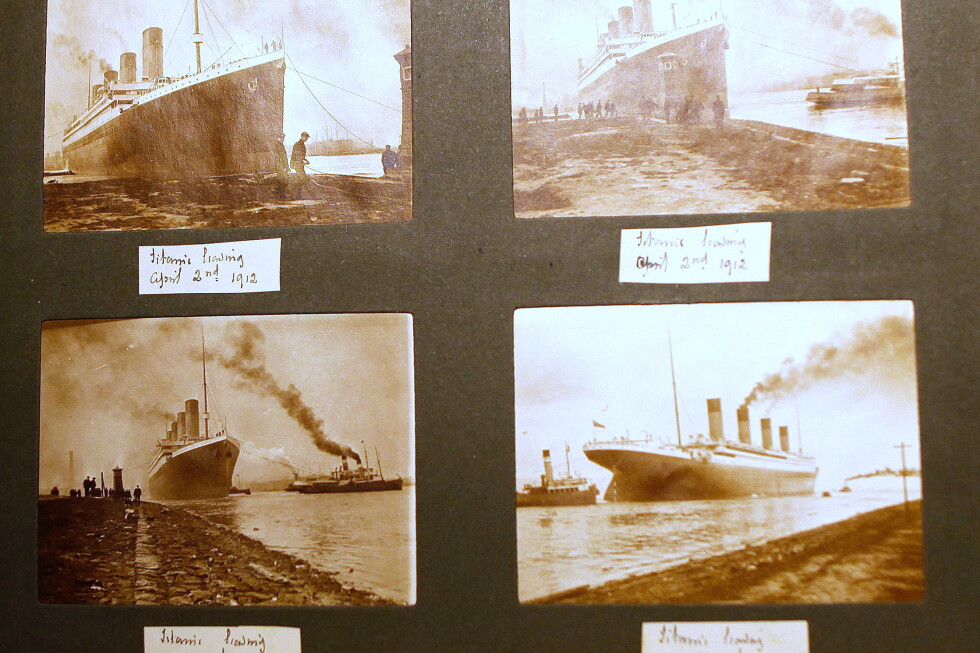
The U.S. government is opposing a plan to auction dozens of artifacts salvaged from the remains of the Titanic, adding another page to the ship’s storied history. More than a century after the disaster, the Titanic remains a source of endless fascination. Here’s a timeline of the ship’s history, from its maiden voyage to the battle over its artifacts:The unsinkable shipApril 10, 1912 — Following more than two years of construction, the Titanic launches from Southampton, England. After stops in France and Ireland, 2,200 people are on board for the trip to New York City.April 14, 1912 — Despite repeated ice warnings in the northern reaches of the Atlantic Ocean, the Titanic strikes an iceberg just before midnight off the coast of Newfoundland, Canada. April 15, 1912 — In just a matter of hours, the Titanic sinks to the ocean floor, killing about 1,500 passengers and crew.
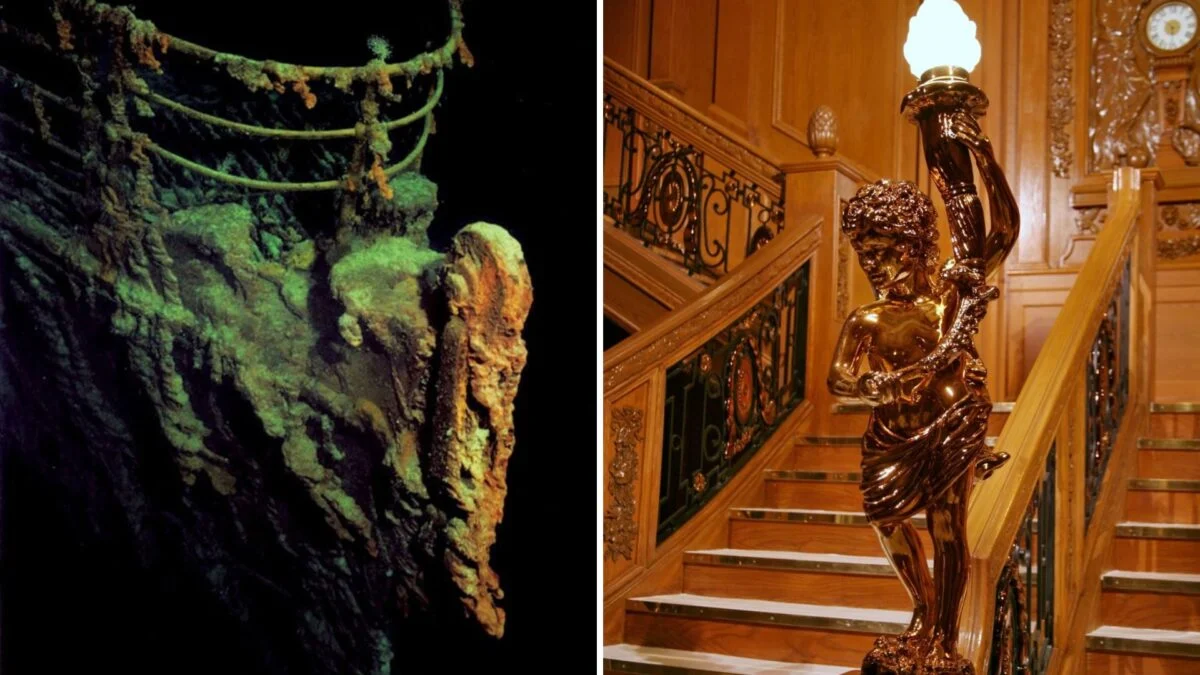
Finding the TitanicSept. 1, 1985 — A team of French and American researchers discover the Titanic’s final resting place some 2.3 miles (3.7 kilometers) below the ocean’s surface. They’re able to verify that the ship had split in half.July 1986 — Researchers use a submarine to reach the Titanic, becoming the first people to directly view the ship in 74 years. They make 11 dives, capturing images and video of the wreckage. No artifacts are removed.October 1986 — The U.S. establishes a law designed to set guidelines for explorations at the Titanic site and to protect the artifacts. But the law does not slow excursions to the ship or stop the removal of artifacts.