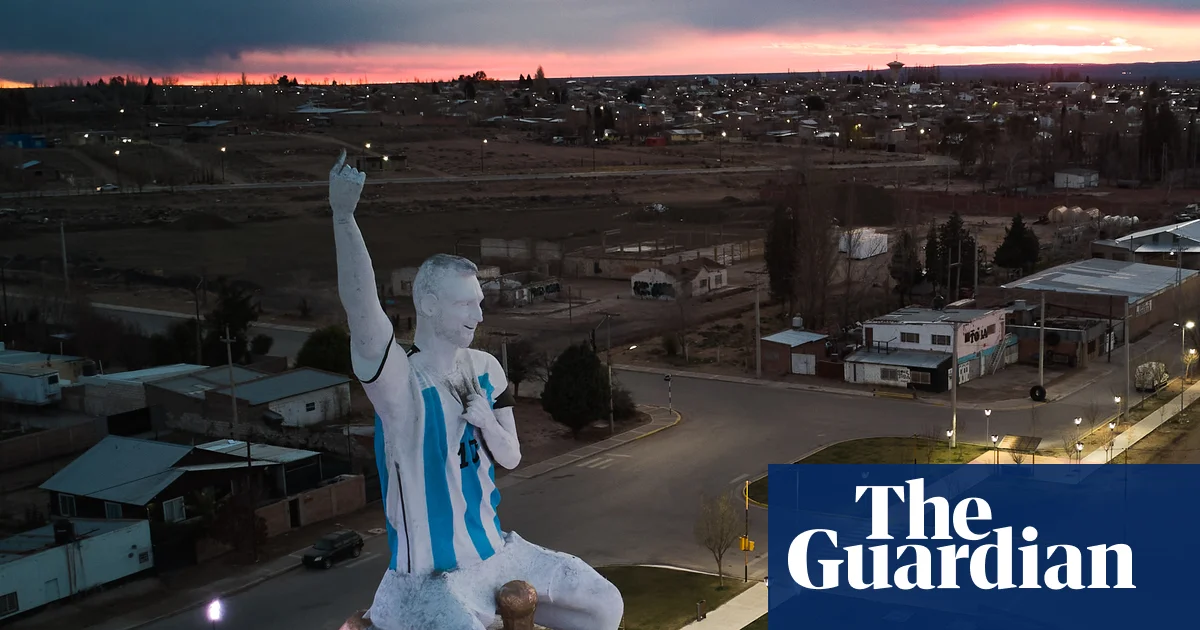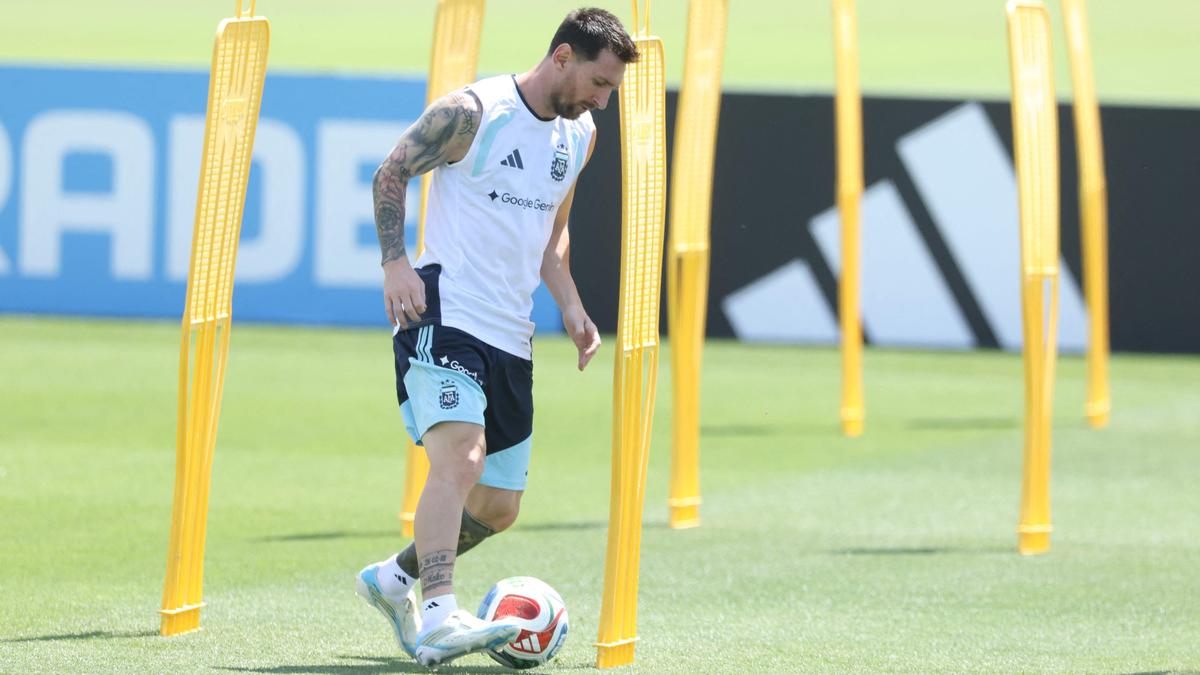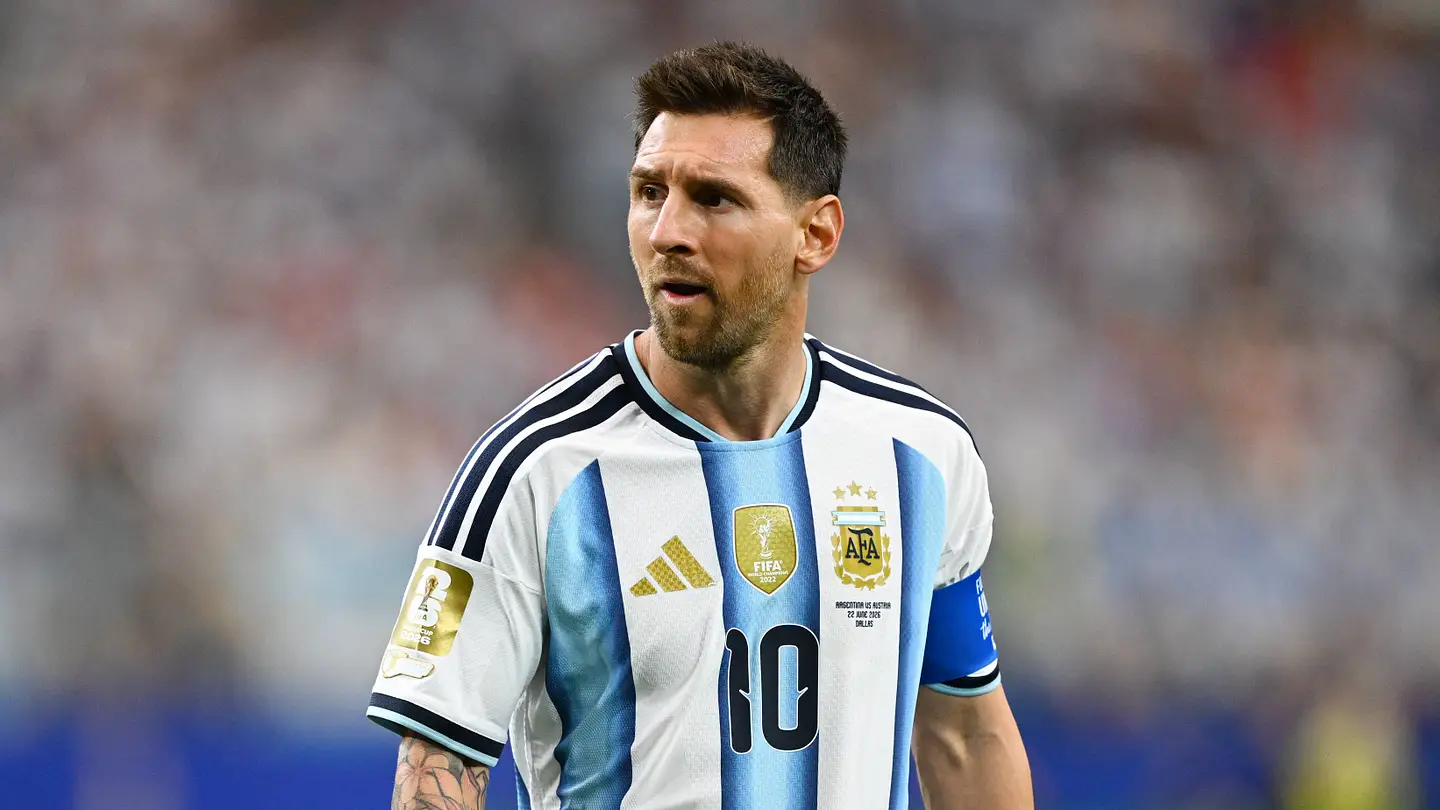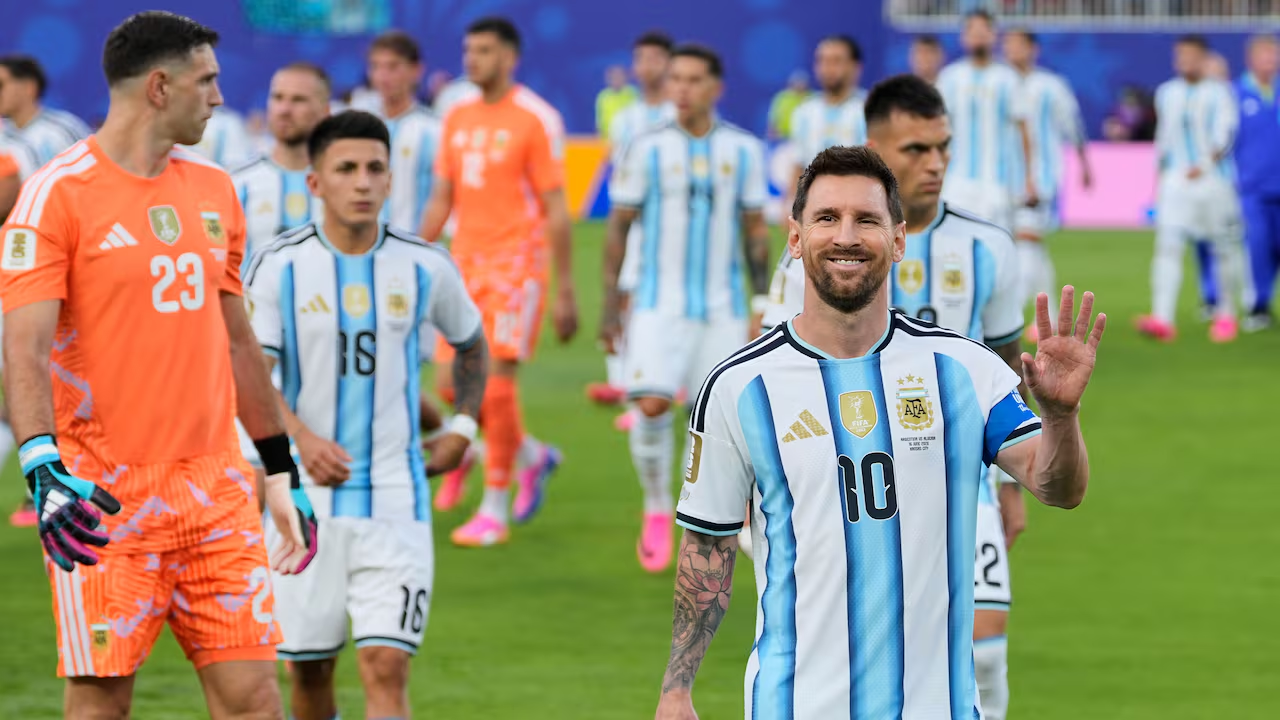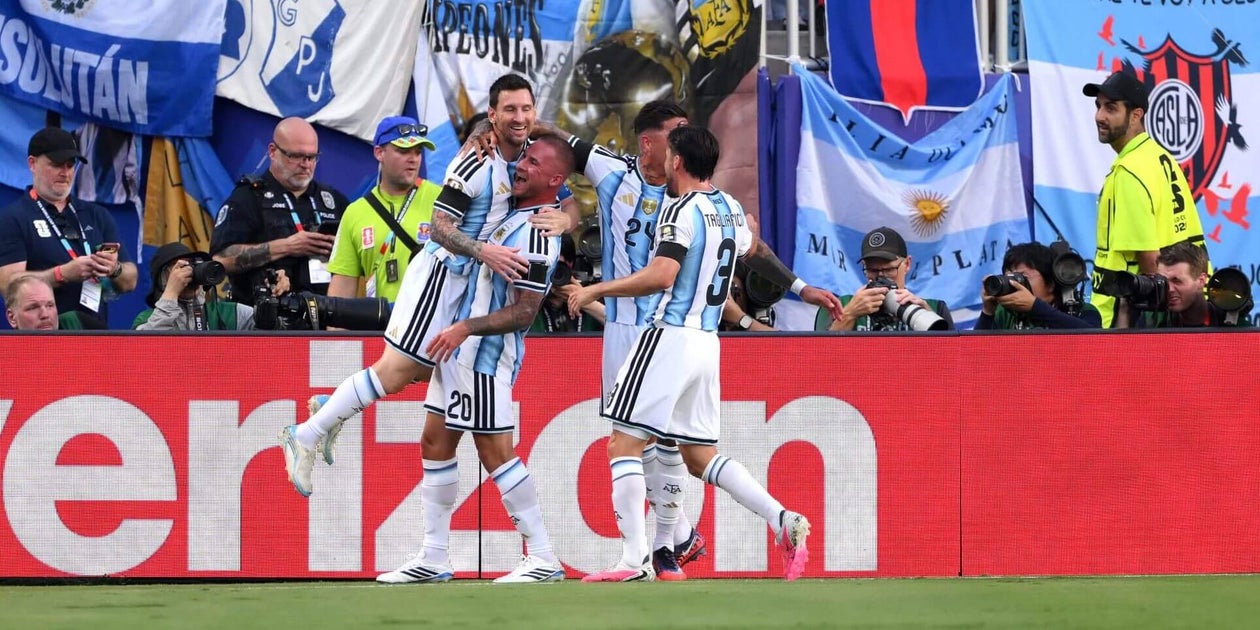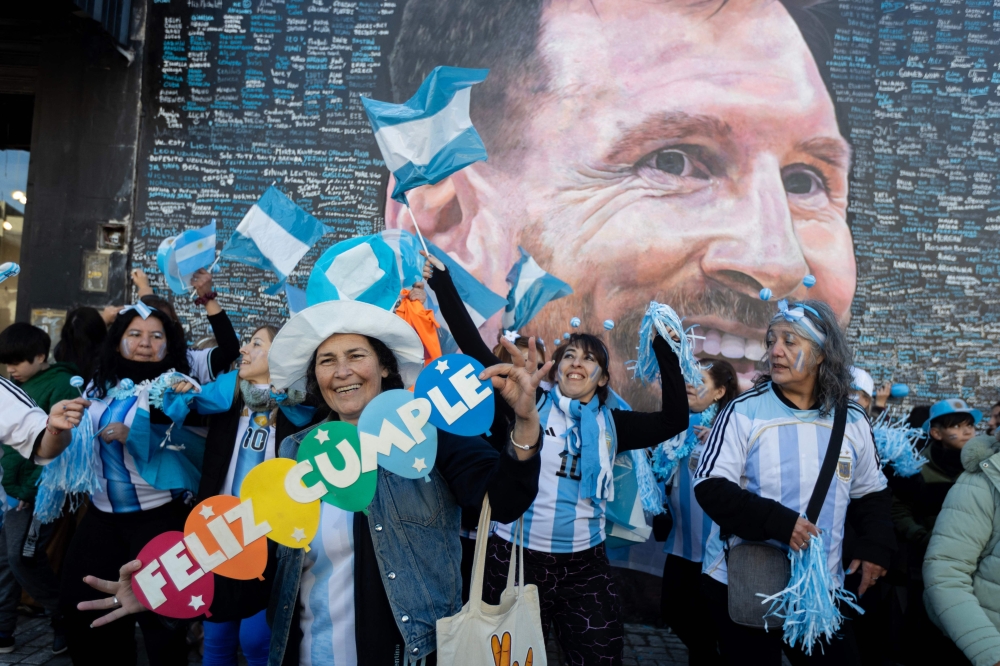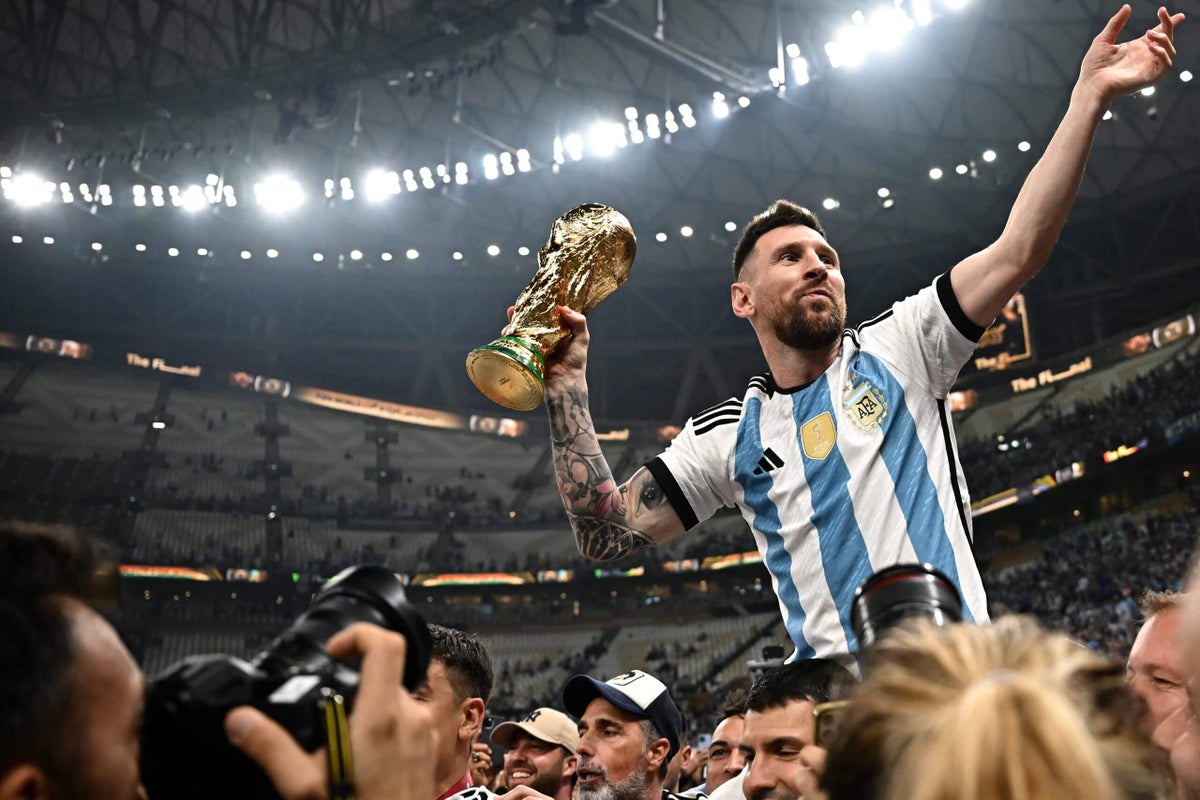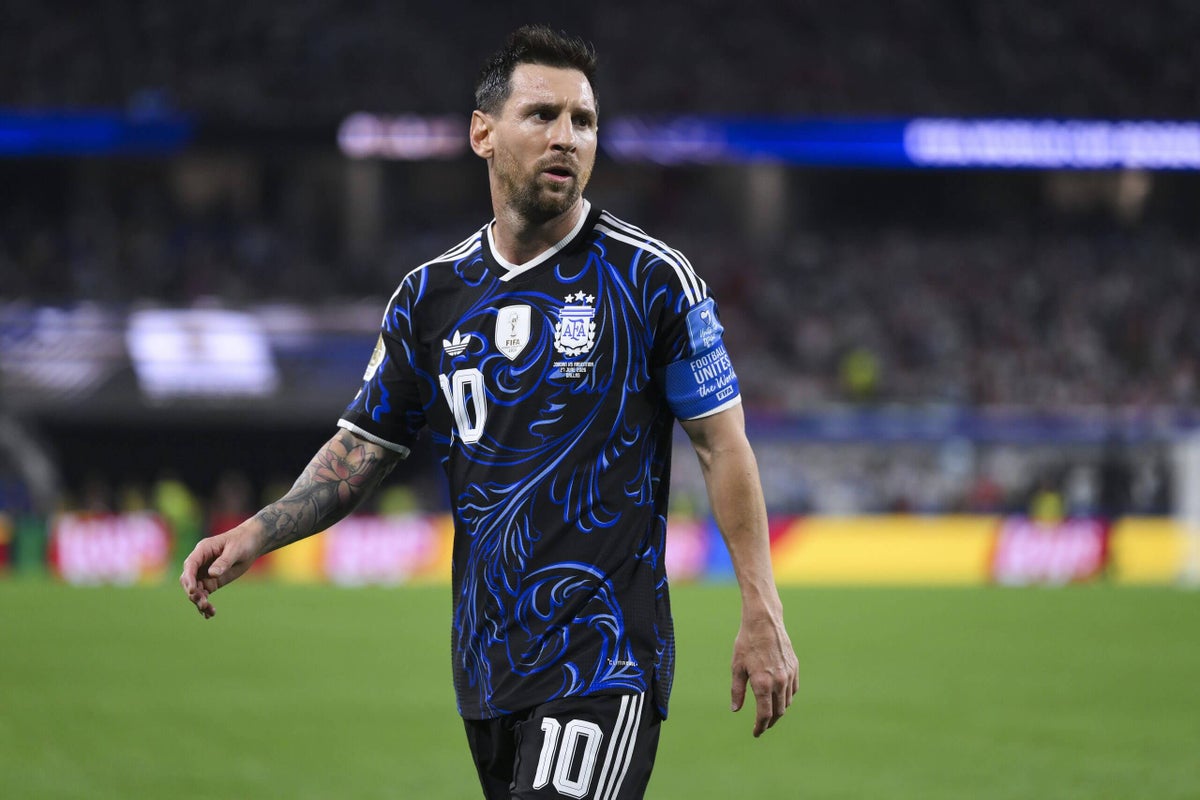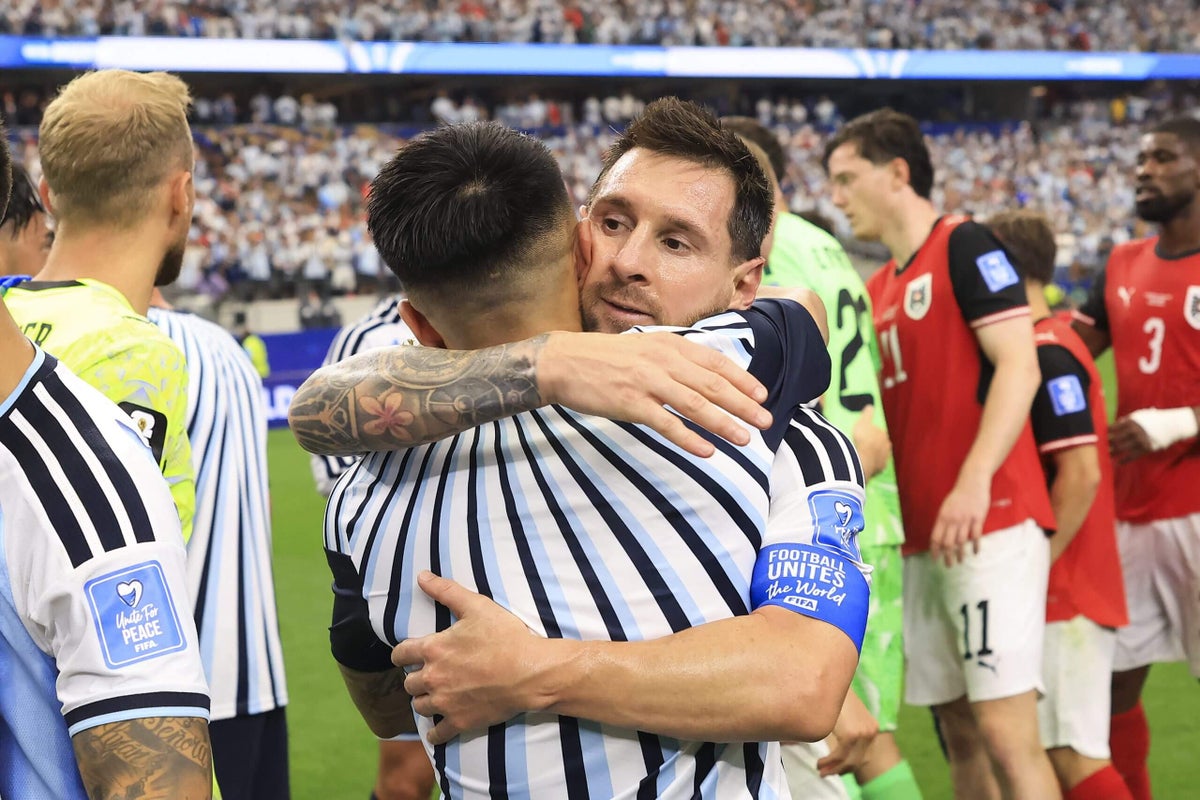
From three hours before kick-off, Arlington was flooded with football shirts. Around 10 per cent of these were the red of Austria. About 30 per cent were ‘generic’ Argentina tops. And about 60 per cent were Argentina shirts with Lionel Messi’s name on the back.Everywhere you looked, you saw Messi, 10 after 10 after 10.Argentina shirts were also the most prominent four years ago in Qatar — maybe aside from the Middle Eastern and North African countries — but the vibe was different. Then, there was a sense of anticipation, of tension, perhaps of expectation. Could Messi finally win the World Cup? This time it feels more like a celebration of Messi; a final chance to see the greatest player in the history of the world’s most popular sport.Messi, as an individual, is probably the greatest draw this sport has ever seen. His impact upon the domestic league in this part of the world is considerable. “He has sold out stadiums across the continent, setting attendance and single-game revenue records in places like Chicago, New England, Kansas City, and Vancouver,” wrote The Athletic’s Paul Tenorio in his book The Messi Effect. “MLS set new marks in attendance, sponsorship revenue, retail sales, and social media and digital growth. There was no other person on the planet who could deliver what he did, and there was no telling when or if there would be again.”Argentina fans made their affection for Lionel Messi clear in Dallas (Francois Nel/Getty Images)When sports stars become as big as Messi, it’s tempting to say they transcend the sport. But Messi doesn’t, really. Messi isn’t a big celebrity, he’s not a big personality, he’s probably actually a bit boring. Messi doesn’t transcend football. He’s pure football.He lived up to the billing against Algeria, but for his first and third goals you couldn’t help wondering quite how he found so much space between the lines to receive forward passes. Algeria, at times, seemed to be asking for trouble; playing deep yet not remaining particularly compact. Did they want Messi to walk all over them?Austria, though, were always going to put up a different challenge. They are not a particularly strong side, but they are completely defined by their intensity without possession. Their manager, Ralf Rangnick, has built his reputation upon his insistence on counter-pressing when his teams lose the ball. His teams have no real flair or imagination. But when they misplace a pass, they swarm all over the opposition, blocking the routes out of that situation and trying to win the ball quickly.And therefore Argentina versus Austria was a battle of philosophies. This was a contest between an Austria side based around the concept of heavy running and counter-pressing, and an Argentina team based around one individual, who really isn’t capable of heavy running or counter-pressing. Messi, it shouldn’t be forgotten, was heralded as the perfect example of a hard-working forward in his younger days in a Barcelona side that pressed aggressively. Coaches all over the world said to their attacking players: look, if Messi can work his socks off, why can’t you?
This version of Argentina is built for Lionel Messi. But can that plan win this World Cup?
The tournament's top scorer does almost no defending these days and his team rely on him for goals. For now, that suits Argentina just fine
TL;DRAI
Questo articolo non è rilevante per Warptech Tech News. È una cronaca sportiva sulla Copa América (Messi vs Austria), senza alcun contenuto tech, business, AI o implicazioni di mercato per manager IT. Se è un test di redazione: ✓ riconosciuto out-of-scope. Se è un errore di copia: controlla il link/fonte dell'articolo.
1,096 words~5 min read