Logo text
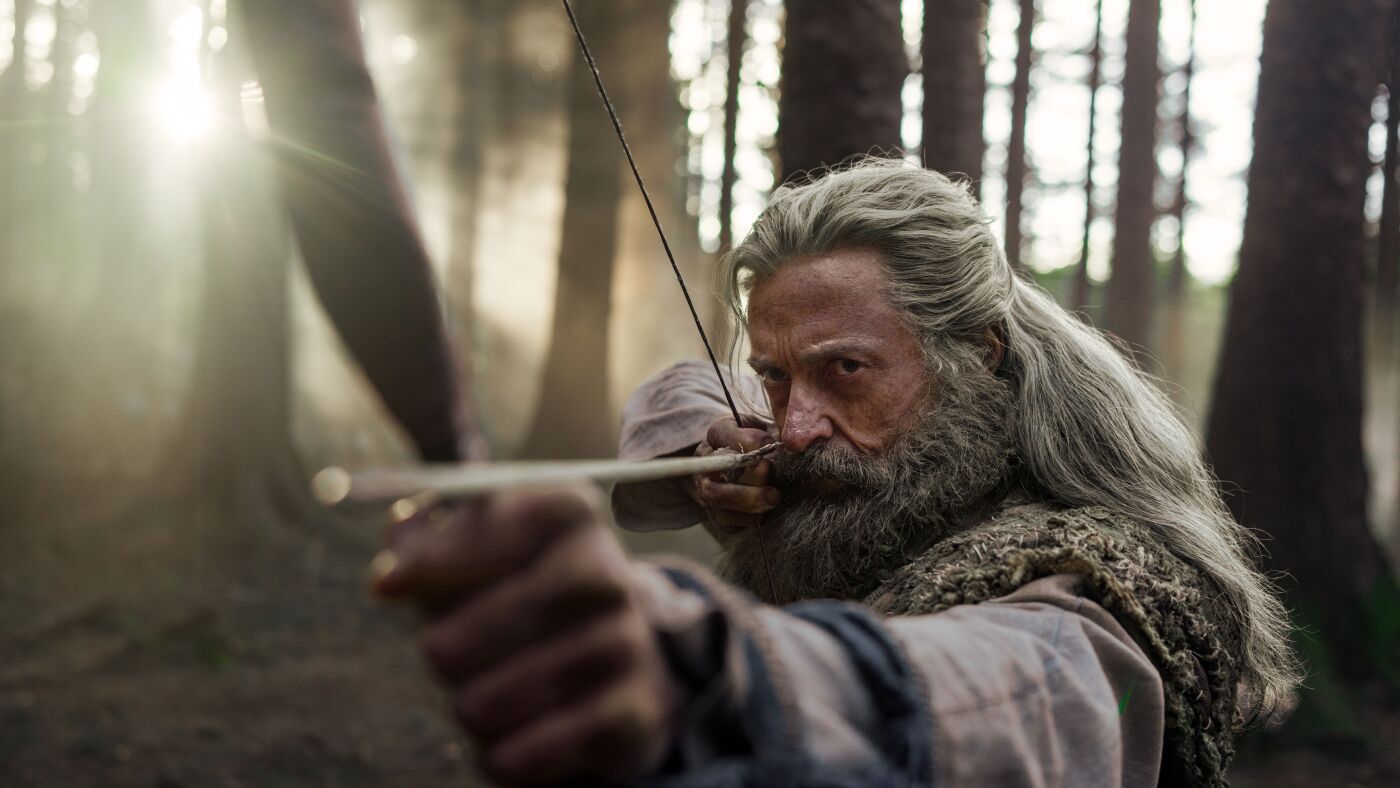
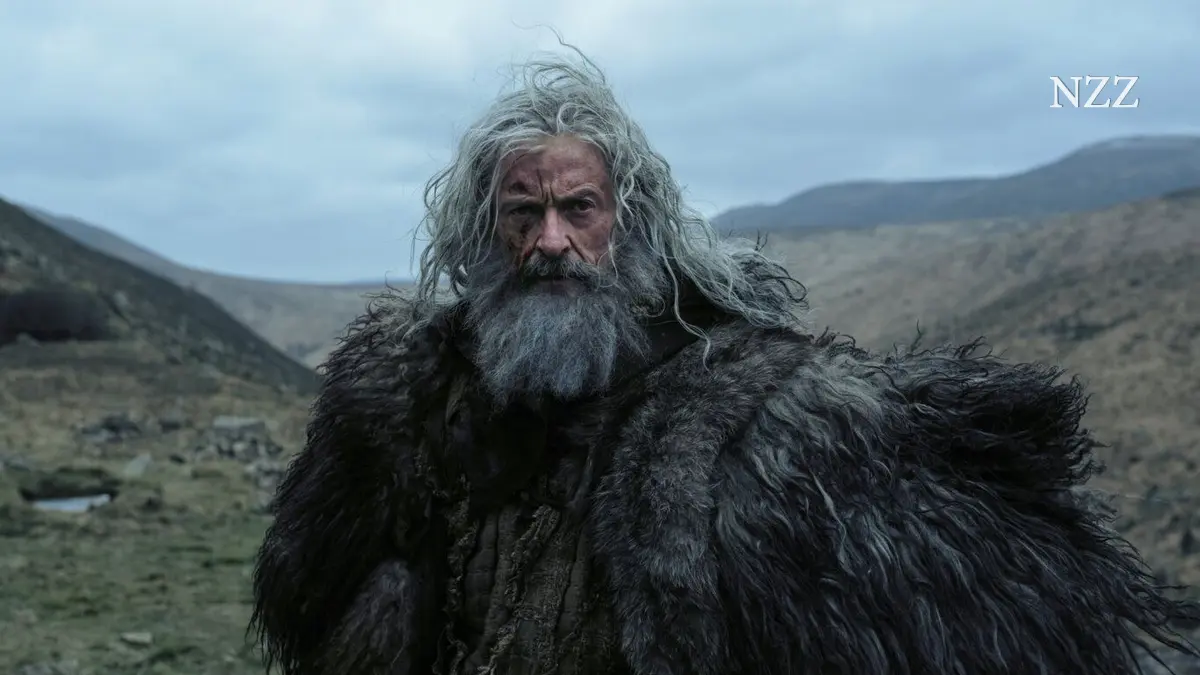
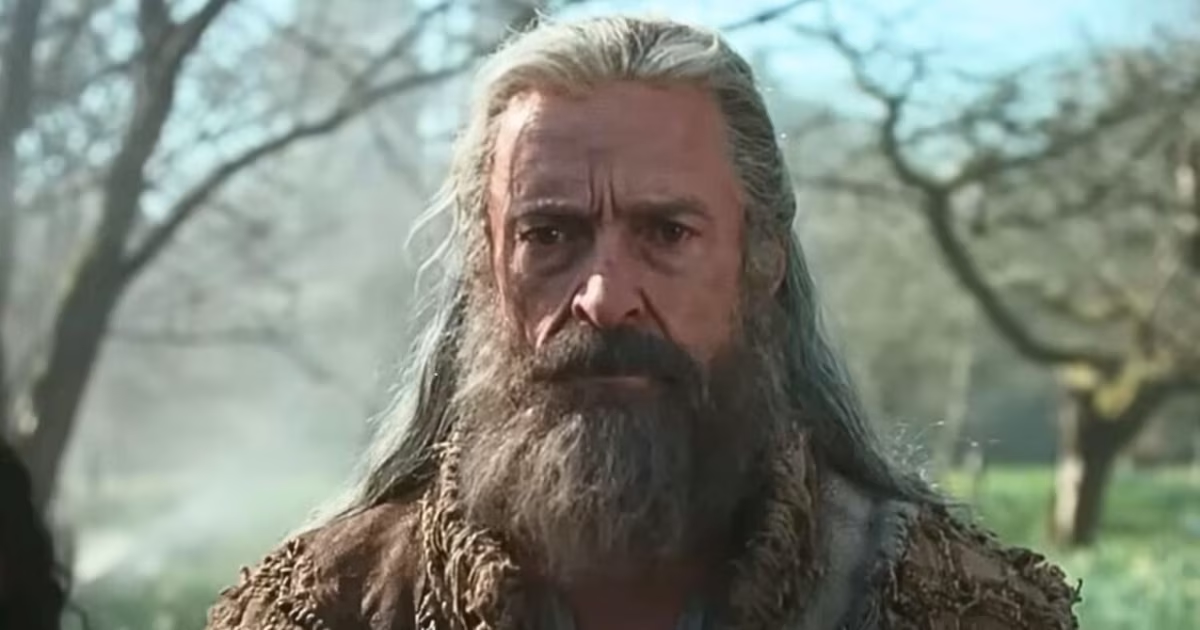
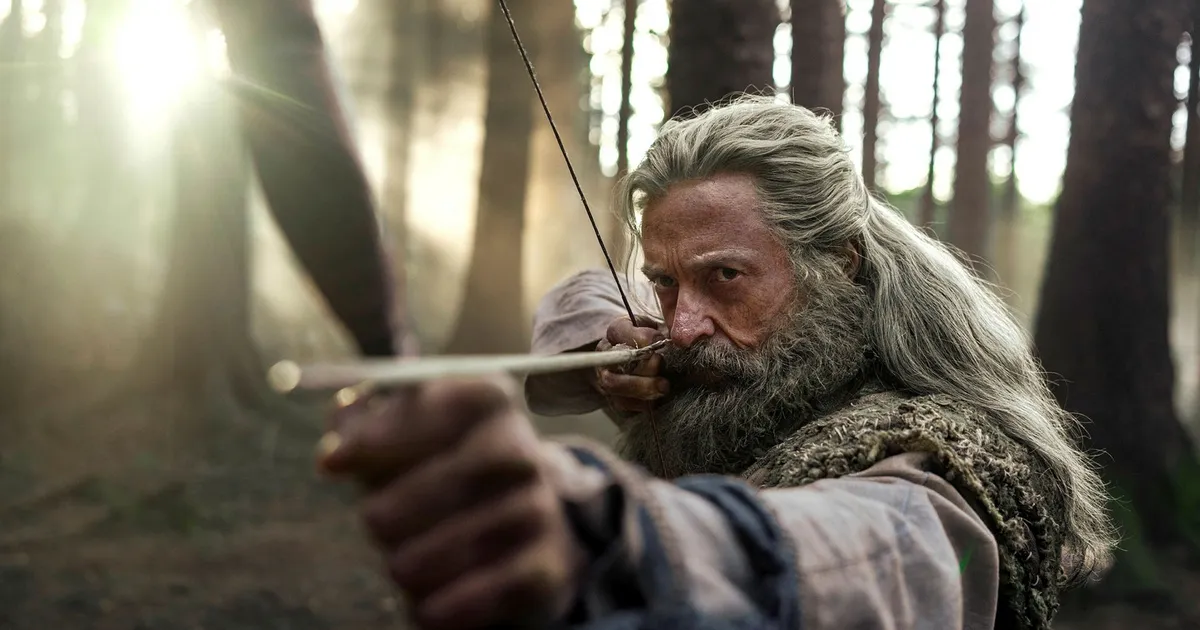
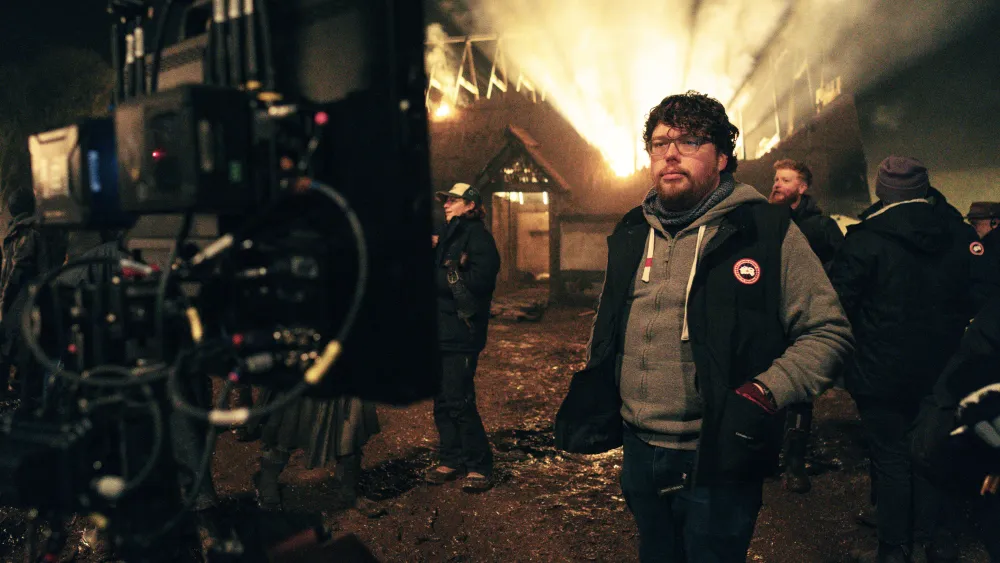
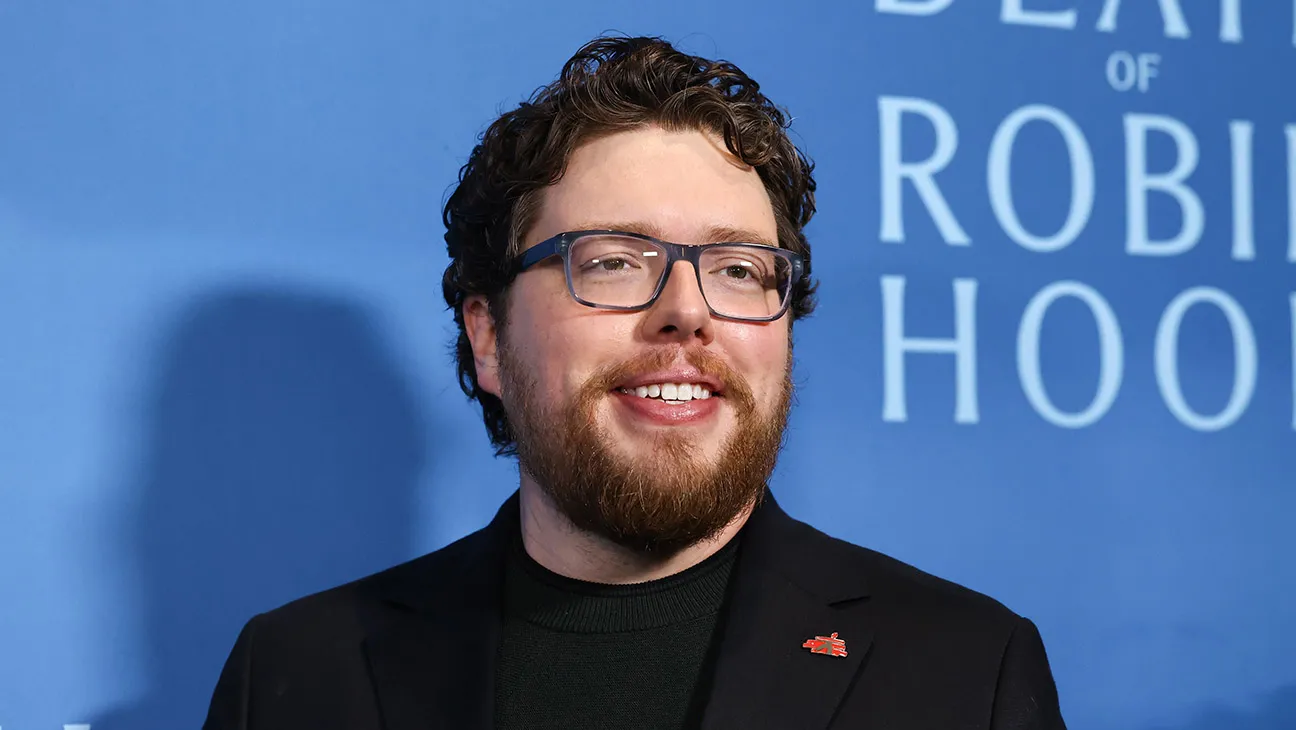
The Death of Robin Hood writer-director Michael Sarnoski never set out to make your father’s Robin Hood.
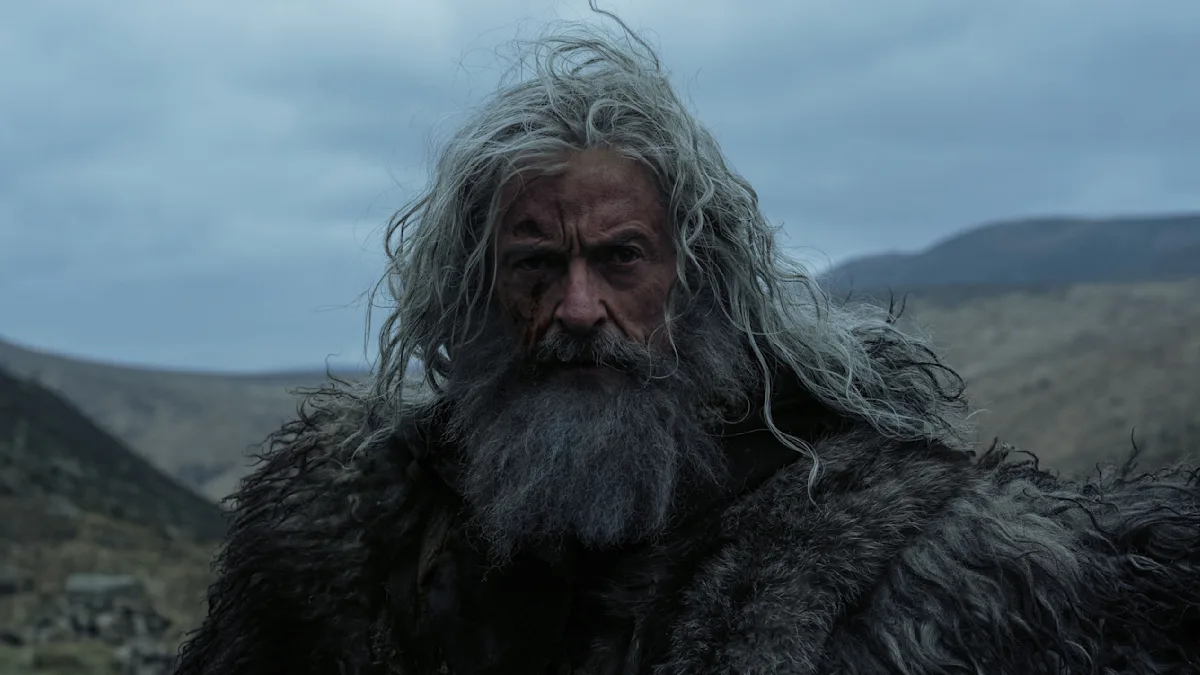
Long known as the heroic outlaw who robs from the rich to give to the poor, Sarnoski’s revisionist take wasn’t purposefully trying to knock Robin Hood down a peg or cater to either political party’s preferred interpretation of the legendary figure. Instead, the Pig and A Quiet Place: Day One director was simply trying to capture the stark reality of a 13th century brigand.
“It was less, Let’s make Robin Hood a bad guy, and more, Let’s think about what the life of a medieval bandit might’ve actually been like,” Sarnoski tells The Hollywood Reporter. “The old Robin Hood ballads, they’re very brutal. The things Robin does are pretty grotesque at times. I wanted to add more gray and more complexity, and a lot of the subversions came naturally out of that.”
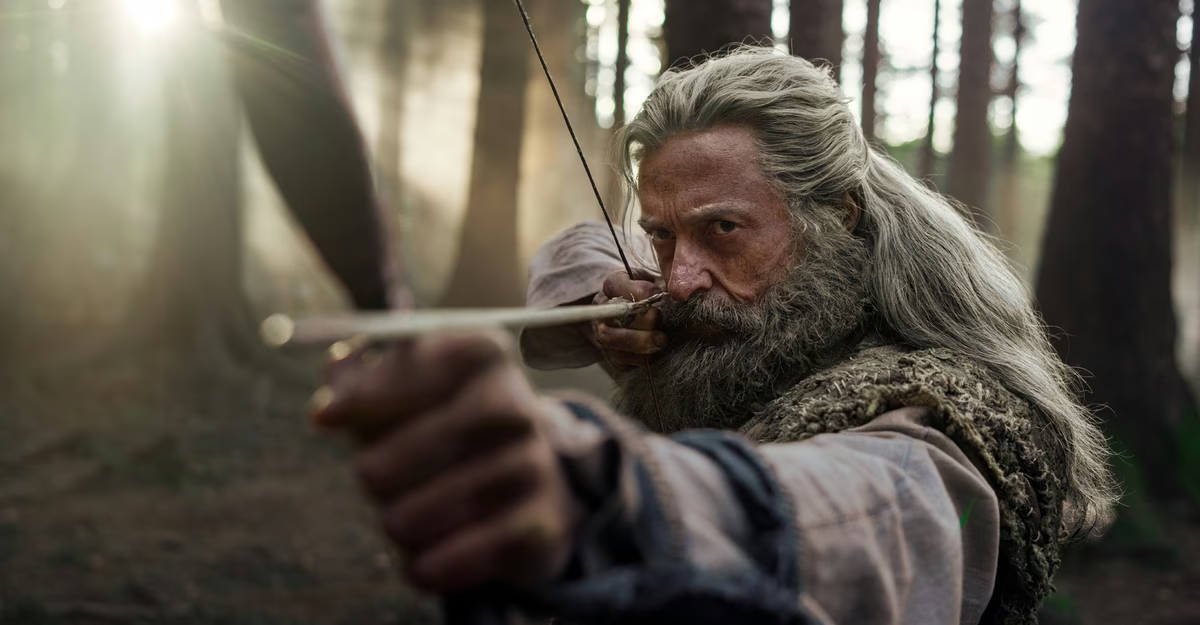
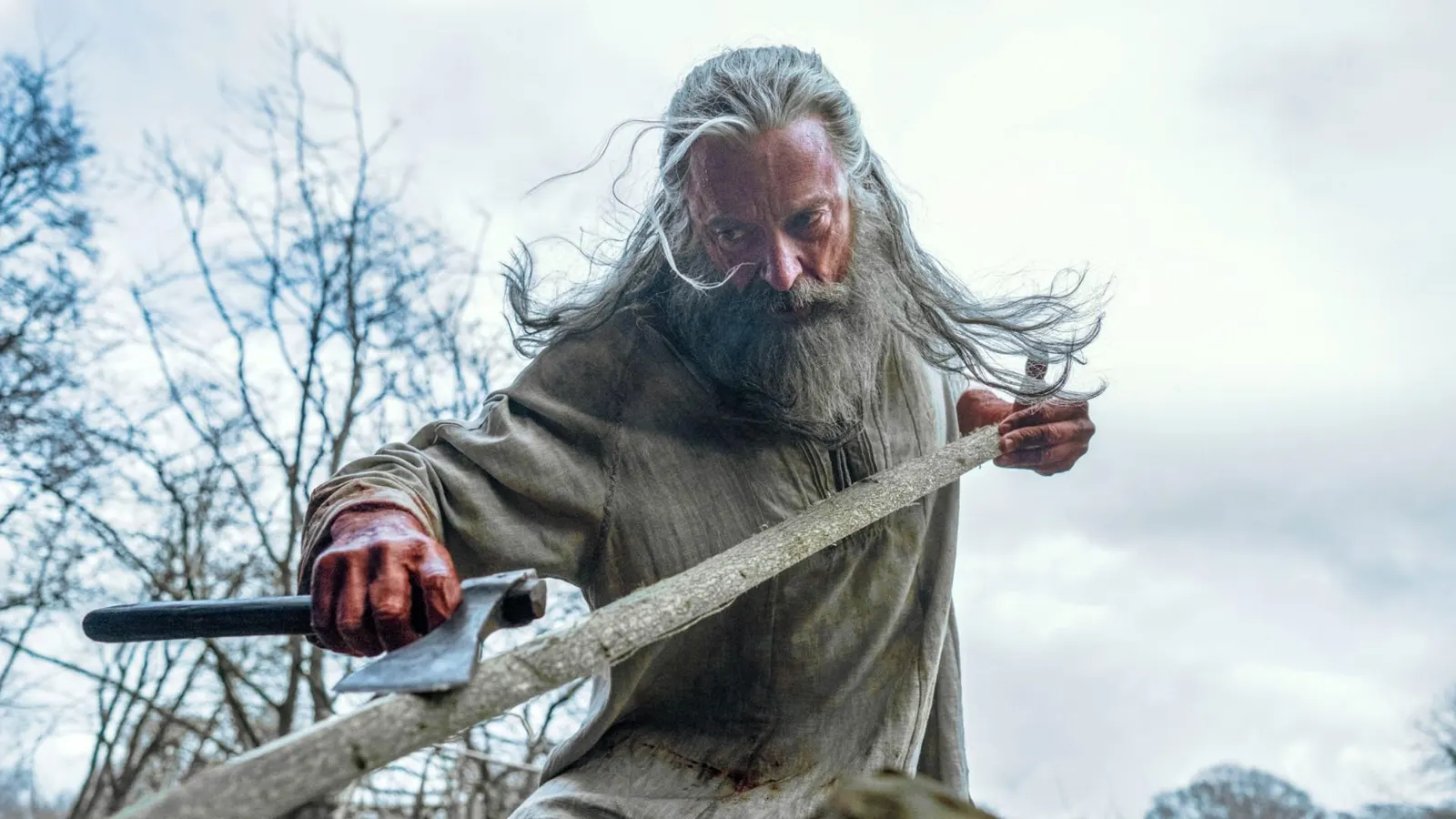
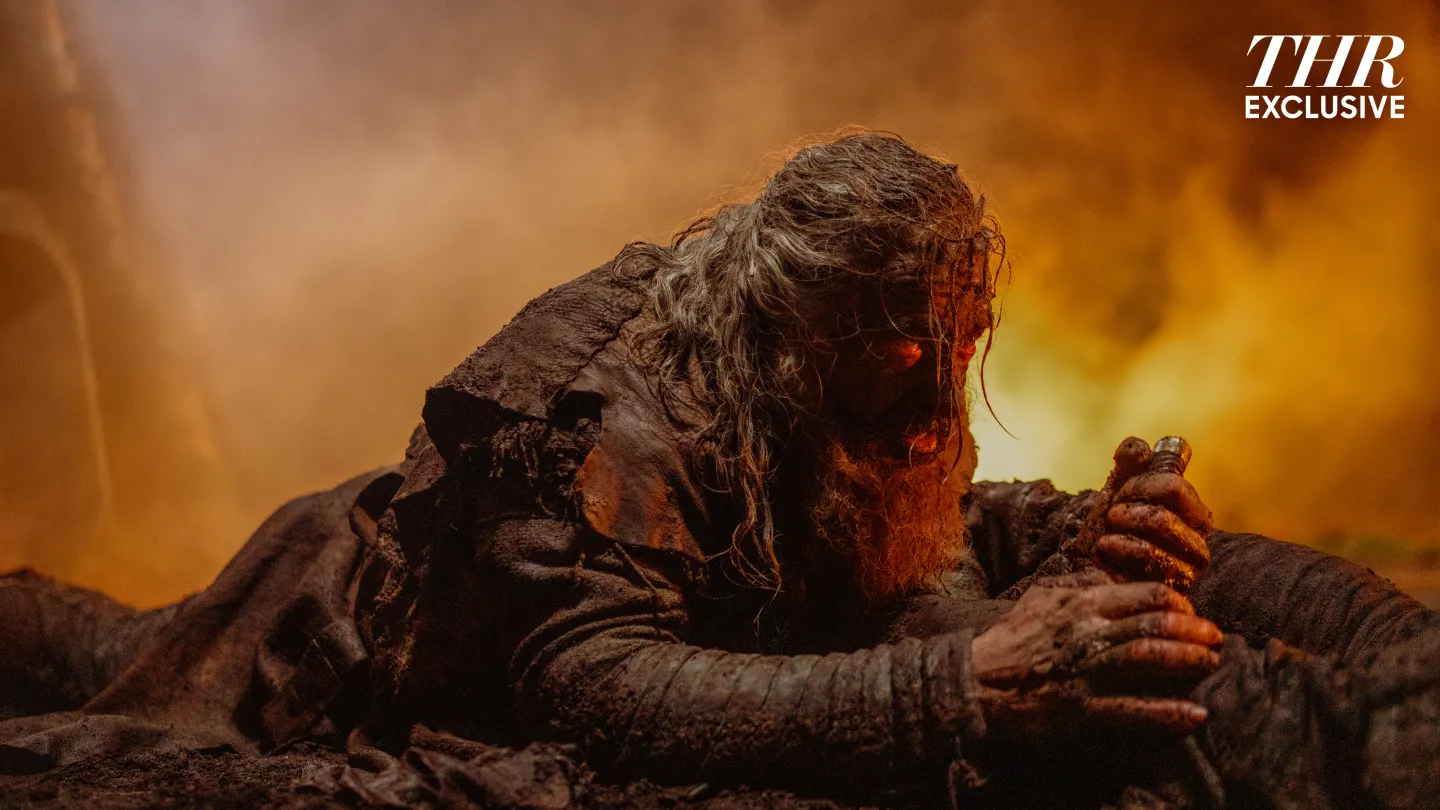
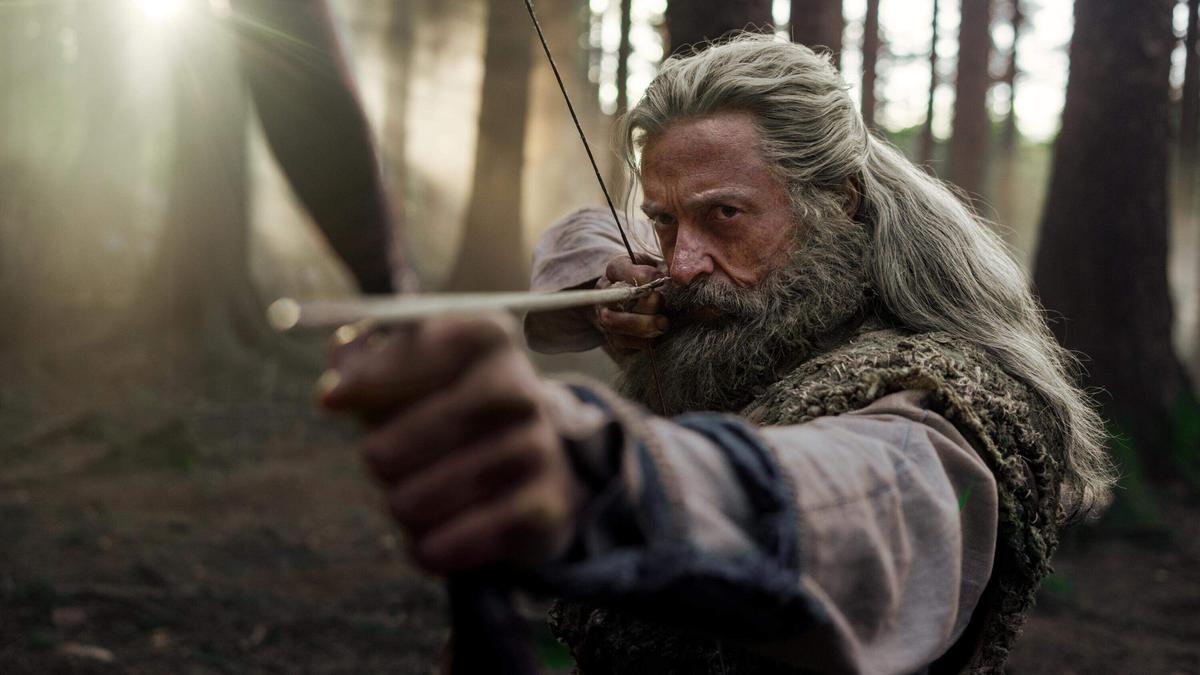
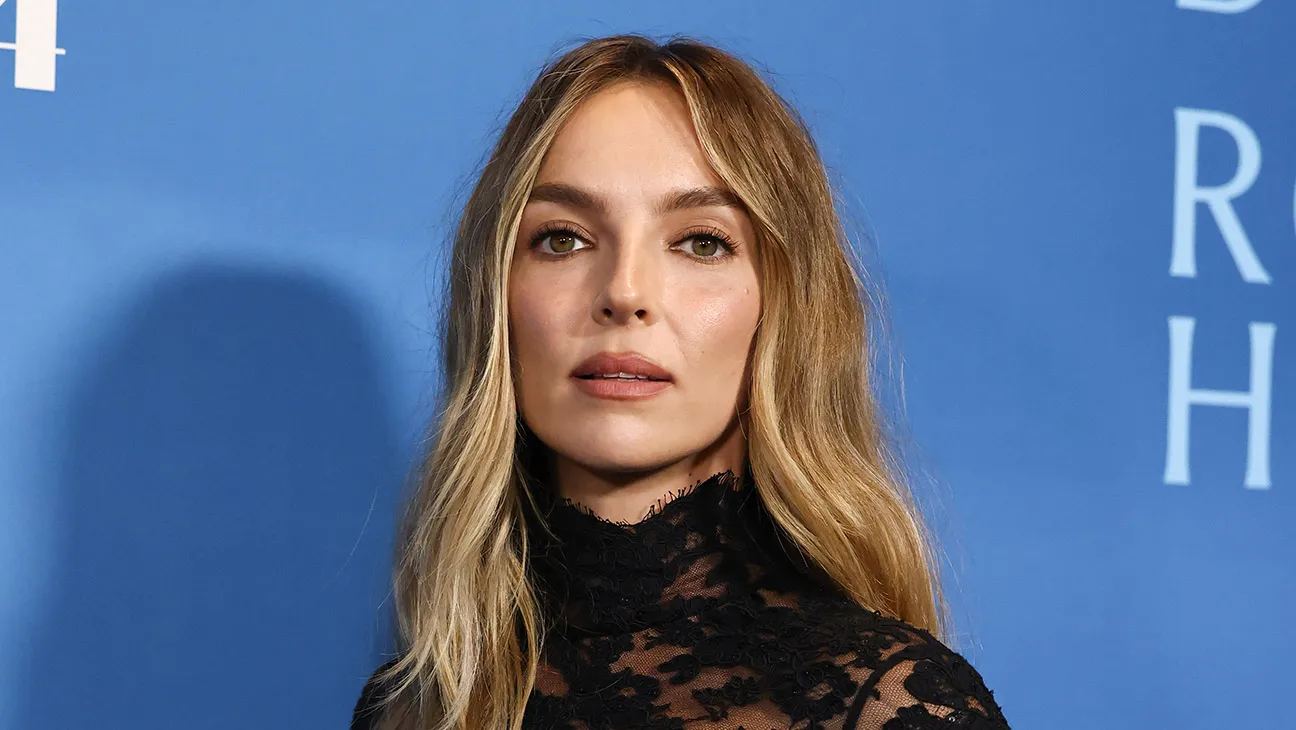
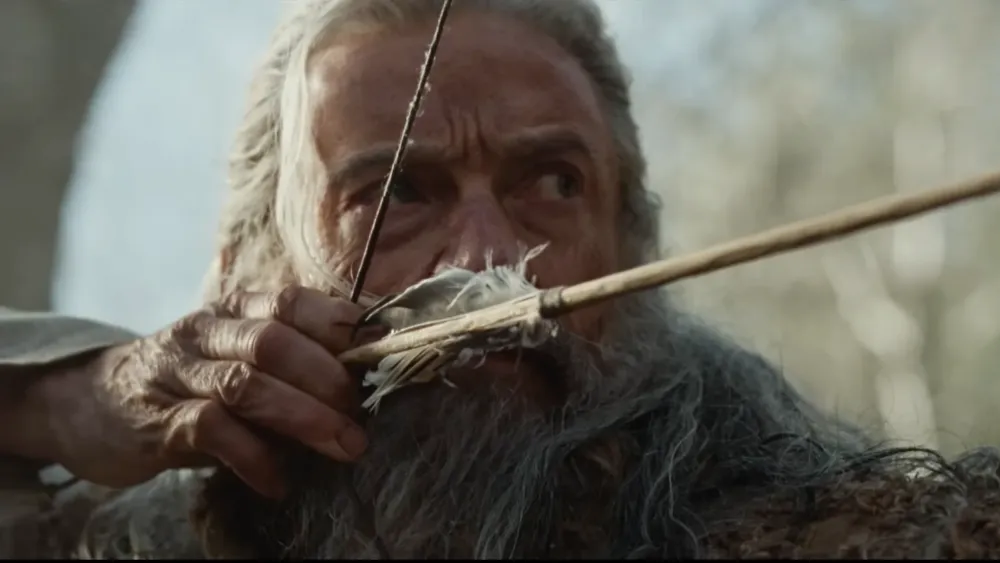
Sarnoski remixes elements from the 17th century ballad, Robin Hood’s Death, as Robin (Hugh Jackman) nearly loses his life while helping Little John (Bill Skarsgård) with a familial matter. The latter then transports Robin to a hillside priory where Sister Brigid (Jodie Comer) nurses him until he’s able to get back on his feet. But unlike the ballad, it’s Robin who’s the monster, not the prioress who treats him with bloodletting, an ancient medical treatment to combat illness and infection. This idyllic island community may know Robin as “Randolph,” but his chickens still come home to roost, forcing him to reconcile his dark past with the valiant yarns regaled about him.