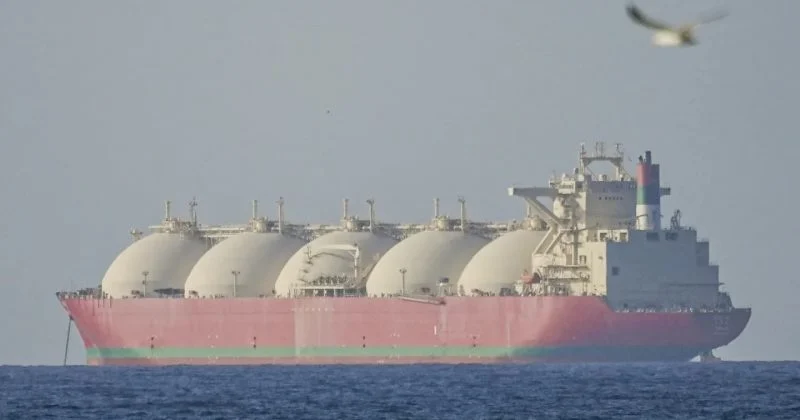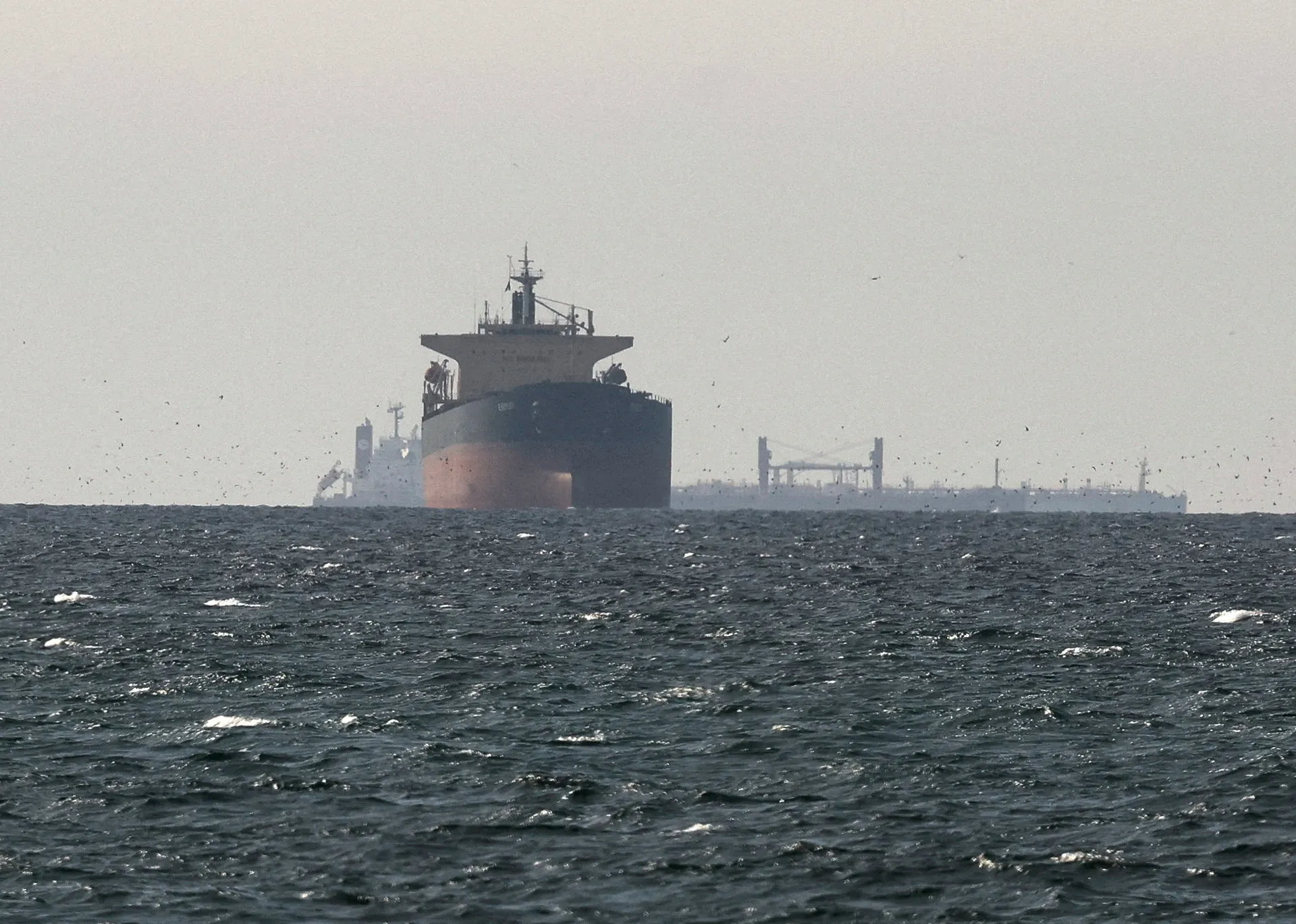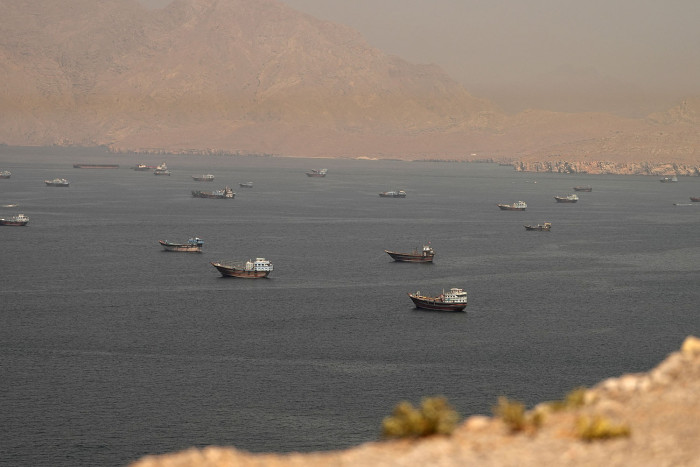
Vessels at the Strait of Hormuz, as seen from Musandam, Oman, June 18, 2026. (Photo: Reuters)
Most crises do not generate new trends; instead, they force existing ones into the open. In that sense, the Iran war looks less like the start of a new cycle than an accelerant of one that has already been building.For years, excess global savings have depressed yields and supported a world of cheap capital. Today, the balance is changing. Defence spending is rising, energy systems are being rewired, supply chains are being duplicated or regionalised, and artificial intelligence (AI) infrastructure keeps demanding ever more investment.
The latest geopolitical shock does not establish that structural shift; rather, it confirms and speeds it up. Thus, interest rates and monetary policies remain central to the outlook. If the world is moving from an abundance of savings to competition for capital, then "higher for longer" rates is not a policy accident but a feature of this decade.
Remarkably, little economic harm has been caused by the conflict in the Middle East and the supply chain obstacles facing the global energy trade. The somewhat surprising response has been to invest in additional defence capabilities or restock them and build alternative supply chains. In addition, the resilience and expansion of AI infrastructure investments are providing another boost to economic growth.