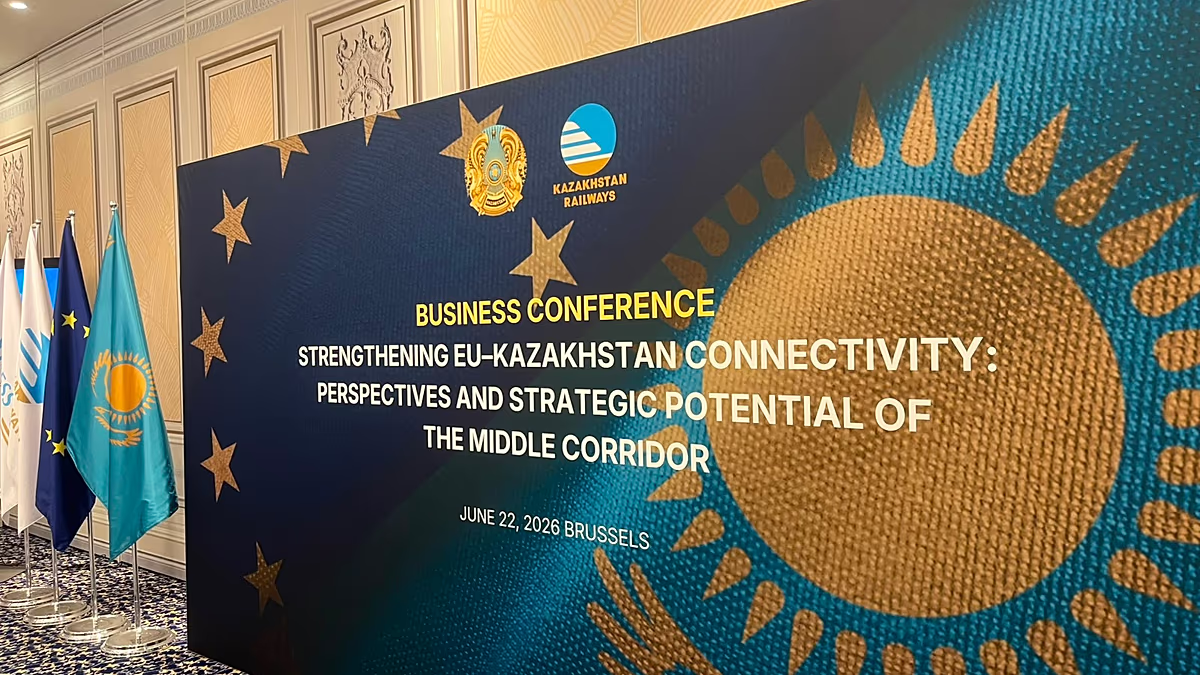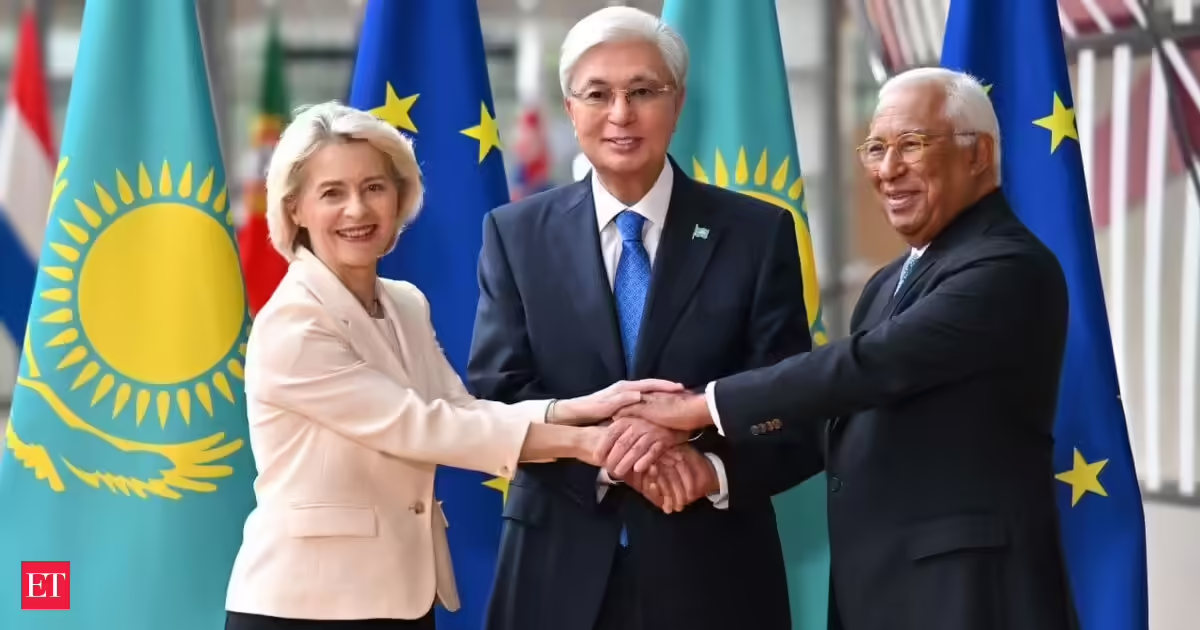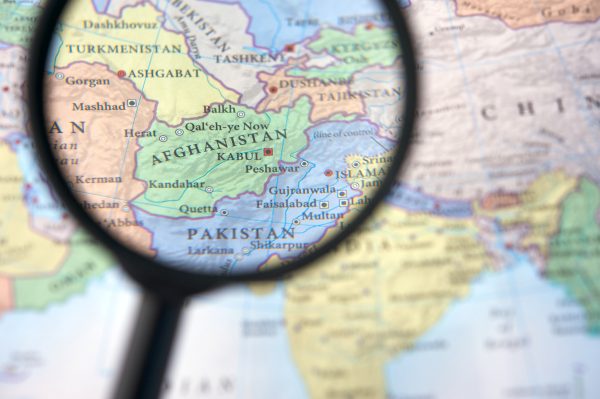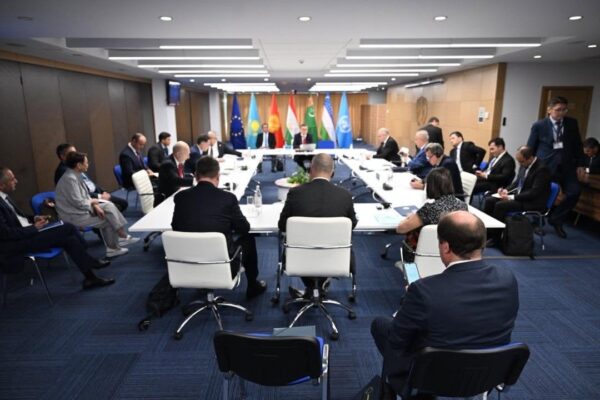
On June 15, Almaty hosted the eighth meeting of EU and Central Asian special representatives for Afghanistan. Against an unfolding humanitarian crisis, the European Union is seeking to deepen its partnership with established regional players to prevent further deterioration. Stable development inside Afghanistan is viewed as a precondition for reducing unwanted migration, including toward the EU.
Behind the diplomatic language of the meeting’s final statement lies a shift in roles. Brussels remains the principal donor to Afghanistan, sending over 161 million euro in 2025, channeled exclusively through humanitarian partners. But the operational channel for engagement is increasingly routed through Central Asia, and the Almaty meeting consolidated this.
The U.N. General Assembly adopted a resolution on March 4, 2025, establishing the SDG Regional Center for Central Asia and Afghanistan in Almaty. The resolution was co-sponsored by 152 states. Just before that, in February 2025, the Termez logistics hub joined the UNHCR global stockpile network as its eighth global warehouse. Kazakhstan was among the first states to normalize its relationship with Taliban-ruled Afghanistan, including removing the Taliban from its list of banned organizations in December 2023. This step helped establish a channel of communication with Kabul. In June 16, 2025, President Kassym-Jomart Tokayev appointed Yerkin Tukumov, a seasoned diplomat and former head of the presidential analytical center, as special representative for Afghanistan. Astana’s approach to Kabul has begun to cohere into a deliberate strategy.