By Eurasianet - Jun 25, 2026, 1:00 PM CDT
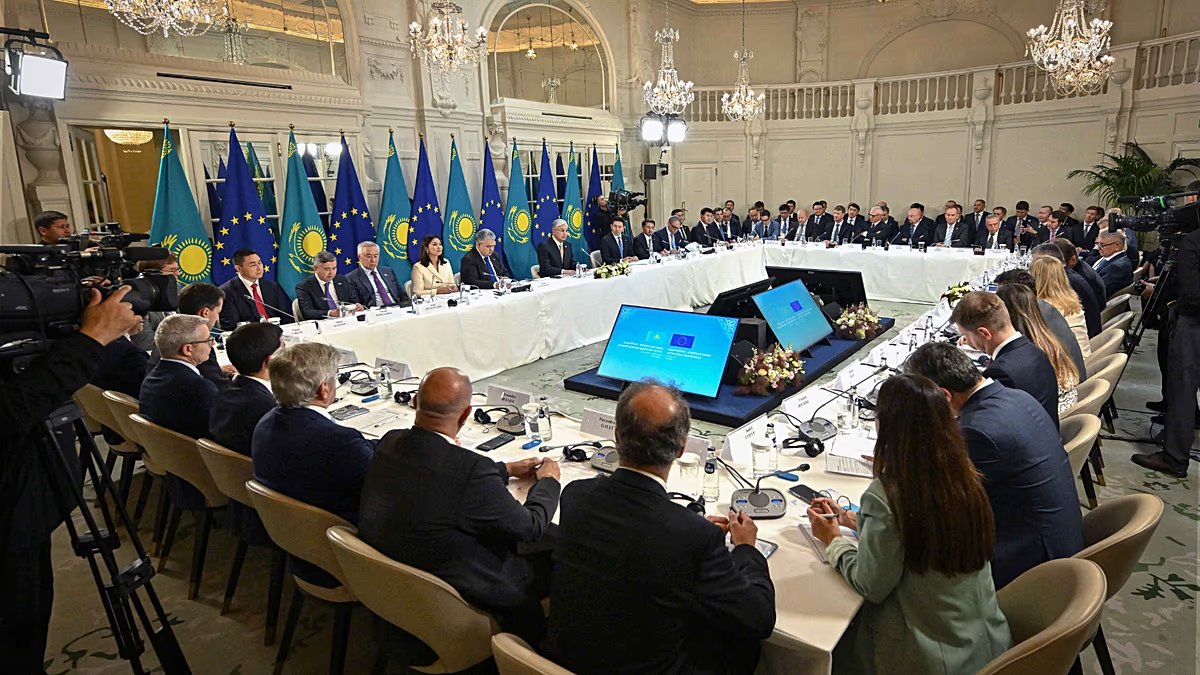
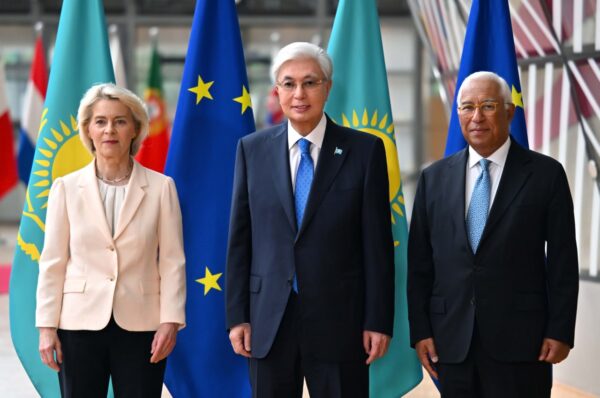
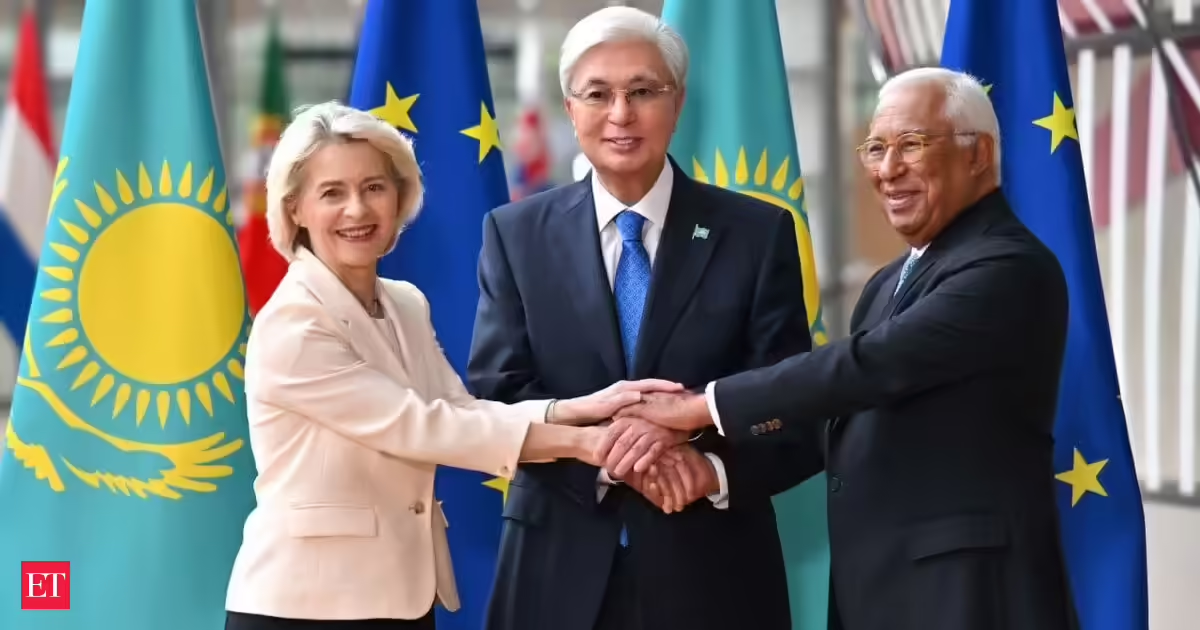
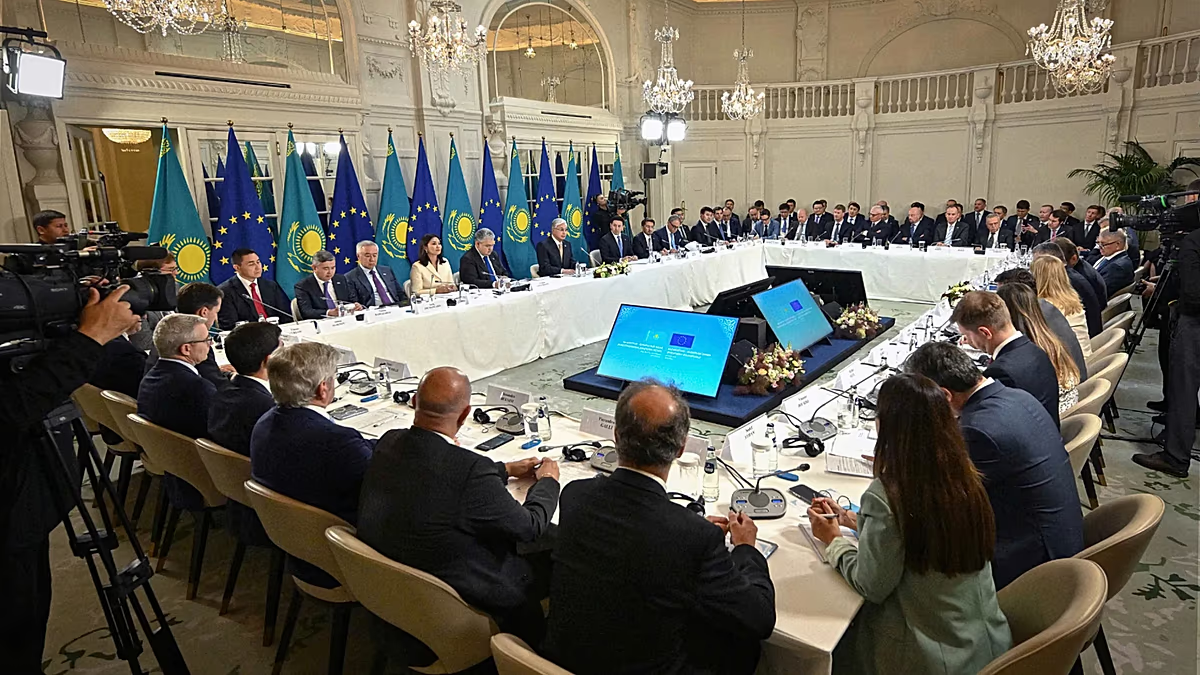
Kazakhstan signed agreements worth more than $12 billion during President Tokayev's visit to Brussels, including a 50-aircraft Airbus purchase valued at €7.1 billion.
The EU reaffirmed its focus on the Middle Corridor, critical minerals, batteries, green hydrogen, and expanded energy cooperation with Kazakhstan.
U.S.-backed efforts to finance critical minerals projects in Central Asia underscore growing Western competition with China over strategic resources.
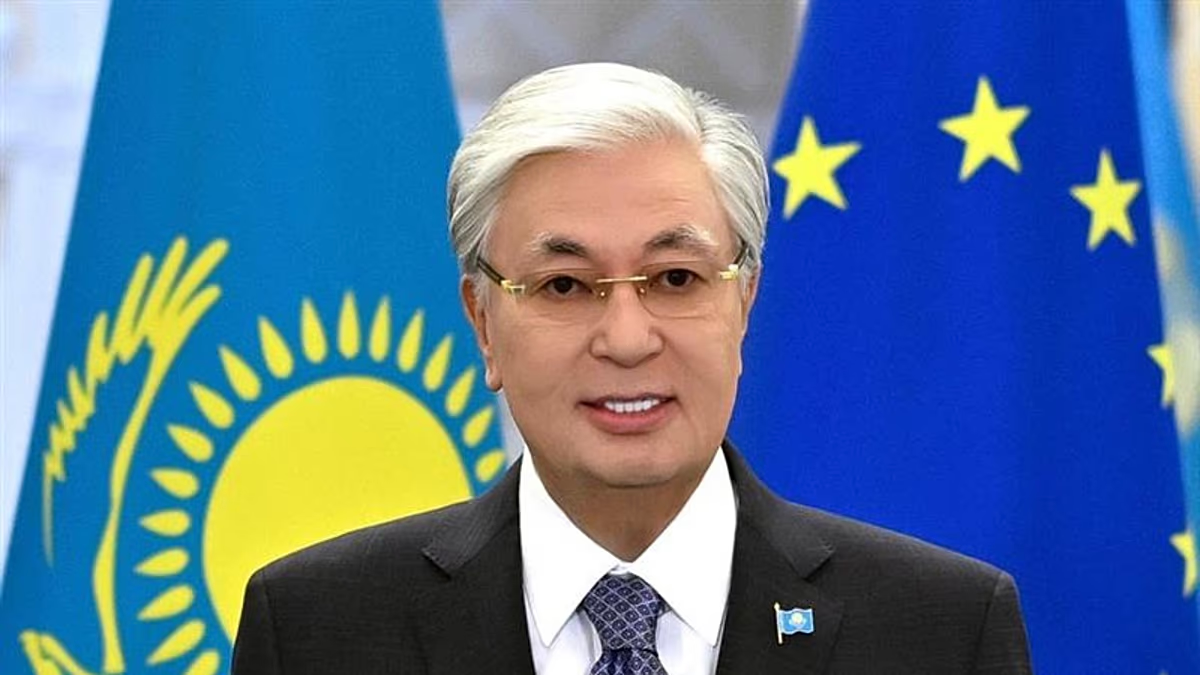
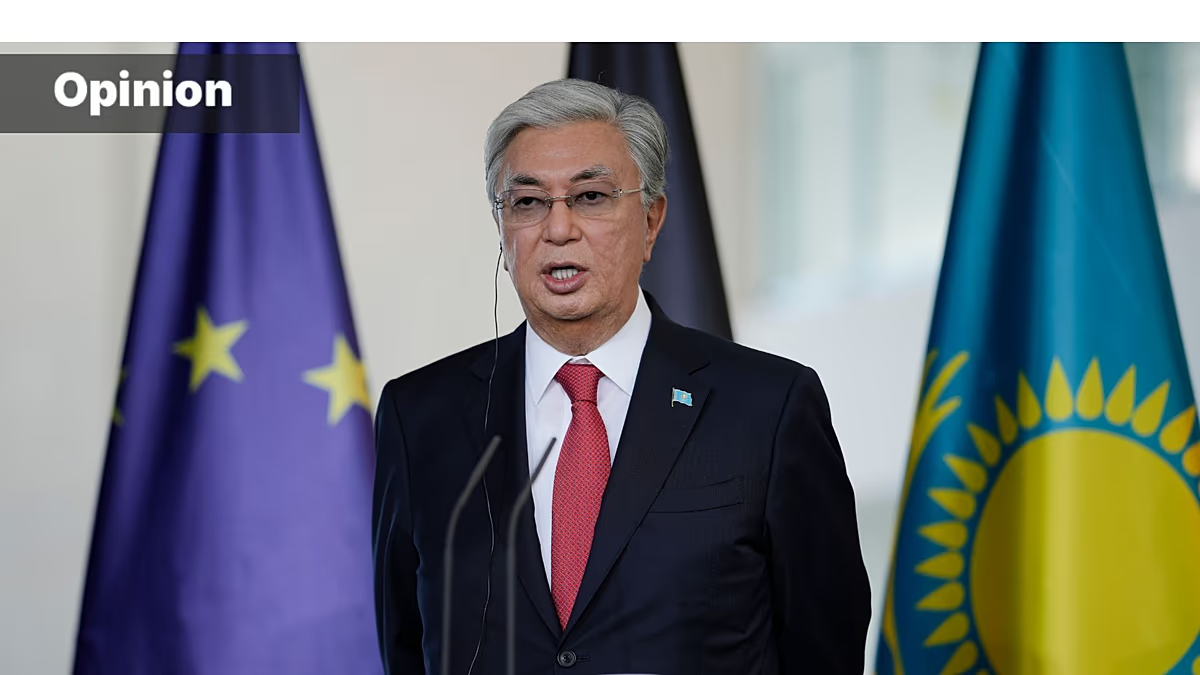
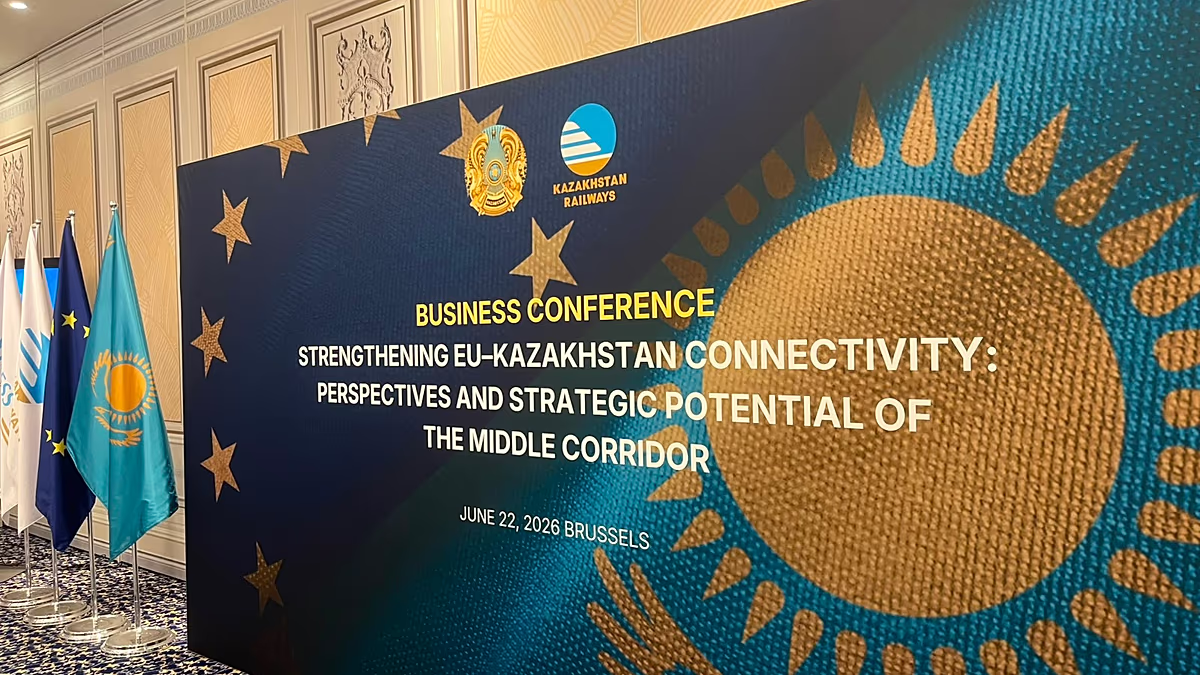
Kazakh President Kassym-Jomart Tokayev’s visit to the EU’s headquarters in Brussels has yielded agreements and MoUs potentially valued at over 12 billion dollars. The key deal involves the purchase of 50 Airbus passenger jets for 7.1 billion euros.Tokayev’s visit, which concluded June 23, focused on developing Middle Corridor trade links within the context of the EU’s Global Gateway program. Prominent among Tokayev’s meetings in Brussels were discussions with European Commissioner for Trade and Economic Security Maroš Šef?ovi?, European Union Special Representative for Central Asia Eduards Stiprais, and Vice President of the European Investment Bank Marek Mora.A joint statement issued upon the conclusion of the Kazakh president’s visit stated that the meetings “stressed the strategic importance of the Trans-Caspian International Transport Route.”The statement stressed that the EU and Kazakhstan “reaffirmed the importance of cooperation in the field of critical raw materials and expressed their commitment to the implementation of the Roadmap for the implementation of the strategic partnership between Kazakhstan and the European Union on sustainable raw materials, batteries and the creation of green hydrogen value chains.”The EU also indicated that it wants to expand energy cooperation to reduce its dependence on Russian supplies. To that end, some observers suggest that EU officials may have discussed the possibility of Kazakhstan’s participation in the construction of a long-planned trans-Caspian pipeline. Kazakhstan recently announced the discovery of substantial, new oil and natural gas reserves in the Ustyurt Plateau. If confirmed, those new reserves could make a trans-Caspian route economically viable. The overwhelming majority of Kazakhstan’s oil exports are now routed through Russia.Brussels recognized “Kazakhstan's role as an important supplier of oil and uranium to Europe and the potential for closer cooperation in the field of renewable energy and the peaceful use of nuclear energy,” according to the statement. Meanwhile, the Reuters news agency reported that a US-government-backed investment group, known as Orion Critical Mineral Consortium, is seeking to raise $20 billion in funding to develop a “pipeline of opportunities” in Asia for critical minerals exports. The initiative aims to weaken China’s grip on supplies of many critical minerals and ensure wider and regular US and EU access to key materials needed for the modern economy, including copper, lithium and rare earth elements. Kazakhstan and Uzbekistan are mentioned as areas of interest for the consortium.Implementation of Orion’s vision would require an estimated $2.4 trillion in investment over the next 25 years, Reuters quoted company officials as saying. Orion’s activities are backed by the US International Development Finance Corporation, along with Abu Dhabi's sovereign wealth fund.By EurasianetMore Top Reads From Oilprice.comVLCC Earnings Near $470,000 a Day as Hormuz Hopes Drive Tanker FrenzyEuro Sinks To One-Year Low As Oil Price Drop Fuels ECB Rate Cut BetsMoscow Refinery May Stay Offline Until 2027