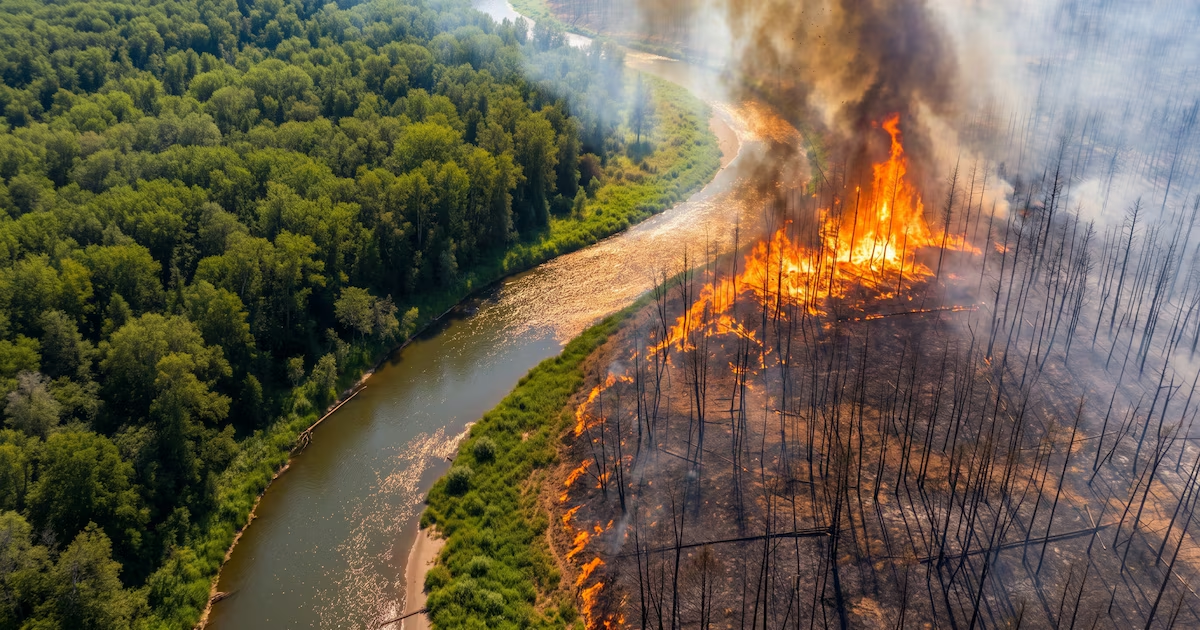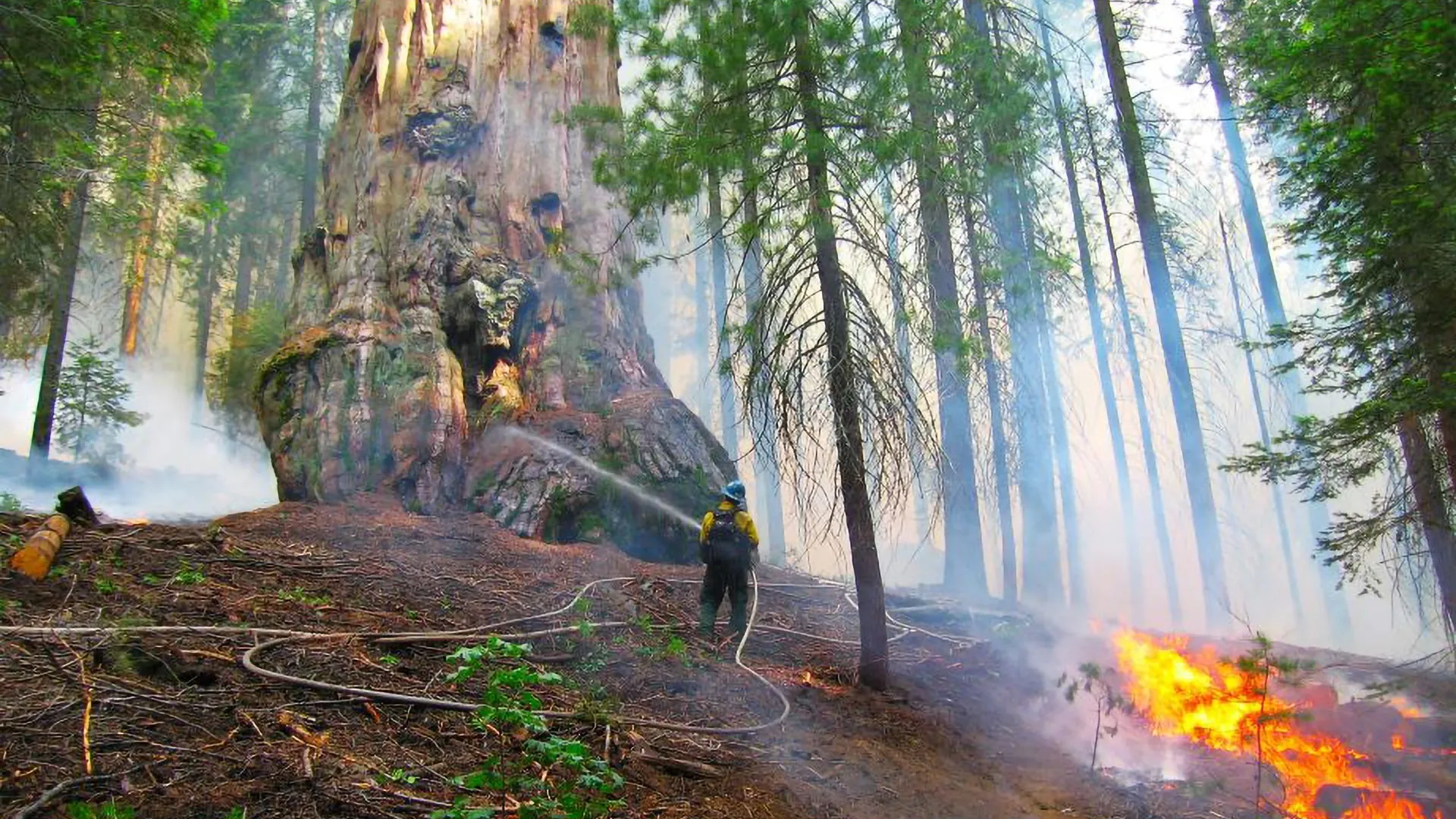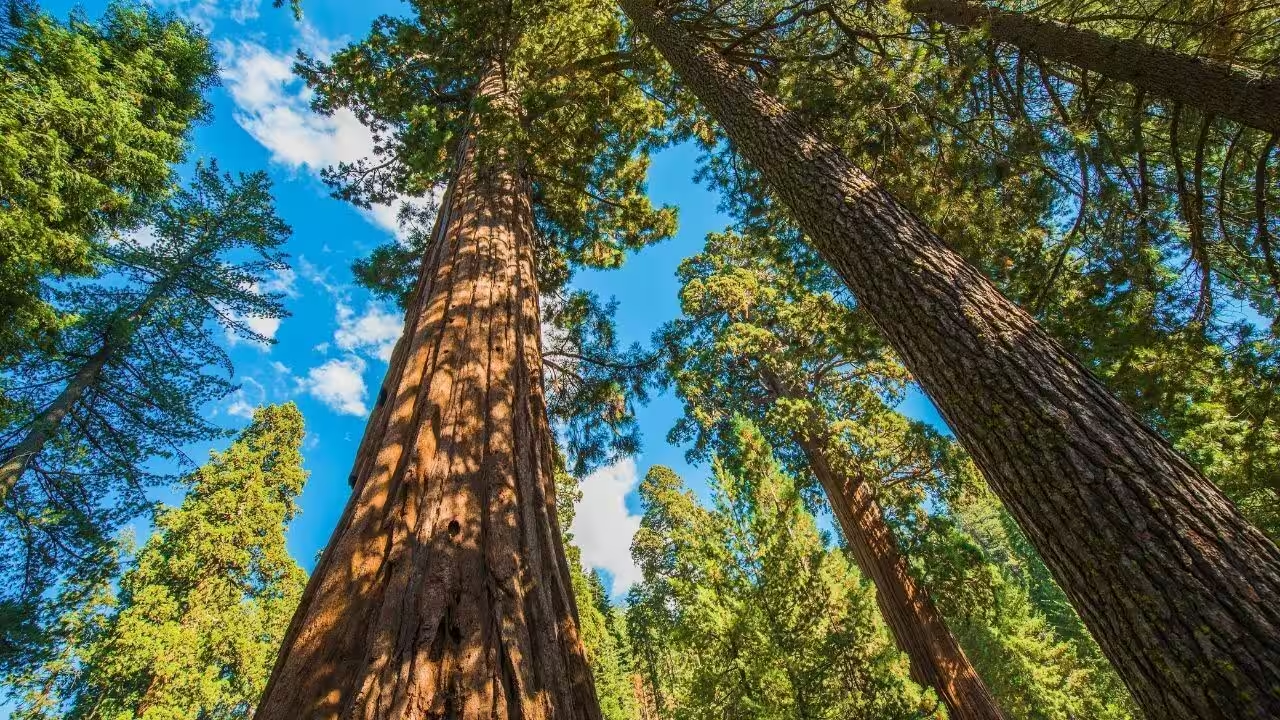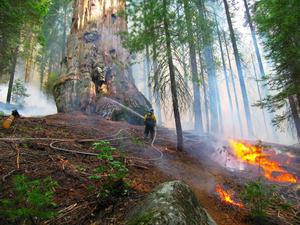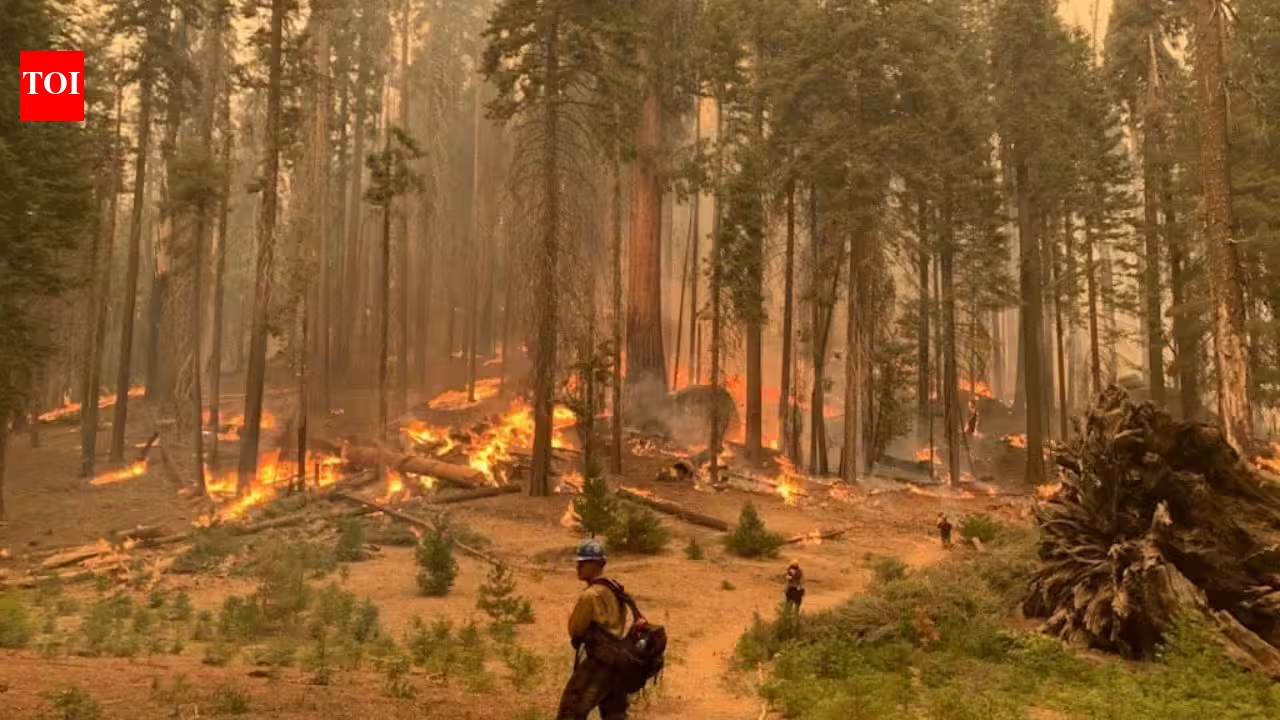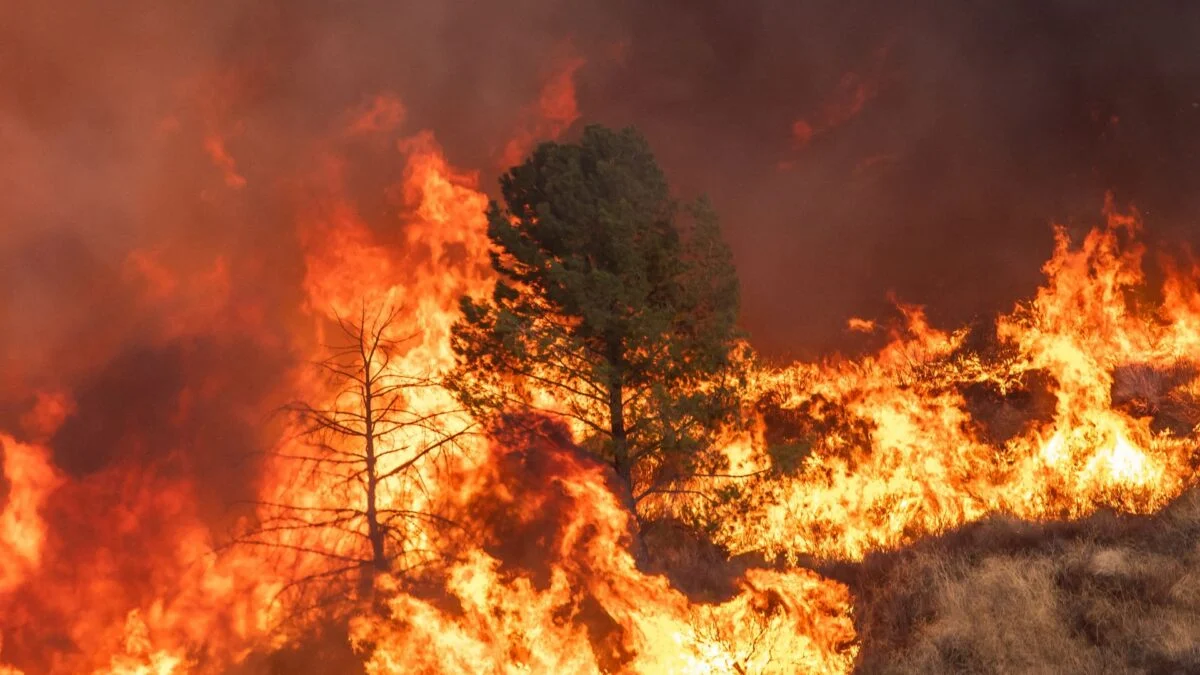
In 2020 and 2021, California suffered three high-severity wildfires that together killed between 10% and 20% of the world’s giant sequoia population. The Castle, Windy, and KNP Complex fires were not the kind these ancient trees had evolved to survive and actually depend on, but these blazes have become the new normal.
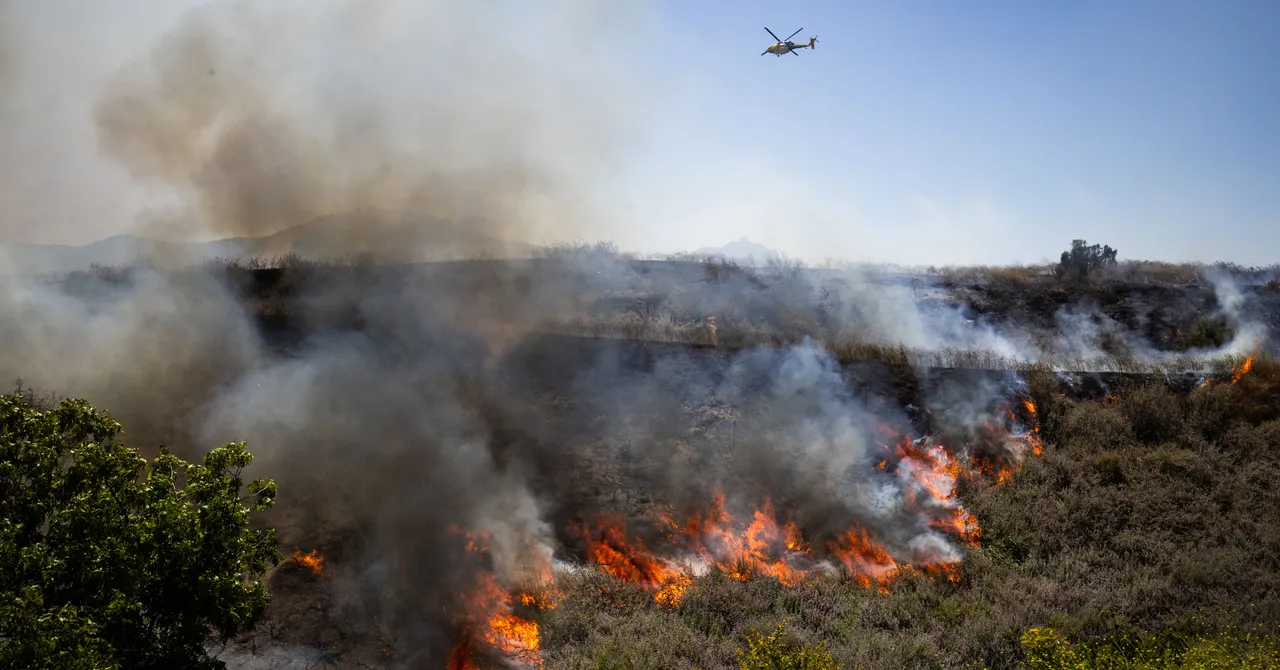
A study published today in the journal Proceedings of the National Academy of Sciences found that the amount of forestland burned annually in California has increased roughly 1,000% over the past 40 years. That’s largely due to the rising prevalence of high-severity fire, which was relatively rare until it became the most common class of fire in 2012, according to the researchers. These blazes escape the forest floor and climb up into the overstory, killing trees and hindering regeneration. To combat this growing threat to the state’s forests, California has implemented an ambitious revitalization plan and more than doubled investments in wildfire prevention and landscape resilience efforts. Ultimately, the state aims to reduce understory fuels across 1 million acres per year primarily through prescribed and cultural burns.
While this would likely provide some relief, the treatments California has proposed may not be feasible everywhere, study co-author Mitchell Hung, a Stanford University PhD candidate who conducted the research as a graduate student at the University of California, Los Angeles, told Gizmodo in an email.