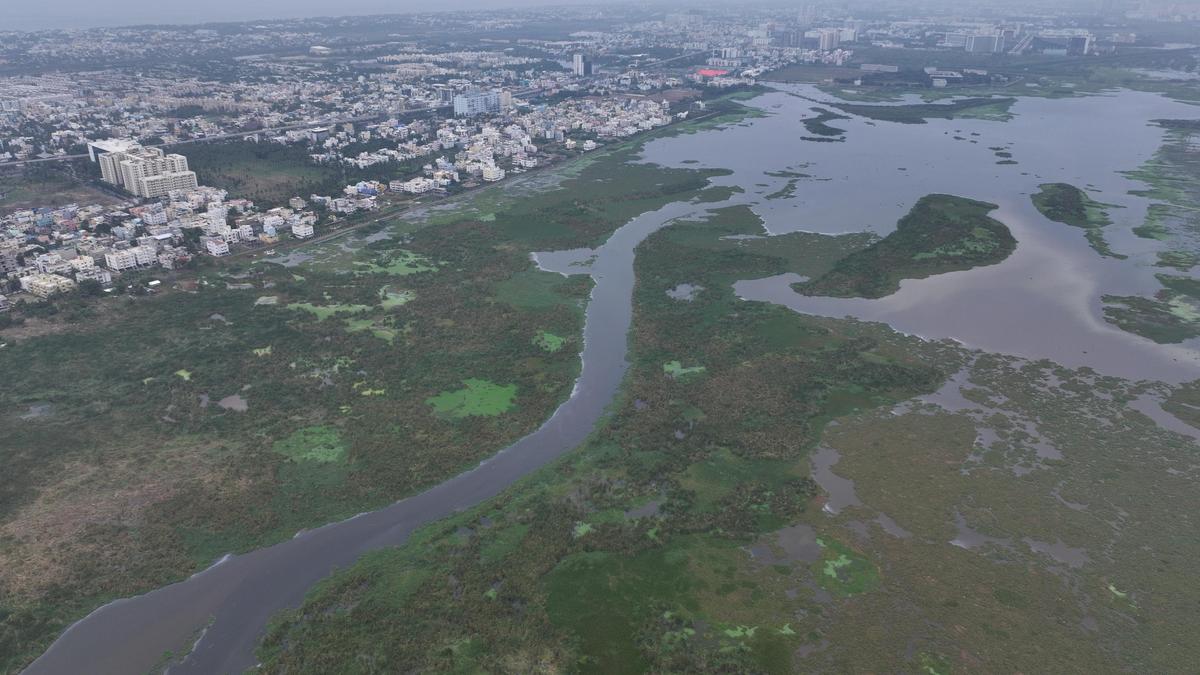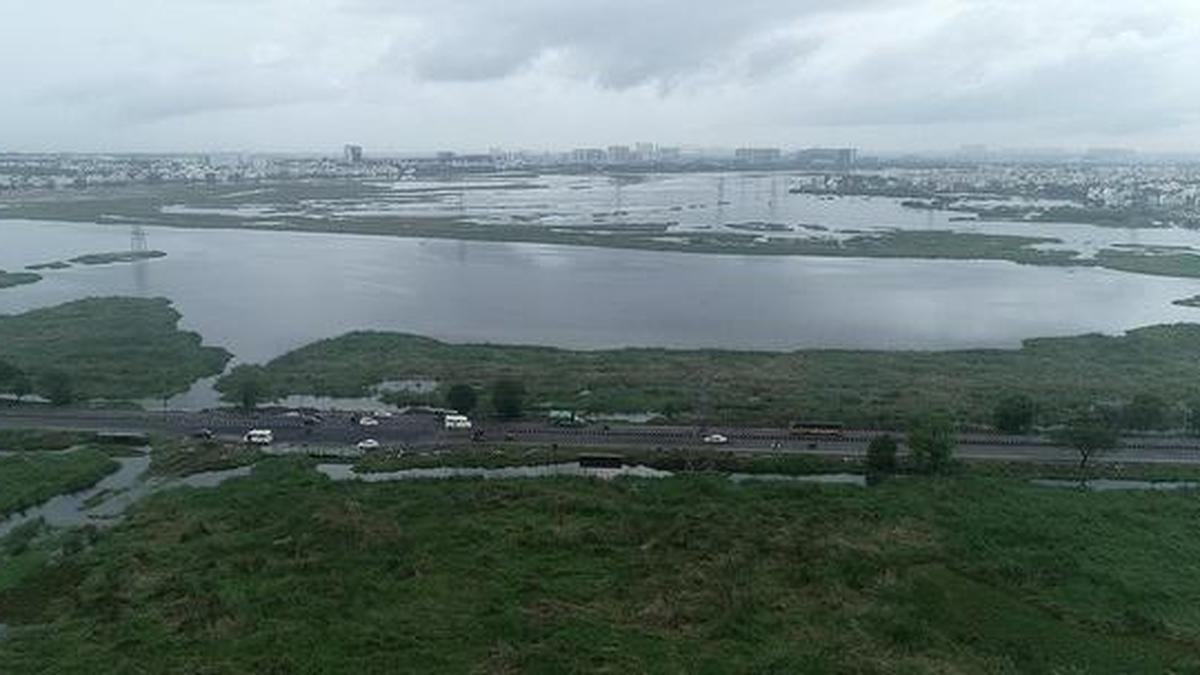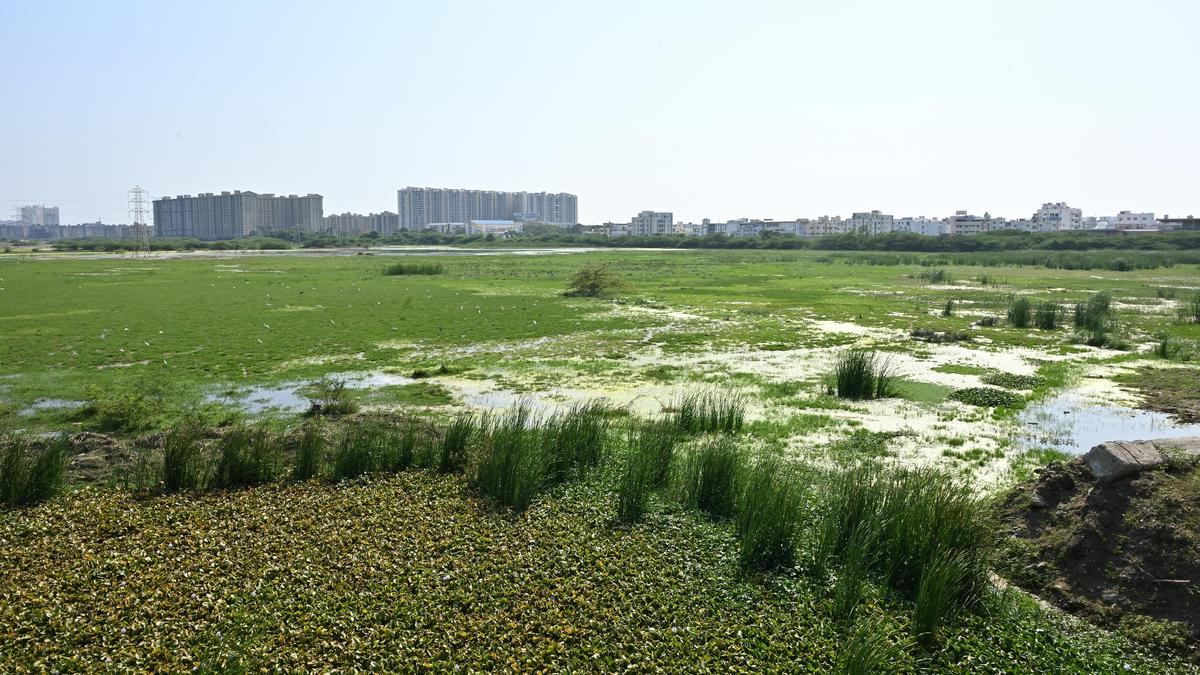
The Pallikaranai Marshland in March 2026.
| Photo Credit: The Hindu
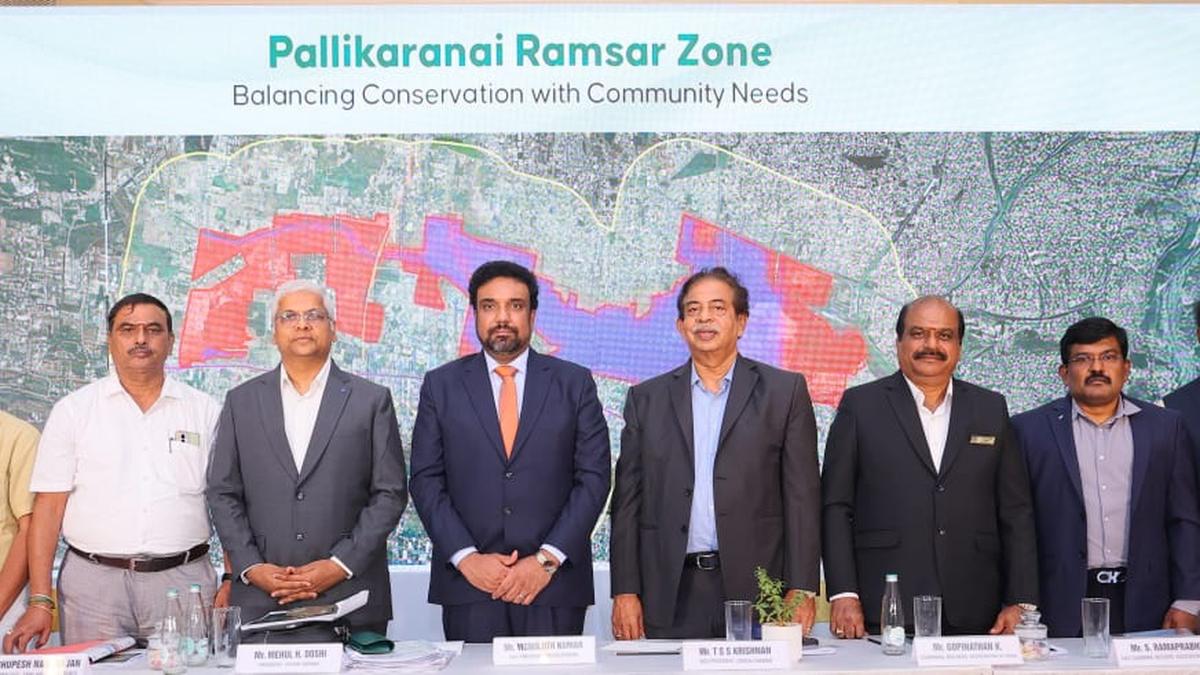
Environmental protection has rightly become a major public policy priority. The Pallikaranai Marshland in Chennai, one of south India’s last surviving natural wetlands and a designated Ramsar Site, deserves protection for its role in flood mitigation, groundwater recharge, and biodiversity conservation. However, restrictions associated with the marshland and its proposed ‘Influence Zone’ have raised concerns among thousands of lawful landowners, creating a broader public policy challenge involving environmental governance, property rights, and public confidence in regulatory institutions.The proceedings before the National Green Tribunal (NGT) and the restrictions of the Chennai Metropolitan Development Authority (CMDA) on the new one-kilometre ‘Influence Zone’ of the marshland raise important concerns. For instance, approximately 85% to 90% of the 8,537-acre ‘Influence Zone’ had already been designated as a “development area” under CMDA’s Second Master Plan (2008) for the promotion of residential, institutional, commercial, and industrial activities. Multiple government agencies informed the NGT that key aspects of the wetland boundary, ‘Influence Zone’, and long-term regulatory framework remained under study.