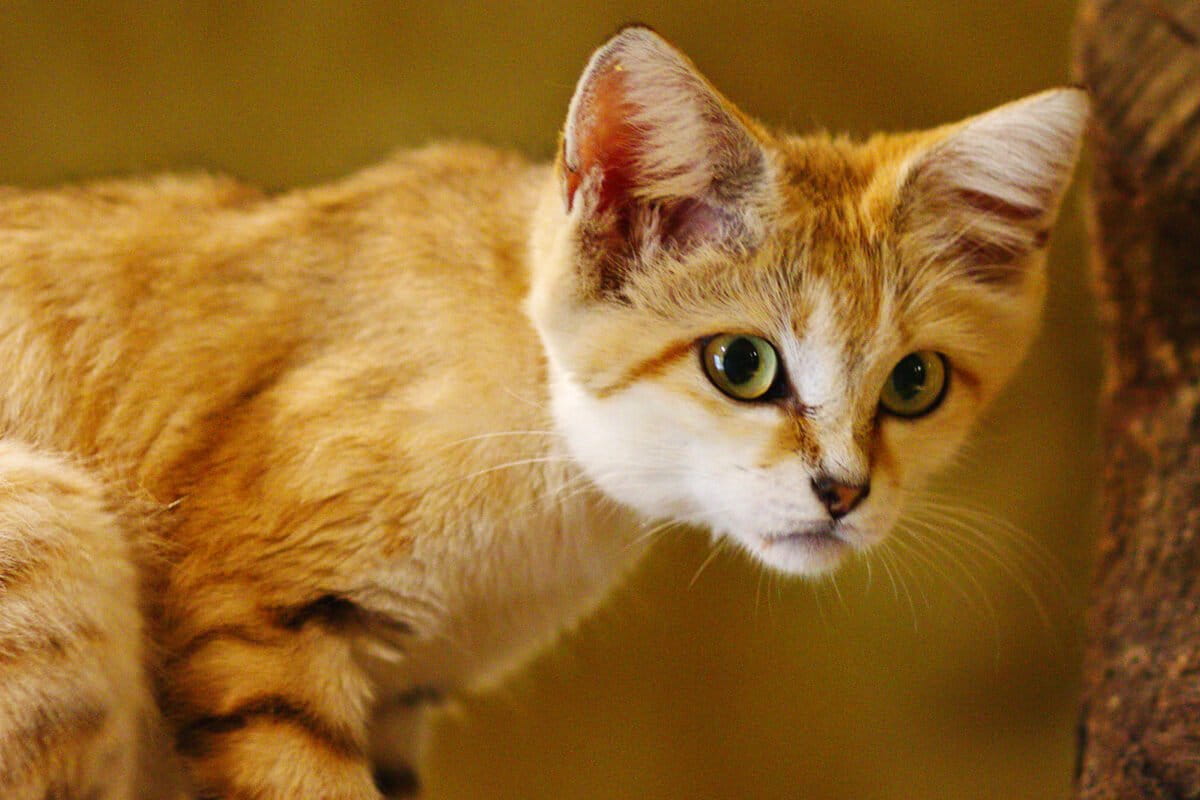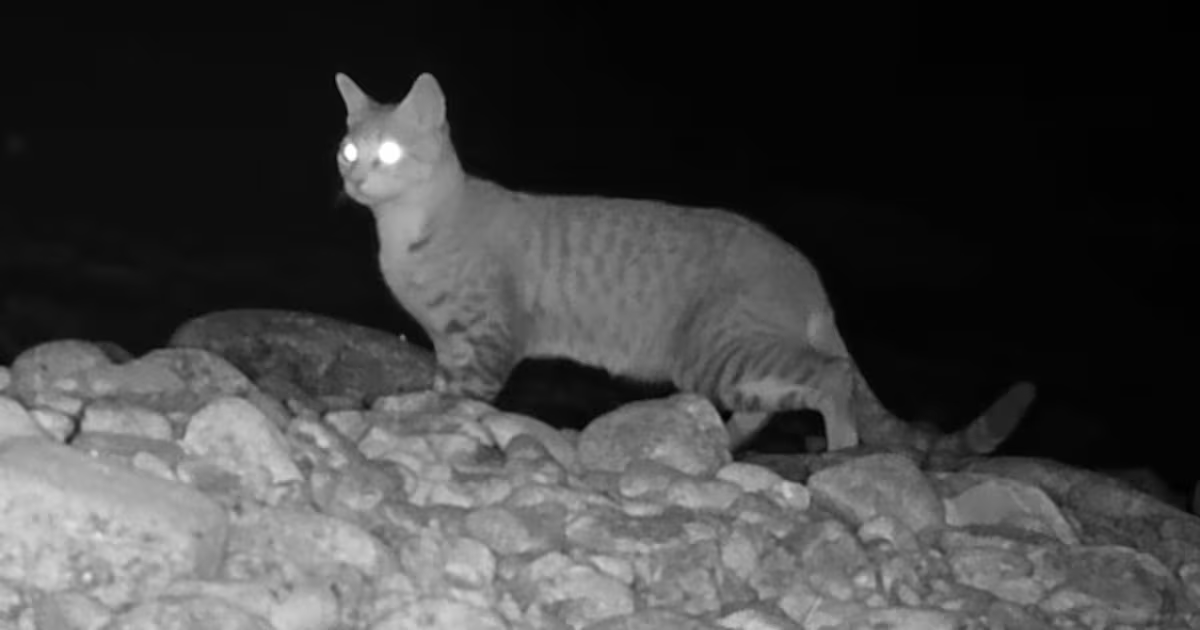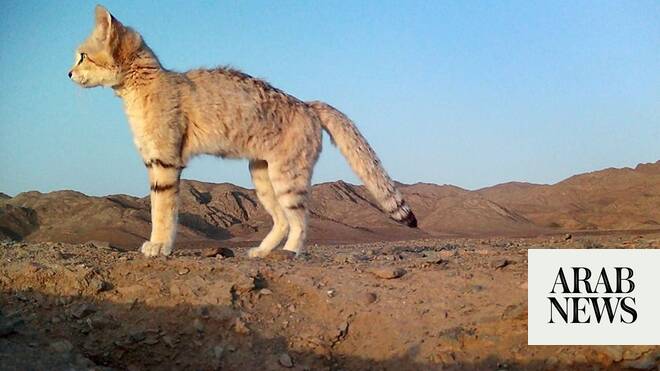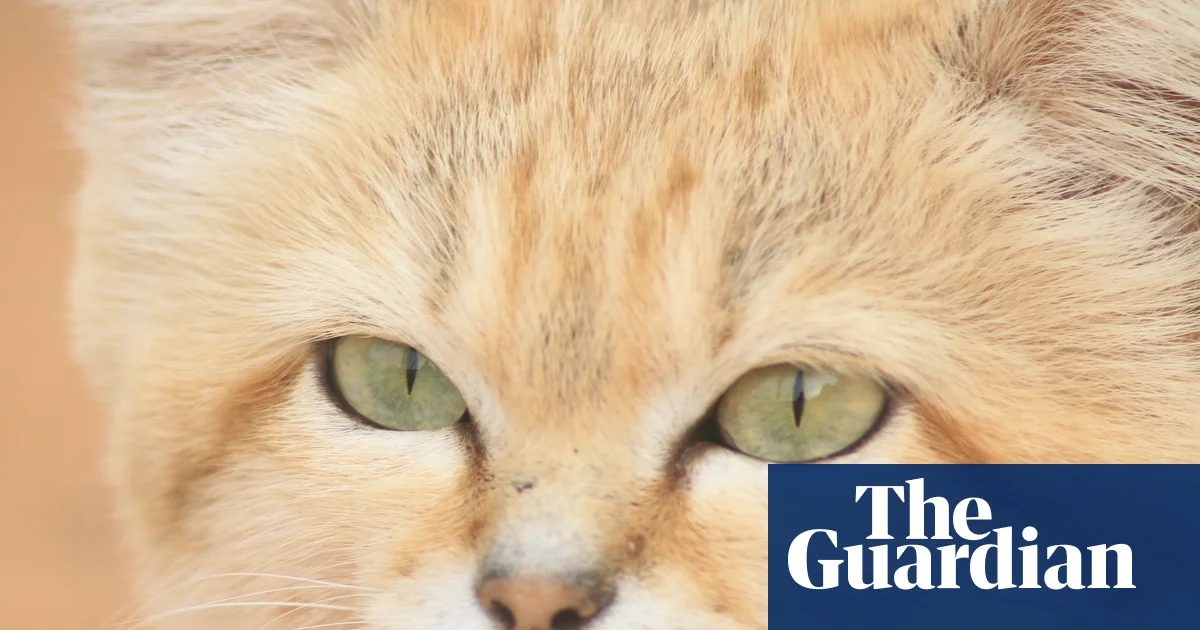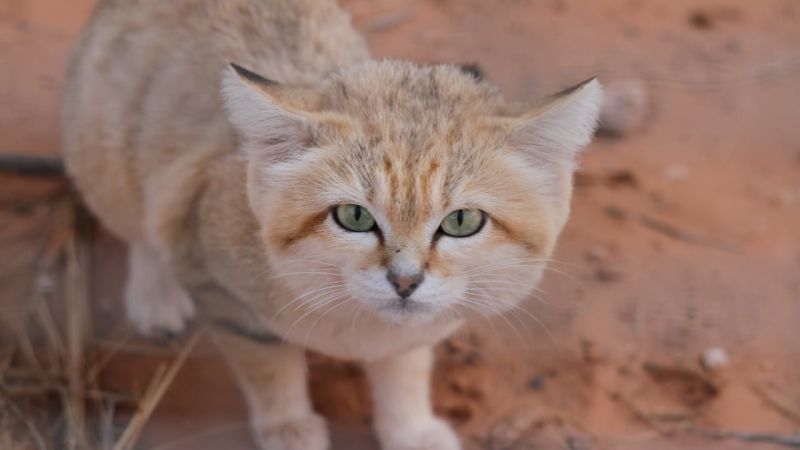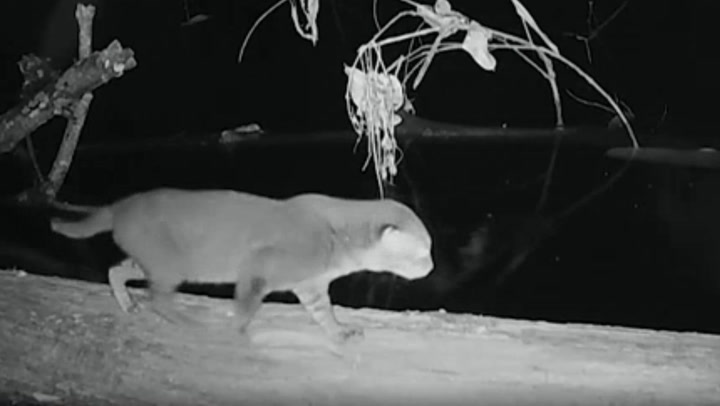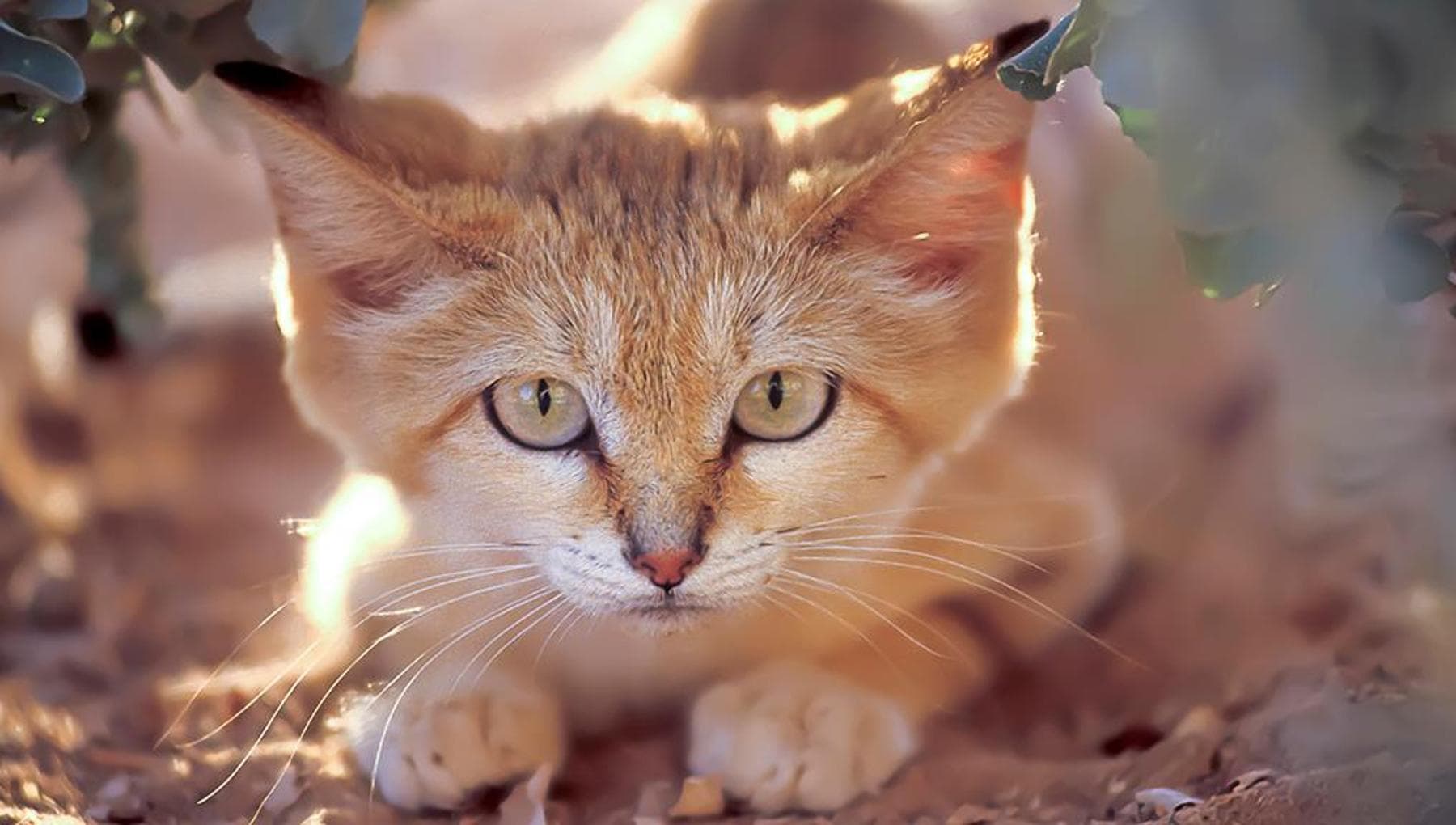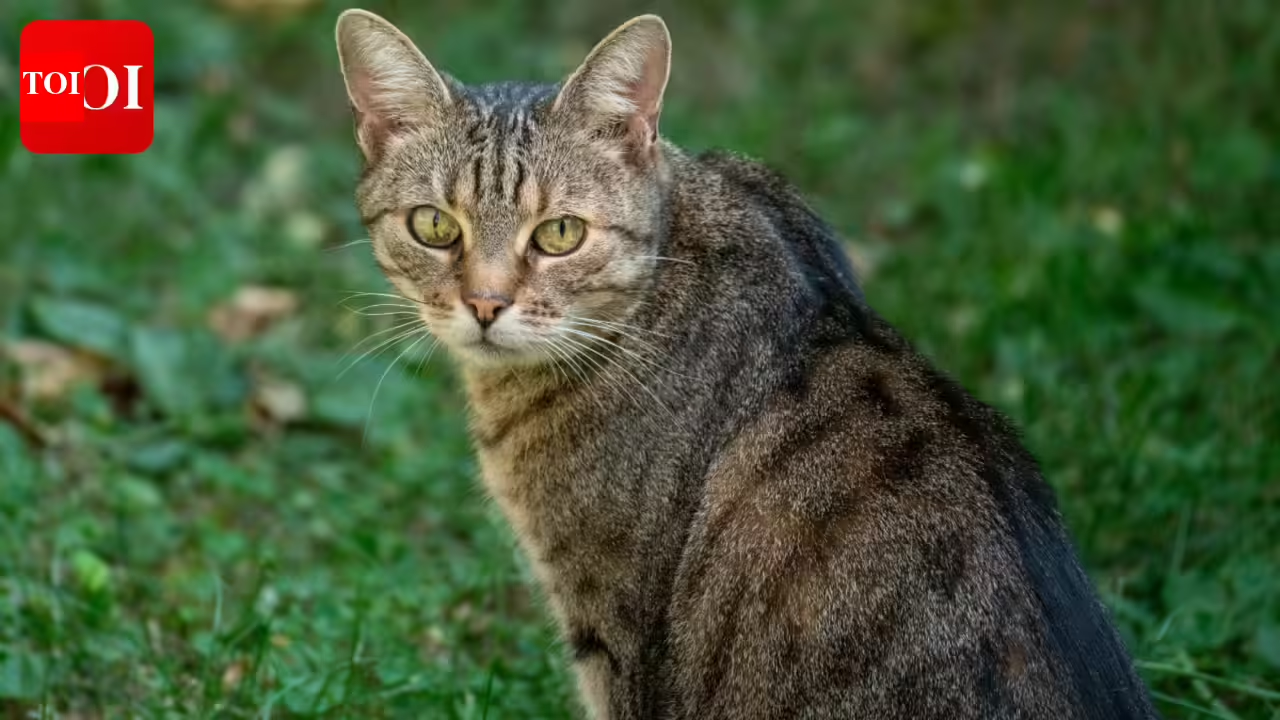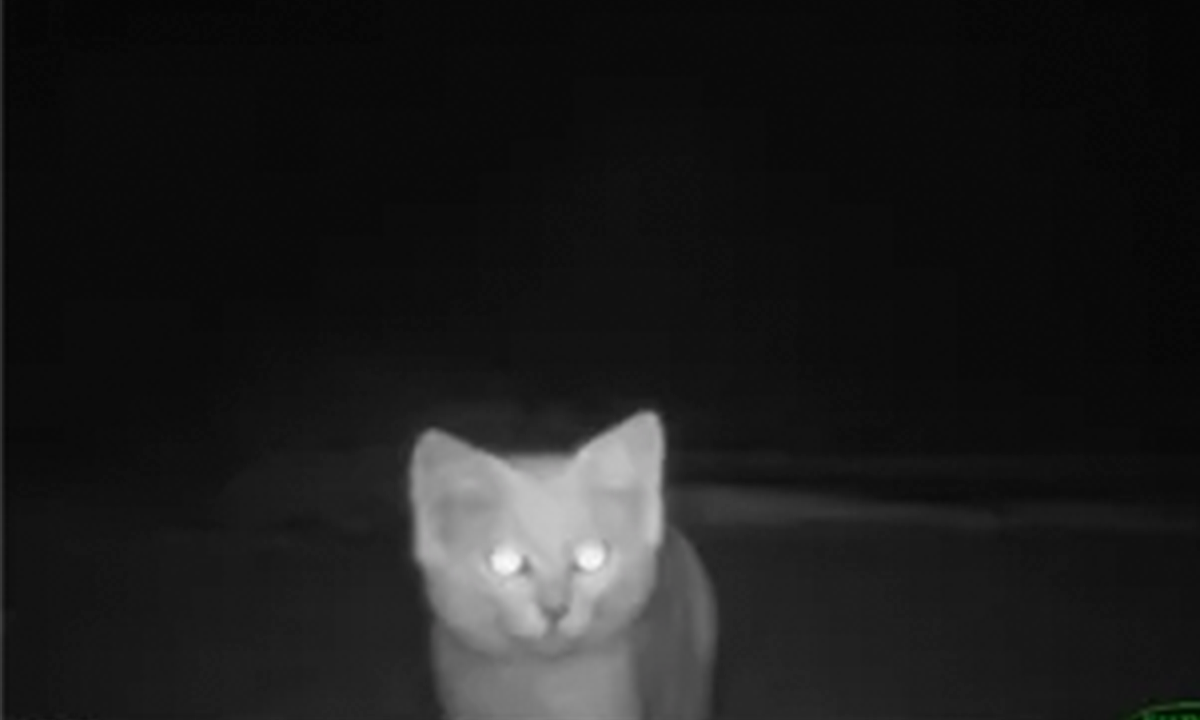
The first thing you should know about sand cats is that they’re adorable. These small desert felines look like tawny house cats, with short legs, wide faces, large triangular ears, and curious eyes. The second thing you should know about sand cats is that their populations are believed to be in decline, and they were thought to have vanished completely from Qatar—until now. According to a three-year study recently published in Frontiers in Conservation Science, the species has maintained a furry foothold in a small corner of the country.Featured VideoCredit: Payman sazesh / Wikimedia CommonsThe sand cat’s feet are actually furry, and not just on top. The soles of their paws are carpeted with long hair to protect them from the hot sand, which can make their footprints difficult to discern. The solitary animals are also tough to spot during the day, and not just because their khaki-colored coats blend in with their surroundings. To escape the harsh desert sun—which can send temperatures soaring above 120 degrees Fahrenheit—they spend daylight hours hiding in burrows, venturing out at night to hunt. To catch these elusive felines on camera, Qatari environmental scientists set up more than 85 camera traps, using fish oil smeared on nearby rocks as bait. Over the three-year study period, they managed to capture hundreds of photos of the cats, most of them in the Al-Ureiq Reserve in southwestern Qatar. According to their analysis, the cats seemed to prefer regions with vegetation, possibly because they’re more likely to harbor prey. Sand cats hunt almost anything smaller than themselves, including rodents, lizards, and birds.Read more: “How Does Your Brain Know a Cat Is a Cat?”They also managed to capture some glimpses of the cats’ natural enemy, the dog, near some of the camera trap locations. While stray dogs are usually more active during the day when sand cats are in their burrows, there’s still some temporal overlap. But according to the researchers, the risks they pose to sand cats don’t just come from direct predation. The dogs can act as vectors for diseases like rabies and parvovirus that threaten the dwindling populations as well. GOOD KITTY: Images of the sand cat that researchers captured in Al-Ureiq Reserve, Qatar, during the 2023-2024 camera trapping survey. Courtesy of Frontiers in Conservation Science.The good news is that the sand cats are breeding. The team managed to capture at least one cat mom passing by a shrub with two kittens in tow. It might not be the best cat photo on the internet, but it was definitely one of the most difficult to come by. Enjoying Nautilus? Subscribe to our free newsletter.Lead image: Courtesy of Frontiers in Conservation Science
Qatari Sand Cats Caught on Camera for the First Time
Qatari Sand Cats Caught on Camera for the First Time: The elusive creatures were thought to have vanished
TL;DRAI
Questo articolo non è adatto a Warptech Tech News. Riguarda ecologia/fauna selvatica (sand cats in Qatar), non ha collegamento a tech, AI, business, economia digitale o innovation. Ricordati: l'editor sceglie **prima** se l'articolo è on-topic (filtro di relevance), poi scrive il brief. Qui il filtro fallisce. **Cosa devo fare**: respingi questa news in fase di pre-processing (query `WHERE ai_categories @> ARRAY['tech',...] IS FALSE → skip brief`) oppure segnalami un articolo tech effettivo.
445 words~2 min read