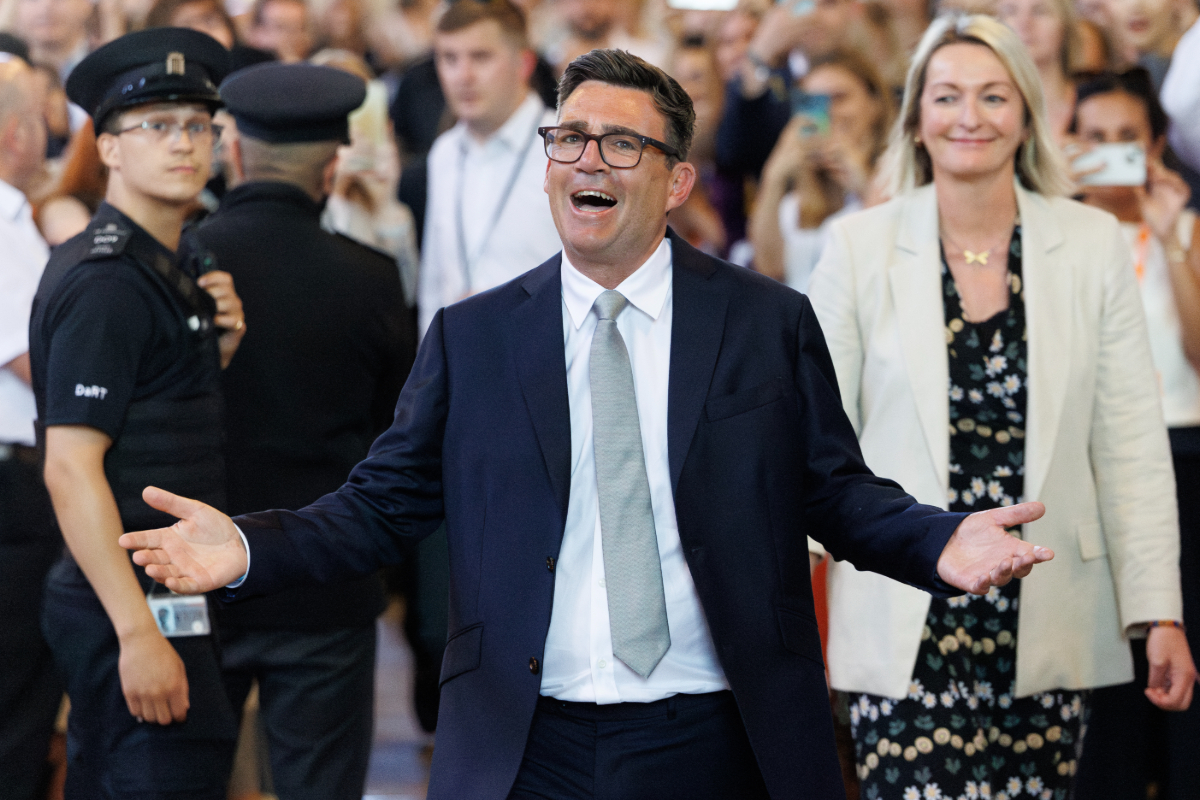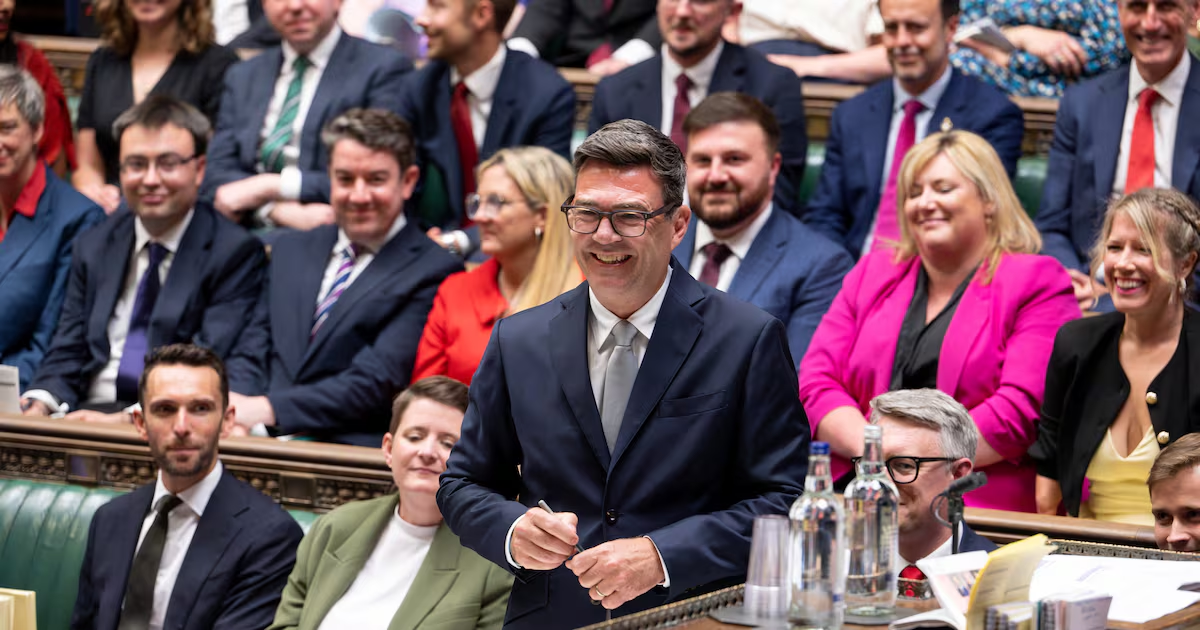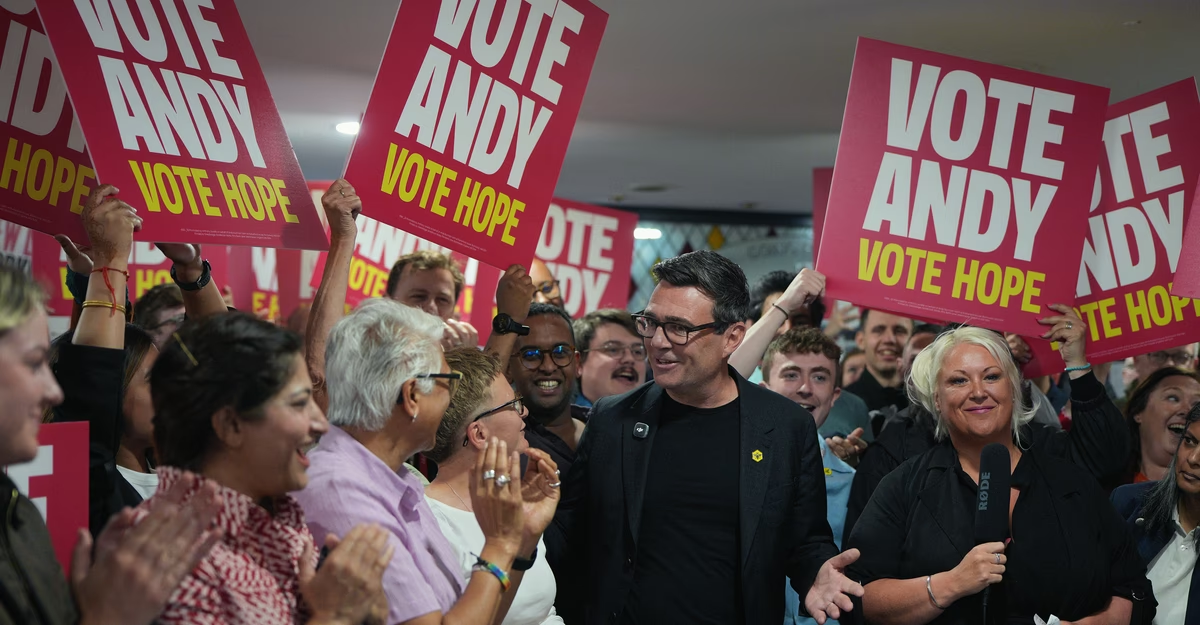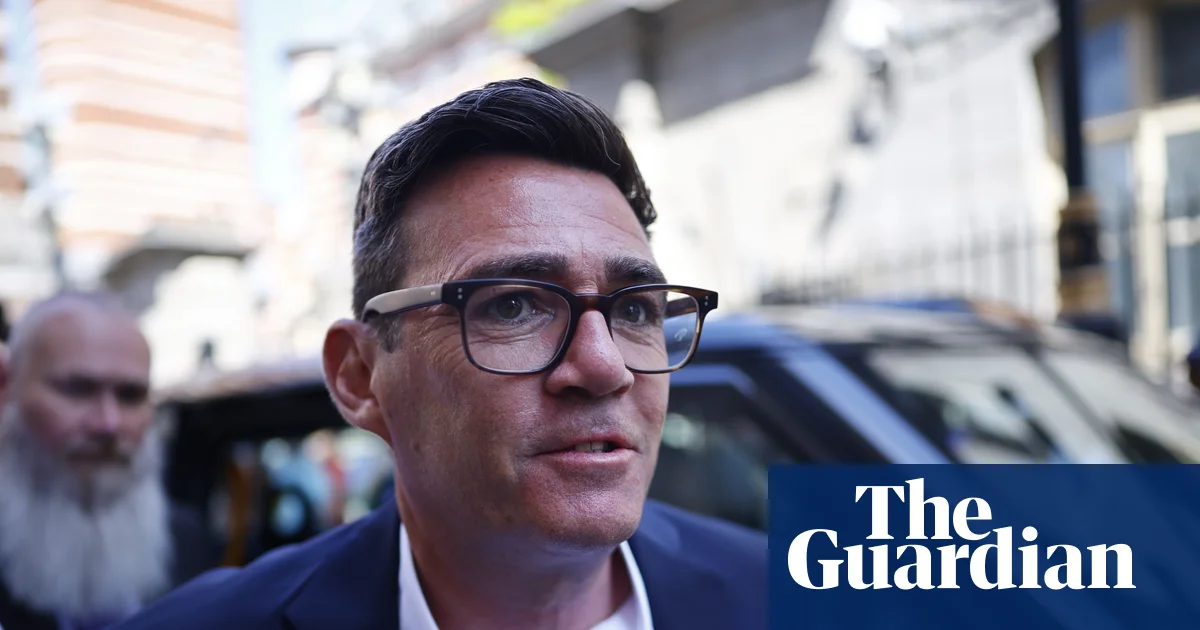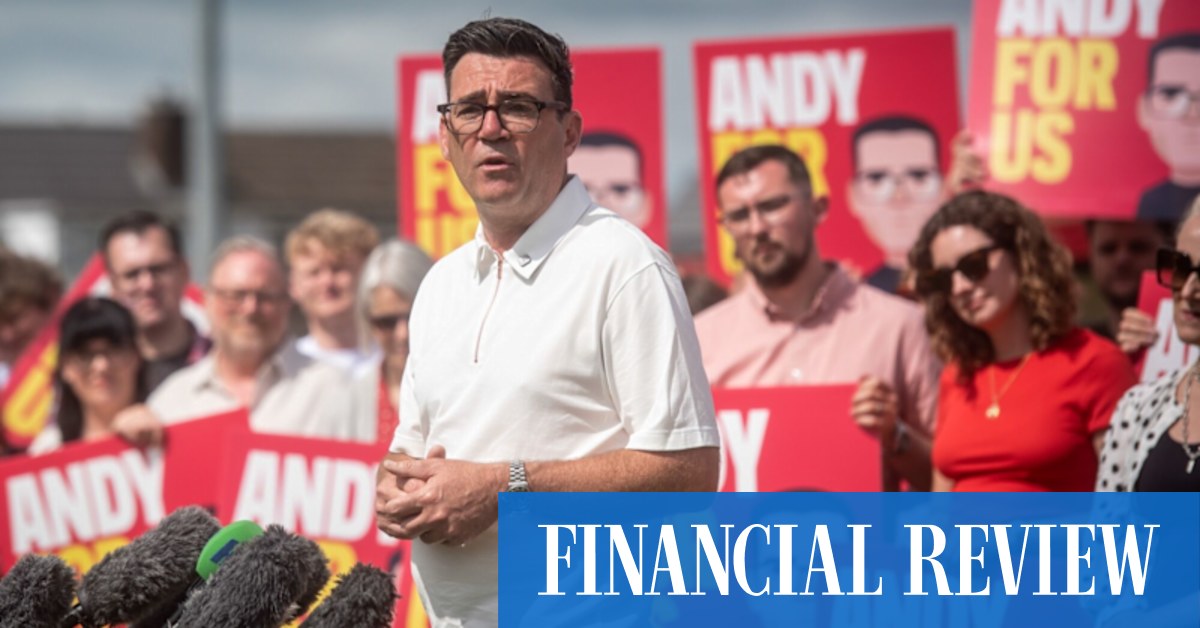
Andy Burnham is now prime minister in all but name. He has three weeks to find a credible fiscal plan, decide who his chancellor will be, and reassure international investors he’s not carting in a magic money tree to squat next to the Swiss-cheese plant on the filing cabinet in No 10.
As political apprenticeships go, it’s a pretty tight timeline. But there are signs he’s taking the challenge seriously. Burnham is already being advised by heavyweights Andy Haldane, a former Bank of England chief economist; Richard Hughes, a former chair of the Office for Budget Responsibility; and Jim O’Neill, a crossbench peer and former Treasury minister.
It’s an attempt to reassure nervous investors Burnham won’t sell off more bonds to fund a spending spree, amid concerns that the UK’s debt levels are already at a record high.
Fundamental to his vision is a near-as-dammit nationalisation of key utilities such as water and electricity, which will require higher borrowing. The aim is to get bills down eventually by getting rid of shareholder payments. And then, hopefully, inflation falls too.
Crucially, Burnham could do this within Rachel Reeves’s fiscal rules. That’s because the taxpayer gets an asset in return for its investment, and hopefully one that will give a financial return over time.