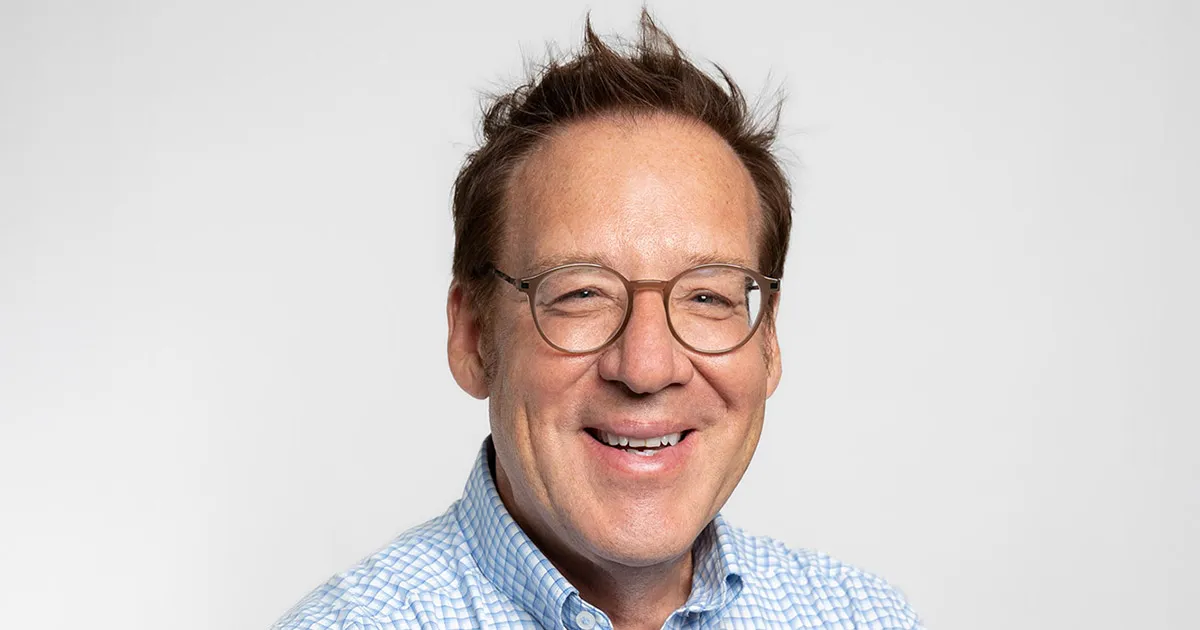
Chemical biologist Greg Verdine was driving from his North Shore home to his office in Cambridge when he had to pull over to the side of the road.
Verdine was listening to the podcast “Interesting Times with Ross Douthat.” The guest was former U.S. Sen. Ben Sasse, who has metastasized stage 4 pancreatic cancer. Few with the diagnosis survive beyond a year.
Sasse sounded surprisingly upbeat as he described an experimental drug that had reduced his tumors by 76 percent and helped him beat survival expectations (though not cure him, he noted).
“I did that,” Verdine, the Erving Professor of Chemistry, emeritus, recalled thinking. “I made that possible.”
The drug was daraxonrasib, which has garnered attention in recent months for the unprecedented success of its Phase 3 clinical trial. The treatment roughly doubled overall survival time from 6.7 months to 13.2 months, a precious increase for patients like Sasse and the estimated 60,000 other Americans who are diagnosed with pancreatic cancer each year.