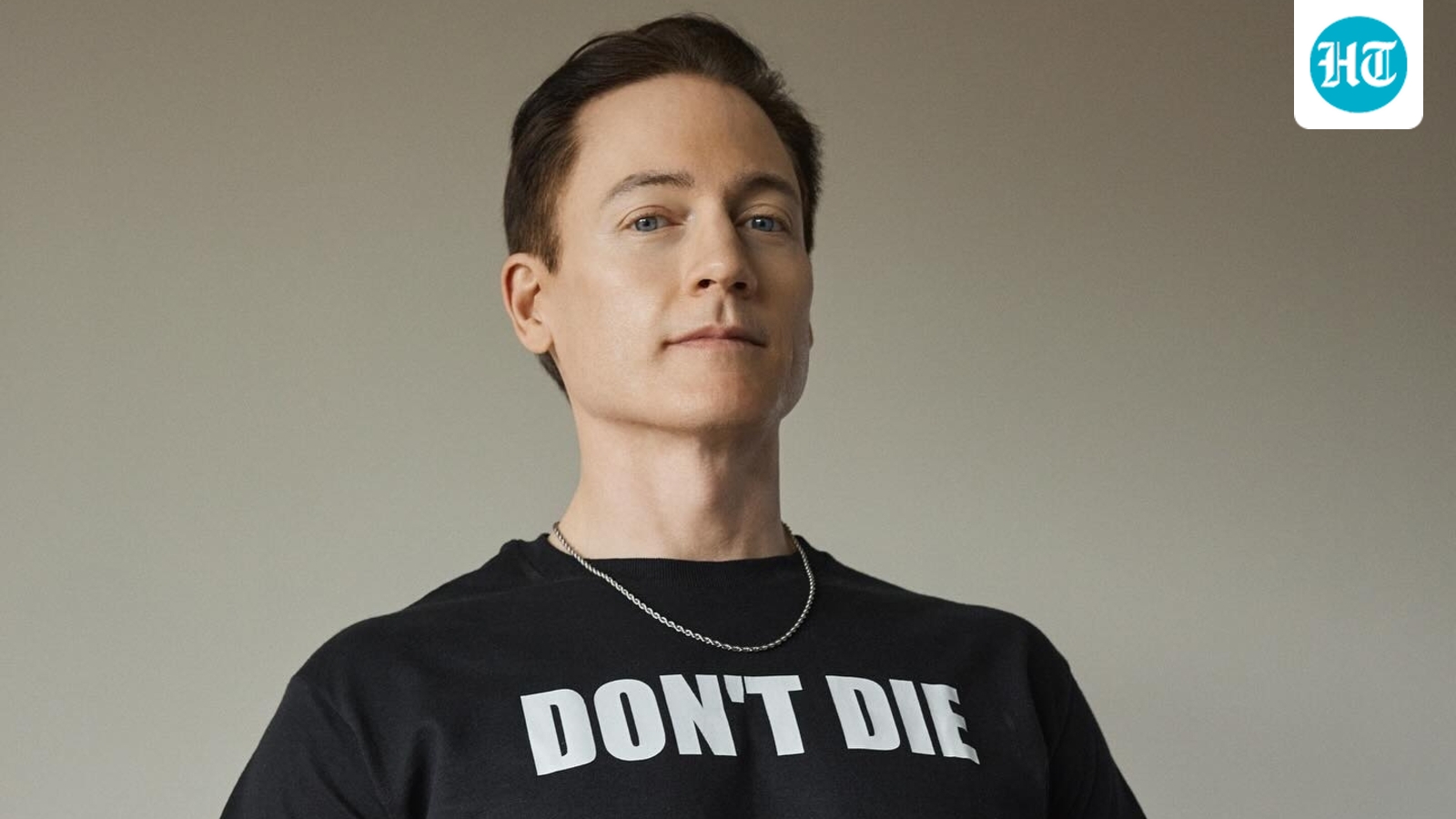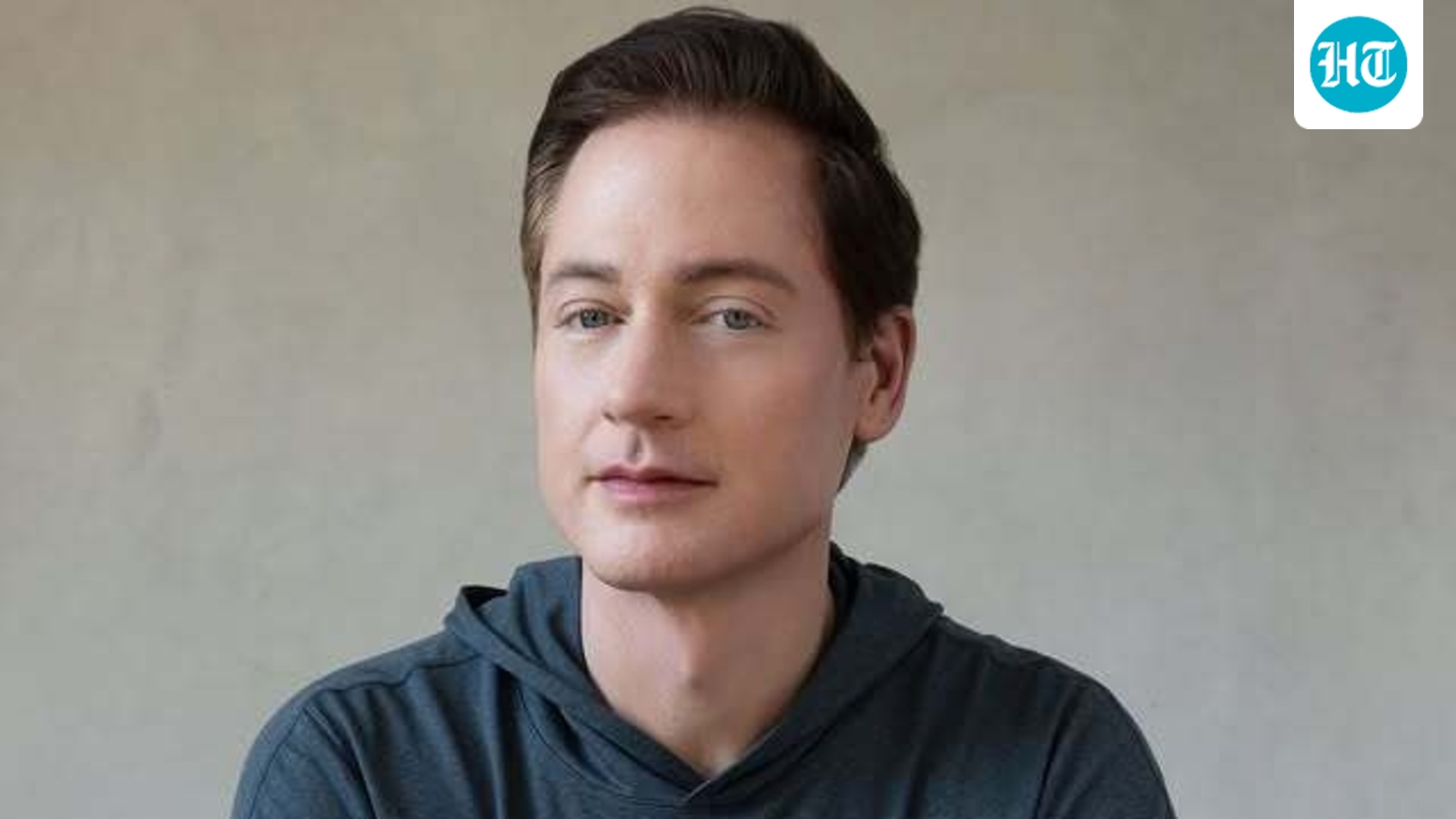
TL;DR: The most revealing development in Silicon Valley's longevity movement is not a new compound or breakthrough protocol, but a retreat. That shift comes as some of the movement's most prominent figures begin confronting the limits of a science that has yet to live up to the hype.
Bryan Johnson, the tech entrepreneur who turned his body into a public experiment, stopped taking Rapamycin in September 2024 after several years of self-testing the drug. The immunosuppressant, which is clinically used to prevent organ rejection, had been a cornerstone of his longevity regimen since 2019. Over the years, he experimented with different doses and schedules to determine whether it could slow the aging process.
Over time, Johnson reported intermittent skin infections, elevated glucose levels, abnormal lipid readings, and an increased resting heart rate. "With no other underlying causes identified, we suspected Rapamycin, and since dosage adjustments had no effect, we decided to discontinue it entirely," he wrote on X.
Johnson first gained widespread attention after selling his payments company, Braintree, to PayPal. He later devoted much of his wealth and attention to Blueprint, a highly structured longevity program built around diagnostics, pharmaceuticals, peptides, and strict lifestyle interventions.