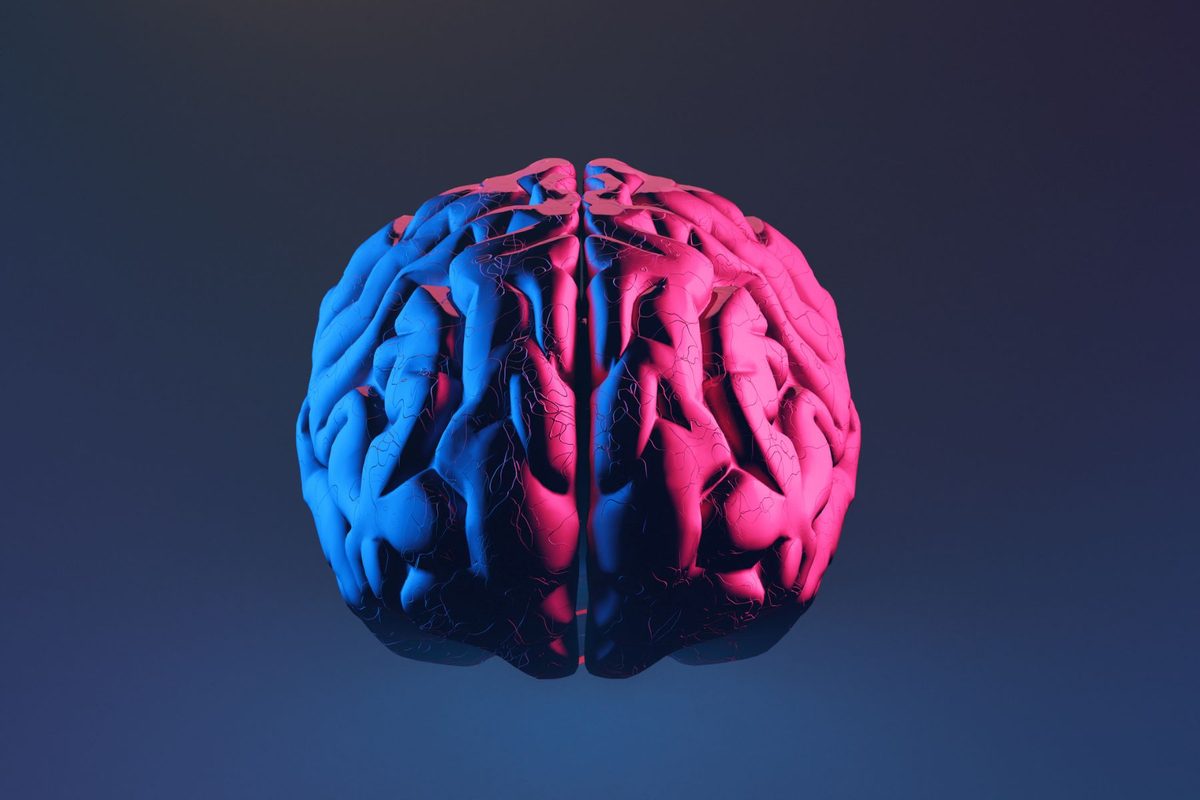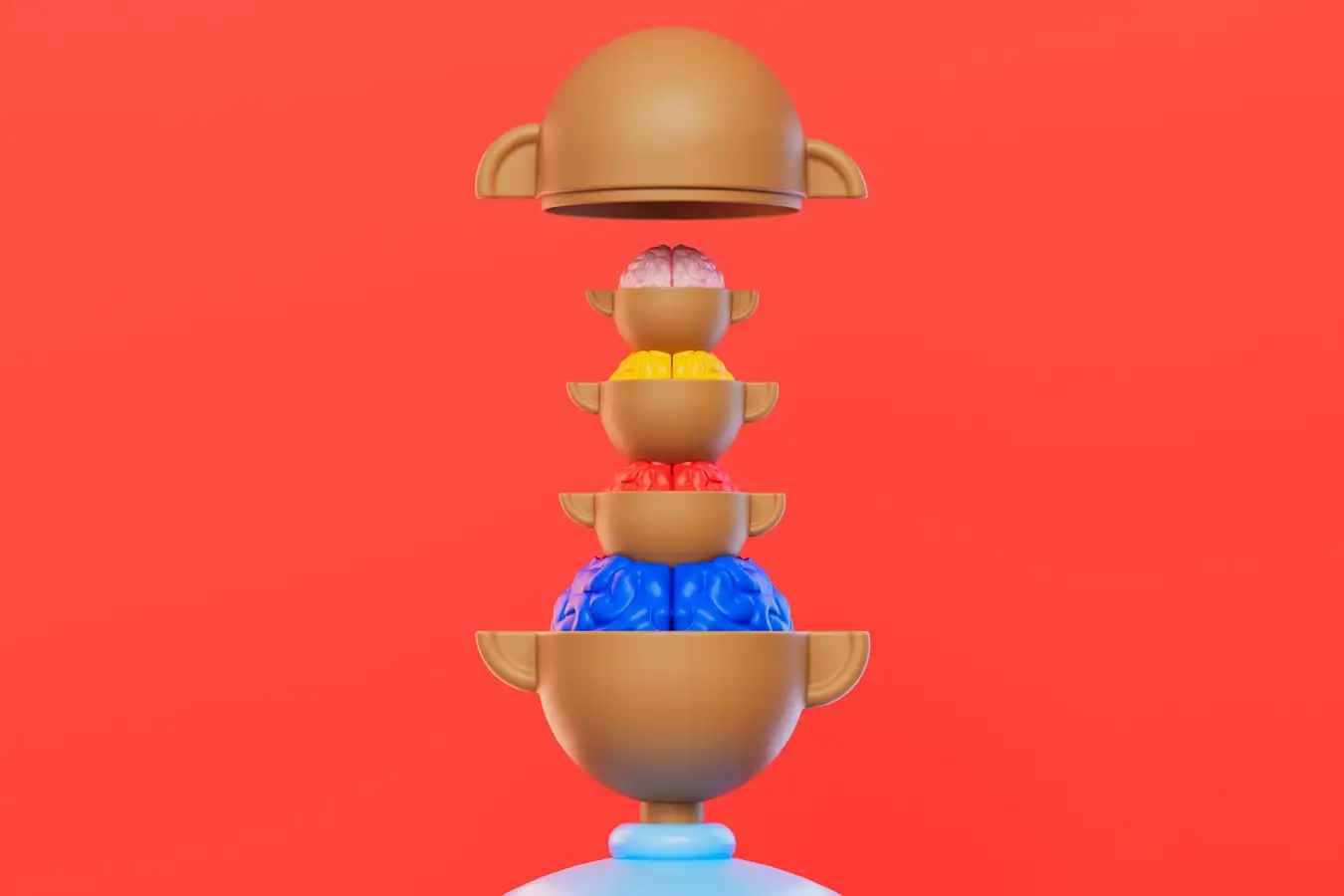
Our brains seem to mature well past adolescenceCraig Boylan
When did you truly become an adult? Maybe it was the day you turned 18, left home or realised – with sudden horror – that no one else was going to book your dental appointment. Perhaps, like my dad, you still don’t consider yourself a grown-up, despite the wrinkled face in the mirror suggesting otherwise.
Legally, adulthood arrives on a schedule, usually at age 18 or 21 in most countries. Once you hit that magic number, you can make your own medical decisions, vote or marry. Yet neurologically, it isn’t that straightforward – there isn’t an exact moment when the brain flips from a juvenile to adult state. The reality is far messier, with some networks attaining adult-like status in our early teens, while others continue maturing throughout our 20s and beyond.
So, when can we stop blaming our developing brain for slip-ups and immaturity and face up to adulthood? The answer is later than you might think.
Until about a decade ago, neuroscientists tended to agree that the brain fully develops by age 25 – but this figure was never pinned to a particular biological threshold. Instead, the idea seems to have emerged from several influential studies around the turn of the 21st century, which tracked brain development only to around age 20. Because the data stopped there, 25 became a sensible estimate that accounted for potential variations in development. The number was cemented in popular wisdom.