Craig Boylan
To chart how our brains change over the course of our lives, neuroscientists have focused largely on beginnings and endings: the rapid development and pruning of neural connections in childhood and adolescence, and the degeneration associated with old age. “We kind of skipped over middle age,” says Sebastian Dohm-Hansen, a bioinformatician at University College Cork in Ireland.
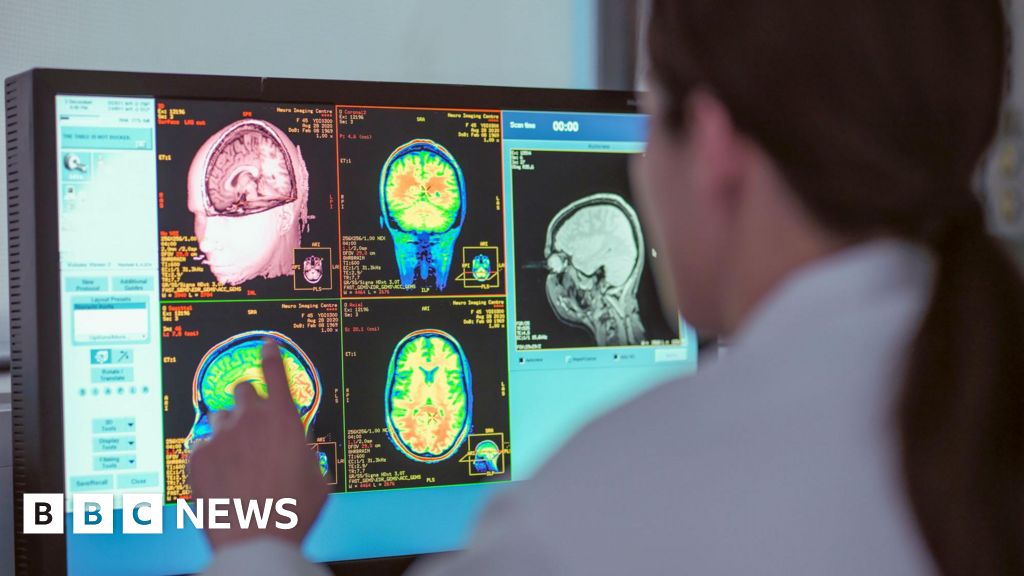
There are good reasons for that, not least that changes in brain structure and function are easier to spot with neuroimaging when they are at their most extreme. In the case of cognitive decline and dementia, “a lot of what we care about presents most dramatically after the age of 60”, says Dohm-Hansen.
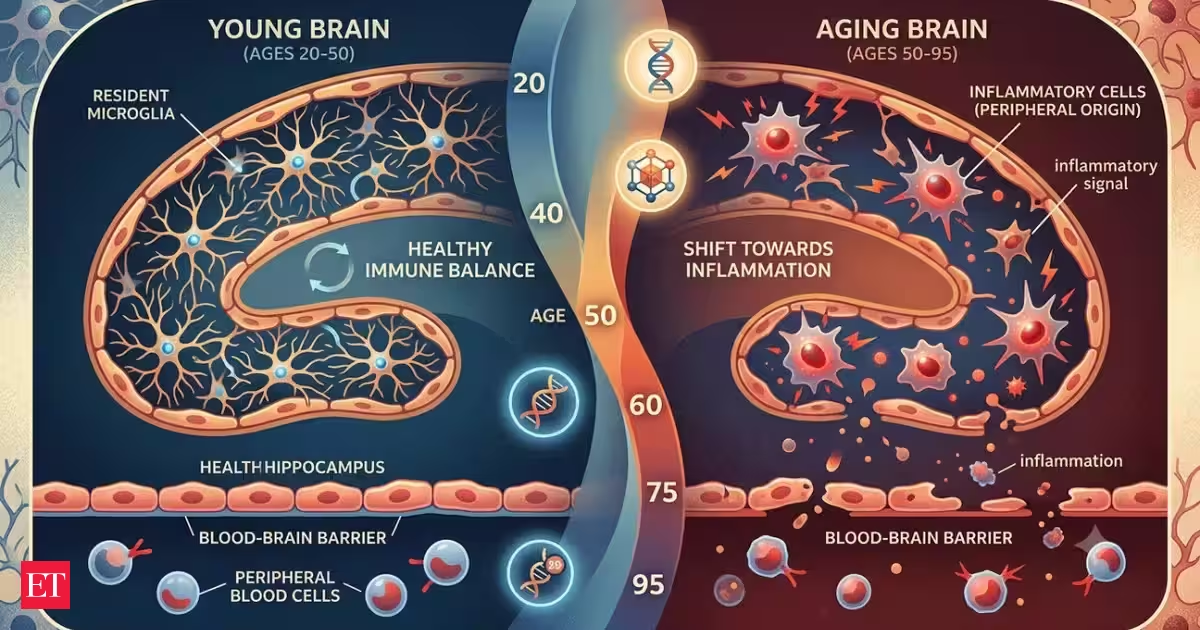
But over the past few years, researchers have started to look more closely at the middle-aged brain, identifying a series of subtle but significant changes between the ages of 40 and 65 that mark it out as a vital time to identify problems that won’t manifest until later in life.
“Think of midlife as the top of an inverted U-curve,” says Ahmad Hariri, a professor of neuroscience at Duke University in North Carolina. You spend the earlier decades on the upward slope, developing and refining your brain. You’ll likely spend decades on the downward slope, slowly losing those gains. “Targeting midlife is like extending that level section at the top of the curve, to delay the downward trajectory.”