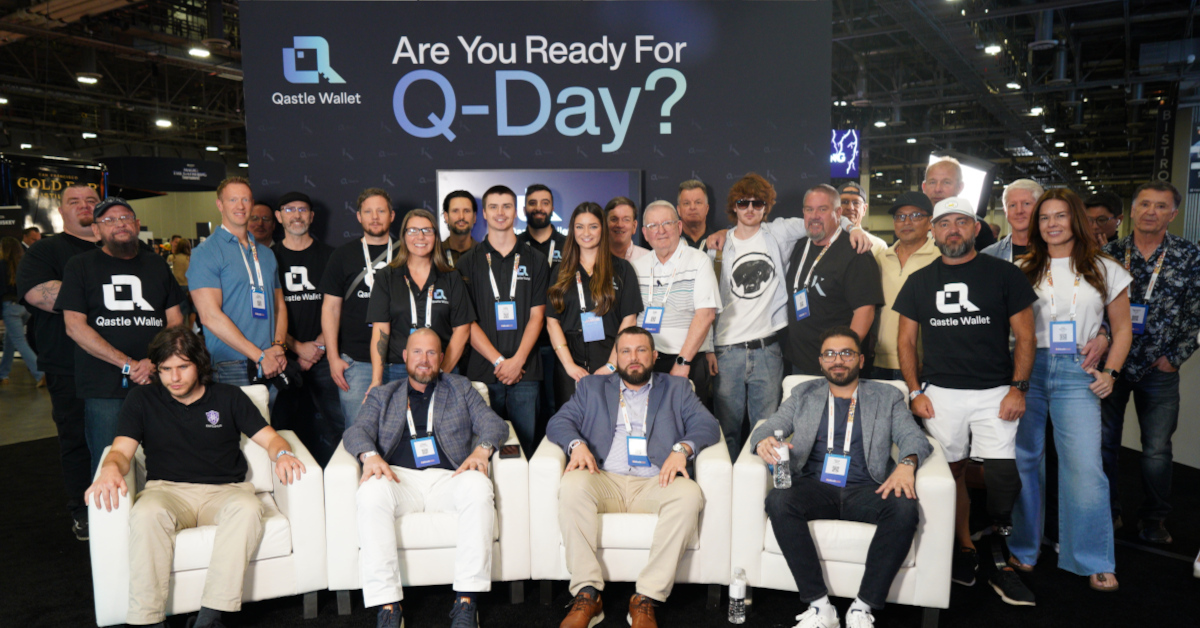
At Bitcoin 2026 in Las Vegas, Qastle Wallet became part of the main-stage conversation.
On April 29th, during a lunchtime panel on quantum risk, a senior protocol engineer at Anduro described Qastle Wallet as an example of “trust me bro cryptography.” The argument was that rising fear around quantum computing could create space for weak products, black boxes, and vendors selling broken solutions to anxious users.
That kind of criticism is serious. It deserves a serious answer.
So let’s start with the part we agree with: “trust me bro” cryptography is not enough. It never has been. Bitcoin exists because trust is not a security model. Self-custody exists because users should not have to rely on institutions to protect their assets. Good cryptography exists because evidence, implementation, and peer scrutiny matter more than slogans.
If any company claims to solve quantum risk with a mystery box, the industry should reject it. If any wallet asks users to give up control of their keys while pretending to preserve self-custody, the industry should reject it. If any project uses quantum language as a fear-based sales tactic without explaining the architecture, the industry should reject it.