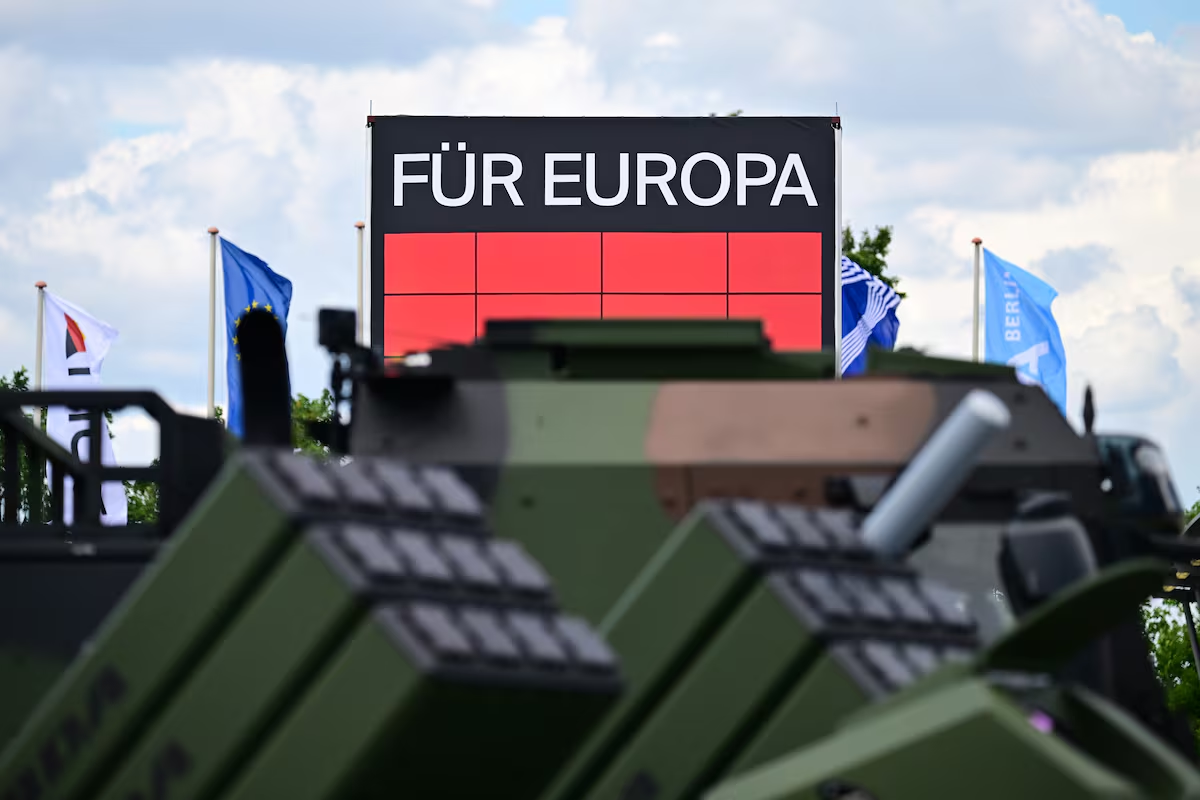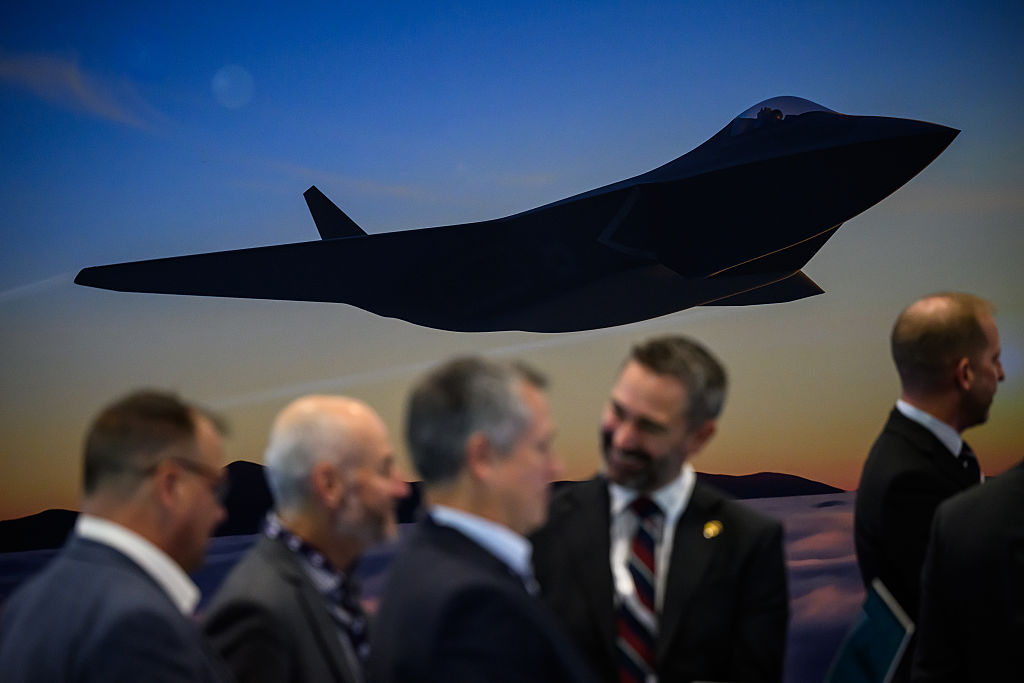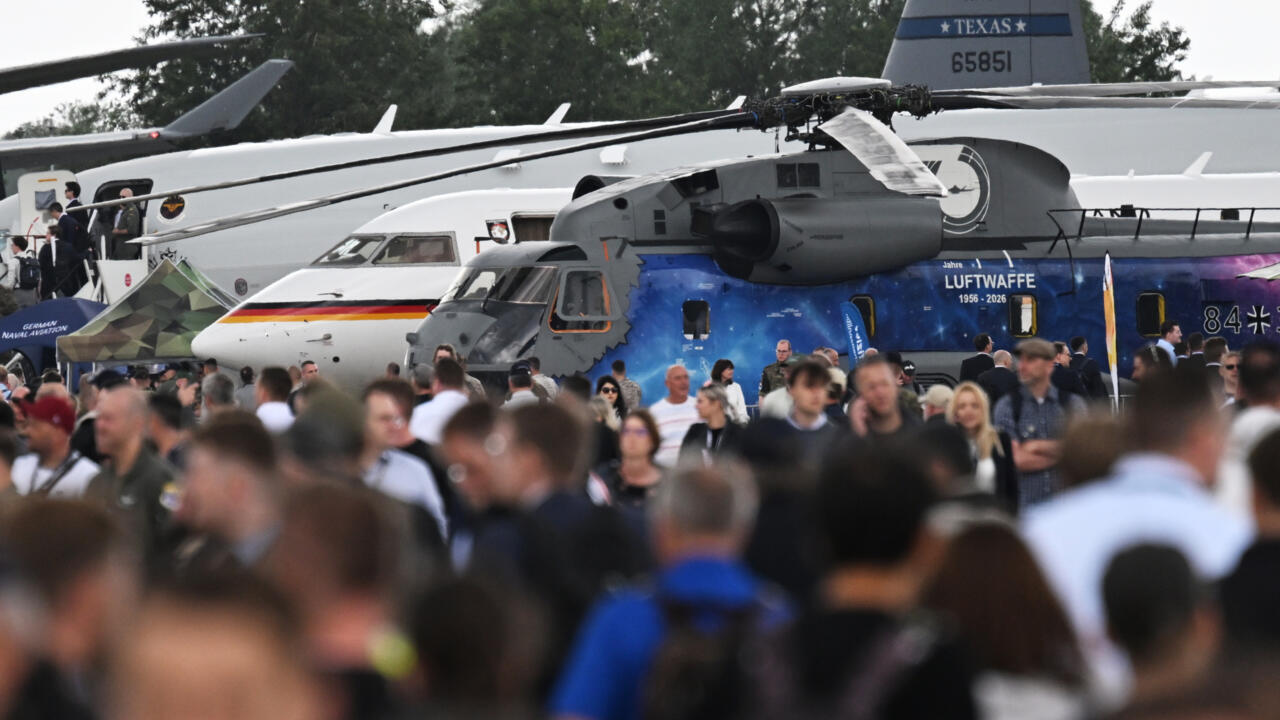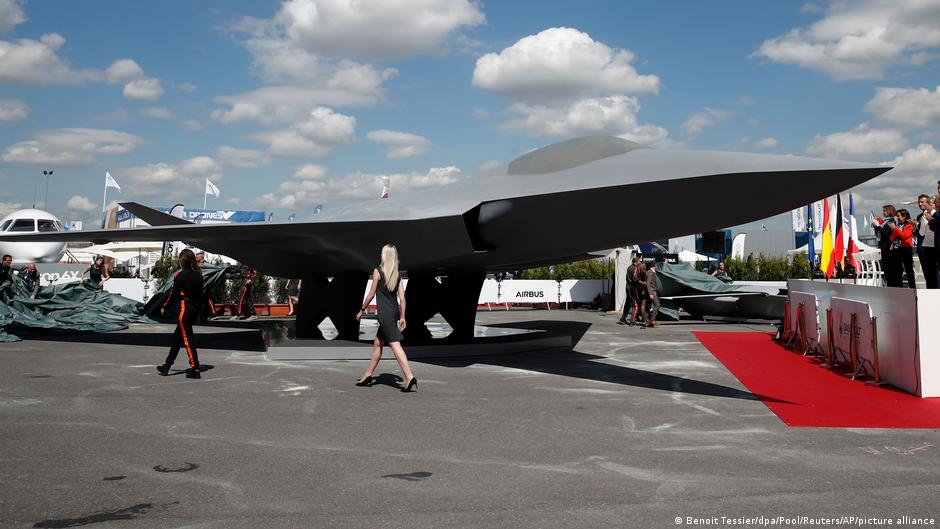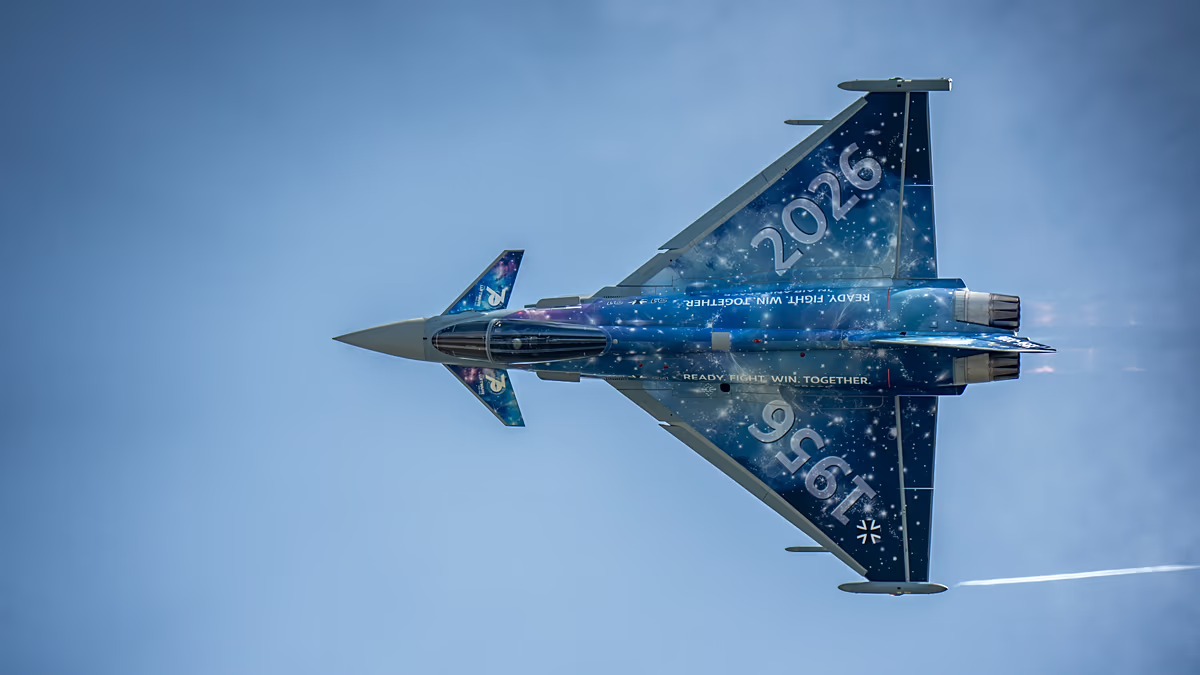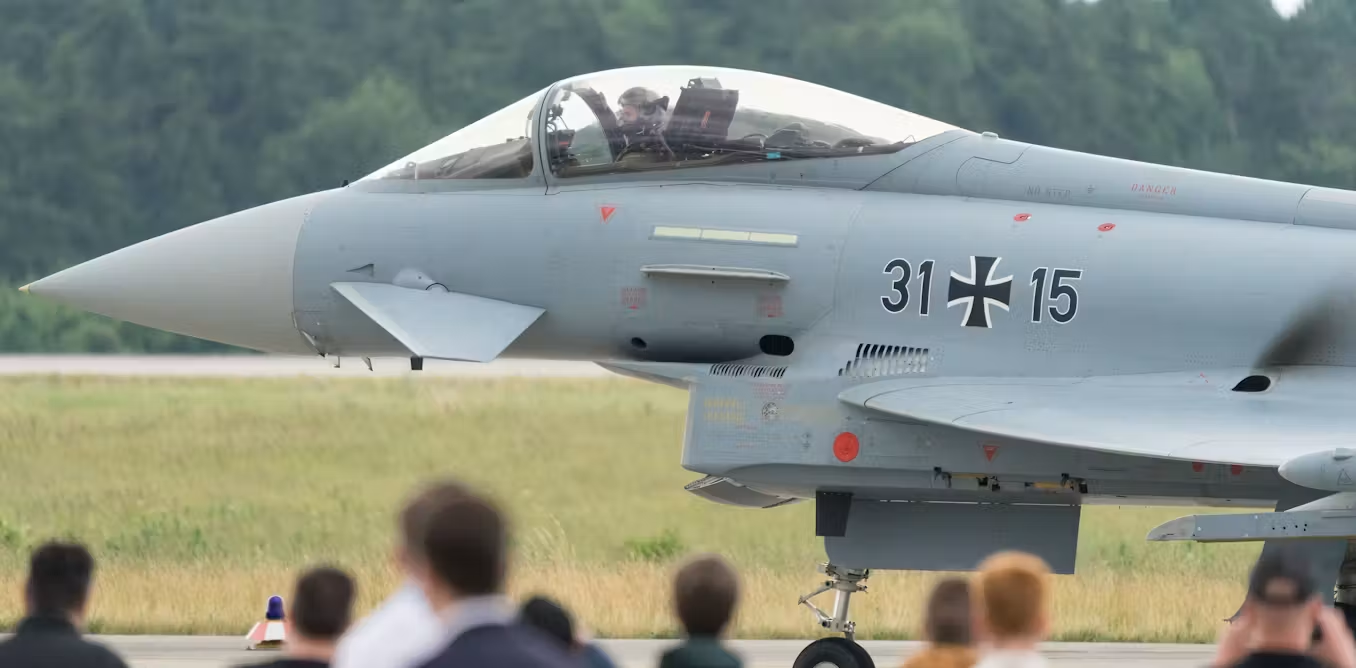
At the ILA Berlin Air Show on June 11, eight German aerospace and defence companies signed a strategic positioning paper committing to build a sixth-generation fighter jet without France, under the banner “Team Gen 6”. Airbus called it “an existing step for European sovereignty”. Spanish industry is already lining up behind the initiative.
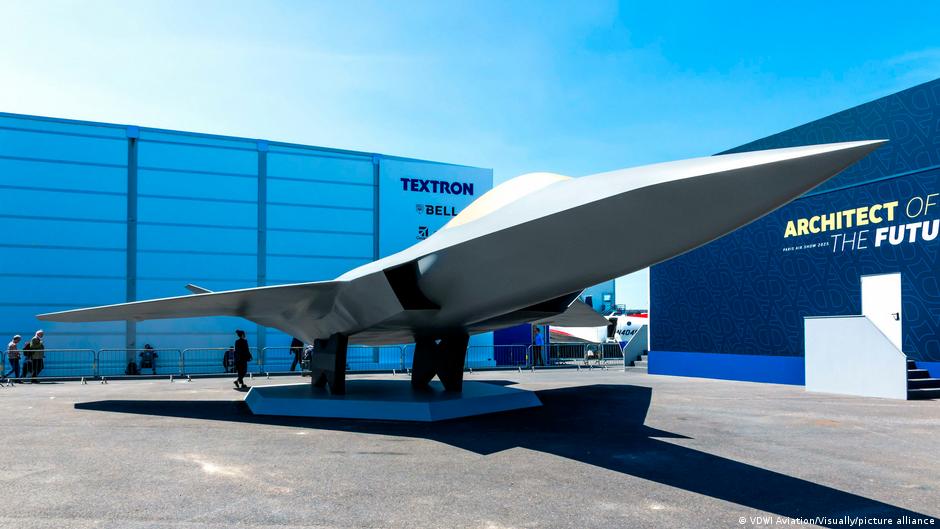
Three days earlier, France and Germany had officially abandoned the joint fighter jet program at the heart of the Future Combat Air System (FCAS), the €100-billion initiative that was supposed to embody that very sovereignty. Spain’s defence minister, Margarita Robles, called the outcome a policy failure for Europe: “Industrial interests have been prioritised over Europe’s security and defence interests.”
The question raised by the collapse of the program is the following one: can better management of coopetition by European institutions prevent sovereignty-driven projects from collapsing?
The FCAS collapse is a call to better understand the success factors of a strategic concept that sits at the heart of Europe’s strategic autonomy: Coopetition, the idea that European competitors can and must cooperate to build sovereign capabilities that none of them can build alone. FCAS was not facing difficulties because the idea was fundamentally flawed. Rather, it struggled because coopetition, when it involves competing firms, competing states, and contested interests over critical technologies, is structurally prone to collapse without the governance architecture needed to sustain it.