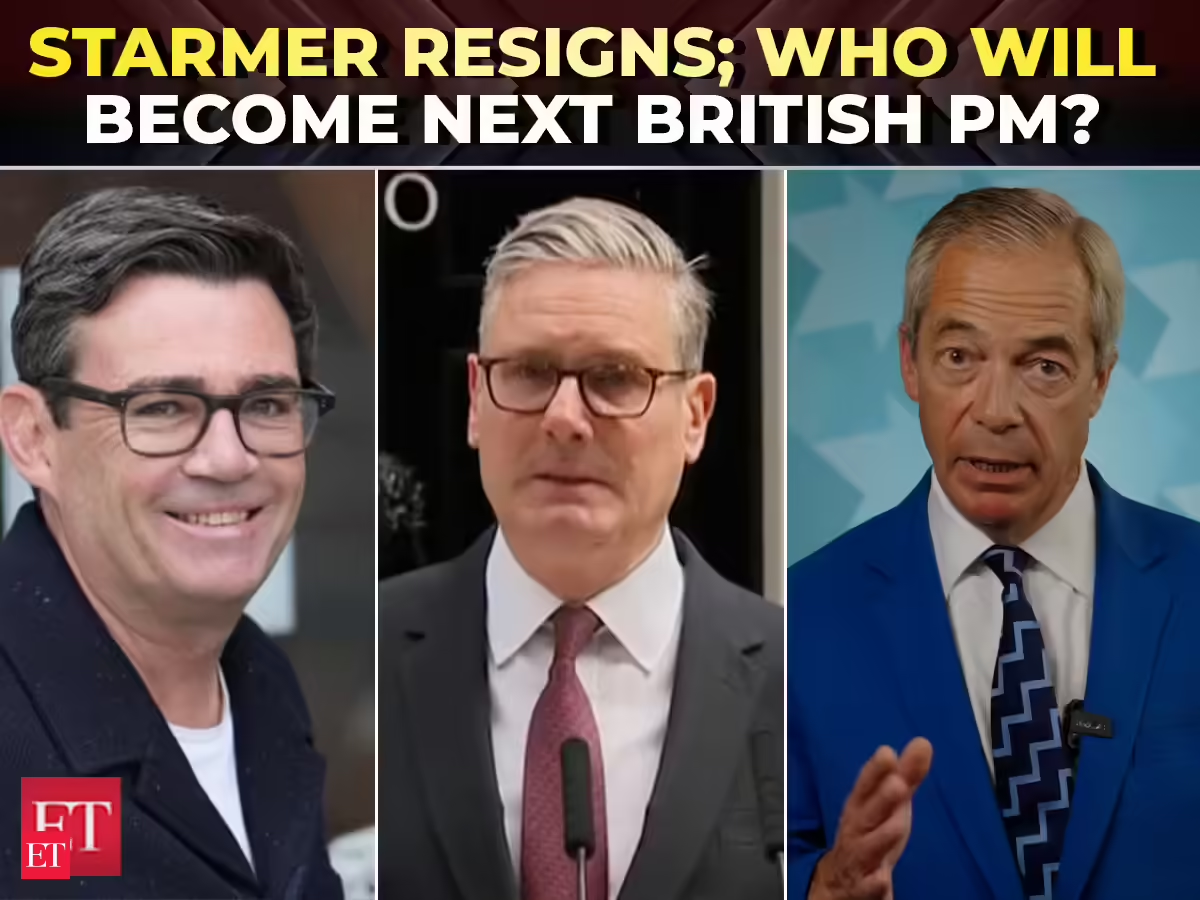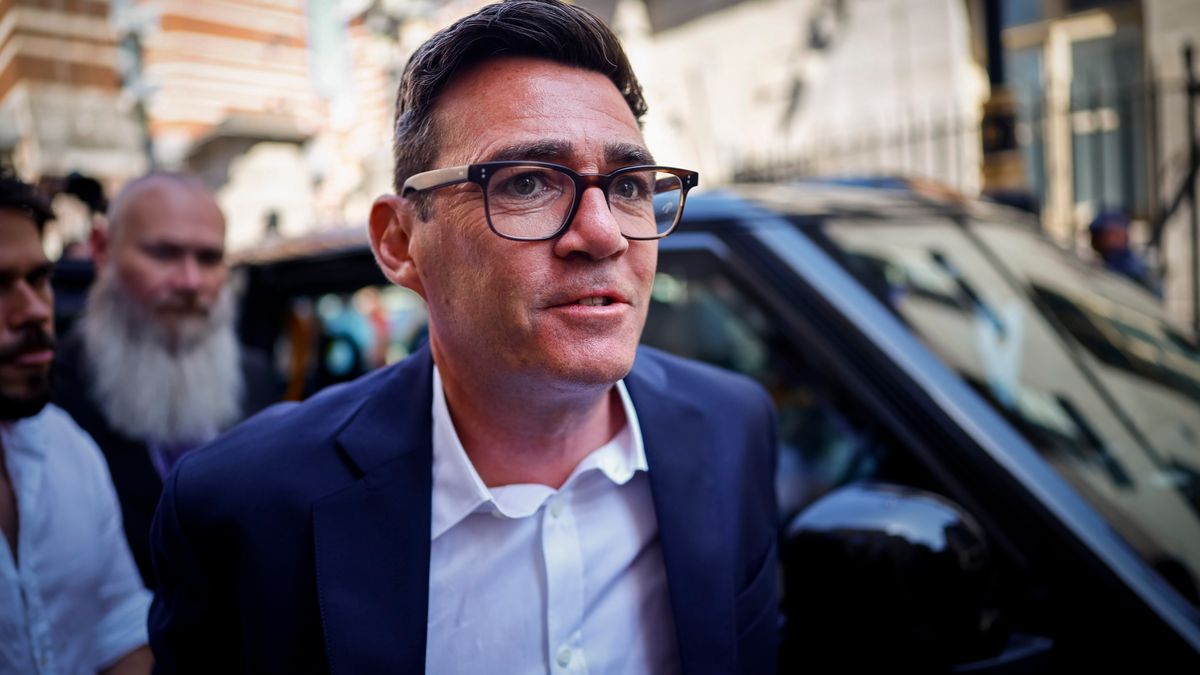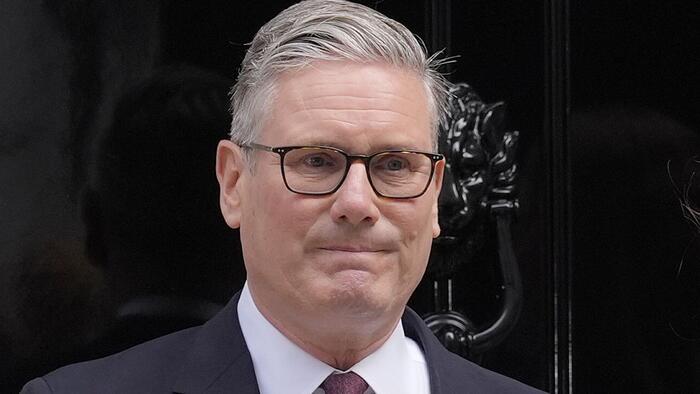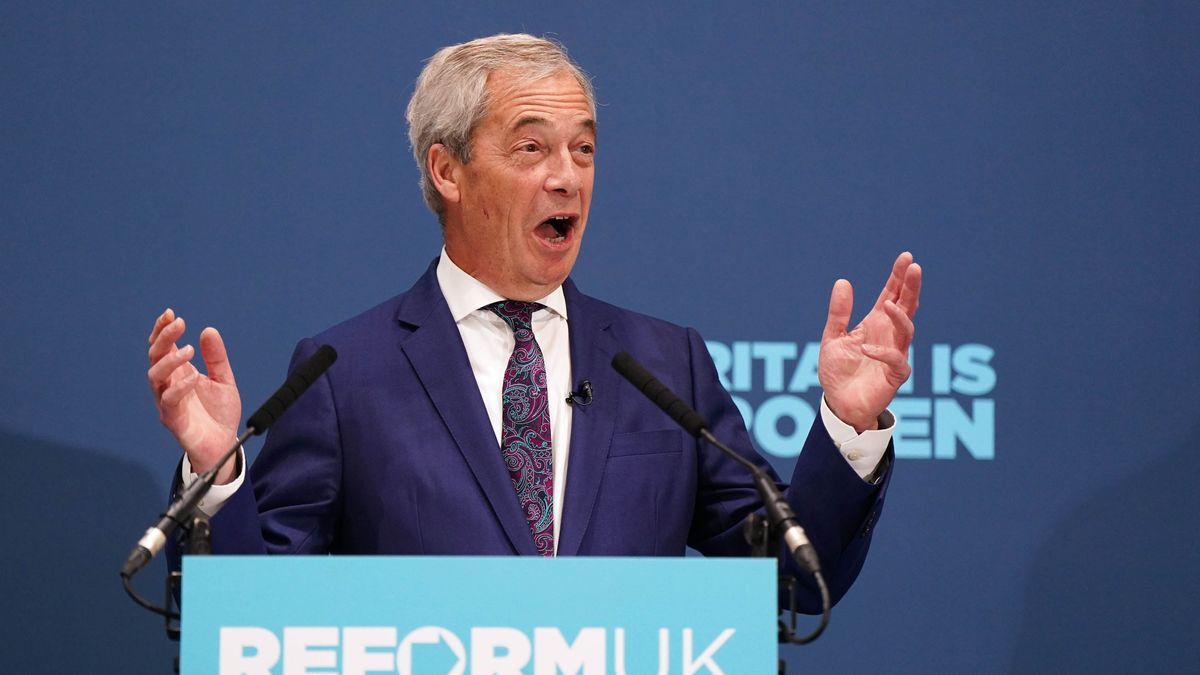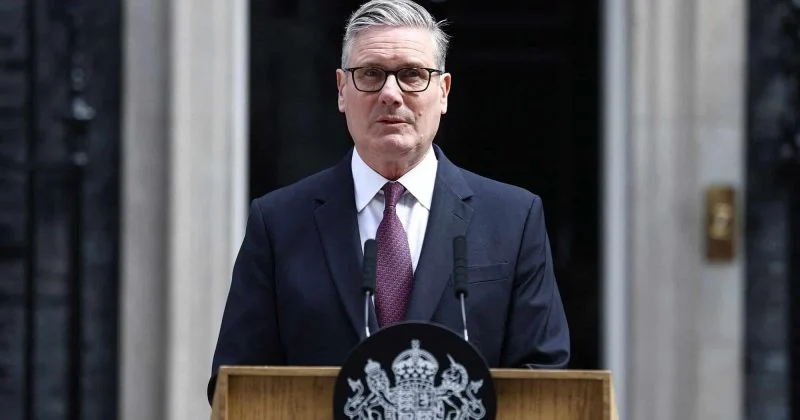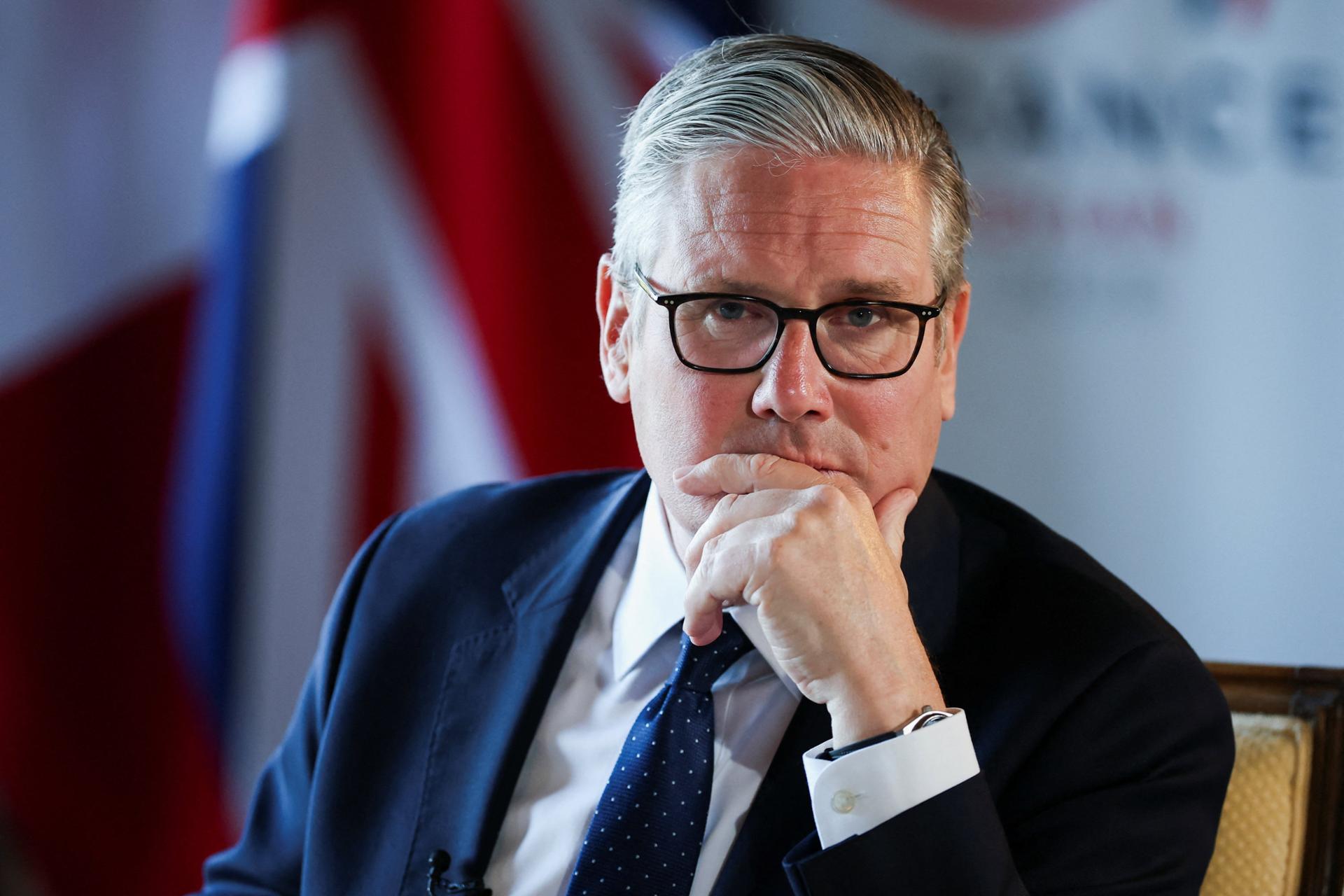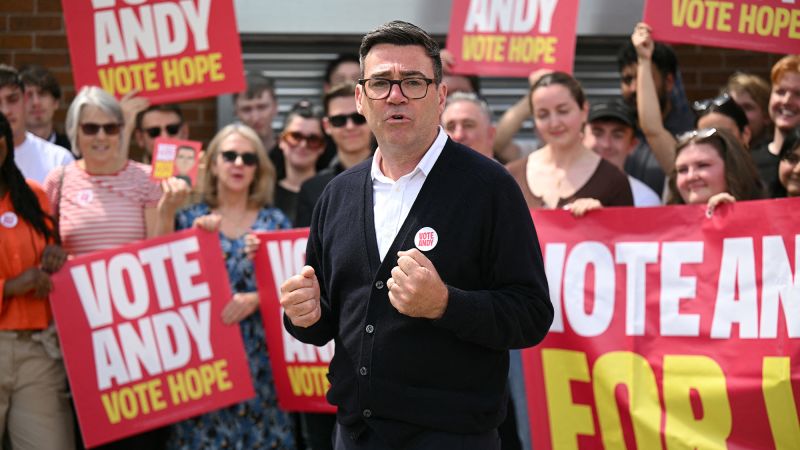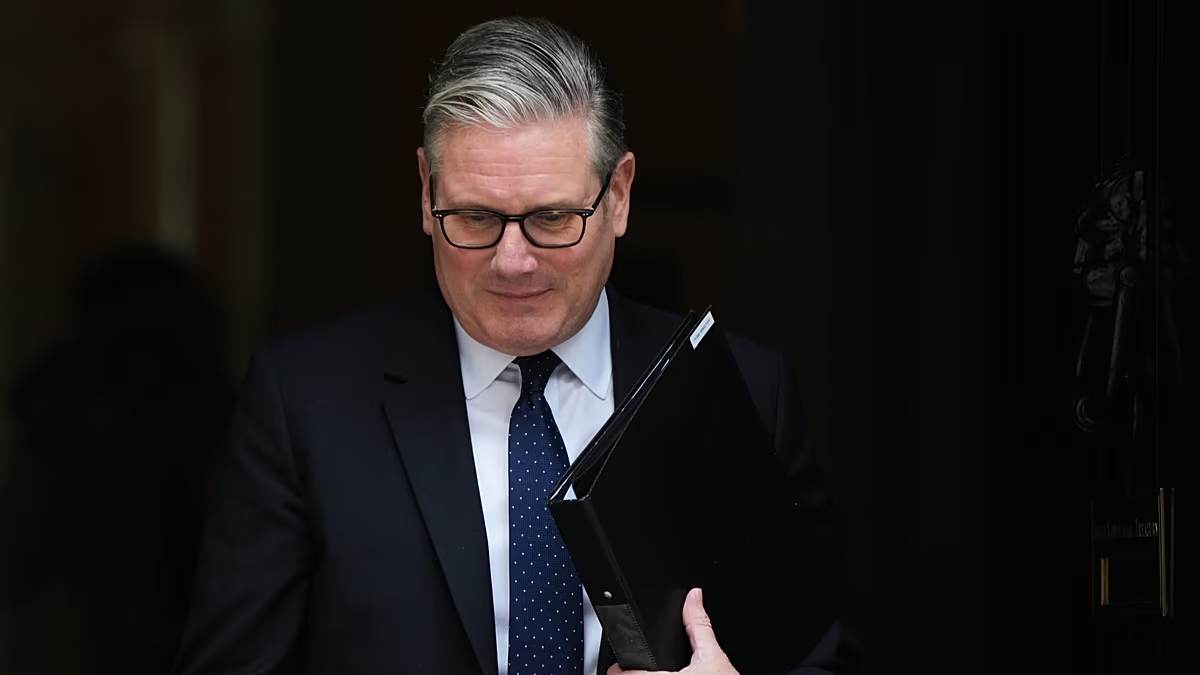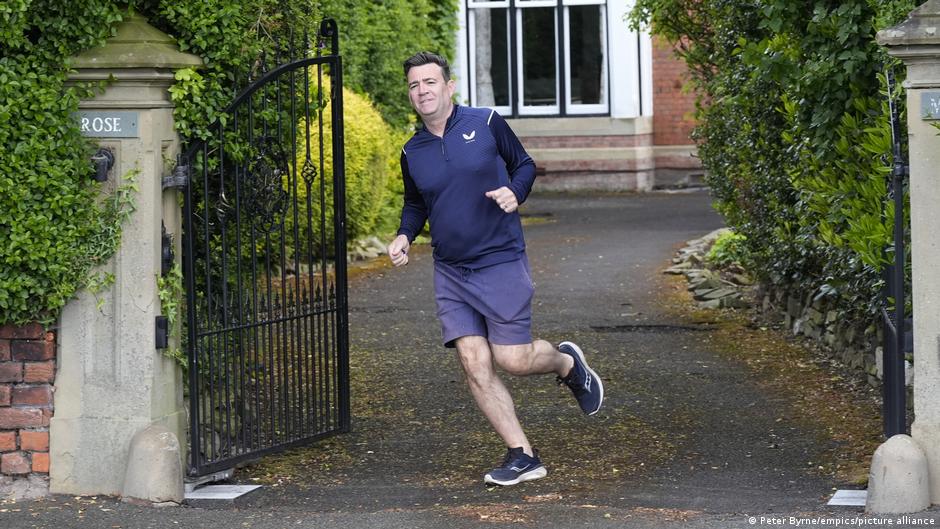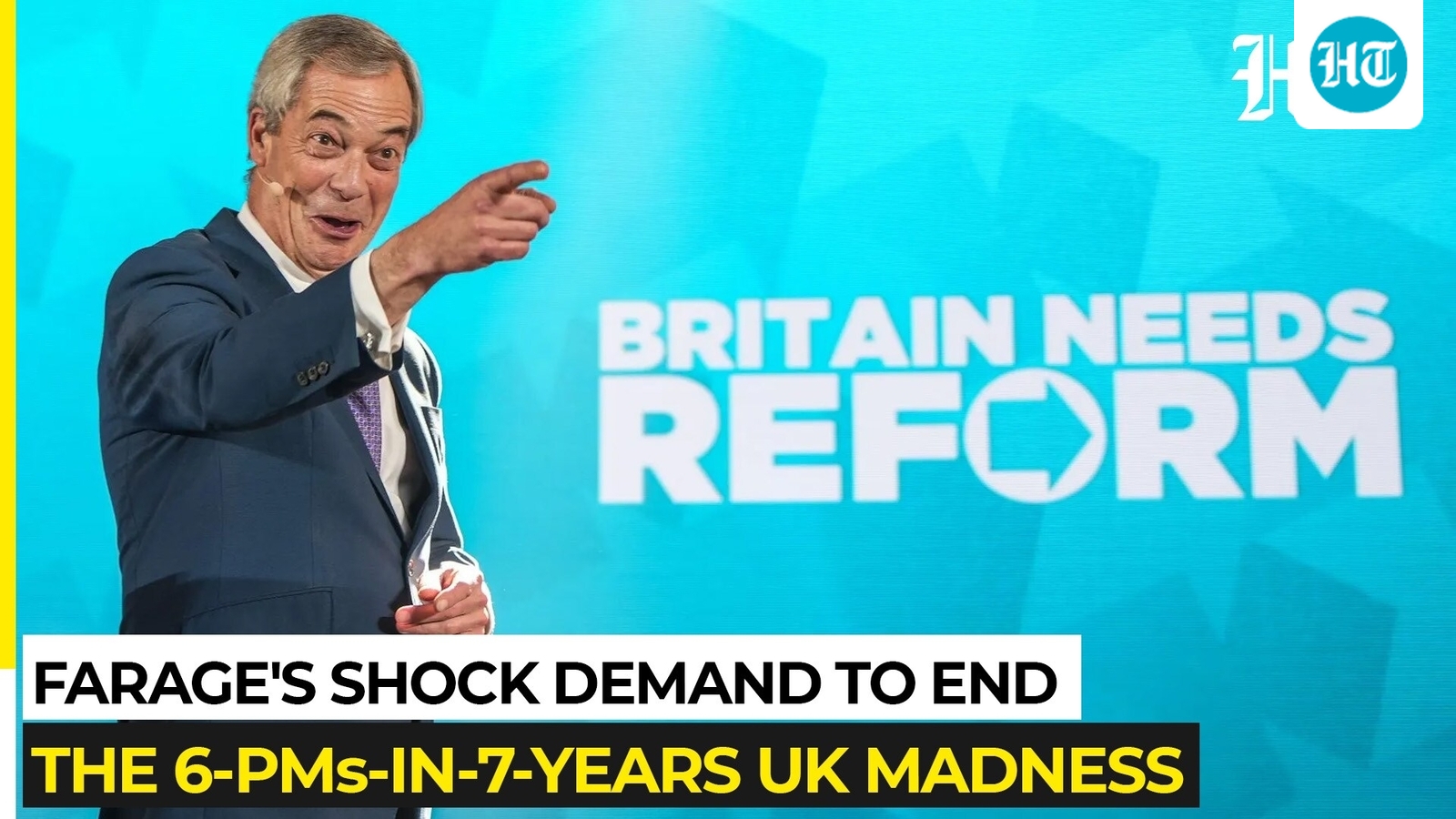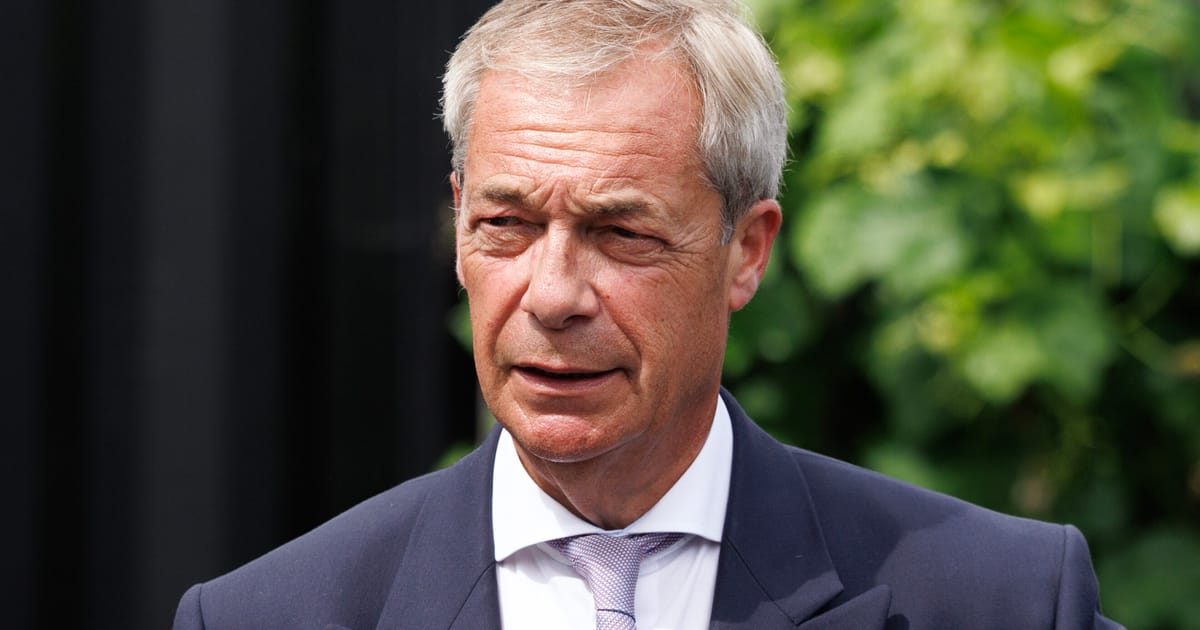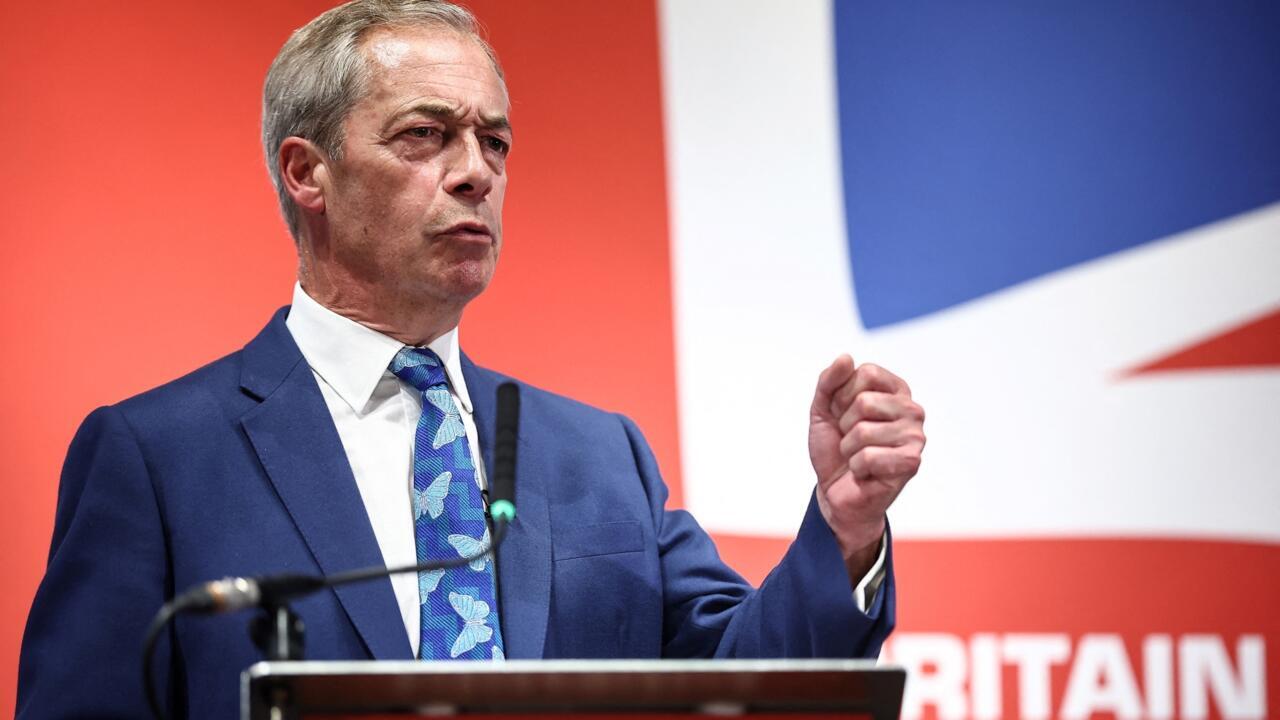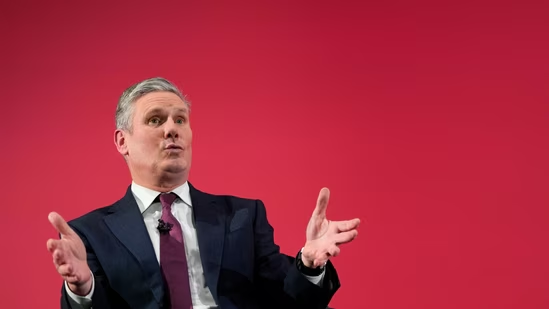
Keir Starmer resigned as British prime minister on Monday, and within hours Reform UK leader Nigel Farage demanded a general election. Farage said he had “had enough of waiting around” and that Britain needed “real change, not another washed-up has-been shoved into place by the uniparty”.Keir Starmer was the sixth within a decade in the UK. (AP File Photo)Farage cannot force that election — under British law, Labour need not go to the polls until 2029 — but his response sharpened the central question facing Starmer's likely successor, former Greater Manchester mayor Andy Burnham. That is, whether a new Labour leader can blunt the rise of a right-wing party that overtook Labour in a YouGov poll of national voting intentions in February 2025 and has led ever since.US President Donald Trump, whose rise is often analysed as being part of a global right-wing surge, weighed in before the formal announcement. He mentioned immigration as one reason, as Reform UK also built itself on an anti-immigration plank. Starmer's relationship with Trump had soured over recent months, including over the Iran war, which Britain did not join.The immediate trigger for Starmer to go was Burnham's victory in last week’s parliamentary by-election in Makerfield, a working-class northwest England seat targeted by Farage's party.Burnham lifted Labour's share to nearly 55%, AP reported, seeing off the Reform threat by drawing votes from other left-leaning parties too. The seat had been vacated by Labour’s Josh Simons to let Burnham return to Parliament and mount a leadership challenge.Starmer, who spent the weekend at his country residence weighing his future, said he had “heard the answer” of his parliamentary party and accepted it “with good grace”.The rise of the right in the UK has been in sync with immigration rising. UK interior ministry figures show irregular arrivals into the UK surpassed 41,000 in 2025, just short of the record 45,774 set in 2022, despite government measures to harden conditions for permanent residency. The political dividend was visible in the May 2026 local elections in which Reform UK won nearly 1,500 seats, many in former Labour strongholds, news agency AFP reported.The right wing's advance is also divided so far as Reform leads the field but the wider right stands fractured over how far right to move.The US-based billionaire Elon Musk, once an ally of Farage, broke with him publicly and branded him "weak sauce who will do nothing” on immigration. Musk backed Advance UK, a more hardline breakaway led by former Reform deputy Ben Habib.Musk even urged voters to back activist Tommy Robinson for “the real change that's needed to save Britain”. He addressed Robinson's ‘Unite the Kingdom’ rally in London by video link, where his speech was alleged to have been inflammatory and a call to violence against immigrants. Farage, who rejects the “far-right” label, has distanced himself from Robinson.However, experts read a two-pronged issue for Starmer, and not just a right-wing challenge. US-based think tank Brookings Institution analysed it as part of a wider European pattern, arguing that economic discontent has been punishing incumbents across the ideological spectrum, from Hungary's right-wing nationalist Viktor Orban to Britain’s centre-left Starmer, regardless of their politics.Reform UK's advance is also seen as a result of fragmentation of the left and liberal parties ranged against it. For instance, a BBC projection from the May 2026 local elections put Reform UK at 26%, with the Greens (18), Labour and the Conservatives at 17% each, and Liberal Democrats at 16%, splitting the anti-Reform UK vote. Labour voters have also switched in larger numbers to the Green Party or Liberal Democrats, the analysis noted.Martin Baxter of the poll forecaster Electoral Calculus also framed it as a multi-front problem, saying Labour was suffering "double trouble" from Reform on the right and the Greens on the left.A large part of the collapse, however, has been internal, including a row over ministers accepting gifts, clothing and tickets, after which Starmer returned around £6,000 of donations; a misjudged removal of the winter fuel allowance for 10 million pensioners that was later reversed under pressure from Labour's more leftist bloc; and a first budget in which finance minister Rachel Reeves raised an additional £40 billion, £25 billion of it from higher rates of employers' national insurance, AFP noted.A scandal that compounded it was when Peter Mandelson was appointed ambassador to Washington in December 2024 despite Starmer's knowledge of his ties to the late convicted sex offender Jeffrey Epstein. He was sacked in September 2025 when new emails revealed the depth of the friendship. Police are now investigating Mandelson for misconduct in public office. Starmer has been tottering since.Defence minister John Healey resigned this month, writing that Starmer had been “unable, and the Treasury... unwilling, to commit the resources that the nation needs to defend the country at this time of rising threats”.Britain has been seeing a revolving door of PMs as its economy grows slowly while debt stays high. Debt interest now runs to around £100 billion a year — money diverted from public services, leaving any prime minister little room to spend.Political analyst John Harris argued that Starmer's core failure was one of identity and a “painful lack of clarity”.Immigration policy in a bindStarmer has been wobbly on policies on immigration. He said in May 2025 that immigration risked making Britain “an island of strangers” — an unusually pointed stance for a Labour leader — but less than two months later he said he deeply regretted the phrase. Harris cited an Ipsos approval rating of -66, lower than any prime minister in that pollster's record, including Liz Truss who served the shortest stint as PM in British history.On immigration, Labour's response to the right had hardened under Starmer. In late 2025, home secretary Shabana Mahmood unveiled what was described as the most significant reform of British asylum policy in modern times. She made refugee status temporary and reviewable, and stretched the wait for permanent settlement.Mahmood, daughter of immigrants from Pakistan and Kashmir, said dealing with “this problem” does not mean engaging with “far-right talking points”. She insisted, “Illegal migration is tearing our country apart.”Reform UK's Farage then said Mahmood, once seen as a possible contender to replace Starmer, “sounds like she is auditioning for Reform”. Even far-right activist Tommy Robinson publicly celebrated her announcement on X.Andy Burnham, who now remains possibly the only contender and could take the post as early as mid-July, remains unproven in national office, AP noted in its report on Monday. Olivia O'Sullivan, an analyst at the Chatham House think tank, told AP he was the frontrunner because many in Labour saw him as best placed to defeat Reform UK and reconnect with wavering voters. But she cautioned, “This is not the same thing as offering a radically different set of policies or even a particularly clear policy program.”Tim Bale, professor of politics at Queen Mary University of London, said Burnham had so far been “something of a fantasy leader, a screen onto which supporters can project their pet theories”.Wes Streeting, who stood aside to back him, said Burnham could win “the fight of our lives against the forces of nationalism”, AP reported.Brexit shadow a decade on, almost to the dayBurnham's own positions have shifted, from calls to nationalise industries and rejoin the EU toward a more constrained centre. He has conceded at times that public finances are too tight for large-scale nationalisation, and has even ruled out any imminent EU return.Labour supporters, however, include those who opposed the Conservative Party’s Brexit policies.On Monday, as Starmer began to speak outside 10 Downing Street, protesters nearby blared Beethoven's ‘Ode to Joy’, the anthem of the European Union. His resignation came a decade, almost to the day, after Britain voted to leave the bloc.Labour's stance is to mend ties with the EU, not reverse Brexit. Its 2024 manifesto ruled out rejoining the single market, customs union or freedom of movement. Streeting and others have pushed to go further, but Starmer resisted, and Burnham has played down the idea of rejoining, as per AFP.Burnham, for now, has said it’s too soon to talk of an election.Nominations to succeed Starmer open on July 9 and close on July 16, with any contest decided by September 1. If Burnham stands unopposed, he could become prime minister as soon as July 17, Britain's fifth since 2022, and its seventh since the 2016 Brexit referendum.
Right wing rising in UK, Labour now bets on Andy Burnham to ‘fight nationalism’: What Starmer’s fall means
Can a new Labour leader blunt the rise of right-wing party that overtook Labour in poll of national voting intentions in February 2025 and has led ever since? | World News
TL;DRAI
Starmer resigns; Burnham likely successor, but Reform UK leads Labour in polls with 1,500+ seats on anti-immigration stance. Employer tax hike (£25B) and political crisis pressure UK tech margins; talent and investment shift to Swiss/Dutch/Irish hubs.
1,393 words~6 min read