When an asthma attack strikes, the body turns against one of its most essential functions. Breathing becomes difficult, creating panic and increased inflammation. For millions of people living with asthma, the sensation can feel like trying to breathe through a straw.
According to Dan Huh, Professor in Bioengineering, much of what scientists still don’t understand about asthma may come down to something surprisingly physical.
“Asthma changes the lung, and not for the better,” says Huh. “It damages and reshapes airways over time. We tend to blame inflammation for it, but our work shows that the physical force of an airway squeezing shut may be just as important in understanding what drives those changes.”
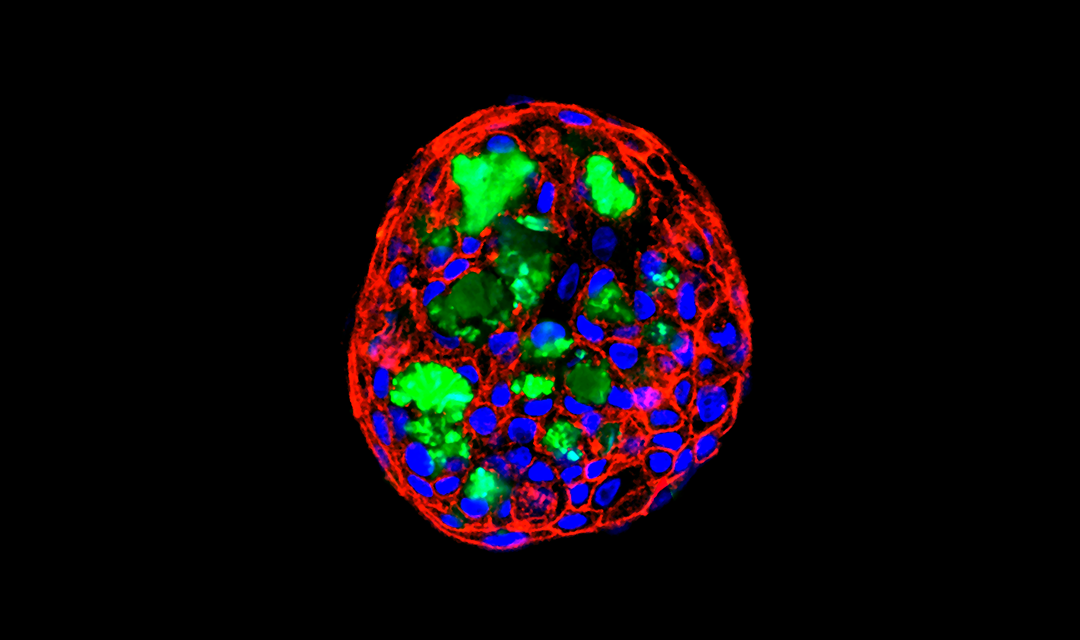
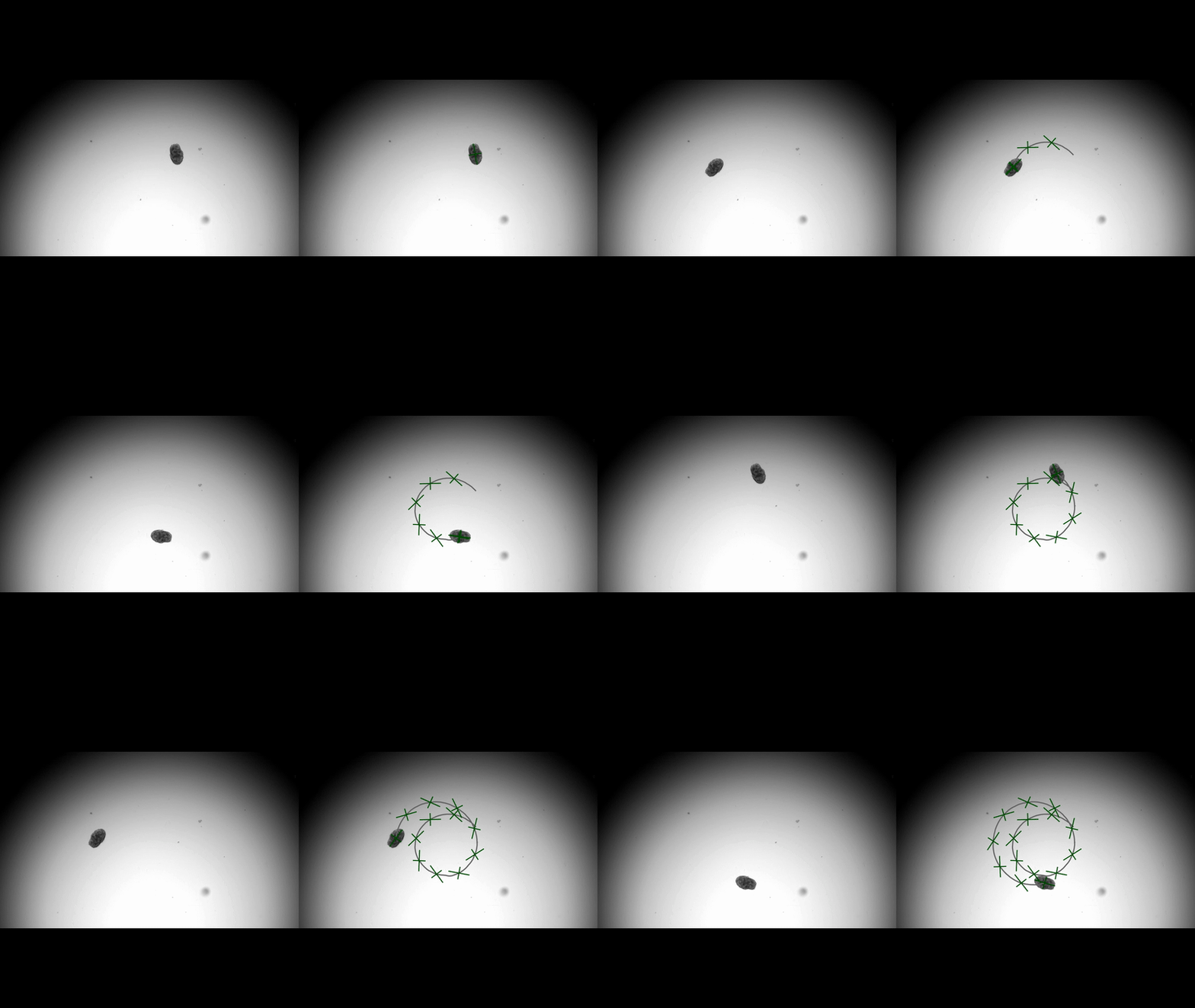
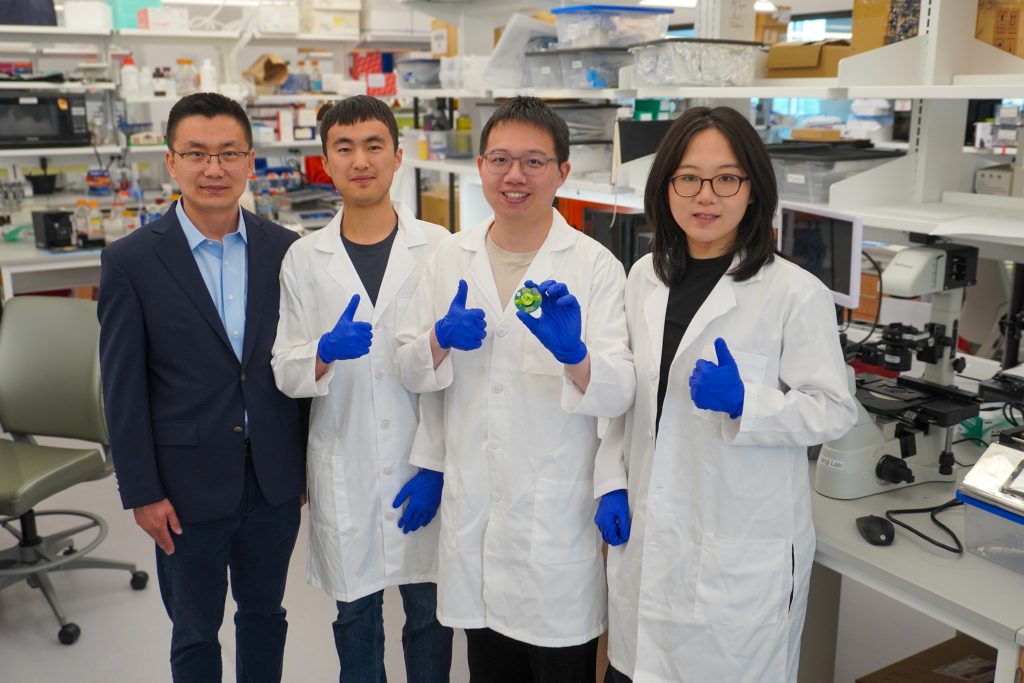
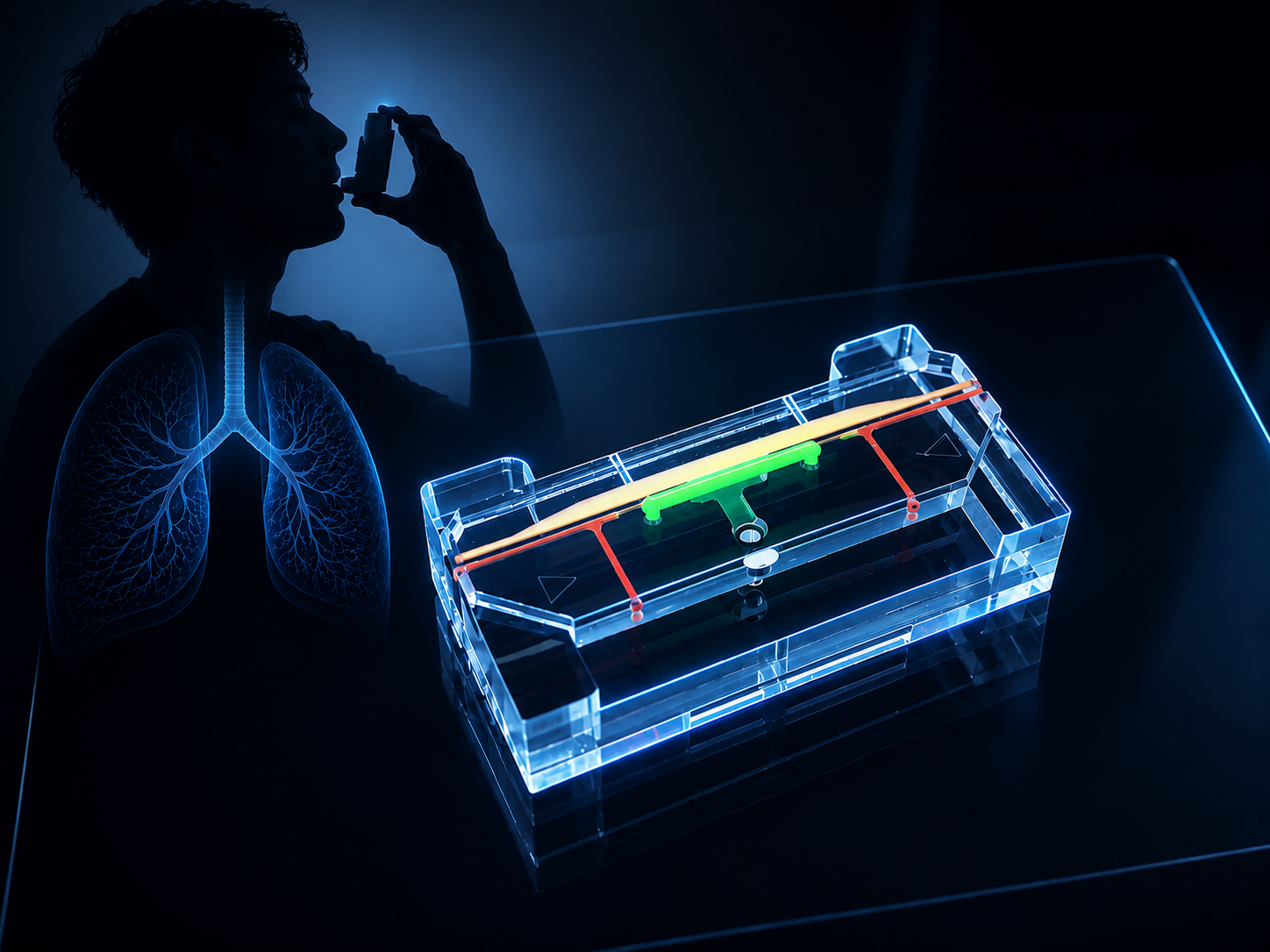
In a new paper published in Nature Biomedical Engineering, Huh, together with lead author Jungwook Paek, a former postdoctoral researcher in Huh’s lab who is now an Assistant Professor of Electrical and Computer Engineering at Binghamton University, and colleagues have developed a bioengineered “asthma-on-a-chip” system that recreates the mechanical stresses experienced by human airways during an asthma attack. The platform allows scientists to observe how diseased lung tissue responds to physical compression in ways previously impossible to study directly in patients.