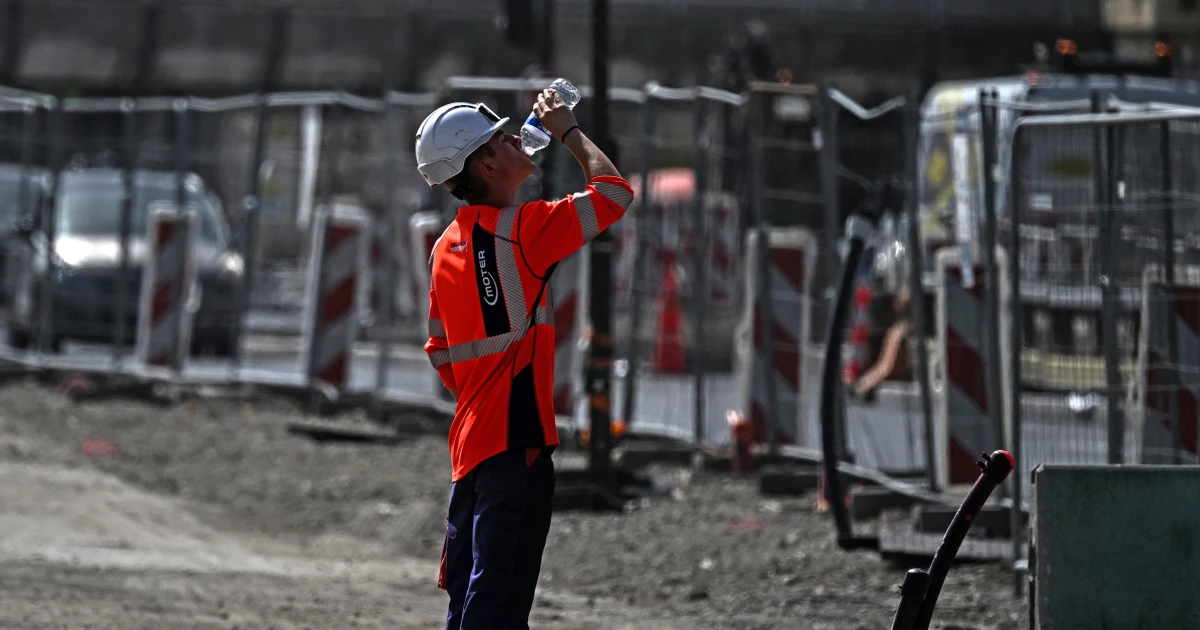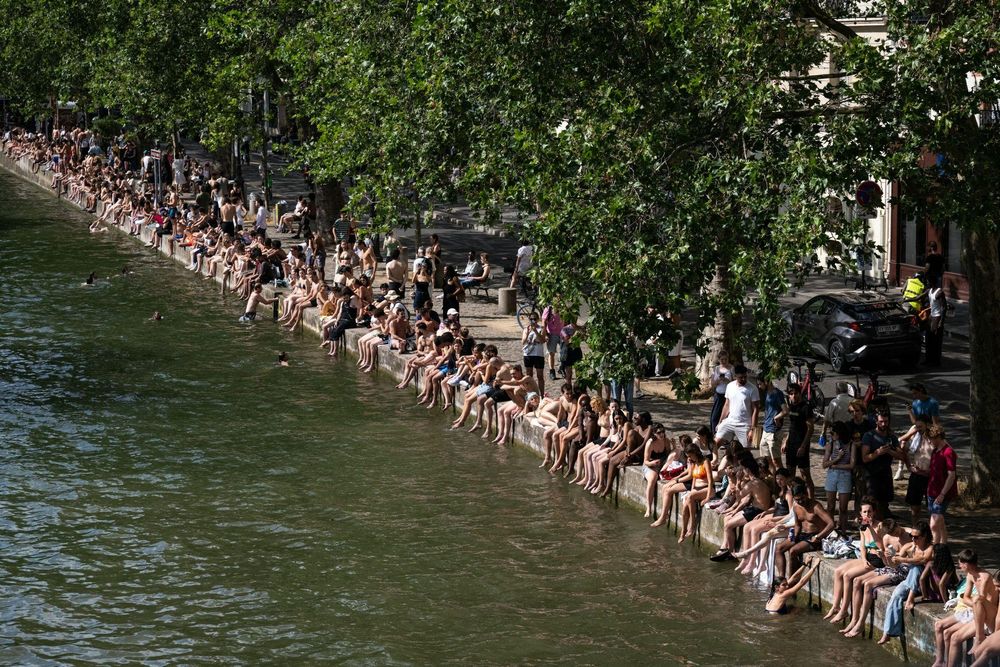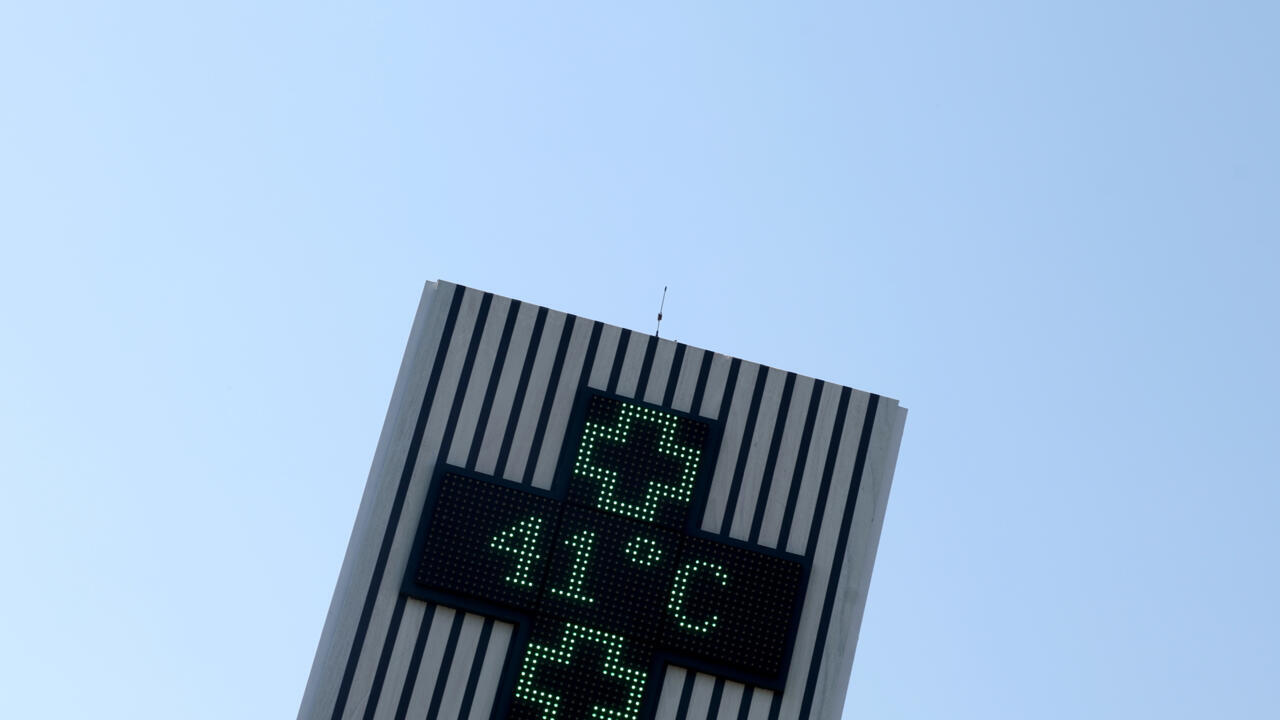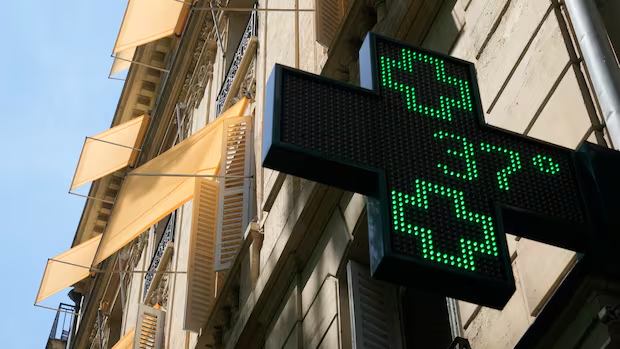
WorldThree people died due to extreme heat in France and thousands of schools closed or modified timetables as European authorities issued heatwave warnings and forecasters in Britain said temperatures could smash records for June this week.Europe the continent furthest from historic norms Monday, with average temperatures 4 C higherThomson Reuters · Posted: Jun 22, 2026 10:57 AM EDT | Last Updated: 1 hour agoListen to this articleEstimated 4 minutesThe audio version of this article is generated by AI-based technology. Mispronunciations can occur. We are working with our partners to continually review and improve the results.Visitors shield themselves from the sun with umbrellas as they walk in the garden of the Palace of Versailles, outside Paris, on Monday. (Thibault Camus/The Associated Press)Three people died due to extreme heat in France and thousands of schools closed or modified timetables as European authorities issued heat wave warnings.Temperatures in Bordeaux in southwestern France were forecast to exceed 42 C on Monday and weather agency Meteo France said 49 regional administrative areas would be under a red heat wave warning."We’re heading for, at the very least, several days of very, very hot weather. We don’t know when temperatures will start falling," French Health Minister Stephanie Rist said on TV channel TF1.Three elderly people, aged between 80 and 95, died over the weekend in the Bordeaux region as a result of health issues caused by the current heat wave, local government official Sophie Brocas told France TV late on Sunday.The Met Office, Britain's national weather forecaster, said on Monday that a four-day heat wave covering southern and central England and parts of Wales could push temperatures above 39 C in some places, which would easily shatter the previous June record of 35.6 C.PHOTOS | Sweltering temperatures in large parts of Europe:The June heat wave follows a record-breaking May, when Britain recorded its hottest day for the month, hitting 35.1 C. Europe was the continent furthest from its historic norm on Monday, with an average high temperature of 24 C, which was 4.1 C above what was typical from 1961-1990, according to the Reuters Climate Monitor. By comparison, Asia and North America were 2 C and 1.3 C above the historic norm.Spain temps several degrees higher than normIn Spain, state weather agency Aemet issued a red alert for the Basque region, in the normally cooler north of the country, with the mercury in San Sebastián set to rise to a high of 40 C, more than double the city's historic average for June 22, according to the Reuters Climate Monitor.San Sebastián was set to be hotter than the southern cities of Seville and Córdoba, which normally record the country's most intense summer heat. "We are seeing temperatures between five and 10 degrees above normal for this time of year, and in some northern areas even more than 10 degrees above average," said Rubén del Campo, spokesperson for AEMET, Spain's meteorological age.Workers resurface the asphalt of a street in Valencia, Spain on Monday. Spain's Labour Ministry said it was monitoring whether companies were complying with laws that allow workers to reduce or adjust their working hours, given sweltering conditions. (Jose Jordan/AFP/Getty Images)Nighttime provided little relief in some parts of Spain, with temperatures failing to drop below 25 C or even 30 C in places like the southwestern province of Almeria, Aemet said.The Labour Ministry said it was monitoring whether companies were complying with laws allowing workers to reduce or adjust their working hours when orange or red weather alerts are issued. Workers are also entitled to up to four days of paid leave if they are unable to reach their workplace due to weather conditions, it said. Near Rome's Pantheon, tourists dipped their hats or caps in fountains and splashed their faces or draped wet towels round their necks, while others took refuge in restaurants with misting fans.The European Union's Copernicus Climate Change Service found that in Europe and globally, 2024 was the hottest year on record.Scientists warn that climate change is exacerbating the frequency and intensity of heat and dryness, especially in southeastern Europe, making the region more vulnerable to health impacts and wildfires.The burning of gasoline, oil and coal, plus deforestation, wildfires and many kinds of factories, release heat-trapping gasses that cause climate change.With files from The Associated Press
3 deaths reported in France as much of Europe grapples with extreme heat | CBC News
Three people died due to extreme heat in France and thousands of schools closed or modified timetables as European authorities issued heatwave warnings and forecasters in Britain said temperatures could smash records for June this week.
TL;DRAI
Extreme heat wave across Europe: France 42°C, UK >39°C (new June record), three deaths, thousands schools closed. Signals infrastructure cost pressures reshaping data center ROI and regional cloud strategy budgets for IT leaders.
713 words~3 min read