A 1980 ruling allowing federal prisoners to seek damages for deliberate indifference to a serious medical condition has already been curtailed.Show Caption
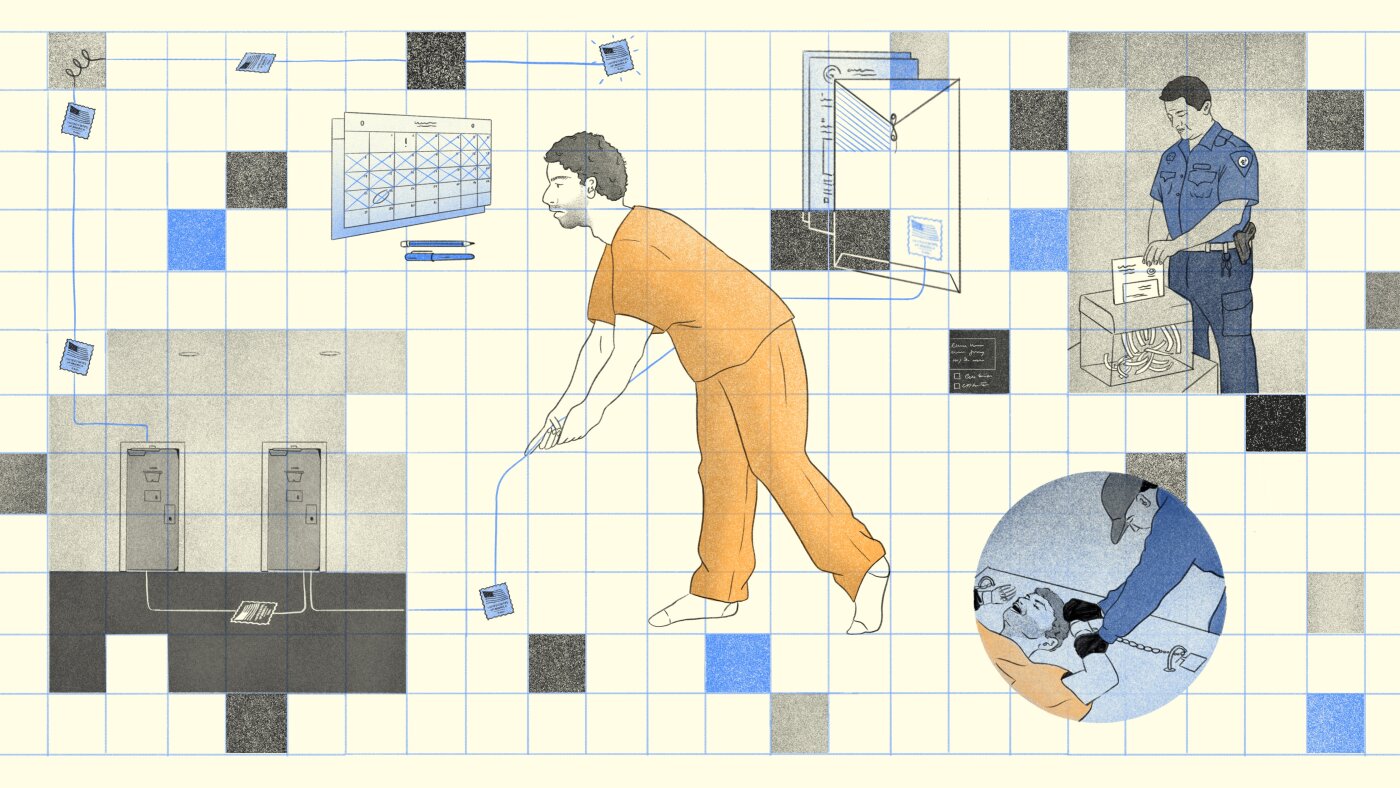
WASHINGTON − The Supreme Court will revisit a decades-old decision − which was already significantly narrowed by the court − that allows federal prisoners to seek damages for deliberate indifference to a serious medical condition.The court agreed June 22 to hear a case that could clarify whether such lawsuits are still permissible under Carlson v. Green, a 1980 decision in which the high court said federal prison staff had violated the Eighth Amendment’s ban on cruel and unusual punishment when it failed to respond appropriately to a prisoner’s fatal asthmatic attack.The Justice Department argues that further lawsuits on such allegations should not be allowed.“No more Carlson claims should be viable,” Solicitor General John Sauer told the court in a filing.The Carlson ruling expanded a landmark 1971 decision that established that federal officials could be held personally liable for monetary damages for a violation of constitutional rights. But in recent decades, the court has sought to limit the ability to sue, including barring lawsuits in cases that are “different in a meaningful way” from the few the court has allowed.Kekai Watanabe, the inmate at the center of the case, said he should have been hospitalized or seen a specialist after being attacked during a gang-related fight at a federal prison in Honolulu in 2021. Instead, he was given over-the-counter pain medication, according to court filings.An X-ray taken months later showed that he had a fractured coccyx and that bone chips had migrated to surrounding soft-tissue areas. He did not receive further treatment before being released in 2024.The San Francisco-based 9th U.S. Circuit Court of Appeals said Watanabe’s claim is identical to the 1980 decision involving the fatal asthma attack “in all meaningful respects.”But lawyers for the prison nurse said the cases are significantly different, including that Watanabe didn’t die and that he had other ways of seeking redress. They also argued in their appeal that the Supreme Court may wish to revisit the earlier decisions allowing such lawsuits.The Justice Department likewise urged the court to shut down lawsuits over inadequate medical care, arguing that prisoners are filing thousands of civil rights lawsuits every year, exposing staff to “harassing litigation” and personal financial liability.Lawyers for Watanabe countered that the Justice Department is focusing on the wrong thing. The relevant number of lawsuits is how many are allowed to proceed, they said, and “that number is vanishingly small.”