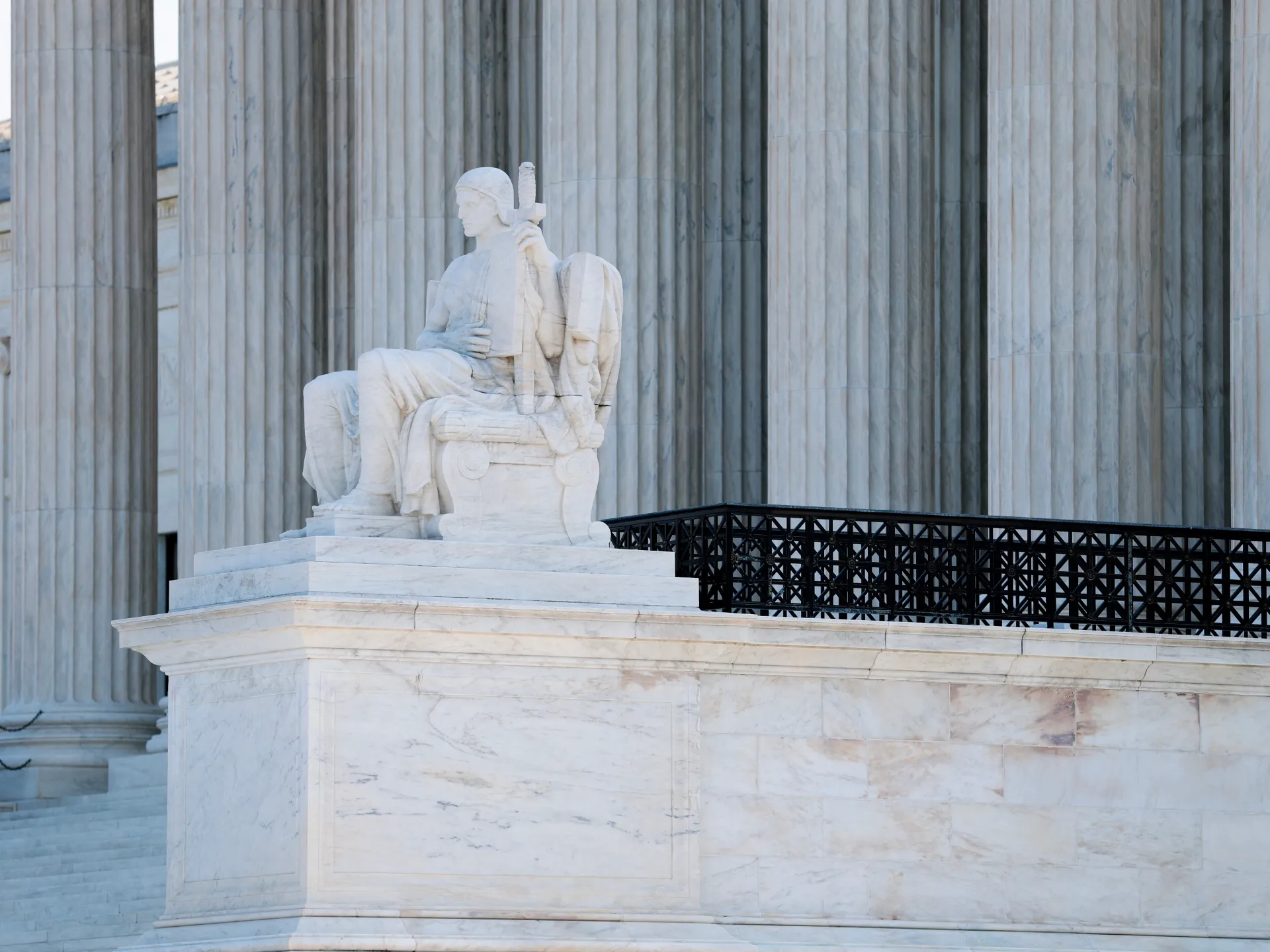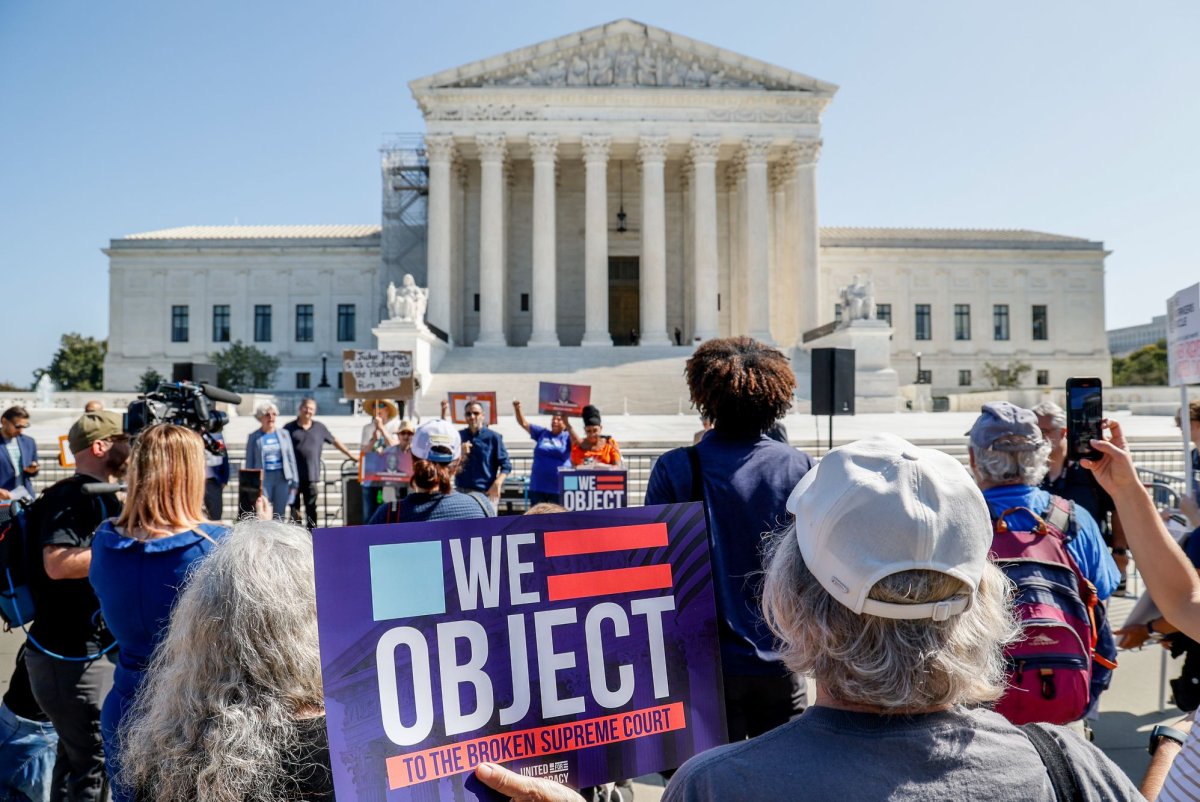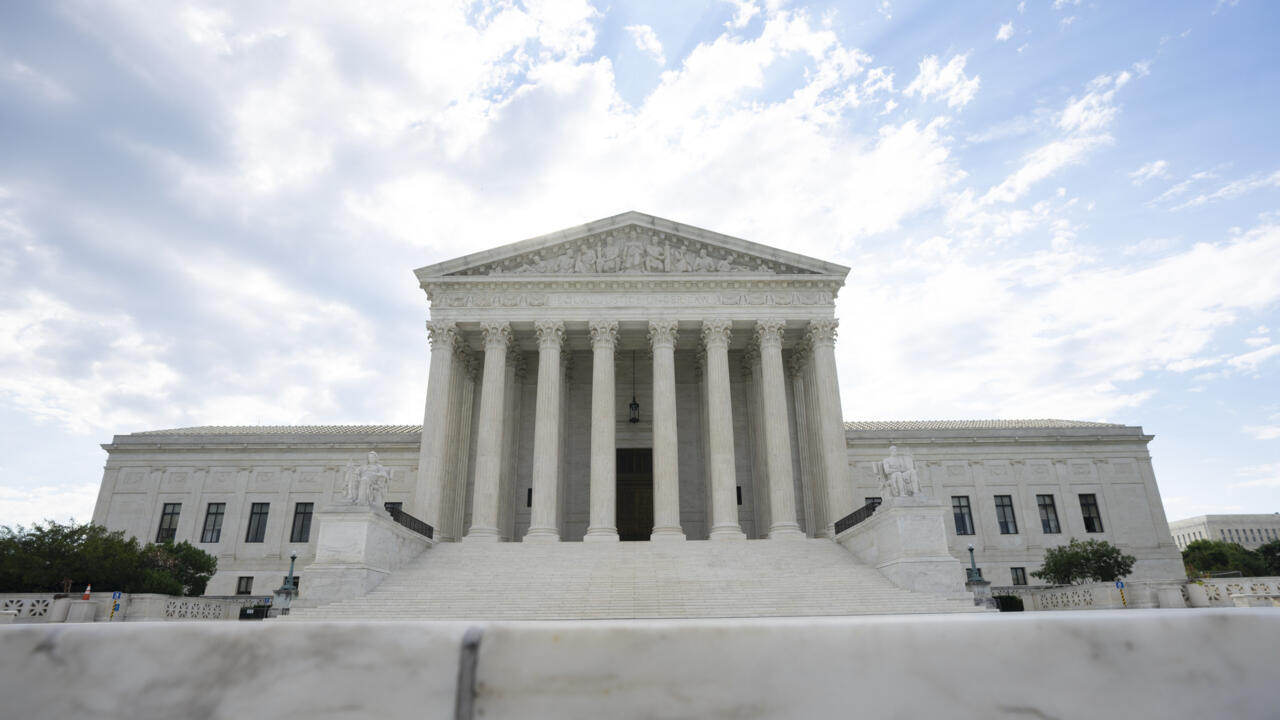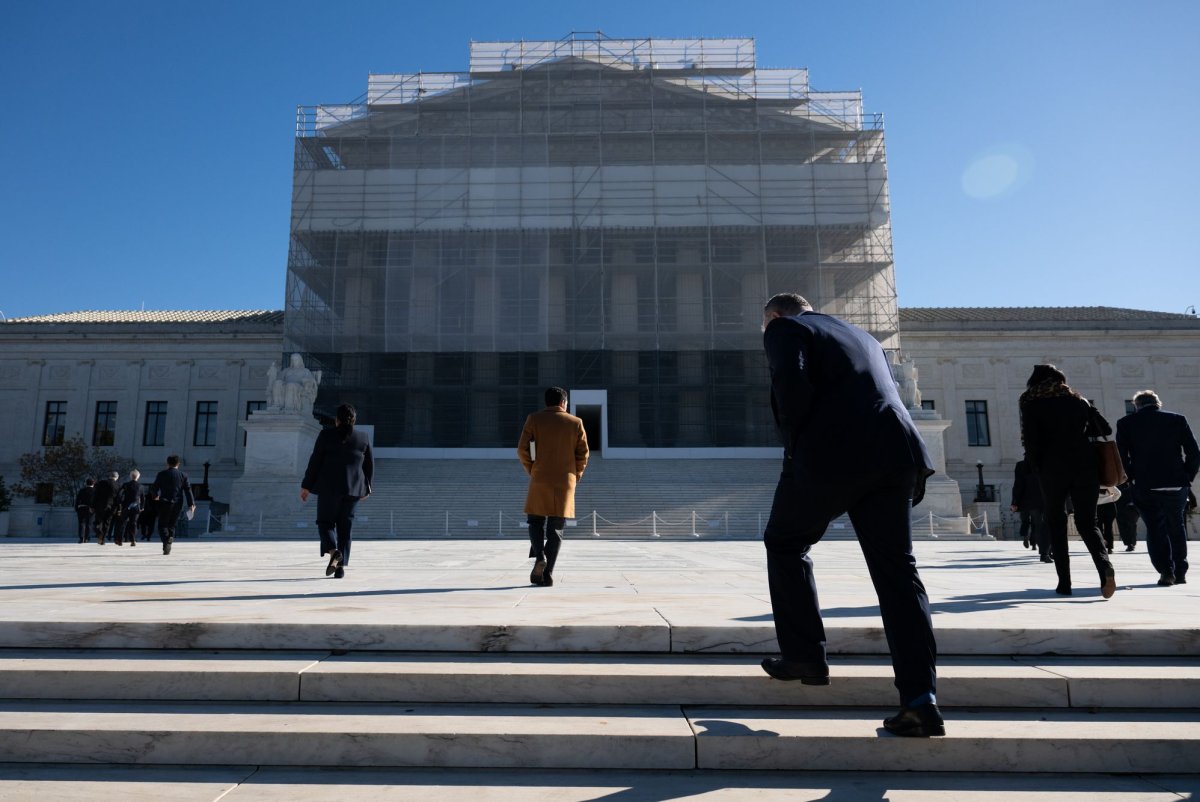
WASHINGTON, Nov. 10 (UPI) -- Supreme Court justices appeared skeptical of allowing prisoners to sue government officials for damages in their personal capacities during oral arguments Monday.
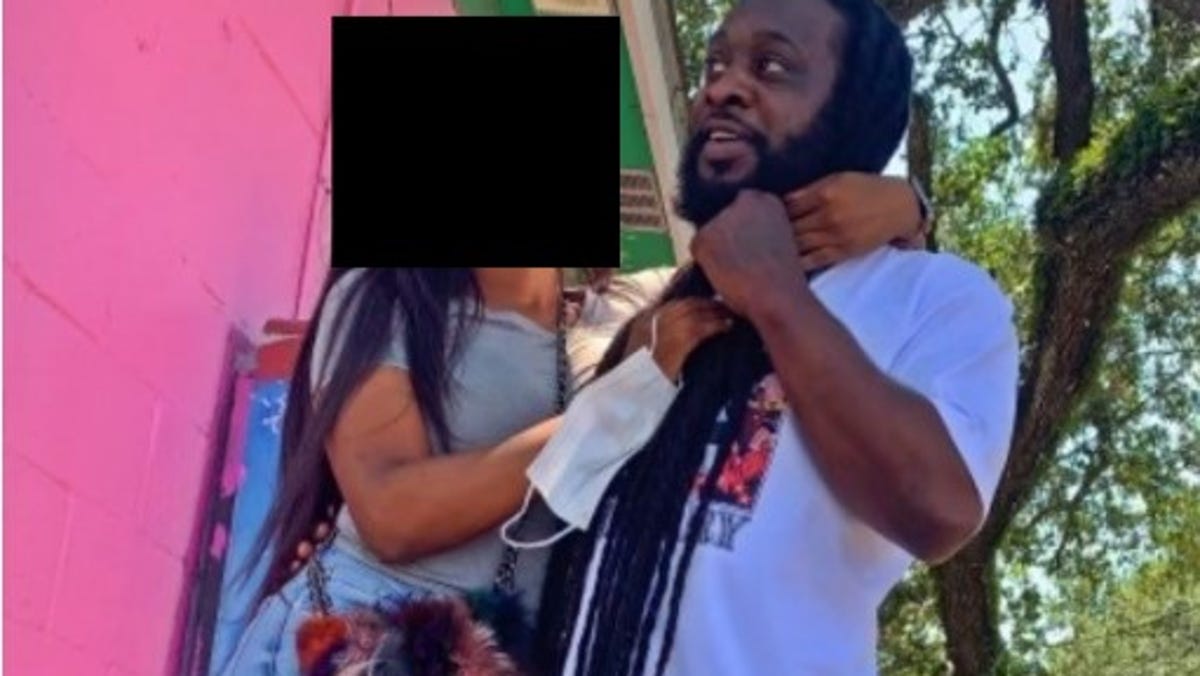
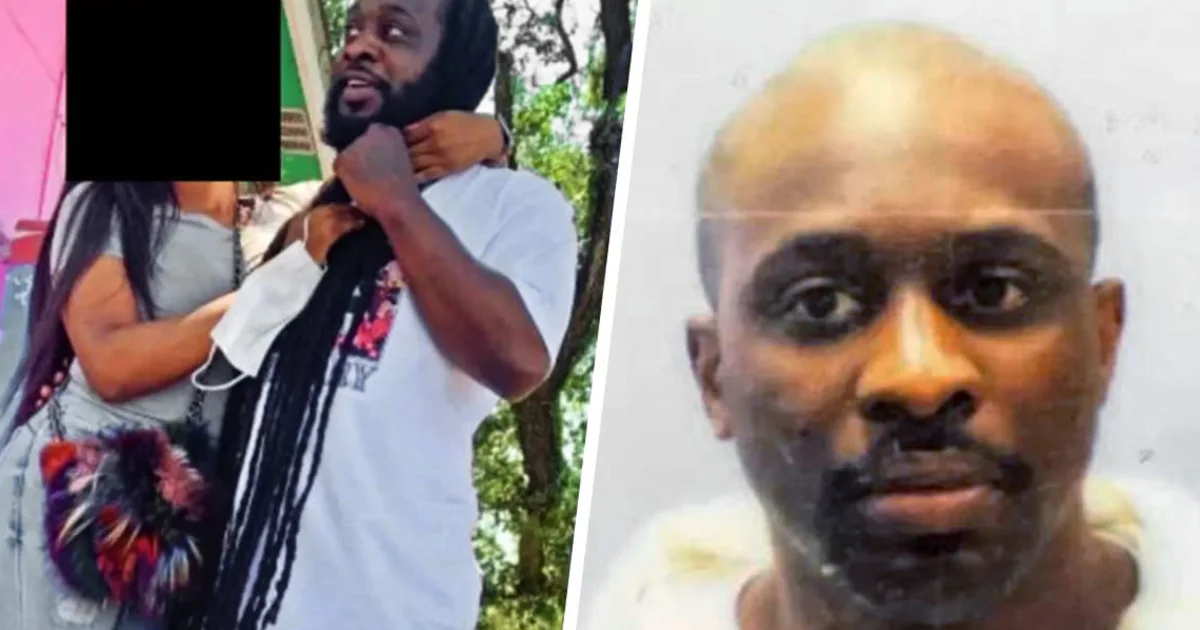
The case at hand involves Damon Landor, a devout Rastafarian who vowed never to cut his hair as a part of his faith -- a promise known as the Nazarite vow.
Landor was serving a five-month sentence at a Louisiana prison on a drug charge. When he was transferred to a new facility, two guards carried him to a room, handcuffed him to a chair and shaved his hair against his will, according to court filings.
He handed guards an appeals court ruling that shaving a Rastafarian inmate's dreadlocks violates the Religious Land Use and Institutionalized Persons Act of 2000, or RLUIPA, but the guards threw it in the trash and shaved him, anyway, according to previous testimony.
Landor sued the warden and the guards under the act, which prohibits federally funded state prisons from placing a "substantial burden" on prisoners' religious exercise.